
Many Drivers Ignore These Basics: Practical Driving Tips to Help You Master the Road
Essential driving advice, step by step, for safer everyday driving

Driving a car takes more than just knowing traffic laws. Real safety comes from practical skills and good habits behind the wheel. Here’s a closer look at the techniques that matter most for today’s drivers.
Before you head out, take a few minutes to check your vehicle. It may feel routine, but these small steps can make a big difference when it comes to safety.
Check the oil: Make sure the engine oil level is within the recommended range. Running low on oil can lead to serious and expensive engine damage.
Tire pressure: Keep an eye on tire pressure and check it regularly. Properly inflated tires improve handling, braking, and fuel efficiency.
Lights: Confirm that headlights, brake lights, and turn signals are all working. Good visibility—and being visible to others—is critical on the road.
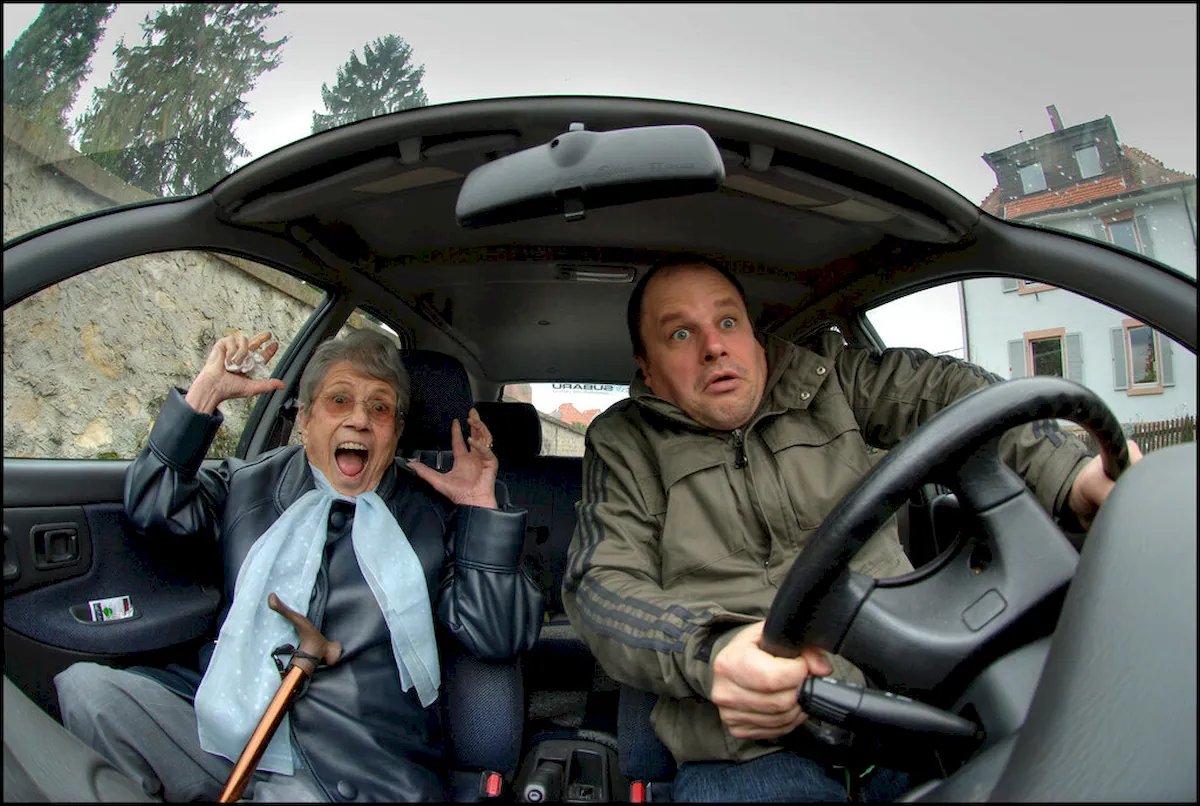
Driving in different conditions
Every driver encounters changing road and weather conditions. Knowing how to adjust your driving style helps reduce the risk of accidents.
Rainy weather requires extra caution. Wet pavement reduces traction, so it’s important to:
-
Slow down
-
Increase the following distance
-
Use windshield wipers and headlights to improve visibility
Winter driving presents its own challenges. Snow and ice can dramatically affect vehicle control. Keep these tips in mind:
-
Use winter or all-season tires rated for cold conditions
-
Reduce speed when turning or braking
-
If the car starts to skid, stay calm and gently steer in the direction of the skid
The mental side of driving: keep your emotions in check
Your mindset behind the wheel matters just as much as your technique. Emotions can influence how you react in traffic, sometimes with dangerous results.
Aggressive driving is a common cause of crashes. Racing to beat a traffic light or cutting off other drivers puts everyone at risk. Instead:
-
Follow traffic laws, even if it costs you a little extra time
-
Remember that arriving safely matters more than “winning” on the road
Music can make driving more enjoyable, but volume matters. If it’s too loud, it can distract you. Choose music that keeps you relaxed without pulling your focus away from traffic.
Stay focused on the road
Safe driving isn’t just about rules—it’s about awareness and consistency.
Mirrors play a crucial role in staying aware of your surroundings. Check them often, especially before changing lanes or making turns. Side mirrors help you monitor nearby traffic, while the rearview mirror keeps you aware of what’s happening behind you.
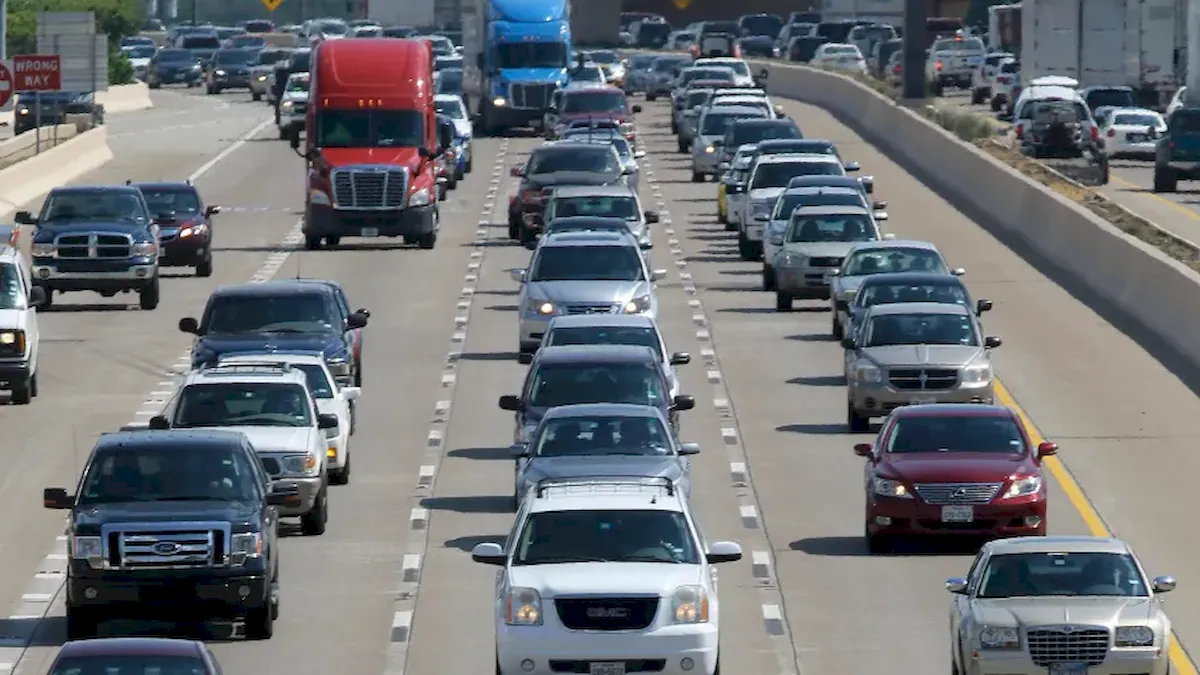
Keep a safe following distance
Maintaining enough space between your car and the one ahead is one of the most effective ways to avoid collisions. The recommended gap depends on speed and conditions, but a simple rule works well:
-
On highways, allow at least a two-second following distance
-
In city traffic, aim for at least one second
Slamming on the brakes at high speed leaves little room for error. Giving yourself space buys you time—and time is often what prevents an accident.
You may also be interested in the news:
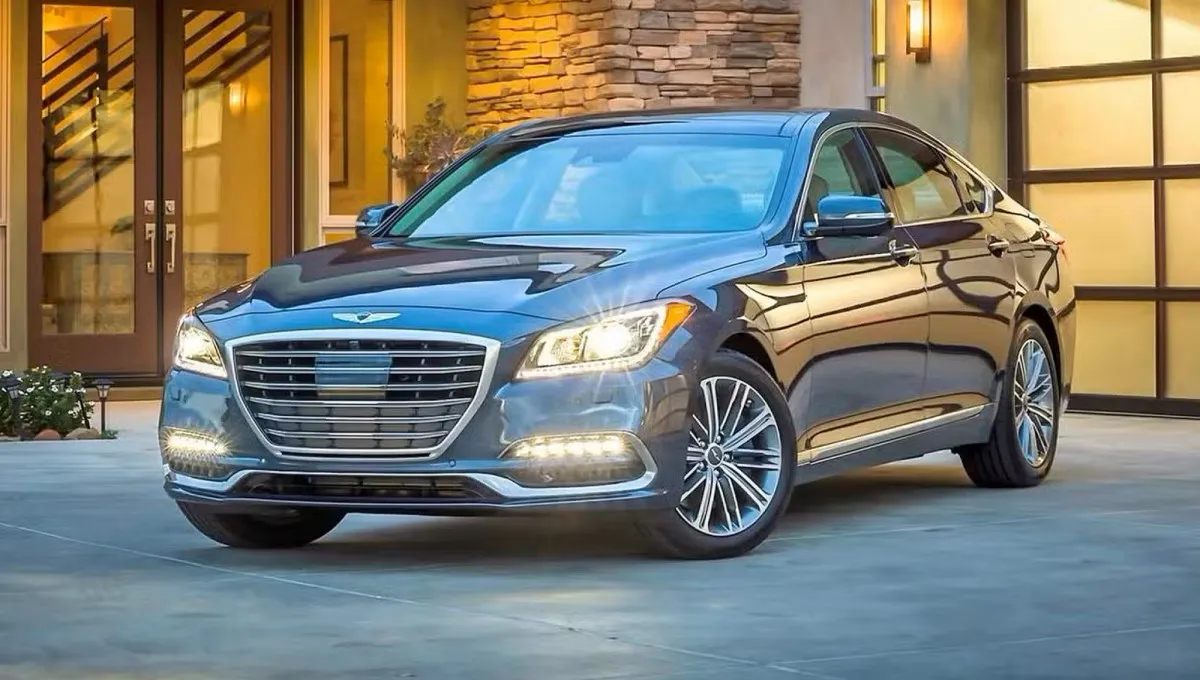
Hyundai Recalls Nearly 95,000 Genesis Sedans Over Fire Risk From Power Seats
Hyundai is recalling 94,622 Genesis sedans after a faulty power seat switch was linked to overheating and potential vehicle fires.
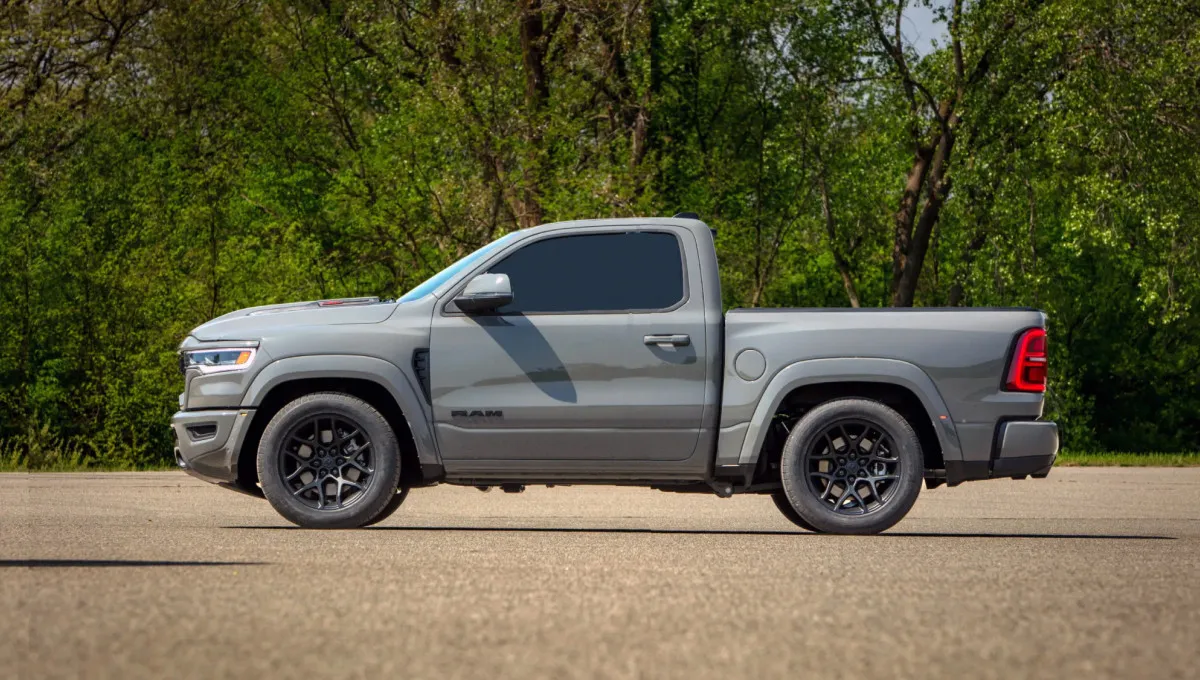
2027 Ram 1500 Rumble Bee: Pricing, Options and How to Build Yours
The 777-HP Ram Rumble Bee Is Coming — But You Can Buy the New Hemi Truck Now
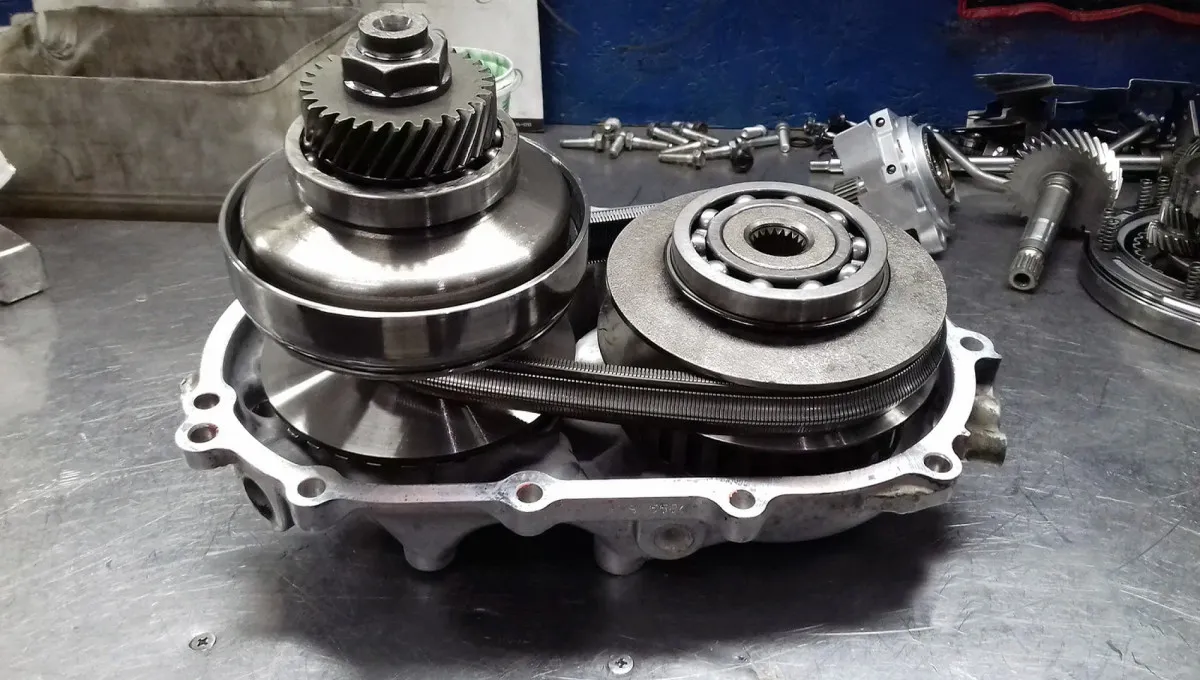
Why Experienced Drivers Still Warn Against Buying a Used Car With a CVT
CVTs offer smooth acceleration and good fuel economy, but expensive repairs and durability concerns make used models risky.
2026 Ram 1500 Recall: 16K Trucks May Have Faulty Tire Pressure Sensors
Ram is recalling 16,385 model-year 2026 Ram 1500 trucks

Harley-Davidson Riders Could Face $2,500 Fines Under New Law Targeting ‘Weaving’ on Roads
Arizona’s new motorcycle law targets lane splitting, exposing repeat offenders to steep fines, possible jail time, and license suspensions.