
Seven Once-Popular Cars With Engines Capable of Lasting Up to 620,000 Miles
Historic vehicles whose engines were known to survive mileage figures that once seemed almost impossible.
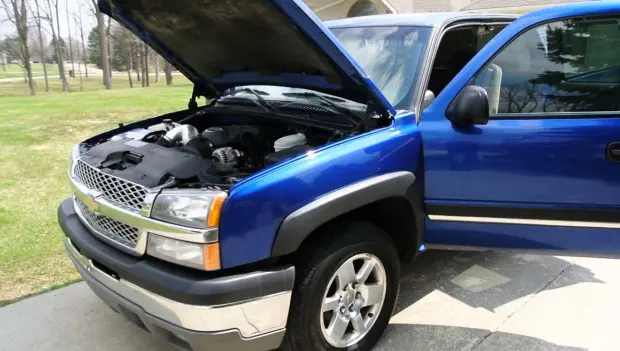
A full engine overhaul is the ultimate nightmare for any car owner. Sure, careful driving and regular maintenance can dramatically extend an engine’s life, but there’s no escaping the limits of basic mechanical endurance. Some engines struggle to make it past 155,000 miles. Others, however, routinely cross the 310,000-mile mark — and a few legendary powerplants have been known to push close to an astonishing 620,000 miles. What’s more, not all of these vehicles deserve the label of automotive “dinosaurs.” Some are relatively modern by today’s standards.
Saab 900 SPG
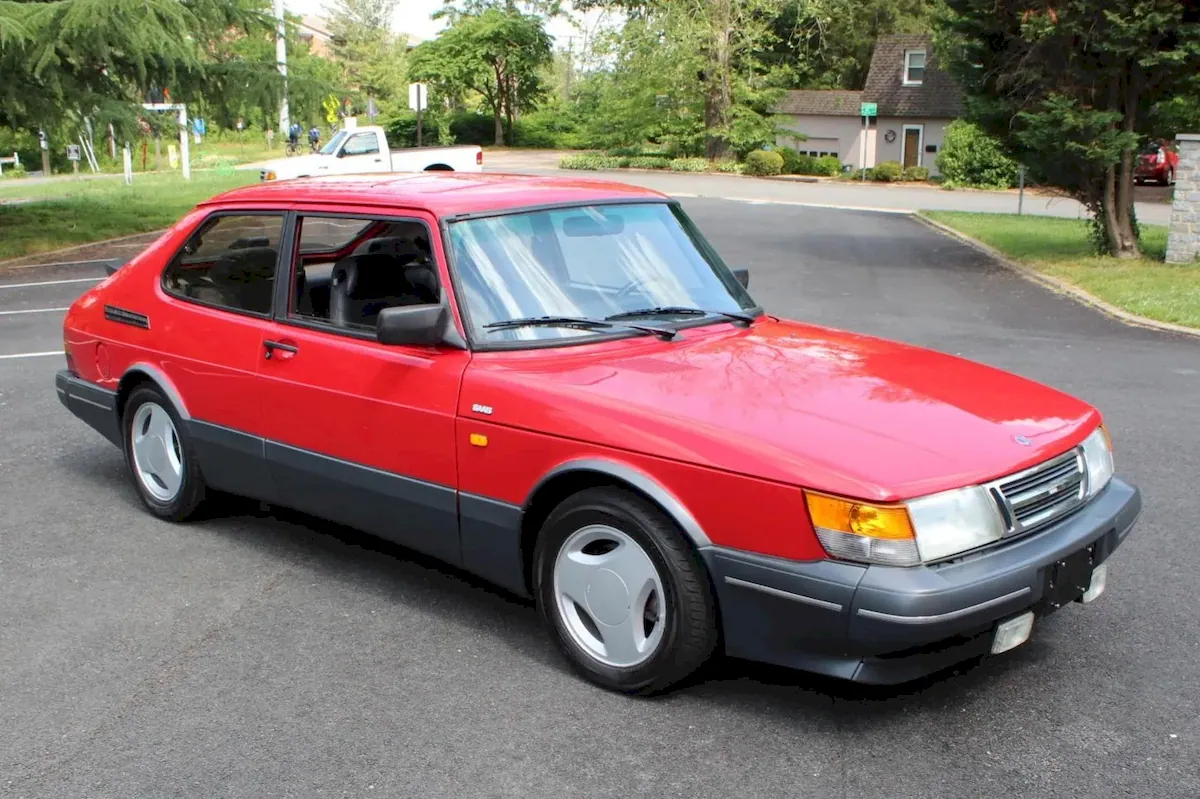
Many drivers today barely remember Saab, the once-popular Swedish automaker that existed from 1978 until 2012. For longevity enthusiasts, the Saab 900 lineup is especially noteworthy. Produced in two generations, the first proved to be the most successful. The Saab 900 SPG stayed in production for an impressive 16 years and was offered in five different body styles.
All engines were gasoline-powered, producing between 100 and 185 horsepower. Remarkably, every one of them earned a reputation for durability. With proper care, mileage north of 310,000 miles was far from uncommon. Finding a well-preserved example today is extremely difficult, and prices reflect that scarcity.
Lexus LS 400
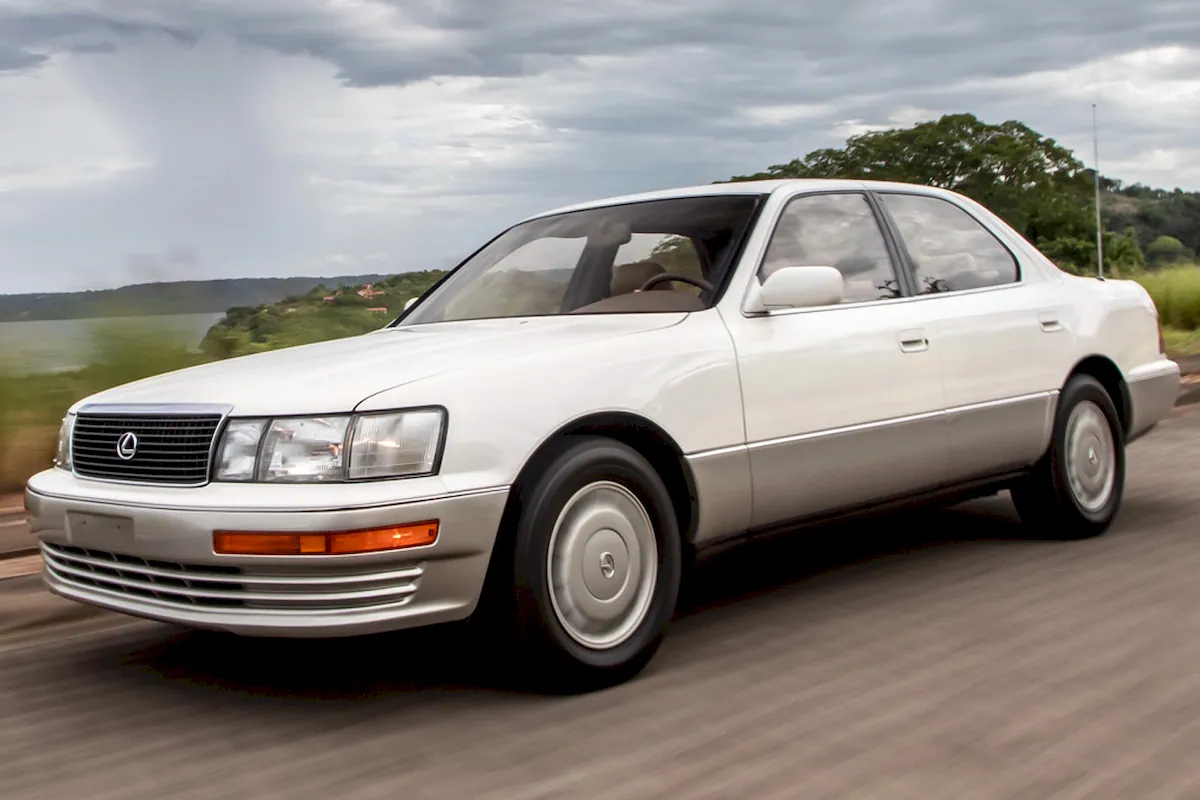
This full-size luxury sedan debuted in 1989 and, in spirit, still lives on today. The versions that matter most here are second-generation models built between 1994 and 2000. These cars came with Toyota-developed 4.0-liter V8 engines producing between 264 and 294 horsepower and featured rear-wheel drive across the board.
For its era, the LS 400 offered a genuinely upscale interior with premium materials, wood trim, and advanced features. More importantly, the drivetrain proved nearly bulletproof, cementing the model’s reputation for extreme longevity.
Honda Accord (Fourth Generation)
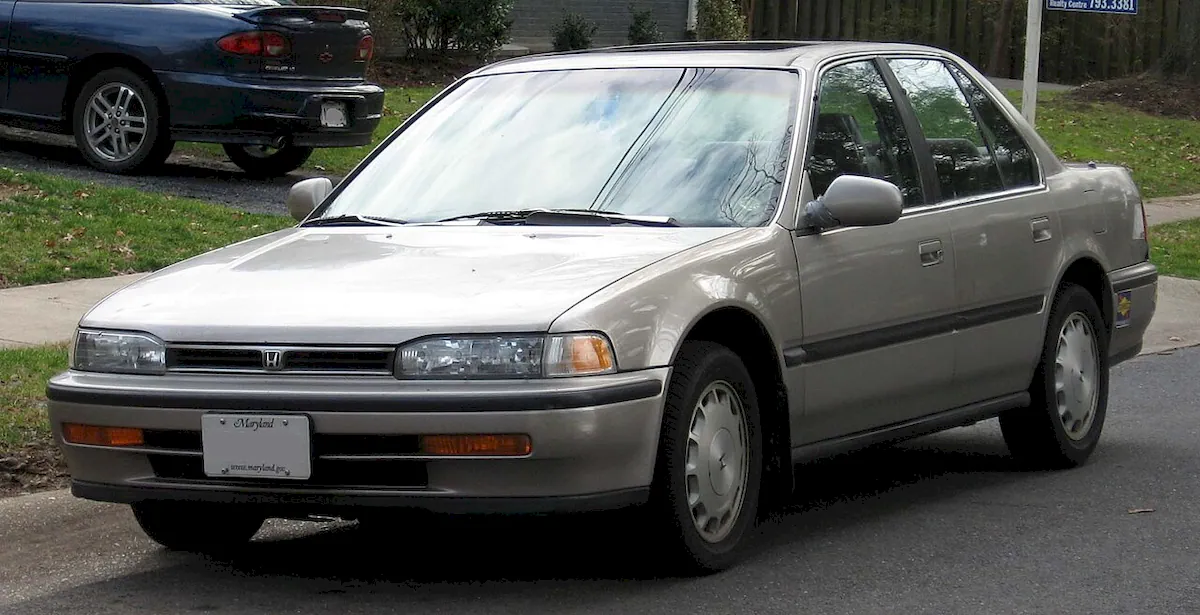
The Honda Accord needs little introduction. The model has been around since 1976, evolving from a compact car into a midsize sedan by the early 1990s. The fourth generation, produced from 1989 to 1993, stands out for its engine reliability.
Buyers could choose from 1.8-, 2.0-, and 2.2-liter gasoline engines, with the most powerful making about 150 horsepower. These powerplants were famously trouble-free, and reaching at least 310,000 miles was well within their capabilities when properly maintained.
Hyundai Elantra
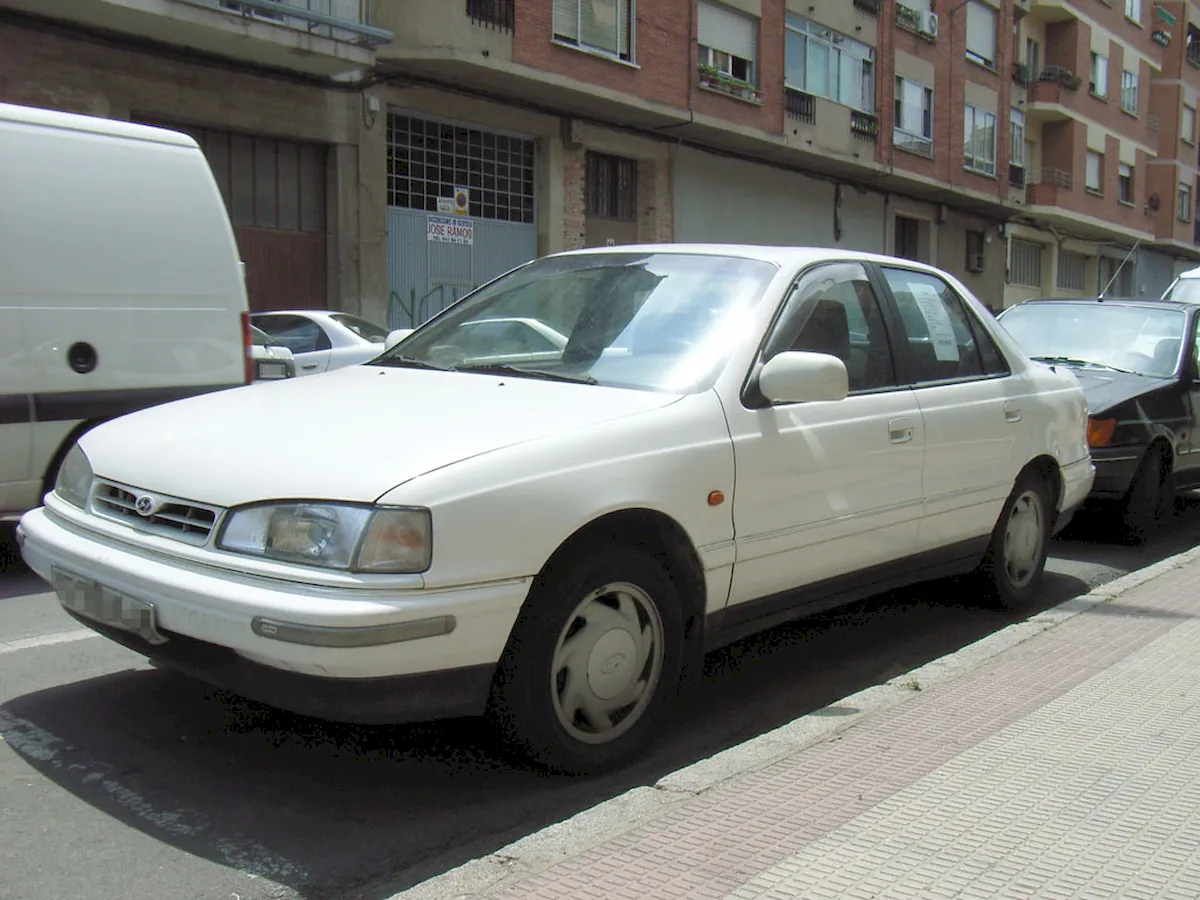
Hyundai’s story began gaining traction in the 1990s, but one of its most durable engines belongs to a much newer car. The 2013 Hyundai Elantra has quietly earned a reputation for impressive engine longevity.
With routine maintenance, many owners report engine life exceeding 310,000 miles before major repairs become necessary. In particularly fortunate cases, mileage can climb close to the 620,000-mile mark. Even better, these cars remain relatively easy to find on today’s used market.
Mercedes-Benz 240D
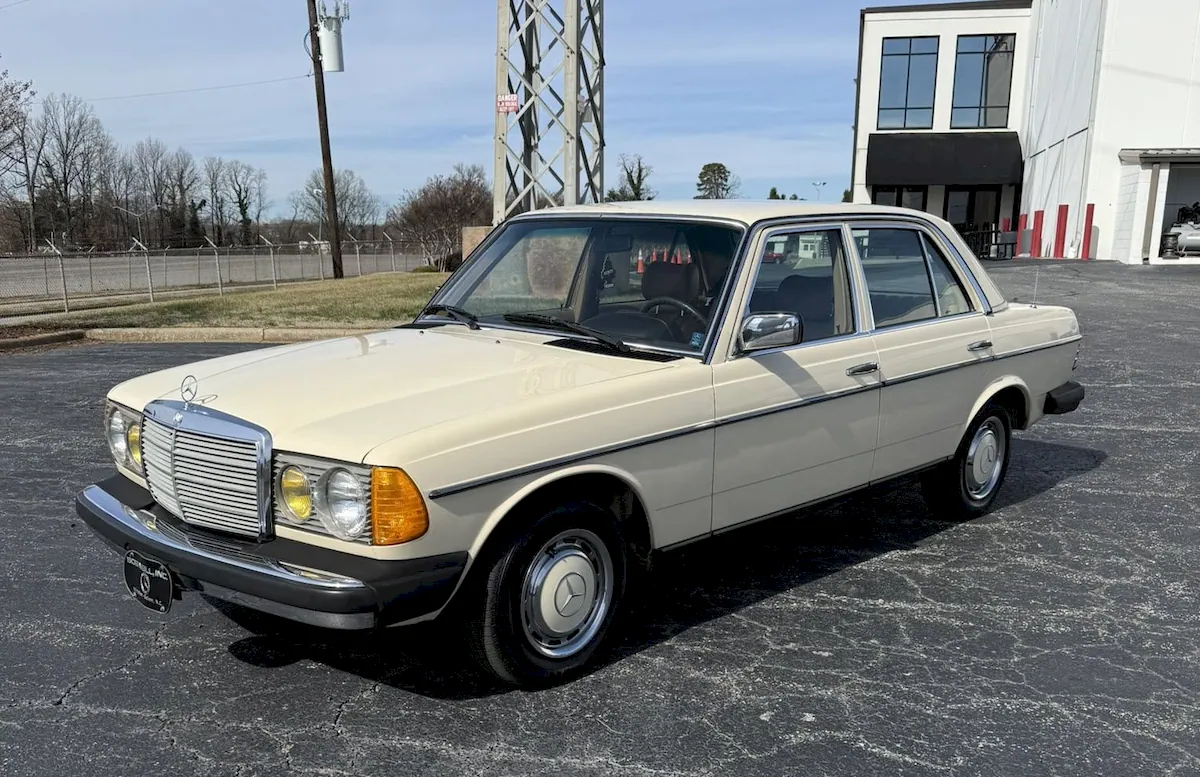
Here’s a true automotive dinosaur — and proudly so. The Mercedes-Benz 240D is a legendary diesel workhorse from an era when durability mattered more than speed or technology. This German-built veteran was logging massive mileage figures long before brands like Lexus or Hyundai even existed.
Production ended more than 40 years ago, making decent examples extremely rare today. Most surviving cars are collector-owned and rarely change hands. By modern standards, the 240D is undeniably outdated, but its ability to rack up enormous mileage remains unmatched.
Chevrolet Silverado
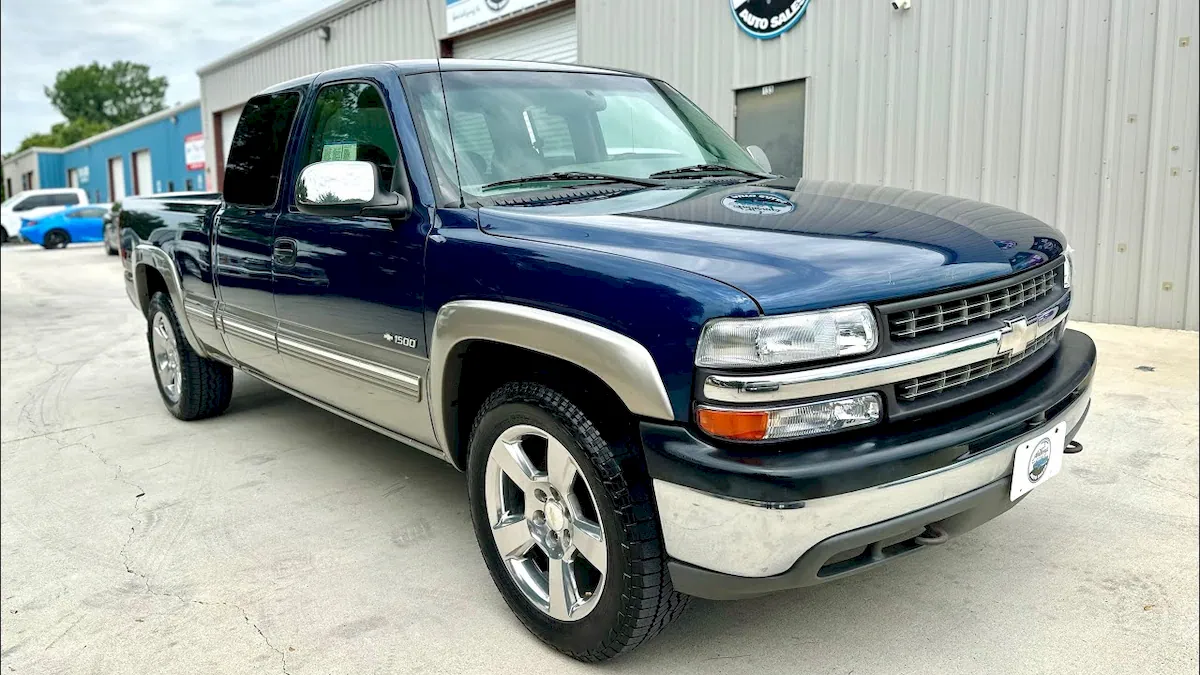
In the U.S. and Canada, the Silverado is more than just a pickup — it’s an icon. Late-1990s and early-2000s models, in particular, are remembered for their tough engines. These trucks were offered with powerplants ranging from 4.3 to 6.0 liters, paired with either four-speed automatics or five-speed manual transmissions.
American drivers valued the Silverado for its dependability. With proper maintenance, many engines ran between 280,000 and 400,000 miles, and some examples reportedly surpassed the 620,000-mile threshold.
BMW 325i
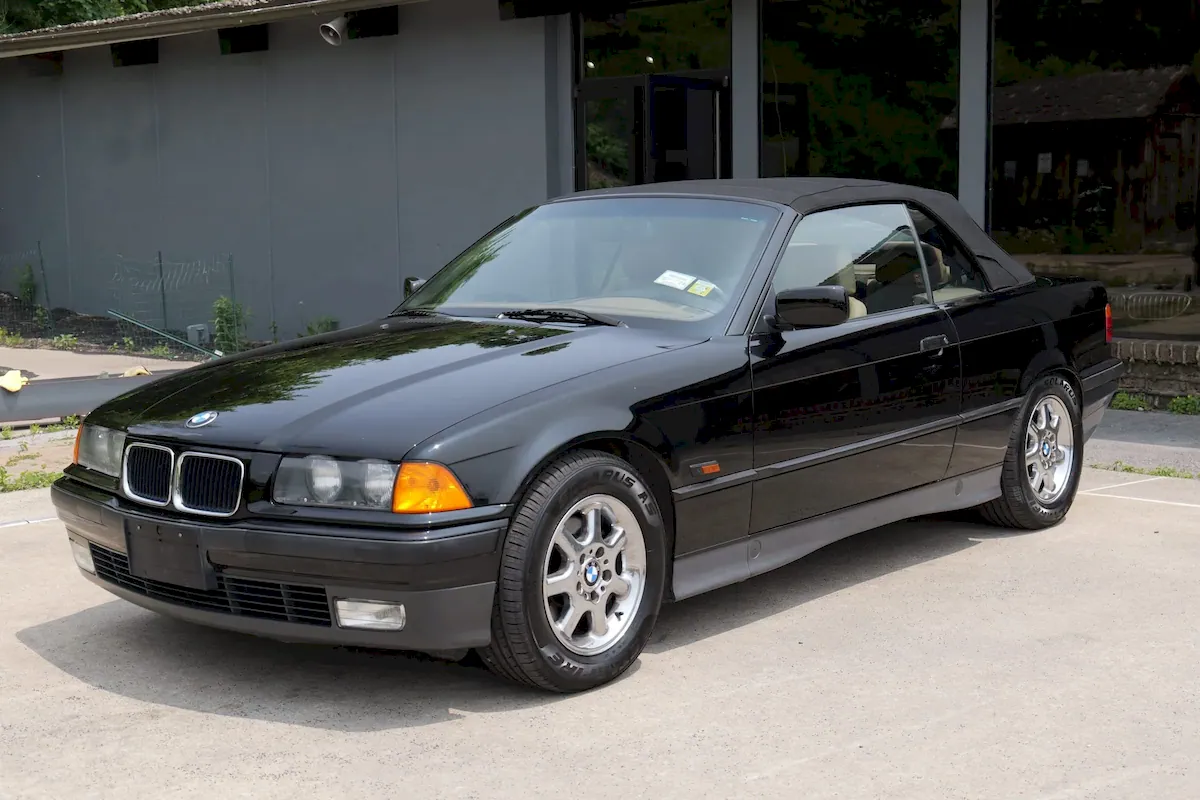
Finally, there’s this standout Bavarian from the 1980s. Produced until 1994 and offered in six different body styles, the BMW 325i came with a wide range of engines producing between 75 and 171 horsepower.
Some of these engines proved exceptionally durable, capable of approaching 620,000 miles when properly cared for. Even today, well-maintained examples still appear on the used market, a testament to BMW’s engineering during that era.
You may also be interested in the news:
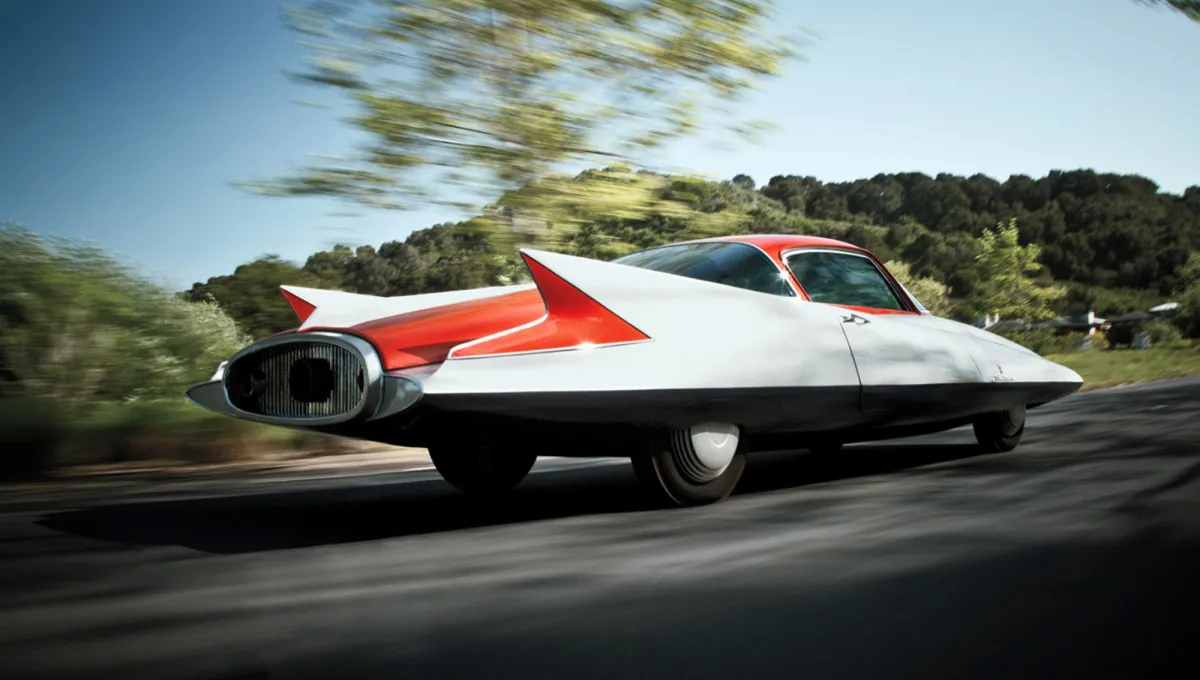
10 Concept Cars From the 20th Century That Look Like They Came From the Future
From futuristic cockpits to rocket-inspired bodies, these 10 vintage concept cars pushed design boundaries and still look spectacular today.
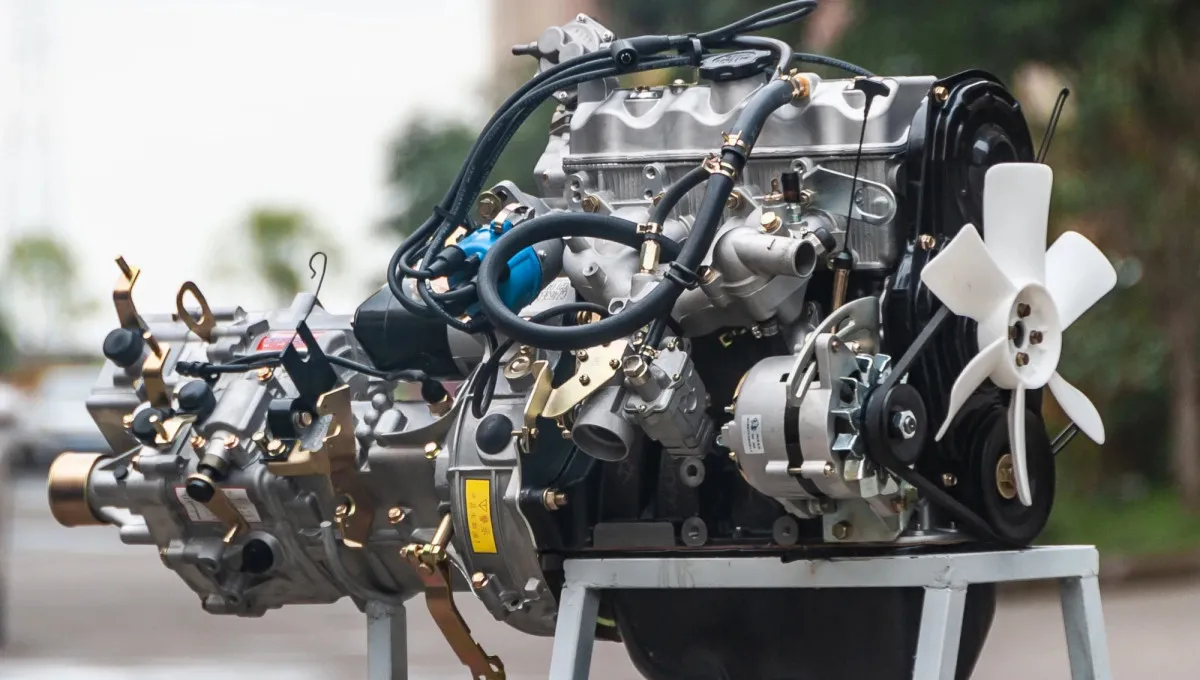
“Are You Sure It’s Chinese?” Who Really Builds China’s Car Engines
Who Really Develops China’s Car Engines?
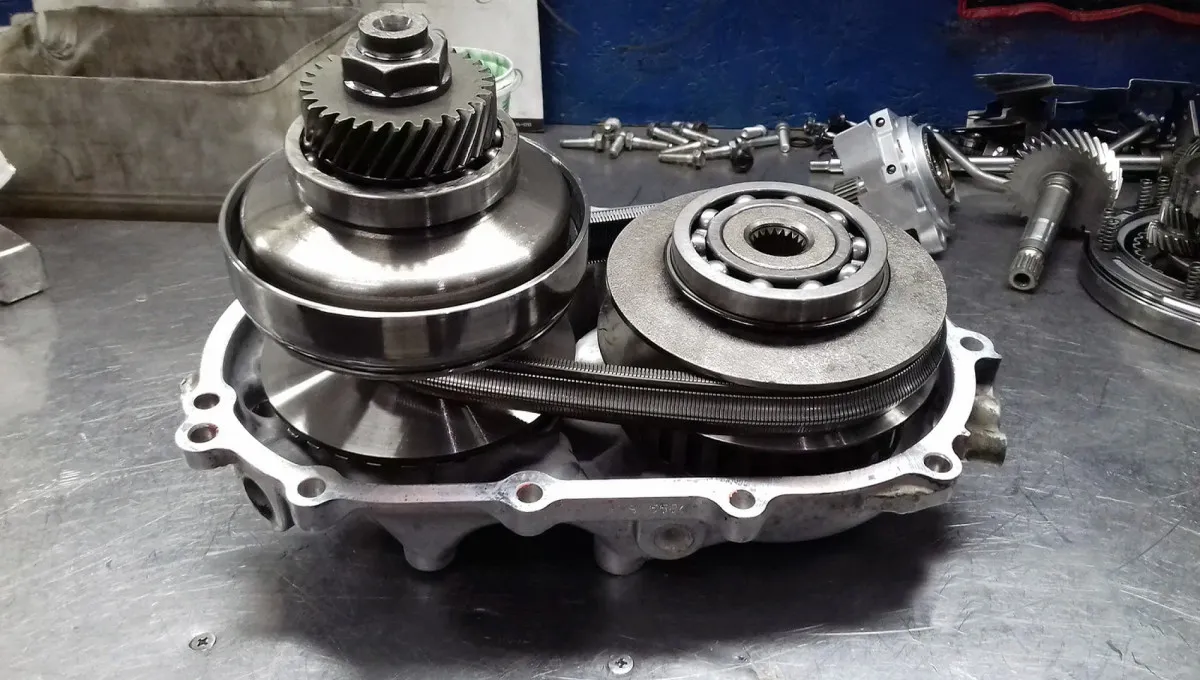
Why Experienced Drivers Still Warn Against Buying a Used Car With a CVT
CVTs offer smooth acceleration and good fuel economy, but expensive repairs and durability concerns make used models risky.

What Does the 99% Patch Mean to Bikers? The History Behind the Motorcycle Symbol
The 99% biker label separates everyday motorcycle enthusiasts from outlaw culture, carrying a message rooted in American motorcycle history.

Drivers Are Seeing Strange Pink Signs on the Road—What They Say Is Surprising Everyone
A new roadside campaign uses personalized messages to praise safe drivers, offering a different approach to speeding warnings.