
Mercedes Finds a Way to Simplify Wiring in Split Taillights: Patent Reveals the Idea
A newly published patent filing suggests Mercedes-Benz is looking for a cleaner, simpler way to handle wiring in split rear light assemblies.

If a vehicle’s taillights are divided between the body and the trunk lid (or rear hatch), owners have almost certainly noticed the flexible rubber sleeve that carries the wiring. Every time the trunk is opened, that flexible bridge bends and moves, allowing power and control signals to reach the inner section of the split taillight and stay synchronized with the outer portion. The solution works, but it adds complexity and extra wiring length. According to a fresh patent filing, Mercedes-Benz wants to rethink that setup.
Germany’s intellectual property office (DPMA) has published the application. The documents describe an alternative approach that replaces traditional wiring routed through the trunk lid with a spring-loaded mechanical switch.

The idea in plain terms
Mercedes proposes installing a spring-loaded module with electrical contacts inside the moving body panels. This unit would transfer power and control signals between the separate taillight sections without running long wire harnesses through a constantly moving panel.
-
Inside the assembly is a mechanical housing with a spring that handles movement or rotation.
-
The design includes a set of contacts that transmit power and control signals.
-
Wiring can be shorter overall, since connections are made closer to the vehicle’s fixed structure.
Why automakers fight over every foot of wiring
In a modern vehicle, the total length of wiring can approach a mile. That creates challenges not only for design and diagnostics, but also for weight: wiring harnesses can account for roughly 3–4% of a vehicle’s total mass. There’s no single breakthrough solution, so manufacturers typically focus on gradually shortening wiring runs and simplifying layouts wherever possible.
What this could mean in real life
-
Lower weight, which can translate into slightly better efficiency and performance
-
Easier service, with fewer spots where wires can fatigue, bend, or chafe
-
More modular repairs, making it simpler to replace individual components rather than entire assemblies
It’s also worth noting that Mercedes has recently talked about a broader shift toward parts that can be repaired instead of replaced outright, partly to support a circular economy and reduce emissions tied to manufacturing new components. The brand has cited modern headlights as an example: they’re expensive, and damage often means full replacement. Mercedes has suggested moving away from permanent adhesives and toward fasteners like screws, allowing assemblies to be taken apart and repaired. The logic is similar here — fewer complex harnesses and sealed-off designs make localized repairs easier.
Rear lights and turn signals were once much simpler, with many automakers using similar sealed units. Over time, backup lights were added, graphics became more intricate, and lighting turned into a key element of brand identity. As aerodynamics and safety regulations narrowed body-shape freedom, lighting became one of the main ways designers could give a car a distinctive look. That’s how complex three-dimensional lamps and full-width light bars became popular — and why split taillights on trunk lids also became a growing source of extra wiring and added complexity.
You may also be interested in the news:
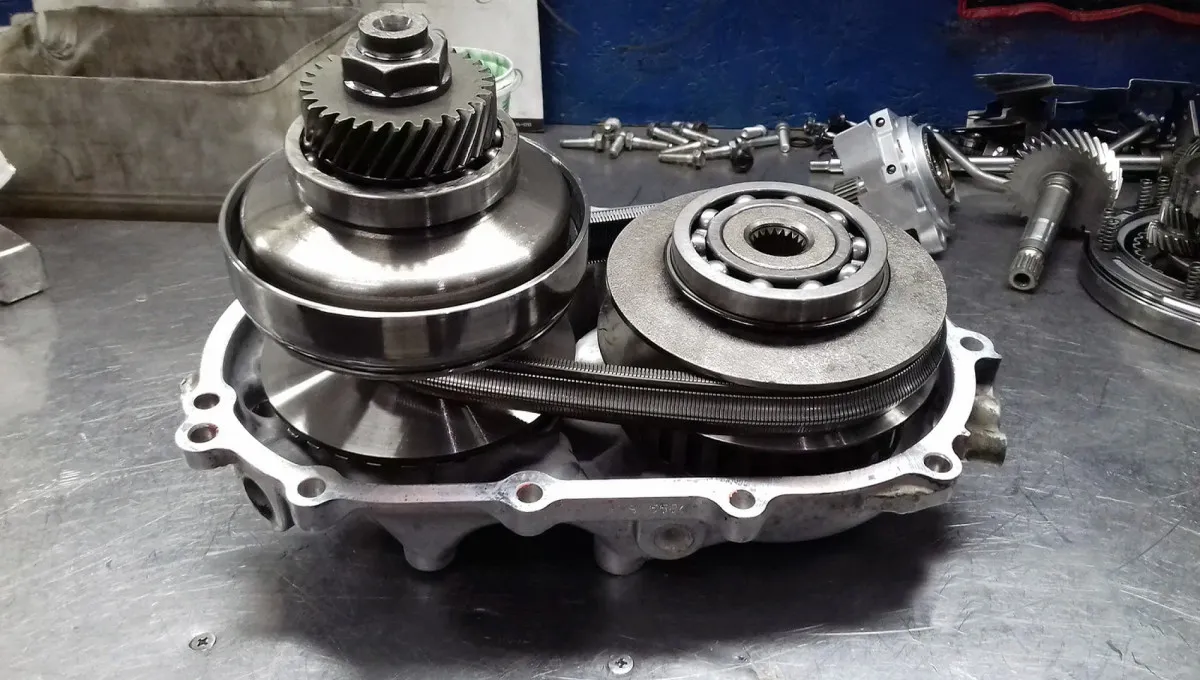
Why Experienced Drivers Still Warn Against Buying a Used Car With a CVT
CVTs offer smooth acceleration and good fuel economy, but expensive repairs and durability concerns make used models risky.
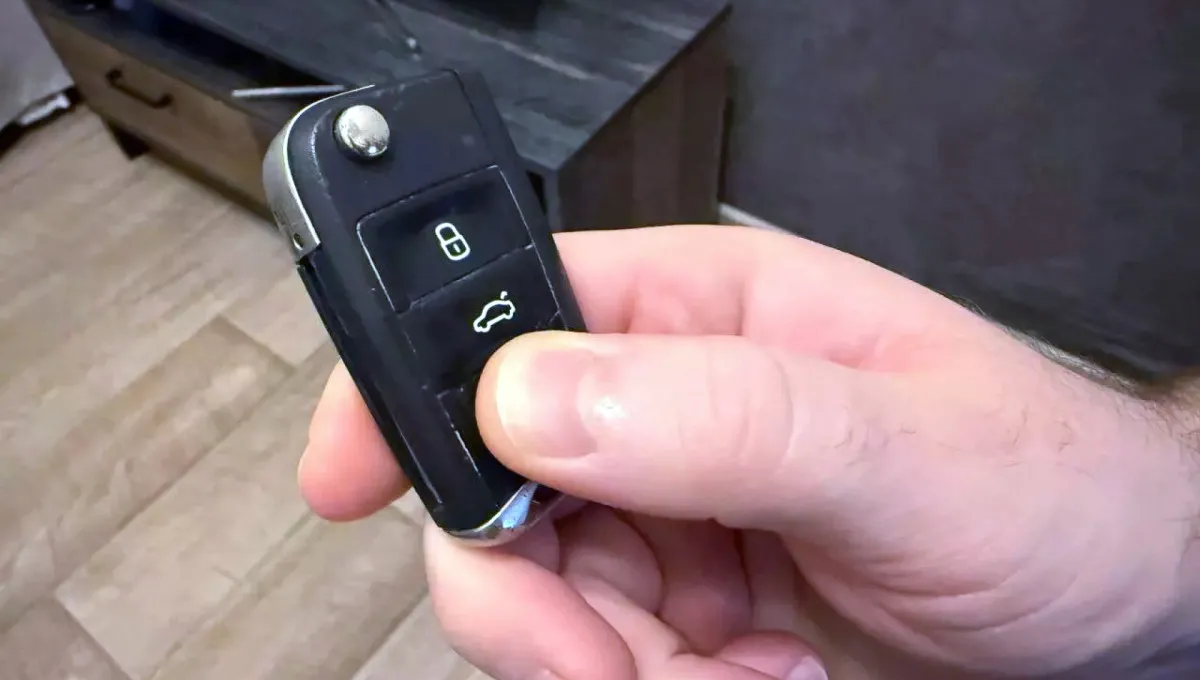
Hidden Key Fob Trick: Open All Your Car Windows With One Button
An auto mechanic explains how drivers can remotely open and close car windows using a key fob, provided the vehicle has the right hardware.
8 Car Maintenance Mistakes That Could Cost You Thousands if You Wait Too Long
Depending on driving conditions, some maintenance tasks may need to be performed sooner and more often than the automaker recommends.
How Long Will Your Car Last? A Guide to Making It Age Gracefully
Automotive experts explain how routine maintenance and timely replacement of aging components can help your car last longer.

Common Car Problems on the Road and How to Handle Them Yourself
A breakdown far from home can leave any driver stranded. Here’s how to assess the problem and decide what to do next.