
Good News for Fans: The Shelby Daytona Is Coming Back — How a Sports Car Classic Is Adapting for the 2030s
A new analysis explains why modern reinterpretations of legendary coupes continue to spark debate among car enthusiasts.
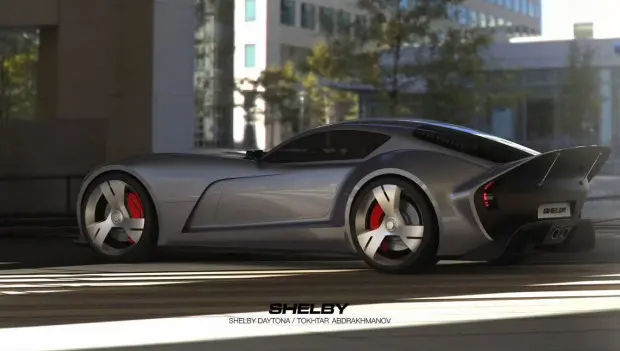
The Shelby Daytona is back in the spotlight as British automaker AC Cars prepares a reimagined version of the iconic coupe for a new decade. How the legend will change, what it will preserve from the original, and why the project is already fueling debate among experts and fans — here’s a closer look.
The legendary Shelby Daytona, originally built for racing and now a symbol of the bold engineering of the 1960s, is once again capturing the attention of car enthusiasts. AC Cars, known for its lightweight sports cars, aims to breathe new life into the classic coupe while preserving its spirit and adapting it to the realities of the 2030s.
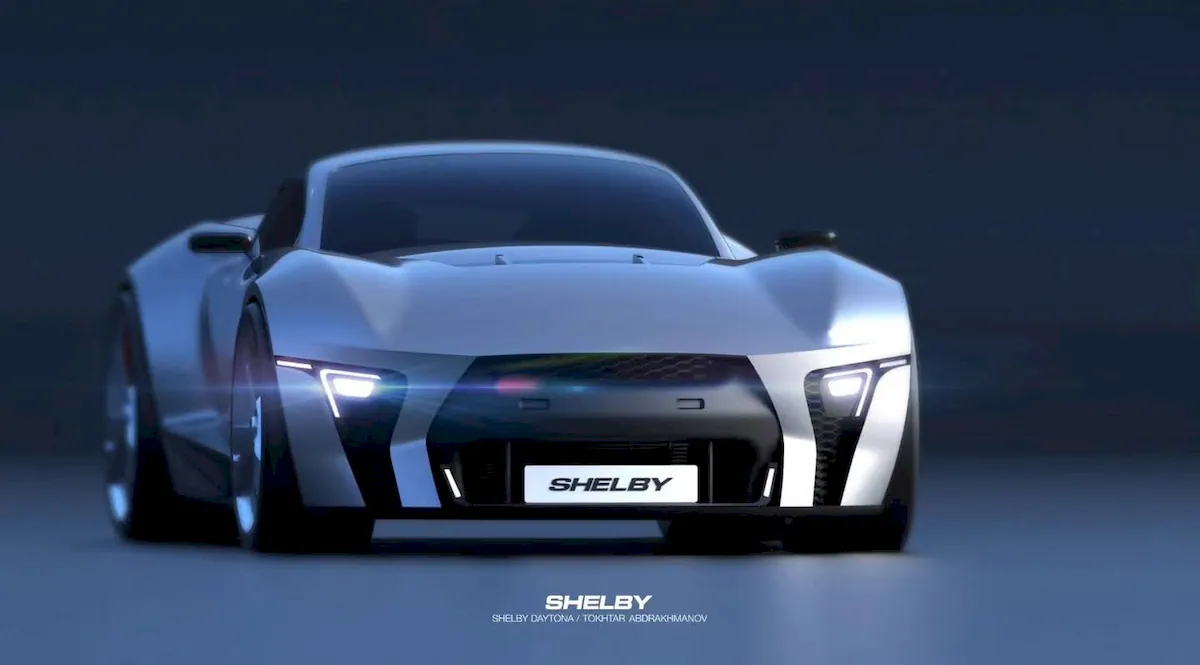
The Daytona’s story dates back to an era when Carroll Shelby and his team set out to challenge Europe’s motorsport heavyweights. Unlike the open-top Cobra, the Daytona was a closed coupe designed for maximum aerodynamics and high-speed stability over long distances. It became one of the few American sports cars capable of competing head-to-head with Ferrari and Aston Martin at Le Mans.
According to AC Cars, the modern Daytona will blend classic proportions and its instantly recognizable silhouette with cutting-edge technology. The project is built around a lightweight aluminum chassis, carefully optimized aerodynamics, and — true to tradition — a powerful gasoline engine supplied by an American manufacturer. This time, however, the focus isn’t just on output, but also on meeting future emissions standards.
Visually, the new Daytona retains its defining traits: a long hood, a sloping roofline, and muscular fender arches. At the same time, details like LED lighting, modern materials, and a fully digital instrument cluster clearly mark it as a 21st-century machine. Inside, the cabin follows a minimalist, driver-focused layout, complemented by modern driver-assistance systems and infotainment features.
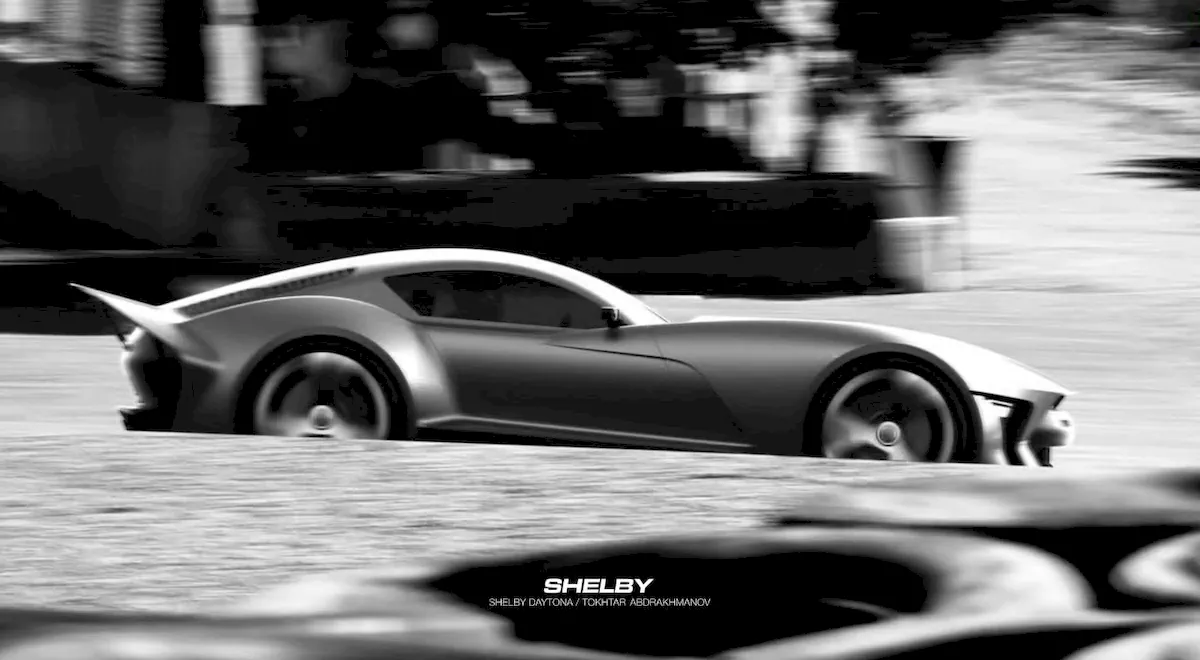
Notably, the developers chose not to abandon the gasoline engine in favor of full electrification, despite recent industry trends. According to AC Cars, the sound and character of a classic V8 are inseparable from the Shelby Daytona’s DNA. Engineers promise that the new engine will be both powerful and more efficient, with emissions kept as low as possible for its class.
Industry experts point out that the return of the Daytona isn’t just another retro revival, but an attempt to redefine the role of classic sports cars in the age of electrification. Many enthusiasts look back fondly on a time when sports cars weren’t just fast, but charismatic — machines with a distinct personality. Specialists believe the new Daytona could revive that spirit without compromising modern safety and comfort standards.
For now, the project exists in the form of virtual prototypes, but interest is already intense. Fans are dissecting every design detail, debating how much modern technology belongs in a classic body, and eagerly awaiting the first track tests. AC Cars says the production version will closely mirror the concept, with a limited production run — a detail that only heightens interest among collectors.
Still, not everyone shares the excitement. Some analysts argue that attempts to revive the past are doomed in a world increasingly dominated by electric vehicles and autonomous systems. Yet for many, the Shelby Daytona is more than just a car — it’s a symbol of an era, and its return is seen as a direct challenge to modern automotive trends.
Regardless of how the new coupe ultimately fares, one thing is clear: the Shelby Daytona has once again become a subject of heated discussion. Its reinvention forces enthusiasts and industry watchers alike to reflect on the future of sports cars — and whether a legend can truly adapt to a new set of rules, or remain a beautiful reminder of motorsport’s golden age.
You may also be interested in the news:
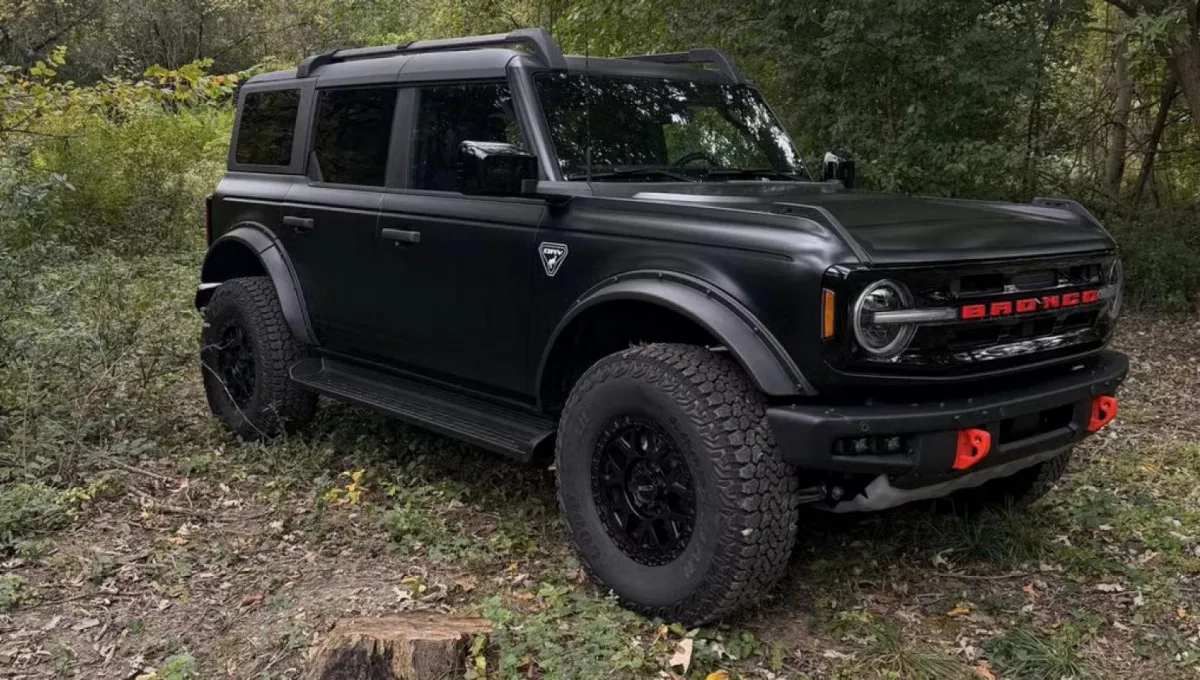
Ford Created an ORV Package for the Bronco: A Weird Name, a Big Price Tag, and Serious Off-Road Gear
Ford has expanded Bronco customization options through its Custom Garage program, adding an expensive new off-road accessory package.
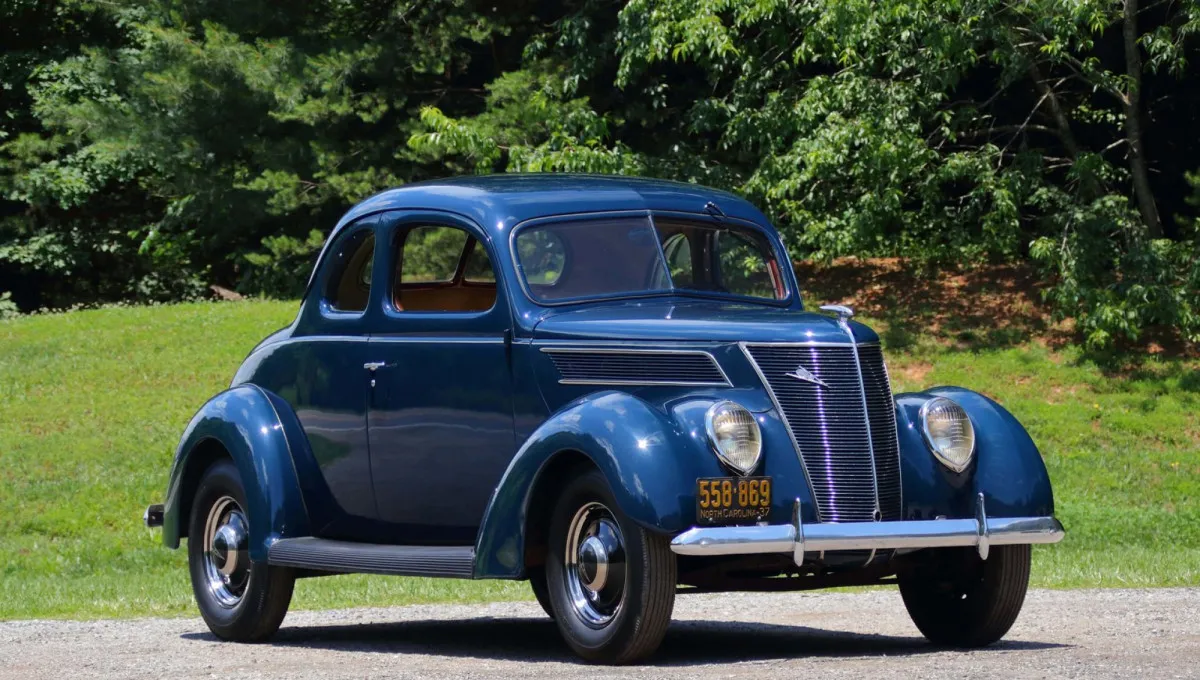
The 1937 Ford Was a Quality Car at an Affordable Price — Here’s What Made It Stand Out
The 1937 Ford featured several major changes and improvements. Let’s take a closer look.
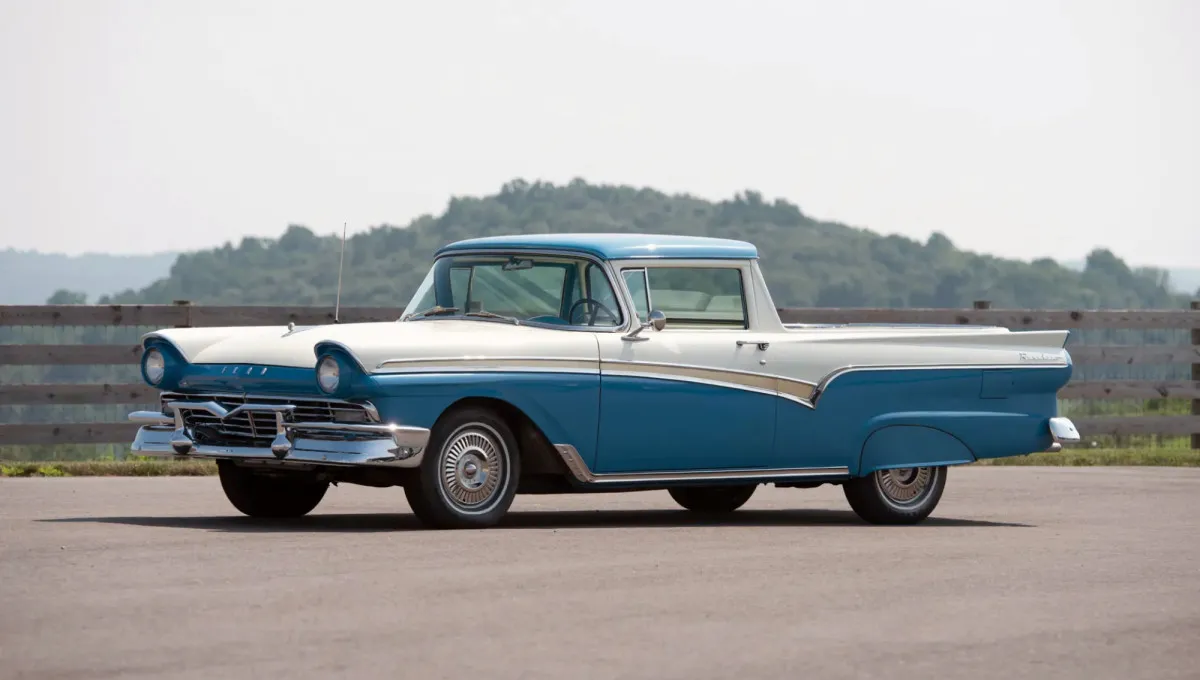
More Than a Car! More Than a Truck! The 1957 Ford Ranchero
The 1957 Ford Ranchero launched a new kind of American vehicle, blending passenger-car styling with pickup-truck utility years before the segment took off.
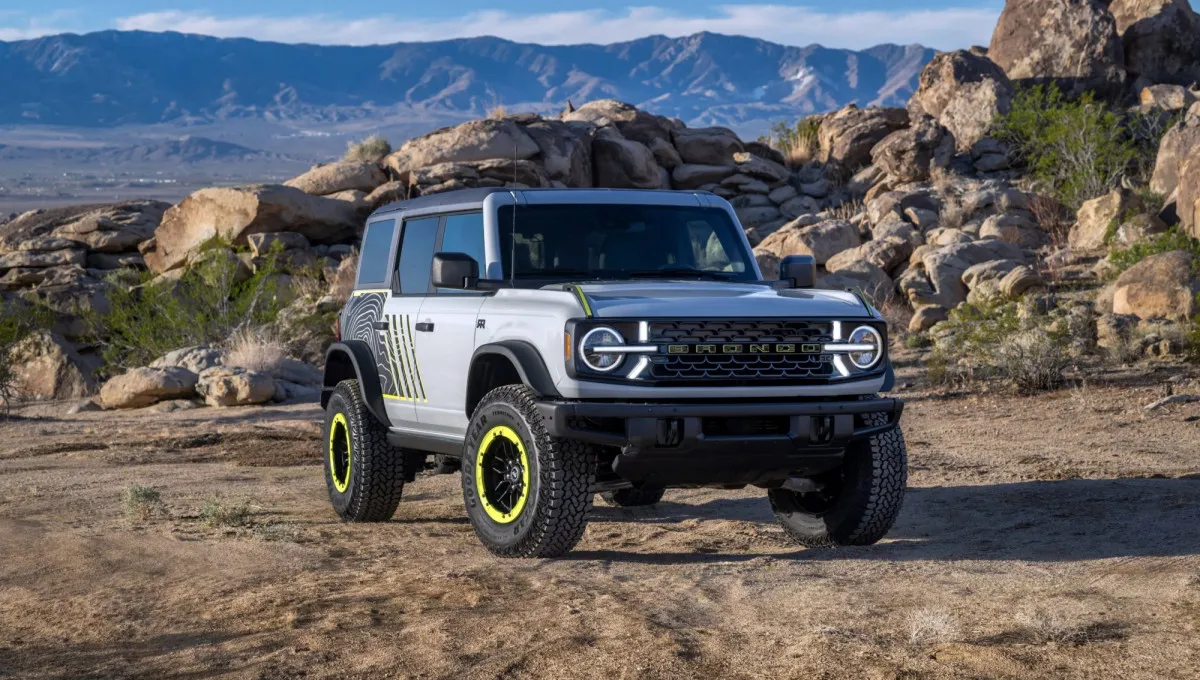
2027 Ford Bronco RTR Priced From $50,495—Undercuts Bronco Raptor by $31,500
Ford has set the starting price for the 2027 Bronco RTR, with orders expected to open later this year.
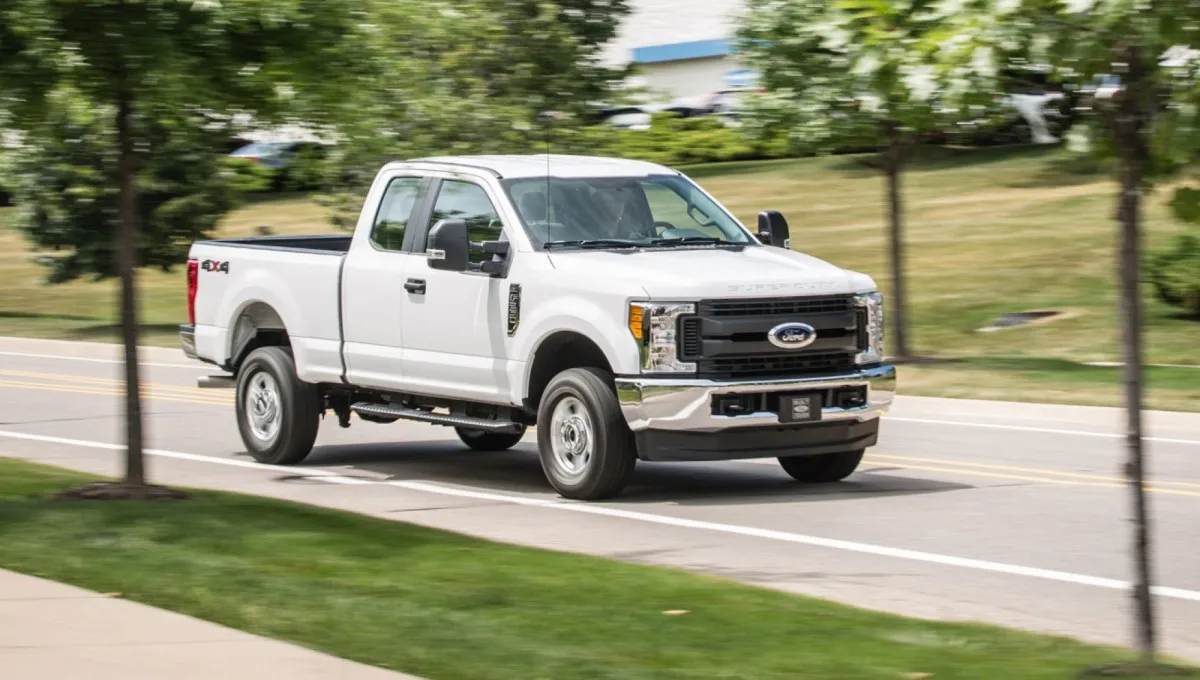
41,748 Ford SUVs and Trucks Recalled—Your Headlights Could Suddenly Stop Working
Ford recalls 41,748 vehicles after contaminated LED chips threaten required headlight performance on newer models.