
Five Underrated Japanese “Sleeper” Cars of the 1980s
Often overlooked: little-known Japanese models from the ’80s that car enthusiasts tend to ignore.
In the 1980s, Japanese automakers produced a number of cars that looked unassuming at first glance but were surprisingly capable and powerful. These so-called “sleepers” never achieved mainstream fame, yet they can still impress even seasoned JDM fans. Here’s why they stayed under the radar—and why they deserve far more attention today.
During the 1980s, Japan built plenty of cars that didn’t stand out visually but delivered exceptional performance. Known as sleepers, they wore modest exteriors while packing serious potential. Although respected within JDM circles, the broader public largely overlooked them.
Unlike today’s performance cars with aggressive body kits and flashy lighting, Japanese engineers in the ’80s favored restraint. Beneath plain sheet metal were often advanced engines, sophisticated suspensions, and clever engineering solutions capable of rivaling far more famous competitors.
The main reason these cars were underestimated was their anonymity. They looked like ordinary family sedans or hatchbacks, yet under the hood were turbocharged engines, advanced drivetrains, and innovative tech. For many owners, that was part of the appeal: strong performance without drawing unwanted attention.
Standout examples of underrated Japanese sleepers:
-
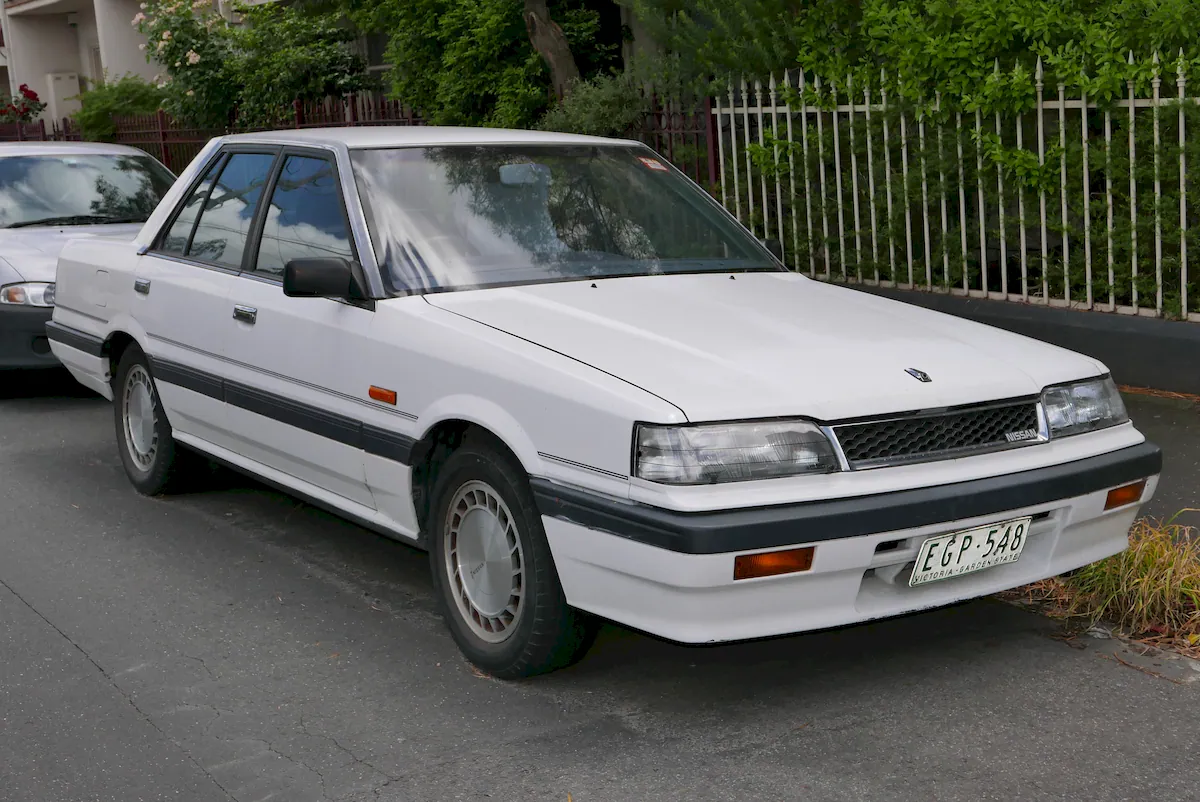
Nissan Skyline R31
The predecessor to the legendary GT-R. Turbocharged versions offered excellent handling and reliability, wrapped in a clean, understated design. -
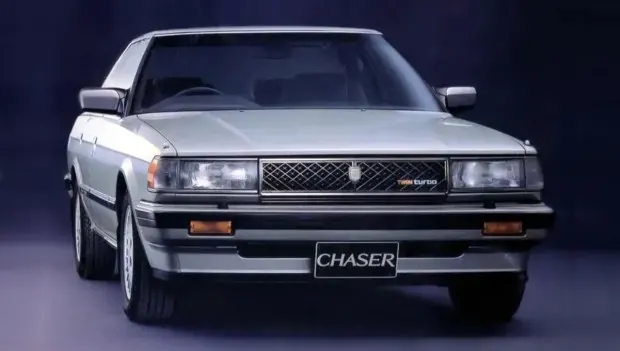
Toyota Chaser (GX71)
A perfect blend of executive-class comfort and sports-sedan capability. Ordinary on the outside, but full of character underneath. -
Honda Accord Aerodeck
In Europe, a practical wagon; in Japan, a model available with powerful engines and a distinctly sporty feel. -
Mazda Familia GT-X
A compact hatchback with all-wheel drive and a turbocharged engine, capable of surprising owners of far more expensive cars. -
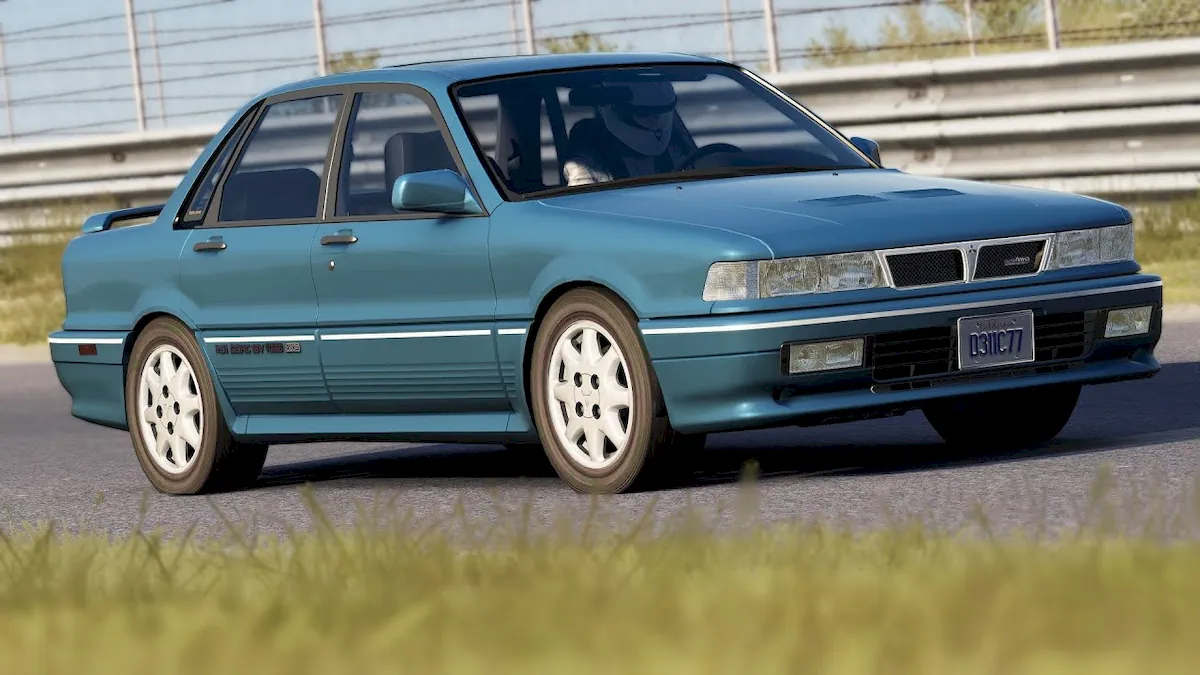
Mitsubishi Galant VR-4
The foundation for Mitsubishi’s future rally success, yet in the ’80s it remained overshadowed by flashier rivals.
Today, these cars are becoming increasingly rare, and their value among collectors and enthusiasts continues to rise. Many have survived in excellent condition thanks to high build quality and careful ownership. At the same time, they often remain more affordable on the used market than their better-known counterparts, making them an attractive option for buyers seeking something unique.
Interest in Japanese sleepers is clearly making a comeback. Collectors in Europe and the U.S. are paying closer attention, recognizing the massive potential hidden behind their modest looks. For many, these cars offer not just individuality, but a connection to an era when engineering came first—and marketing came second.
You may also be interested in the news:
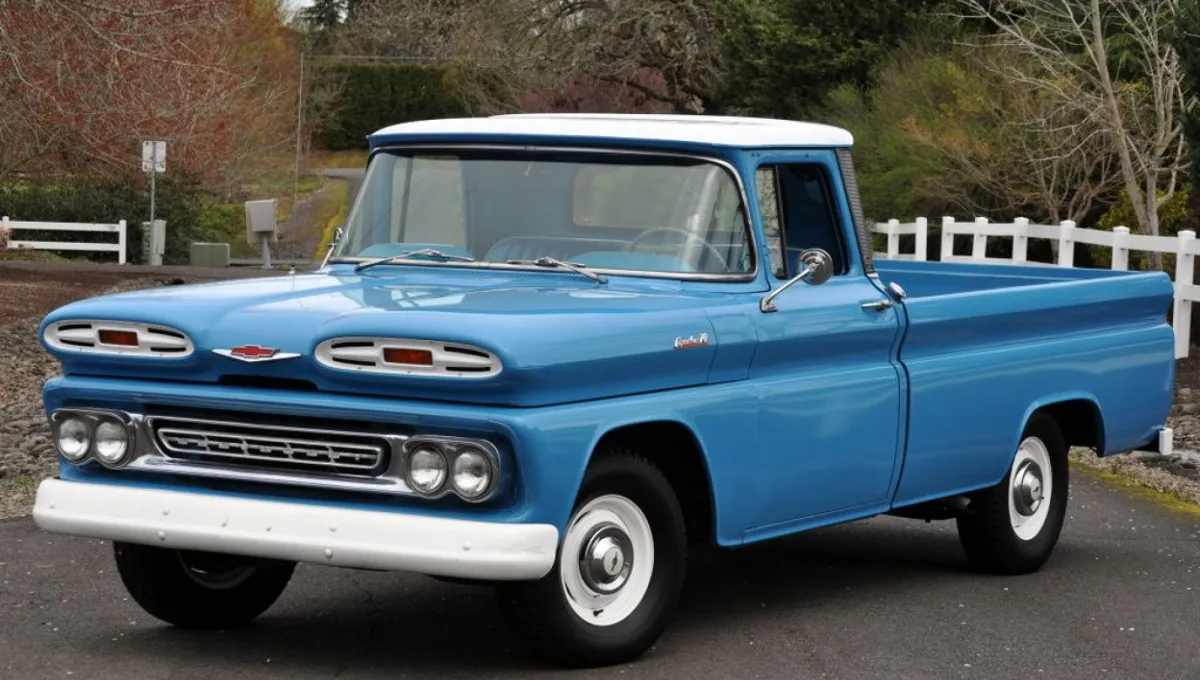
The 1960 Chevrolet Pickup: The Biggest Thing to Happen to Trucks Since Trucks Were Invented
Chevrolet unveiled an all-new pickup for 1960, calling it “the most important news since trucks came into being!”
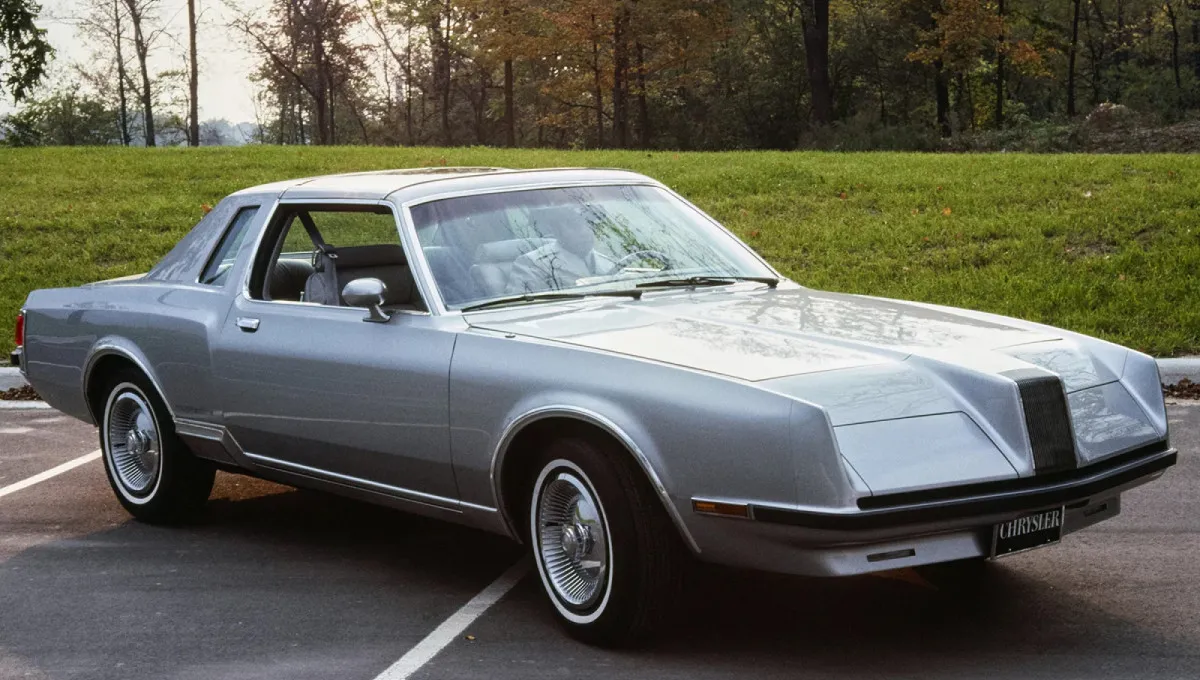
The 1977 Chrysler LeBaron Turbine: The Final Chapter of a 25-Year Experiment
Chrysler's 1977 LeBaron Turbine concept showcased decades of gas turbine research, but financial troubles ultimately brought the ambitious program to an end.
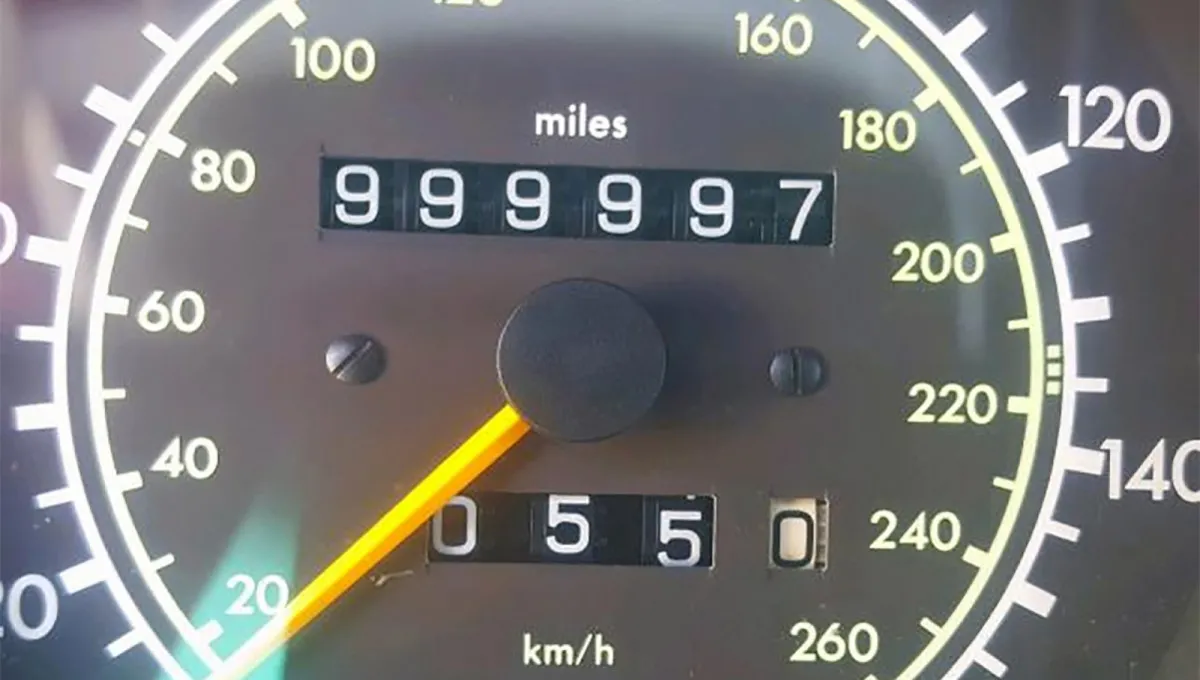
These 8 Cars Went Over 1 Million Miles — They Just Don’t Build Them Like They Used To
Some cars outlast generations of owners, proving that careful maintenance and durable engineering can deliver extraordinary mileage.
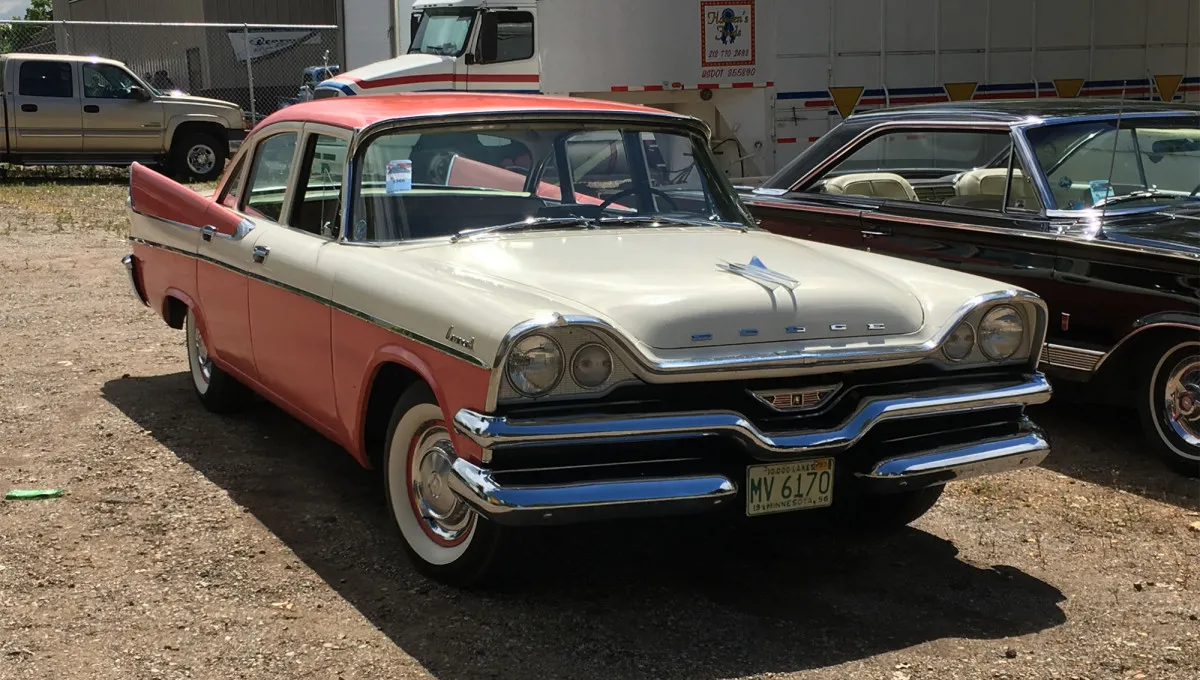
The 1957 Dodge: How “Autodynamics” Shaped One of Detroit’s Boldest Designs
The 1957 Dodge Looked Like a Dream Car, but Its Biggest Flaw Was Hiding Beneath the Surface.
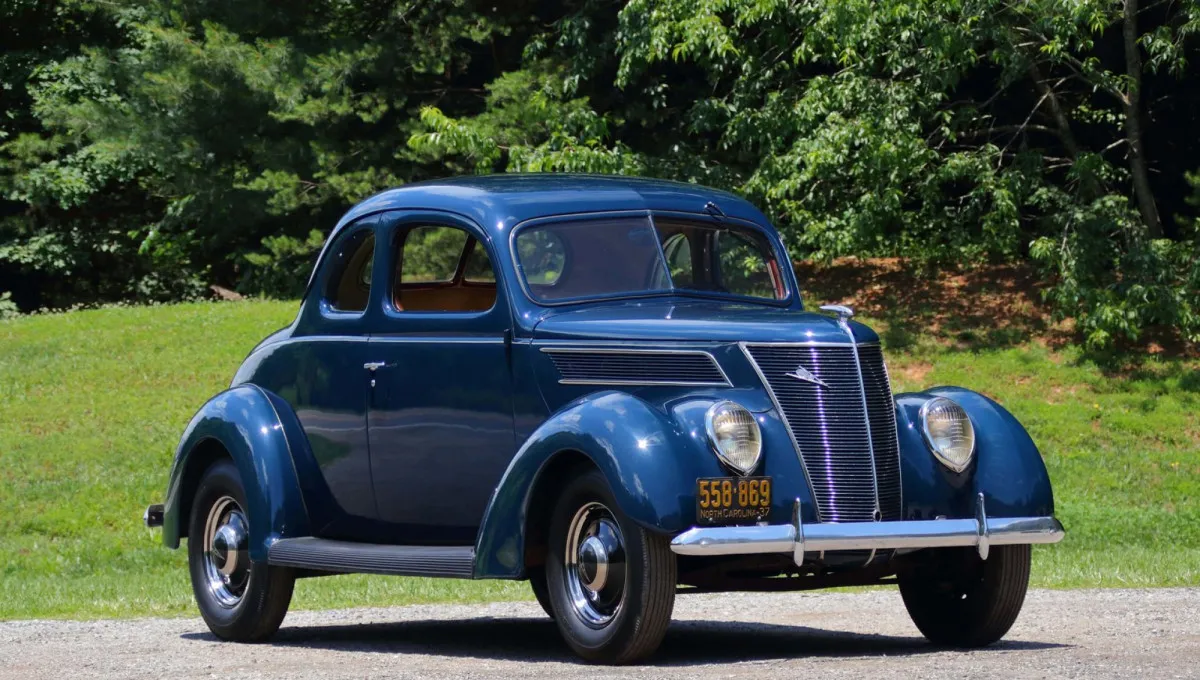
The 1937 Ford Was a Quality Car at an Affordable Price — Here’s What Made It Stand Out
The 1937 Ford featured several major changes and improvements. Let’s take a closer look.