
U.S.–Iran War Pushes Oil Prices Higher: Detroit’s Pickup and SUV Strategy Could Face New Challenges
Rising oil prices from the U.S.-Iran war could reshape what Amercans buy from Detroit automakers.

Detroit automakers — Ford Motor Company, General Motors, and Stellantis — are closely watching the growing conflict between the United States and Iran. The reason isn’t vehicle sales in the Middle East. Instead, the real concern is oil — and how rising fuel prices might influence what Amercans choose to drive in the months ahead.
The conflict has already disrupted parts of the global crude supply chain, pushing both oil and gasoline prices higher. If the situation drags on, it could begin shaping buying habits in the U.S. auto market.
Oil Prices Are the Real Risk for Detroit
For Detroit’s Big Three, the biggest threat isn’t geopolitics itself — it’s the cost of fuel. With several tankers unable to safely move through the critical Strait of Hormuz, crude prices have jumped past $100 per barrel for the first time in about four years.
Around 20 million barrels of oil move through that narrow shipping lane every day. That represents roughly one-fifth of the world’s seaborne crude supply. If disruptions continue, analysts expect crude prices to climb even further, which would eventually push gas prices higher for U.S. drivers.
Automakers such as Ford, GM, and Stellantis still rely heavily on large pickup trucks and SUVs for profits — vehicles that generally deliver lower fuel economy compared with smaller cars or hybrids.
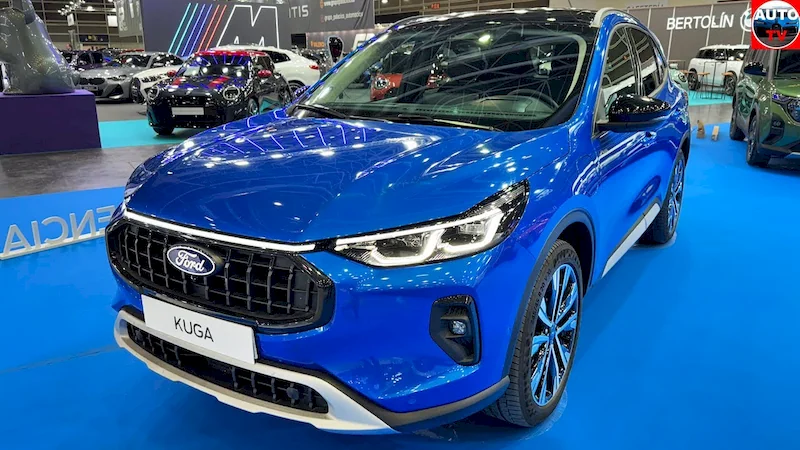
A sustained spike in gasoline prices could soften demand for those models and put pressure on overall sales. In past cycles, sharp fuel price increases pushed buyers toward smaller vehcles, hybrids, and electric models. For Detroit, which earns a big share of its profits from gasoline-powered trucks and SUVs, that kind of shift could be painful if it happens quickly.
For now, the war between the United States and Iran has little direct effect on Detroit’s automakers. But if oil prices stay elevated for an extended period, the impact could start showing up in the showroom. Higher fuel costs tend to steer buyers toward hybrids and EVs — a transition that may help some brands while creating fresh challenges for others.
You may also be interested in the news:
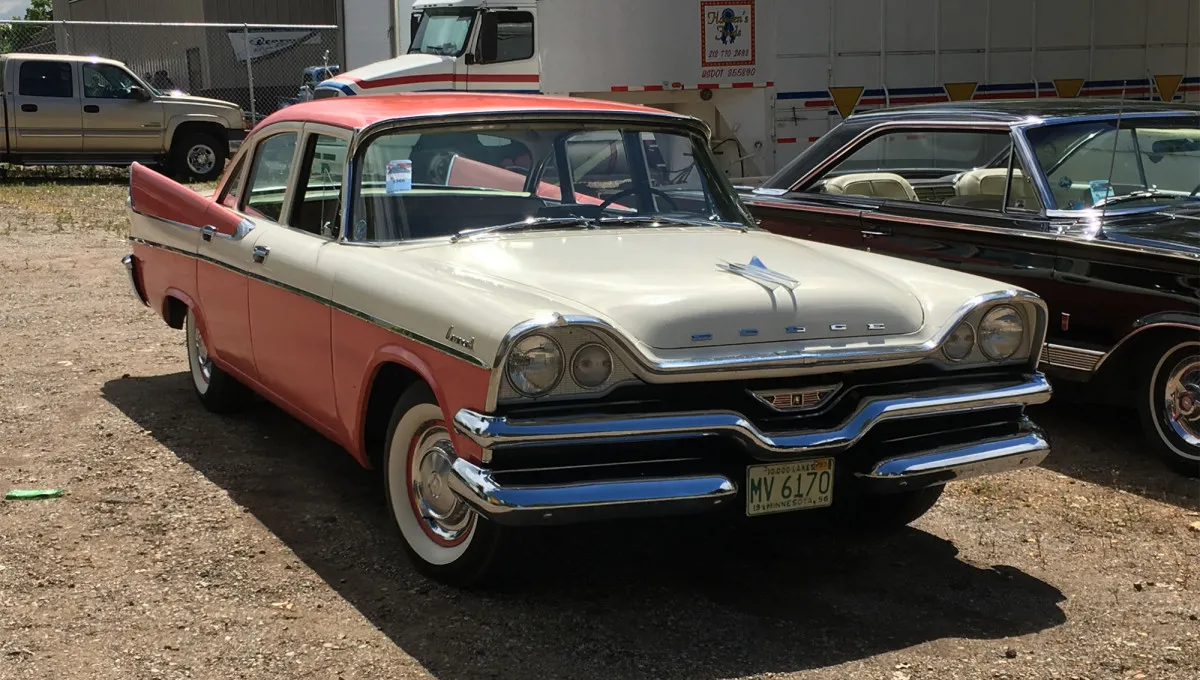
The 1957 Dodge: How “Autodynamics” Shaped One of Detroit’s Boldest Designs
The 1957 Dodge Looked Like a Dream Car, but Its Biggest Flaw Was Hiding Beneath the Surface.
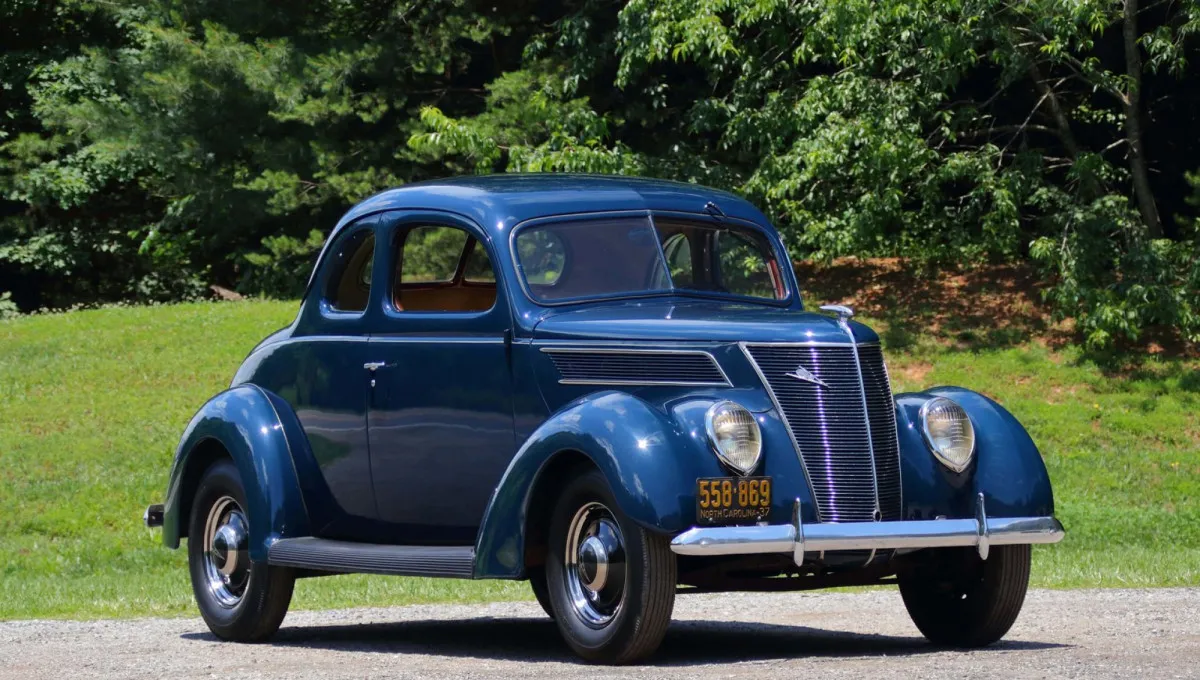
The 1937 Ford Was a Quality Car at an Affordable Price — Here’s What Made It Stand Out
The 1937 Ford featured several major changes and improvements. Let’s take a closer look.
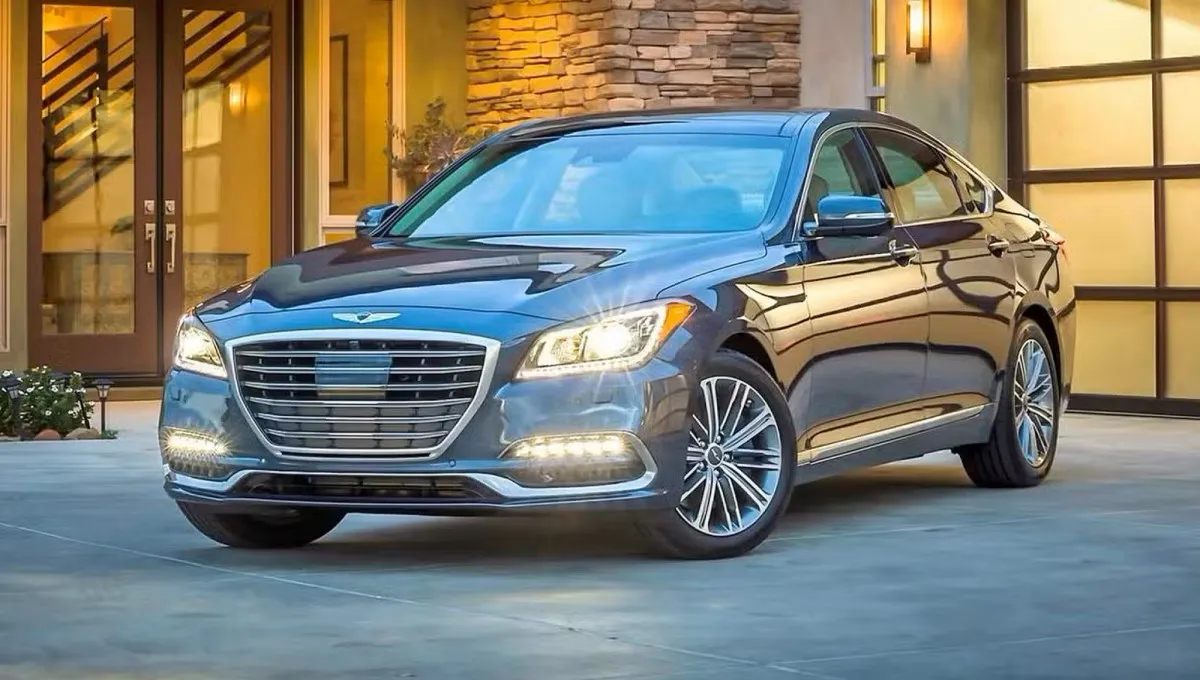
Hyundai Recalls Nearly 95,000 Genesis Sedans Over Fire Risk From Power Seats
Hyundai is recalling 94,622 Genesis sedans after a faulty power seat switch was linked to overheating and potential vehicle fires.
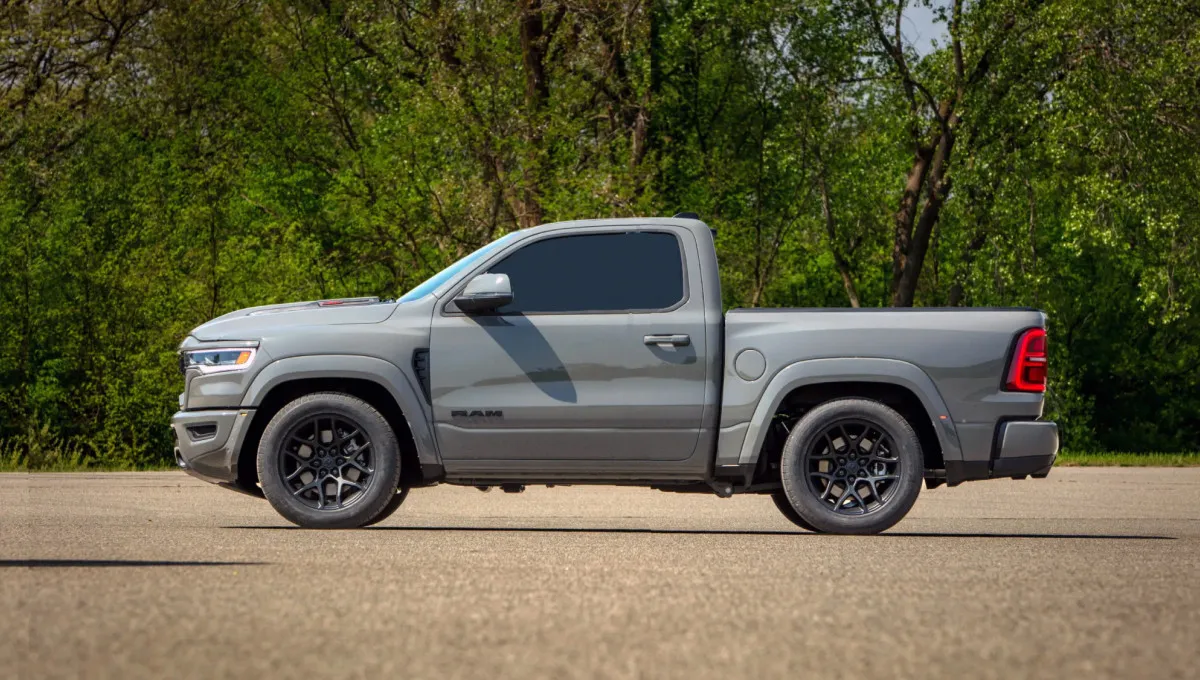
2027 Ram 1500 Rumble Bee: Pricing, Options and How to Build Yours
The 777-HP Ram Rumble Bee Is Coming — But You Can Buy the New Hemi Truck Now
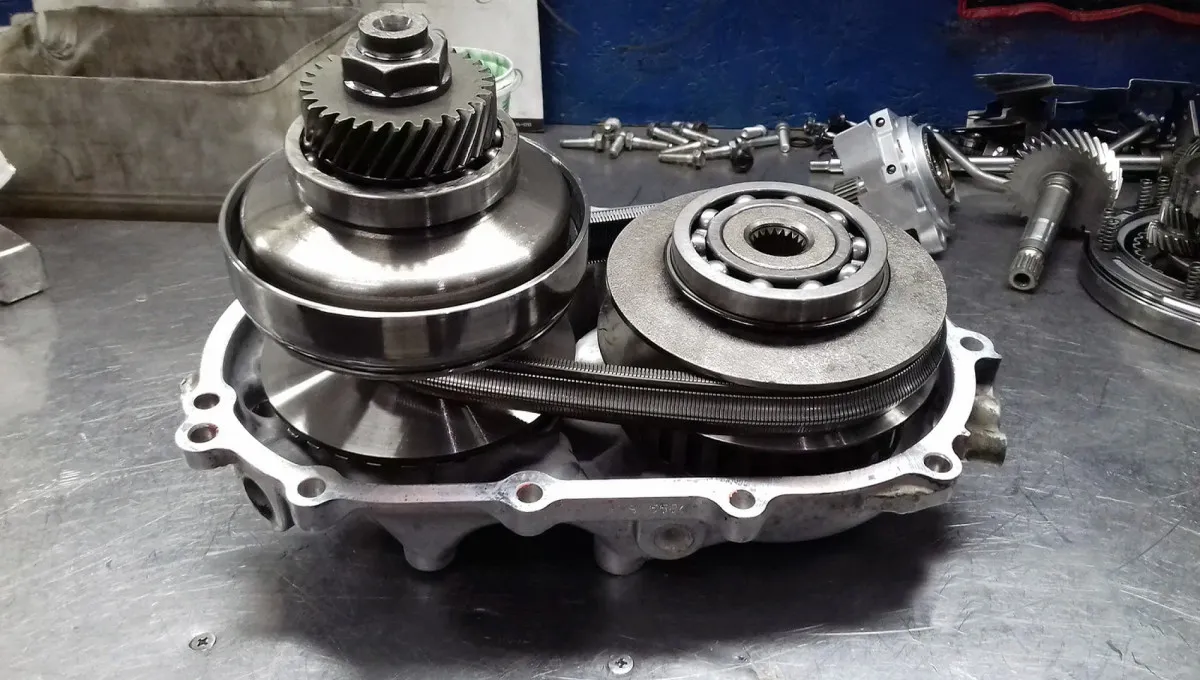
Why Experienced Drivers Still Warn Against Buying a Used Car With a CVT
CVTs offer smooth acceleration and good fuel economy, but expensive repairs and durability concerns make used models risky.