
The Hot Pedal Debate: Why Some American Drivers Kick Off Their Shoes Behind the Wheel
A closer look at why some drivers take their shoes off while driving—and what the research says about it.

As warm weather returns, car forums and driver communities across the internet reignite a surprisingly heated debate over a seemingly simple question: is it okay to drive barefoot—or in flip-flops?
Our editorial team recently joined several of these discussions. After reviewing forum conversations and user-submitted data, the editors at Auto30.com conducted a small analysis of the topic. The results suggest the practice isn’t widespread, but it does happen: roughly 1% of surveyed drivers admitted they sometimes remove their shoes while driving for various reasons.
Heat, Comfort, and the Temptation to Go Barefoot
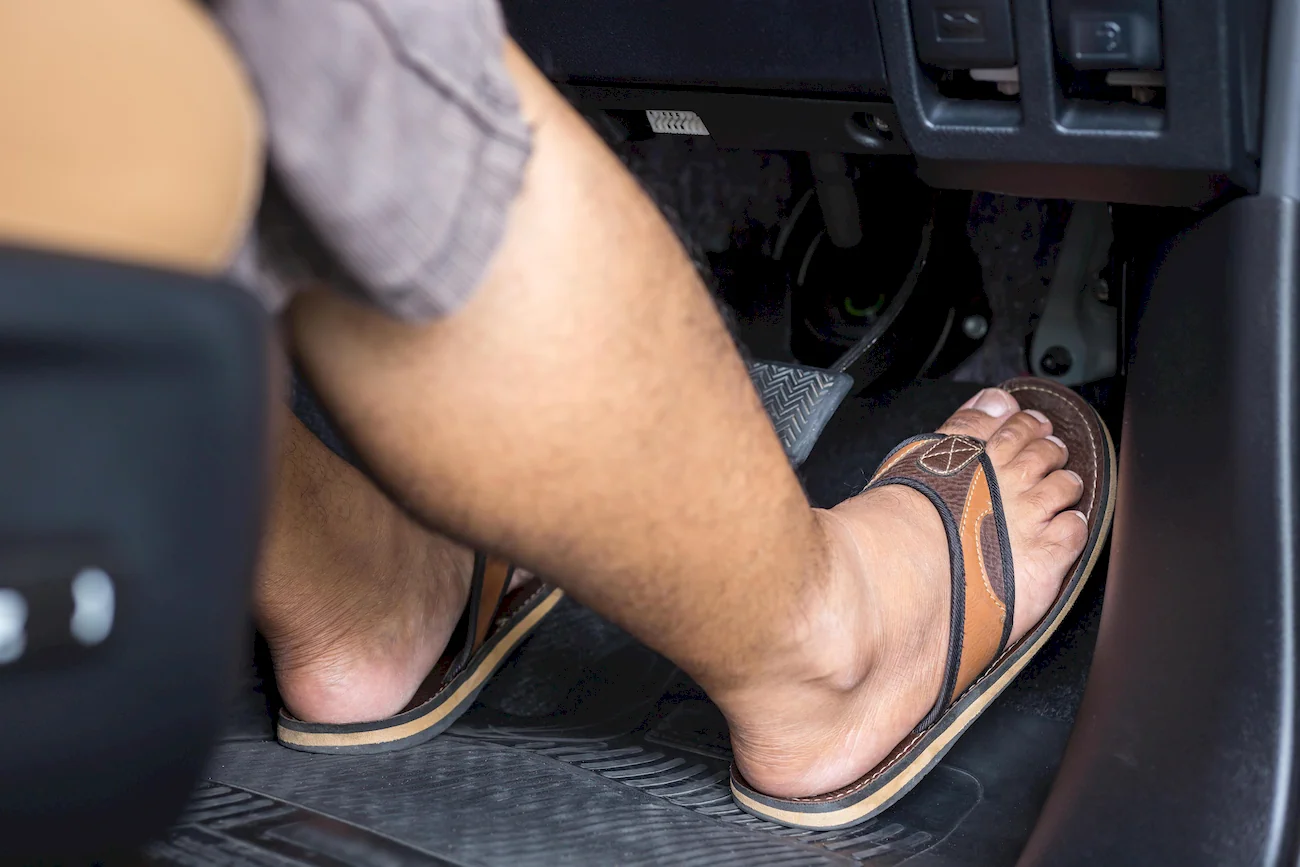
Summer heat often pushes drivers to rethink comfort inside the car. Many say they kick off their shoes as soon as they get behind the wheel—especially after leaving the beach or while sitting through long traffic jams.
The reasoning is simple: feet need to breathe, and tight shoes can become distracting during long drives. On automotive forums, however, users often point out that the search for comfort can occasionally drift into risky territory.
Comfort vs. Safety
Supporters of barefoot driving frequently argue that direct contact with the pedals offers better control. Some drivers say a bare foot allows them to feel pedal pressure more precisely, helping them apply the throttle and brake more smoothly.
“Shoes should be comfortable and suitable for driving,” one motorist wrote in an online discussion. “But sometimes it’s honestly safer to drive barefoot than in high heels.”
That logic tends to hold—right up until something unexpected happens.
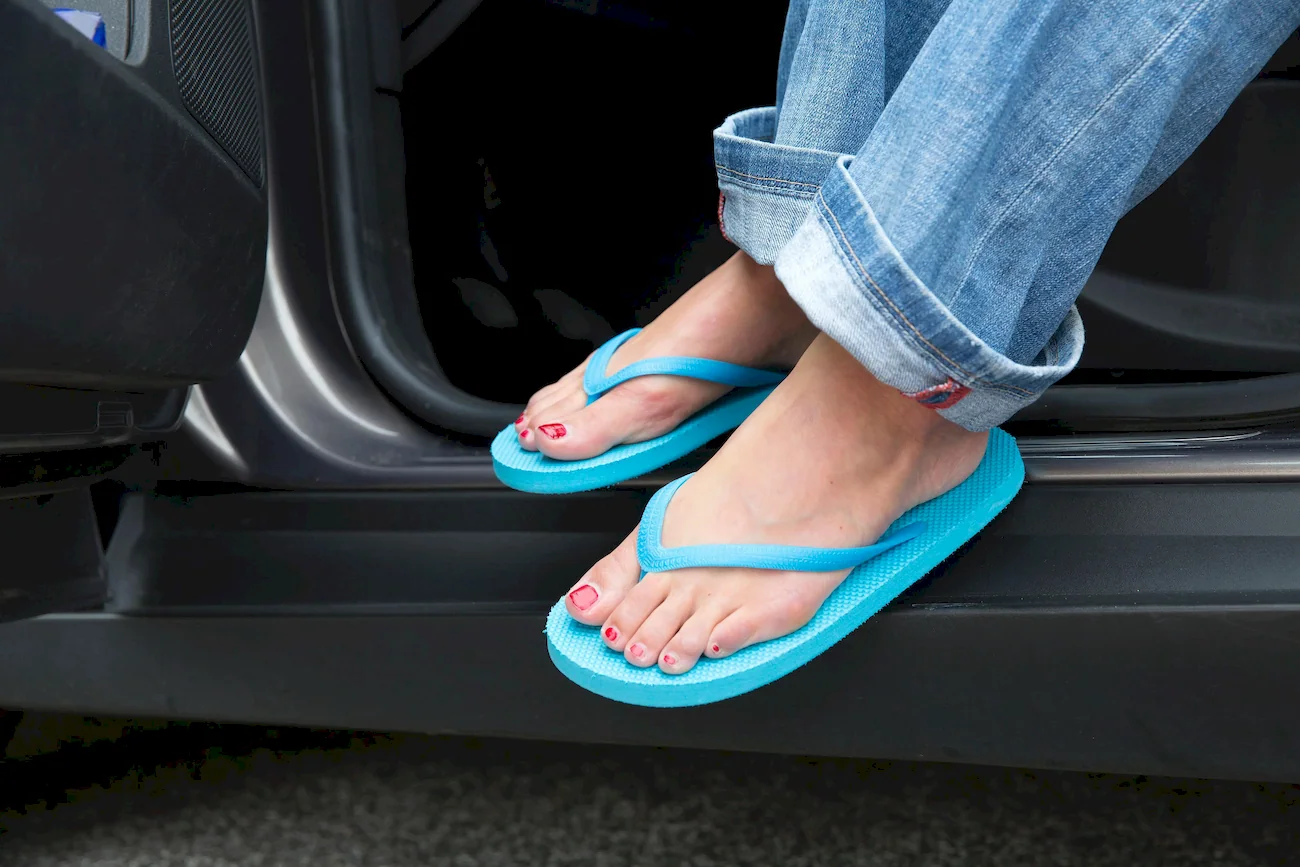
Data often cited in online discussions and attributed to research from Ford suggests improper footwear—or no footwear at all—can affect driver safety. One of the biggest offenders: beach flip-flops. They can easily slip off and wedge under a pedal, potentially blocking it at the worst possible moment.
The Cost of a Few Milliseconds
Drivers discussing the topic on Reddit frequently reference another eye-opening statistic. When footwear shifts on the foot—or when a driver has to reposition a bare foot—the average reaction time can slow by about 0.13 seconds.

At about 60 mph, that delay adds roughly 11 feet to a vehicle’s stopping distance. In real-world situations, those extra feet can easily mean the difference between a close call and a collision.
In the United Kingdom, for example, authorities reportedly link around 1.4 million accidents each year to inappropriate footwear while driving.
The Other Camp: Clean-Car Perfectionists
Not everyone who removes their shoes behind the wheel does it for comfort. Another group of drivers does it for an entirely different reason: keeping the interior spotless.
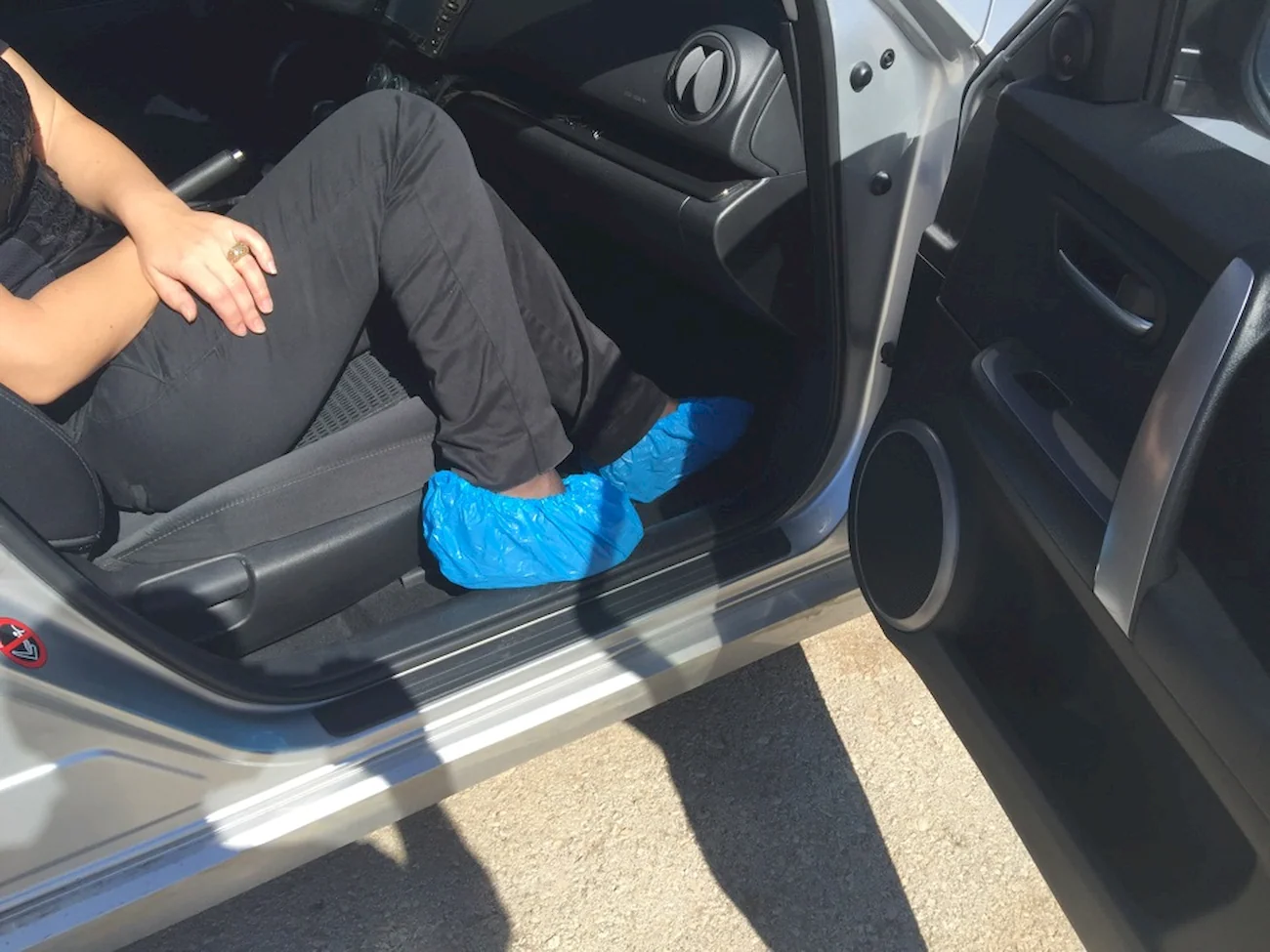
On car forums and personal blogs, thousands of posts come from meticulous owners who admit they switch into a separate pair of “driving shoes” as soon as they get into the car.
Street footwear, they say, tracks in sand, road salt, dirt, and small stones. Over time, those particles grind into the carpet and can even scratch interior plastics when drivers move their feet around.
Some drivers go so far as to keep a dedicated pair of sneakers or lightweight slippers in the car specifically for driving. Supporters of this habit say it keeps floor mats pristine and prevents outside odors from lingering in the cabin.
But even this tidy solution has a downside: shoes that are too bulky—especially those with thick soles—can dull the driver’s feel for the pedals.
What the Law Actually Says
Legal responsibility is another major point of discussion in U.S. driver communities.
At the federal level, there’s no law that explicitly bans barefoot driving. In fact, some states—including Alabama—have clarified that driving without shoes is legal.
Still, the absence of a specific ban doesn’t necessarily protect drivers if something goes wrong.
If a crash occurs and investigators or insurance companies determine that the driver was barefoot—or wearing unsafe footwear like flip-flops—it could potentially be interpreted as careless driving. In some states, including California, that detail could even become an aggravating factor during an investigation.
Insurance companies may also view the situation differently. Evidence that footwear contributed to the crash might raise questions about driver negligence and could affect claims or future premiums.
A Simple Solution
Many experienced drivers suggest a straightforward compromise: keep an extra pair of shoes in the car.
Even if you’re leaving the beach or heading home from an event, slipping into lightweight sneakers or thin-soled moccasins before driving takes only seconds—and can significantly improve pedal control.
Ideally, those “car shoes” should have non-slip soles and provide clear pedal feedback.
In the end, the urge to kick off uncomfortable shoes behind the wheel—or switch into a perfectly clean pair—is easy to understand. But when it comes to driving, safety often requires a bit more consideration than simply going barefoot on the pedals.
You may also be interested in the news:
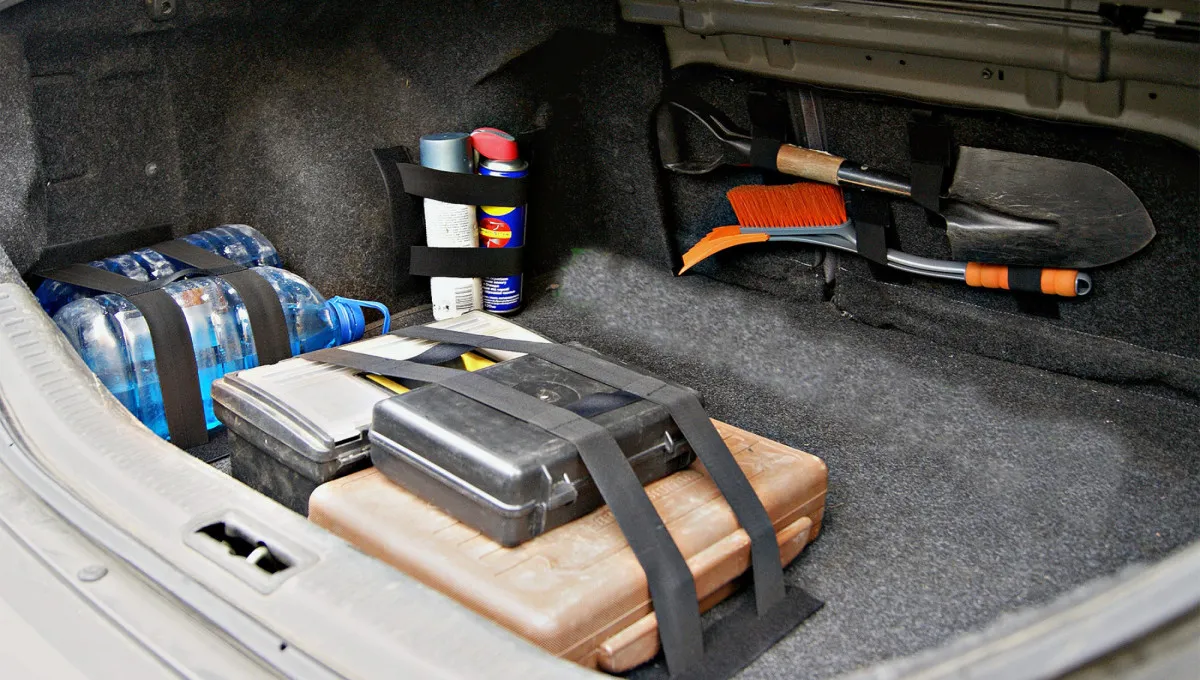
Cold Weather Can Leave You Stranded — 5 Things Every Driver Should Have in Their Car
The first hard freeze can catch drivers off guard. Here's what to keep in your vehicle and how to prepare your battery, tires, and fluids for colder weather.
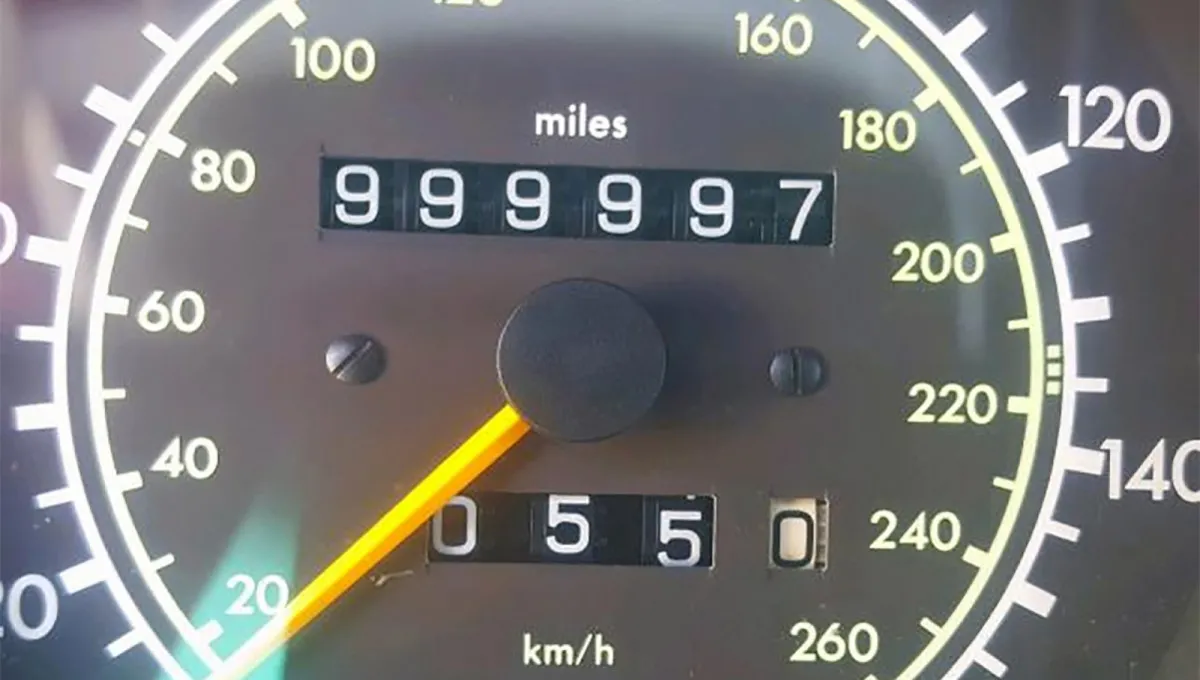
These 8 Cars Went Over 1 Million Miles — They Just Don’t Build Them Like They Used To
Some cars outlast generations of owners, proving that careful maintenance and durable engineering can deliver extraordinary mileage.
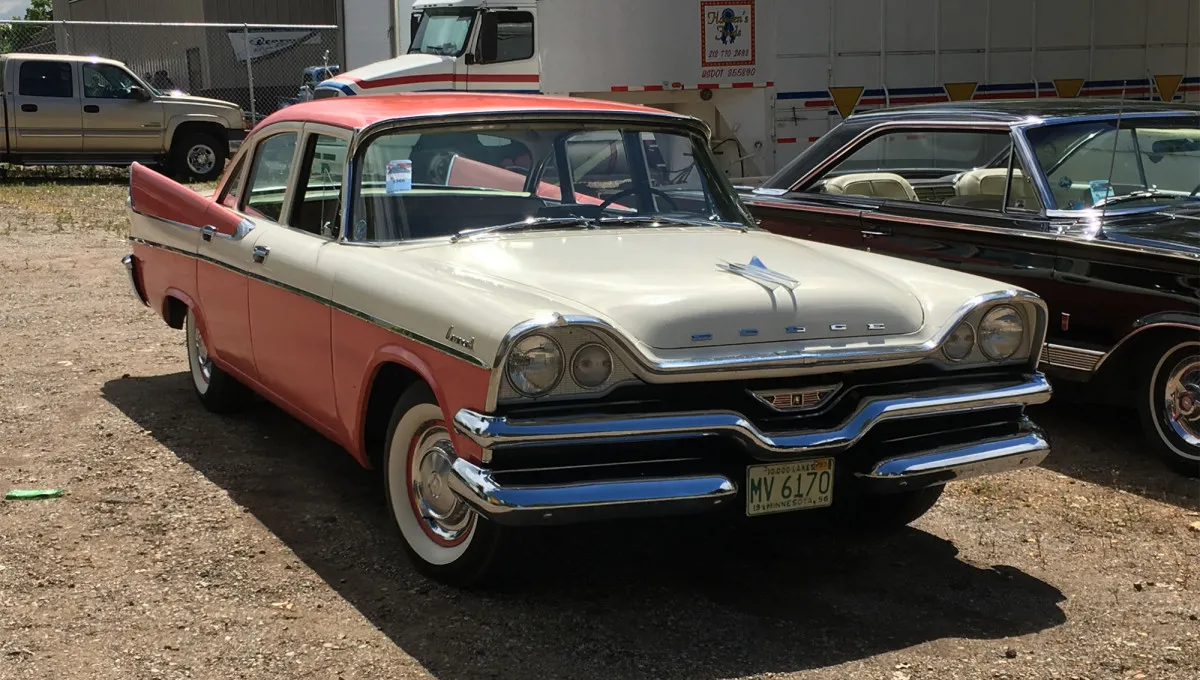
The 1957 Dodge: How “Autodynamics” Shaped One of Detroit’s Boldest Designs
The 1957 Dodge Looked Like a Dream Car, but Its Biggest Flaw Was Hiding Beneath the Surface.
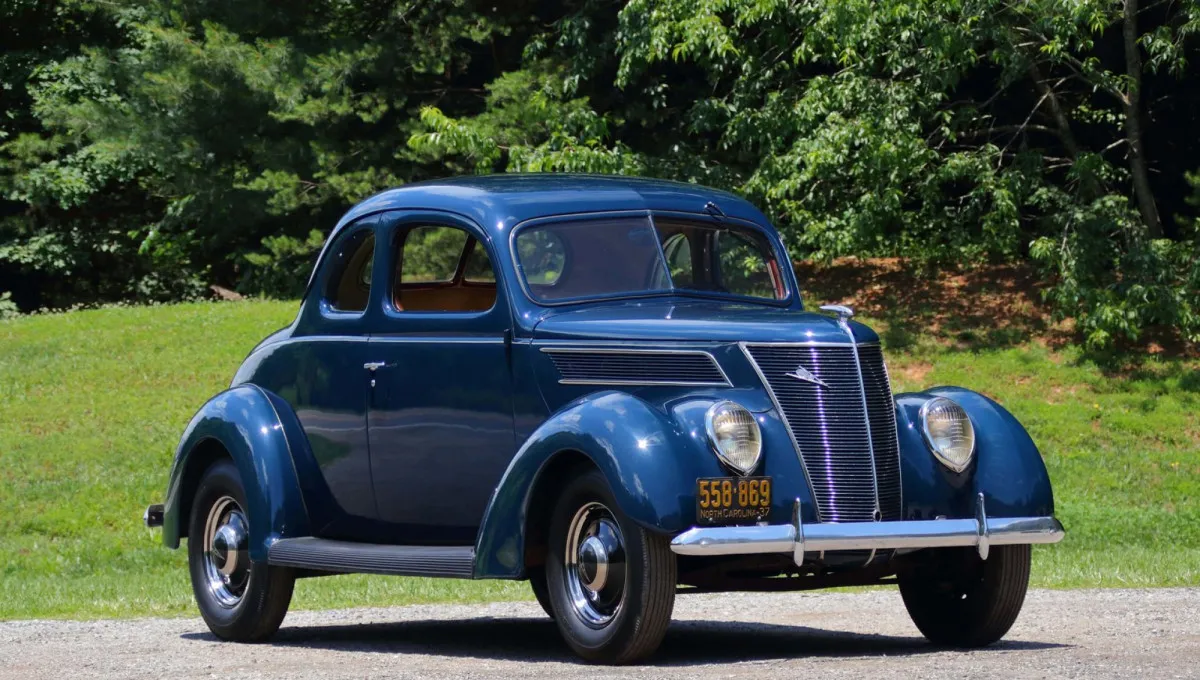
The 1937 Ford Was a Quality Car at an Affordable Price — Here’s What Made It Stand Out
The 1937 Ford featured several major changes and improvements. Let’s take a closer look.

Two Ferrari F40s Spotted on Google Maps Turn Out to Be Pontiac Fiero Replicas
Two Ferrari F40 lookalikes spotted on Google Maps in Spain turned out to be replicas built on an American sports car.