
Rising Gas Prices Highlight Toyota as the Most Fuel-Efficient Cars Across Multiple Segments
New real-world testing shows Toyota hybrids deliver the best fuel economy across nearly every major segment.

As oil prices climb worldwide, gasoline costs have been rising right along with them. That’s why fuel efficiency is once again becoming one of the most important topics in the auto industry. In this area, hybrid vehicles continue to play a leading role.
Automotive experts recently conducted real-world fuel economy tests on several hybrid models to determine which vehicles are the most efficient in their respective segments.
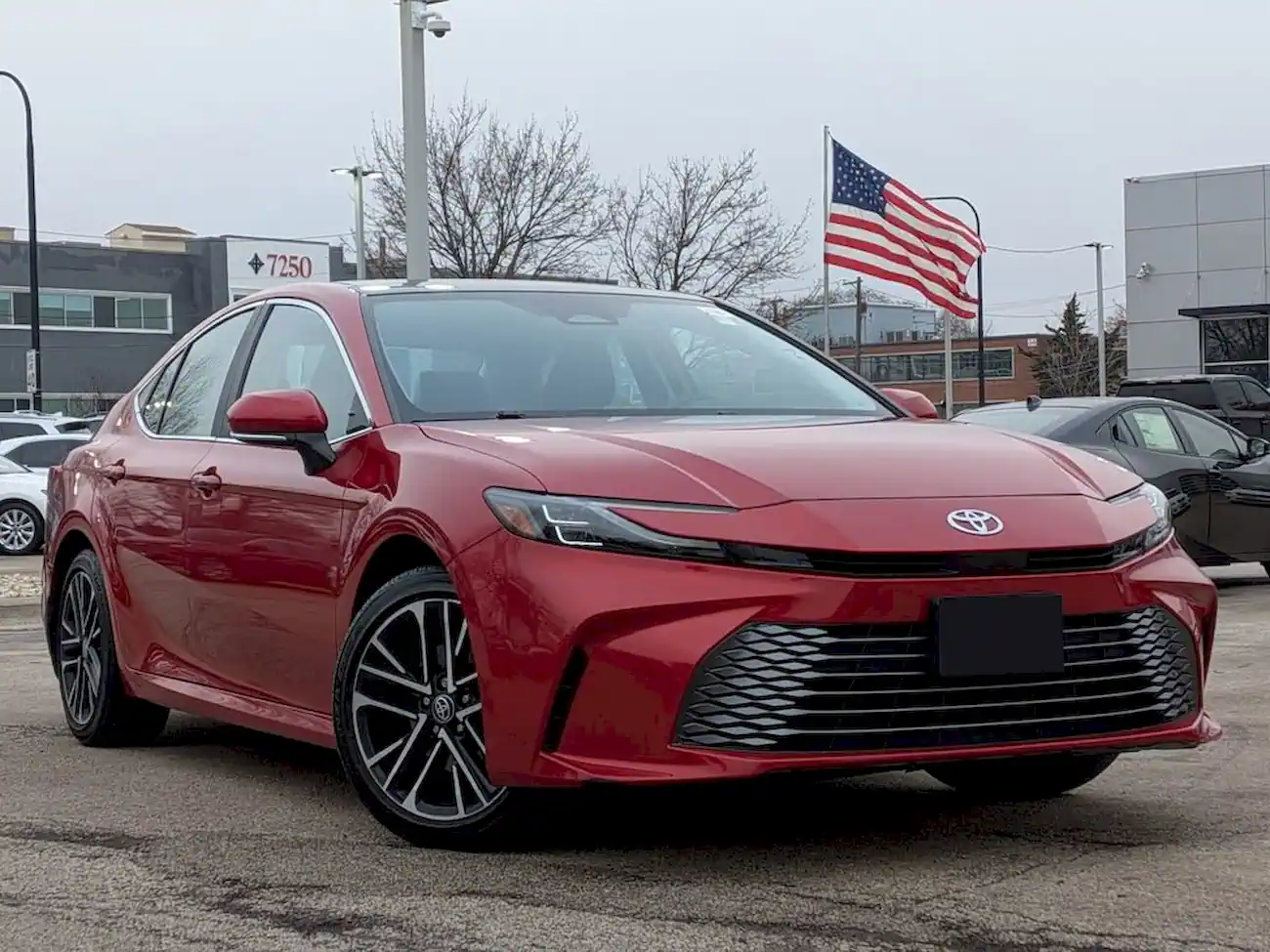
The vehicles went through two separate test cycles. The first involved highway driving in both directions at about 62 mph (100 km/h). Running the route both ways allowed testers to account for variables such as road conditions, wind speed, and wind direction.
The second test focused on city and suburban driving, simulating more complicated real-world traffic conditions, including frequent stops, slower speeds, and mixed road environments.
Afterward, the fuel consumption figures from highway and city testing were combined and averaged to determine the final efficiency results.
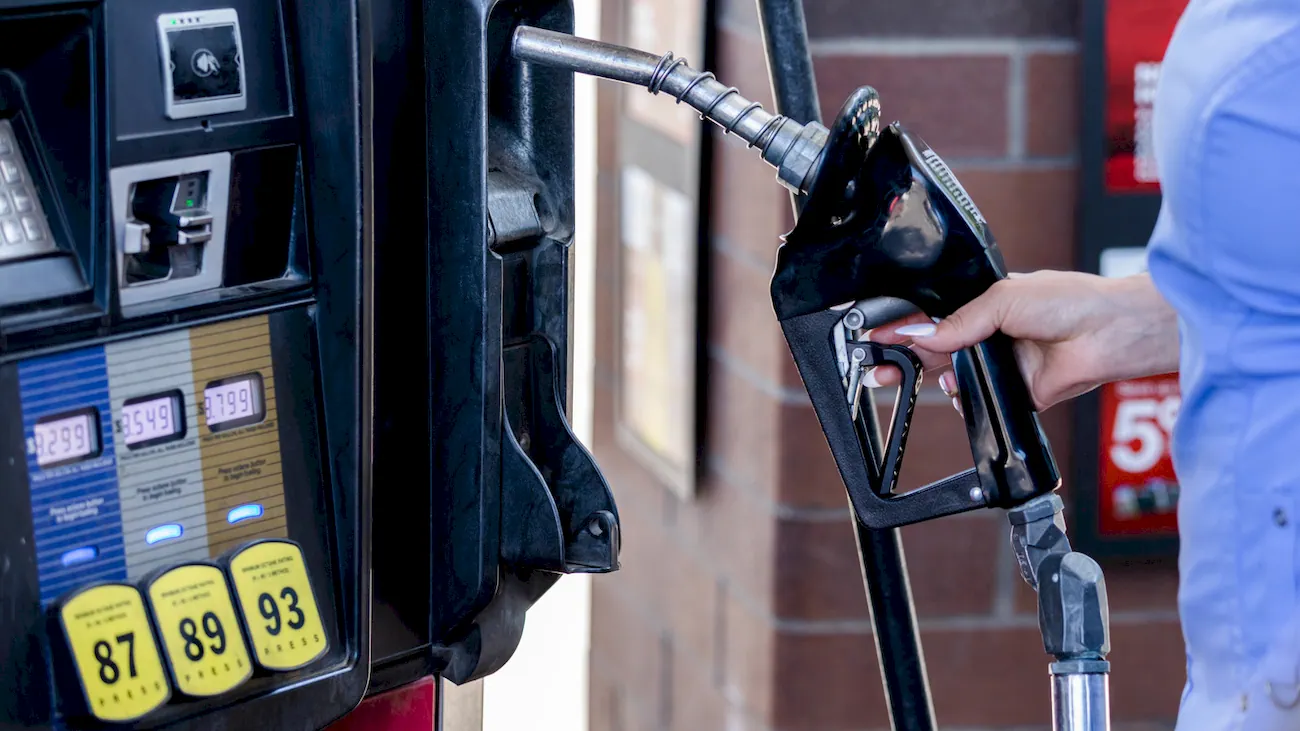
The list of the most fuel-efficient vehicles ended up looking like this:
- Toyota Prius — most efficient compact car (about 51 mpg combined).
- Toyota Camry — most efficient midsize sedan (about 48 mpg combined).
- Toyota Crown — most efficient full-size sedan (about 42 mpg combined).
- Toyota Corolla Cross — most efficient compact crossover (about 41 mpg combined).
- Toyota Crown Signia — most efficient midsize crossover (about 37 mpg combined).
- Toyota Highlander — most efficient large crossover (about 35 mpg combined).
- Toyota Sienna — most efficient minivan (about 36 mpg combined).
The results clearly show a single brand dominating the rankings. Across nearly every popular segment, the most fuel-efficient hybrid model turned out to be built by Toyota.
The company has been steadily expanding gasoline-electric hybrid technology throughout its lineup while also improving battery systems and overall drivetrain efficiency. Thanks to those updates, Toyota vehicles continue to deliver stronger real-world fuel economy compared with many competitors.
You may also be interested in the news:
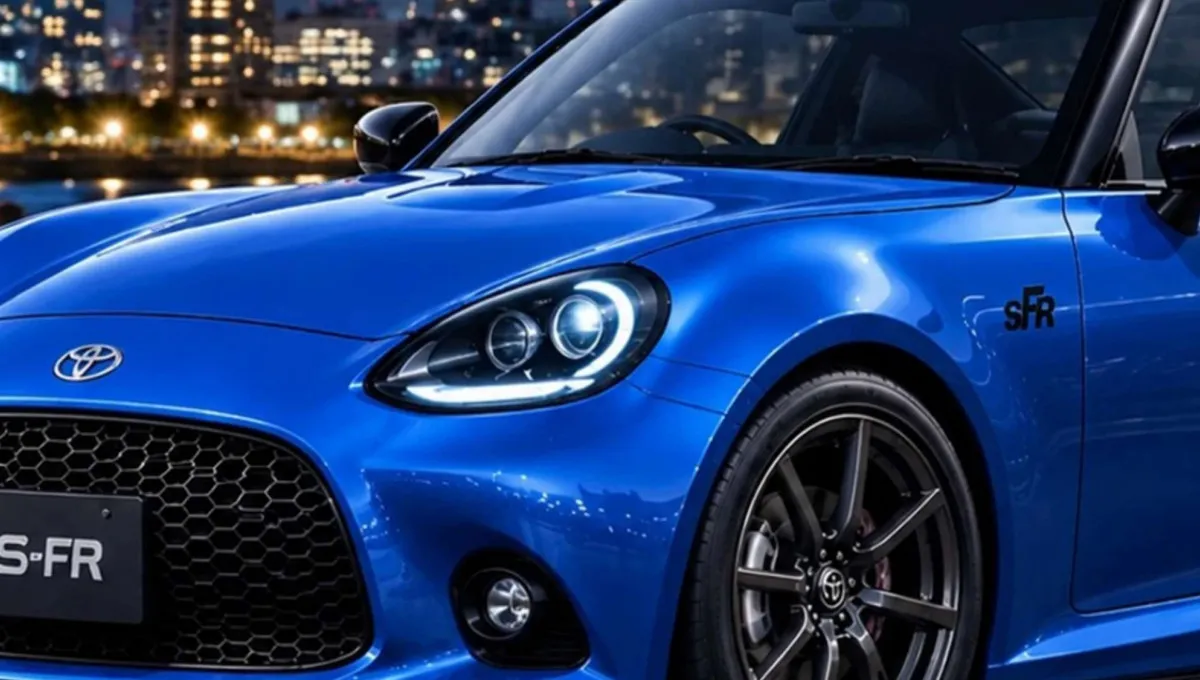
Toyota Could Build a Tiny, Affordable Sports Car With Just 64 Horsepower
Toyota’s long-rumored S-FR sports coupe could return in 2027 as a tiny, rear-wheel-drive kei car with a turbocharged engine.

Toyota Hilux BEV Gets Hit With a Falling Camper in a Top Gear-Inspired Test
Toyota's UK team recreated a famous Top Gear-style stunt by dropping a camper onto its new all-electric Hilux pickup.
Toyota Is About to Turn the GR86 Into a Very Different Sports Car
Next-generation Toyota GR86 is expected to replace its naturally aspirated engine with a turbocharged powertrain.
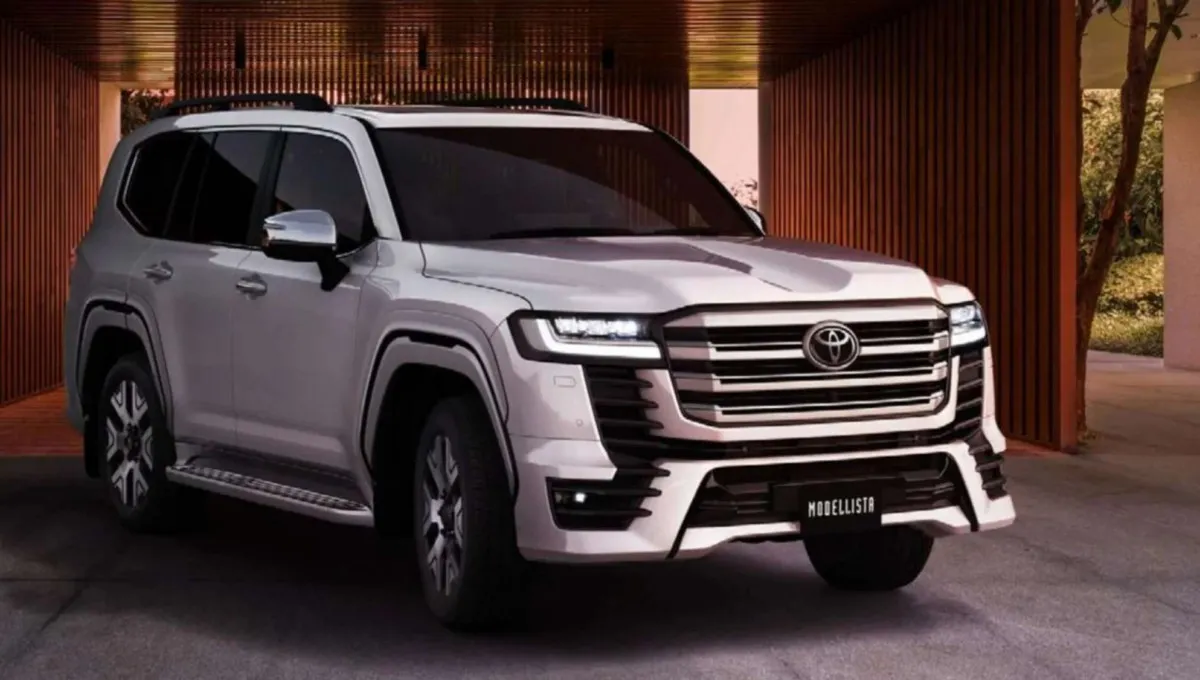
Toyota's Legendary Land Cruiser Just Got a Wild New Look — And Those 20-Inch Wheels Aren't Cheap
The updated Land Cruiser 300 looks tougher than ever after Toyota's Modellista division gave it a bold new appearance package.
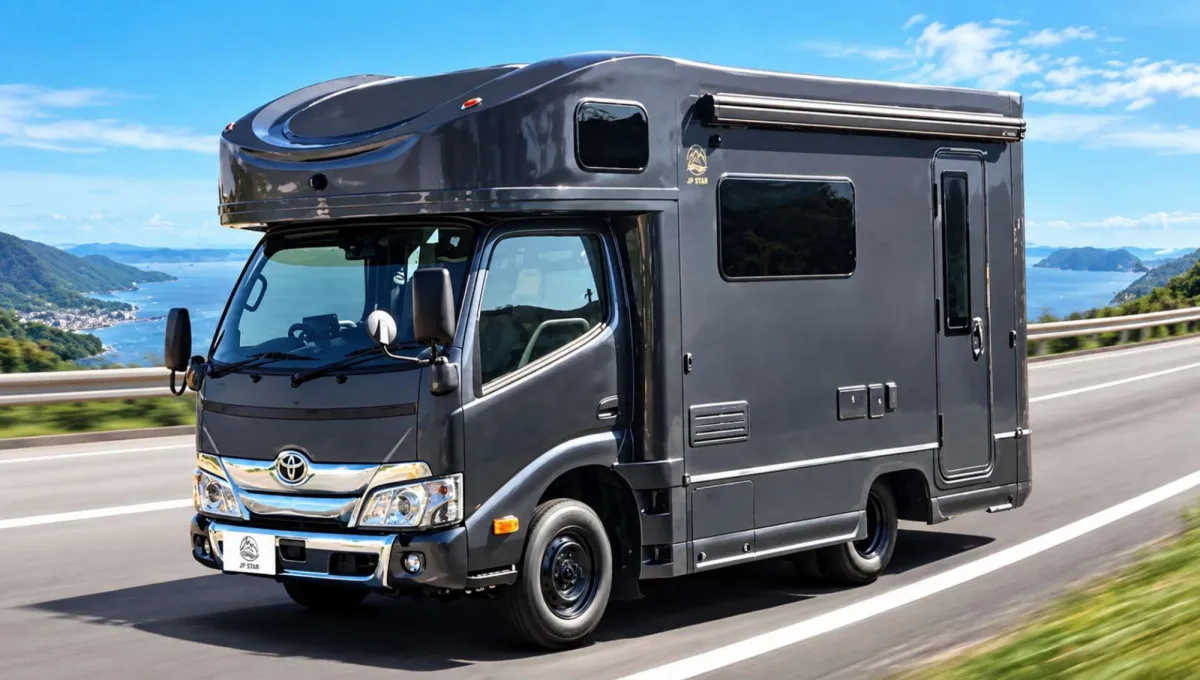
This Tiny Camper Has a Shower, Kitchen and Two Beds—And It Fits on a Small Truck
A new Japanese camper packs a living room, kitchen, shower and two sleeping areas into a compact package.