
New-Car Prices in the U.S. Stalled in February, Yet the Average Deal Still Hit $35,533
Despite stable sticker prices, incentives and shifting inventory continue shaping what American buyers actually pay.
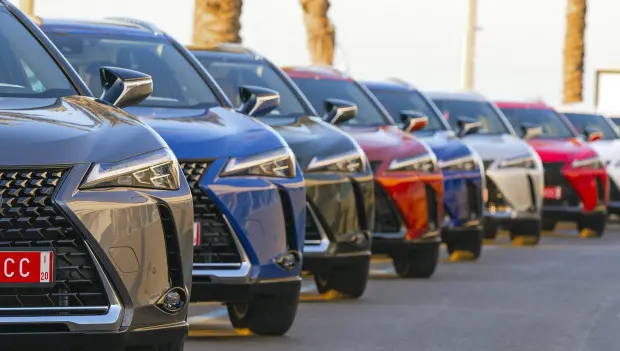
Recent industry reports reveal an interesting trend in the U.S. auto market. Even as global events push oil and gas prices higher, dealership showrooms have been slow to adjust sticker prices on new vehicles. On paper, pricing appears fairly stable. Yet buyers are still signing purchase contracts with hefty totals.
The explanation isn’t cheaper production costs. Instead, automakers have quietly returned to a familiar tactic—using financial incentives to keep sales moving. In many cases, manufacturers are effectively “putting money on the hood,” offering discounts and incentives so transaction prices don’t climb even higher.
Over the past year, the market has gradually returned to strategies common before the supply shortages of recent years. Automakers are again rolling out brand-funded discounts, special financing deals, and competitive lease programs. Not long ago, during the worst of the supply crunch, negotiating was almost pointless. Demand was high, inventory was low, and dealers had little reason to offer concessions.
Now the situation is shifting. Production has stabilized across much of the industry, dealership lots are filling up again, and automakers are working harder to maintain sales momentum—especially in the highly competitive SUV and pickup segments.
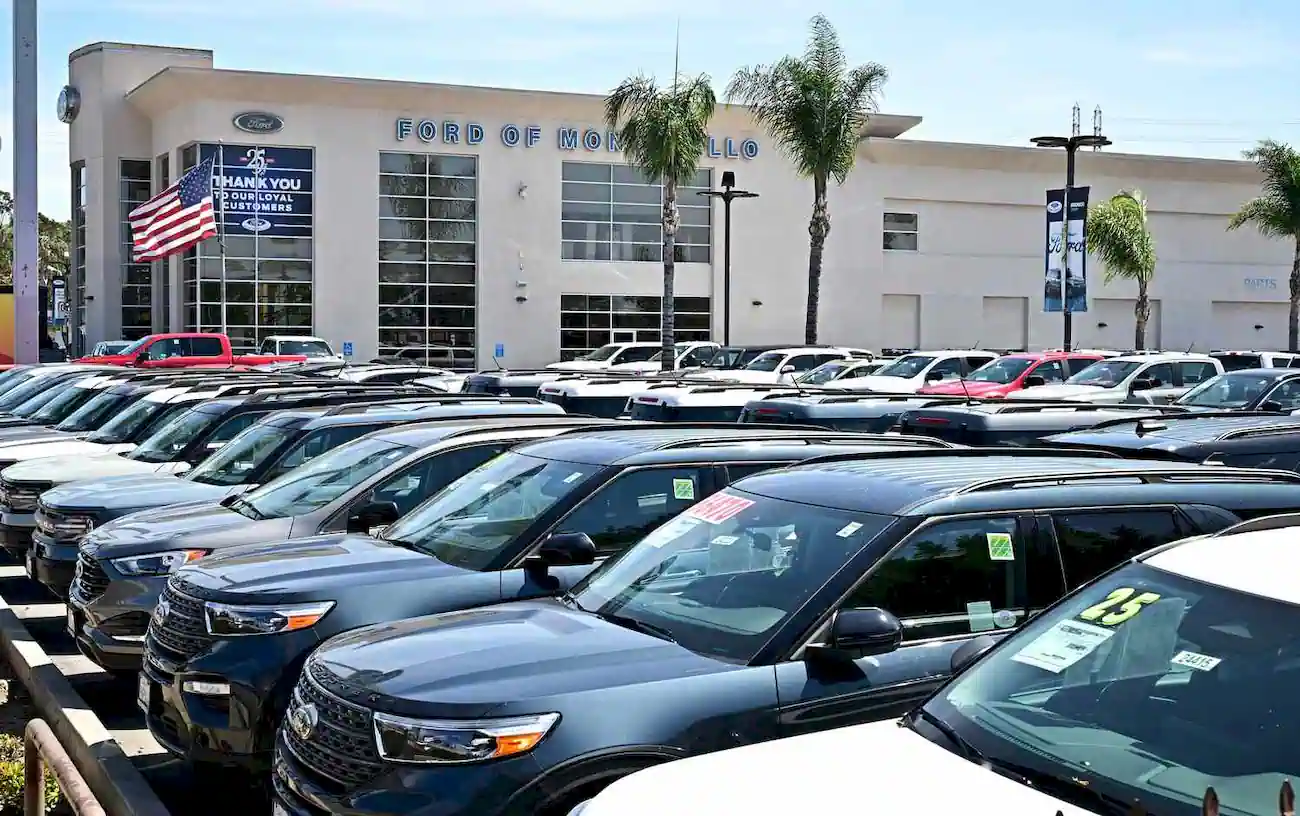
Incentives Rise, But Prices Stay High
The logic is simple: the more vehicles buyers have to choose from, the less likely a car will sit unsold on the lot. As a result, brands are once again offering cash rebates and attractive financing rates. Even so, average transaction prices remain elevated.
According to the CDK Affordability Tracker, the average transaction price for the most popular vehicles sold in February was $35,533. That figure is $109 lower than in January, but still $136 higher than the same month a year ago.
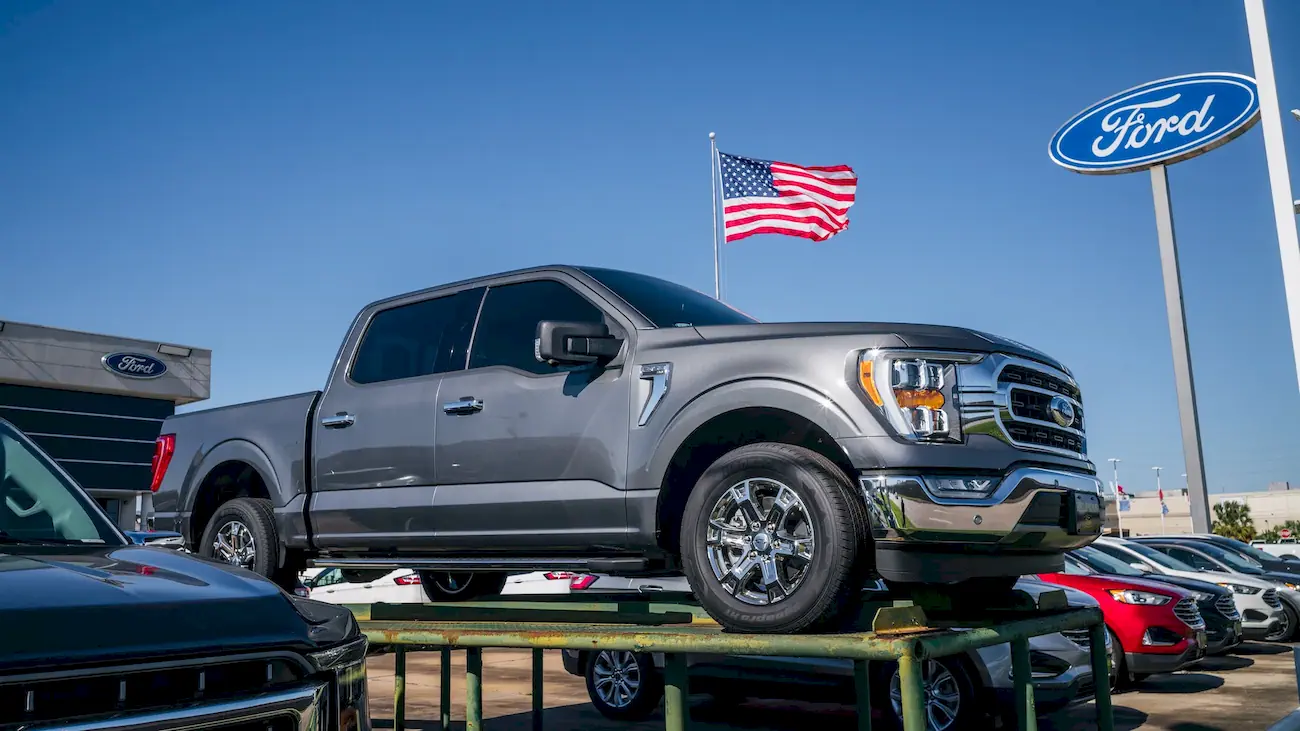
Full-size pickup trucks stand out as a separate case. In February, the average transaction price in this segment fell by $262 from January to $56,376. However, compared with February 2025, buyers are still paying roughly 3.4% more, or about $1,875 extra.
Interestingly, incentives in the pickup segment have moved in the opposite direction.
- Average incentive spending in February: $1,611 per vehicle (up 34% from January and 76% higher than February 2025, when it averaged $698).
- Pickup trucks: average incentives of $4,361, about 3% lower than January and 5% below last year’s level.
SUVs and Sedans Drive the Incentive Battle
Compact SUVs and midsize sedans—two of the most competitive segments in the U.S. market—are seeing some of the biggest increases in incentive spending. Automakers are fighting hard to protect market share in these high-volume categories.
One notable exception is the newly updated Toyota RAV4 for the 2026 model year. In February, the average transaction price for the model jumped to $40,096, which is $3,353 higher than in January.
That increase is noticeably larger than the roughly $2,100 rise in the base MSRP, which followed the shift to an all-hybrid powertrain lineup for the new generation.
The reason appears fairly straightforward. Early deliveries have been dominated by higher-end trims, while more affordable versions are still making their way through production and haven’t yet reached dealer showrooms.
A similar adjustment is happening in the electric vehicle market. Several automakers are tweaking their pricing strategies and expanding incentives as EV demand has grown more slowly than many analysts originally expected.
You may also be interested in the news:
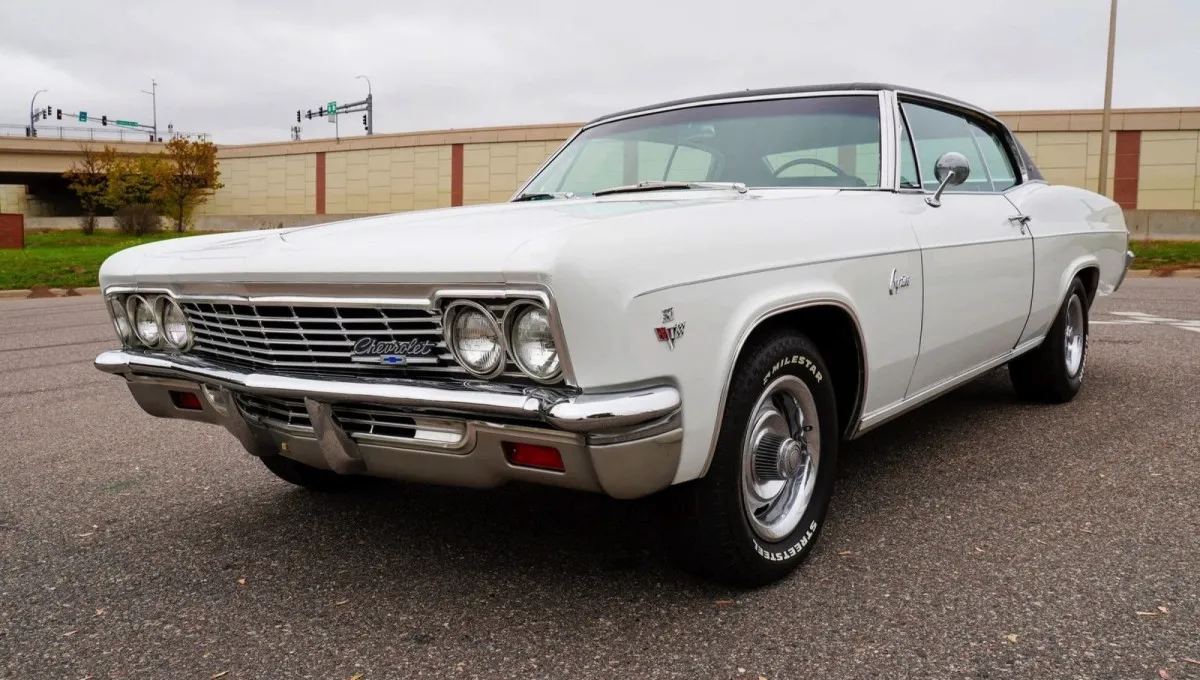
Restored 1966 Chevy Caprice Looks Showroom-Fresh, but Those 13K Miles Don't Tell the Whole Story
This restored 1966 Chevrolet Caprice looks road-ready, but its 13,000-mile odometer reading comes with an important catch.
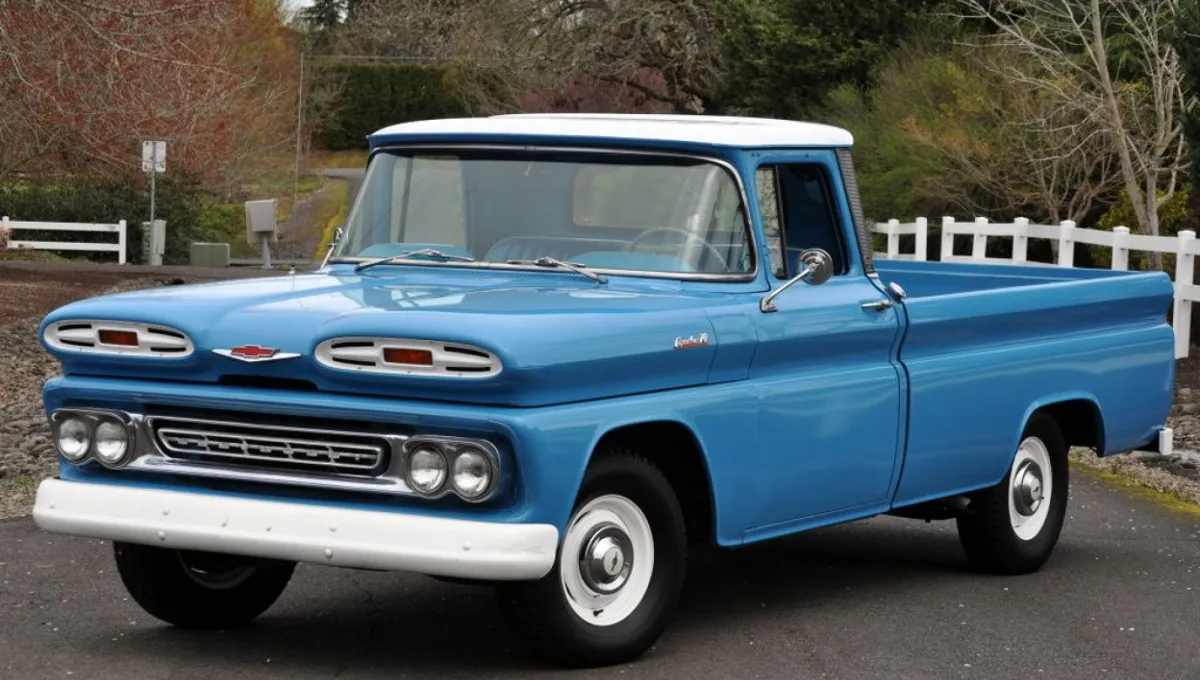
The 1960 Chevrolet Pickup: The Biggest Thing to Happen to Trucks Since Trucks Were Invented
Chevrolet unveiled an all-new pickup for 1960, calling it “the most important news since trucks came into being!”
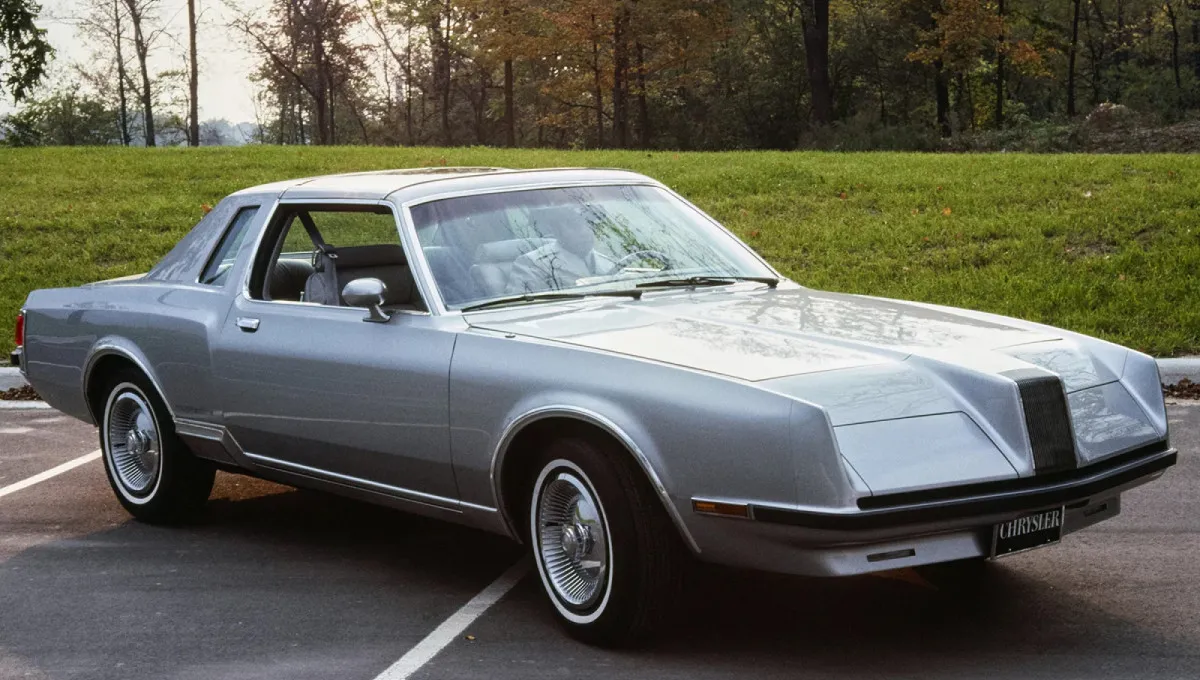
The 1977 Chrysler LeBaron Turbine: The Final Chapter of a 25-Year Experiment
Chrysler's 1977 LeBaron Turbine concept showcased decades of gas turbine research, but financial troubles ultimately brought the ambitious program to an end.
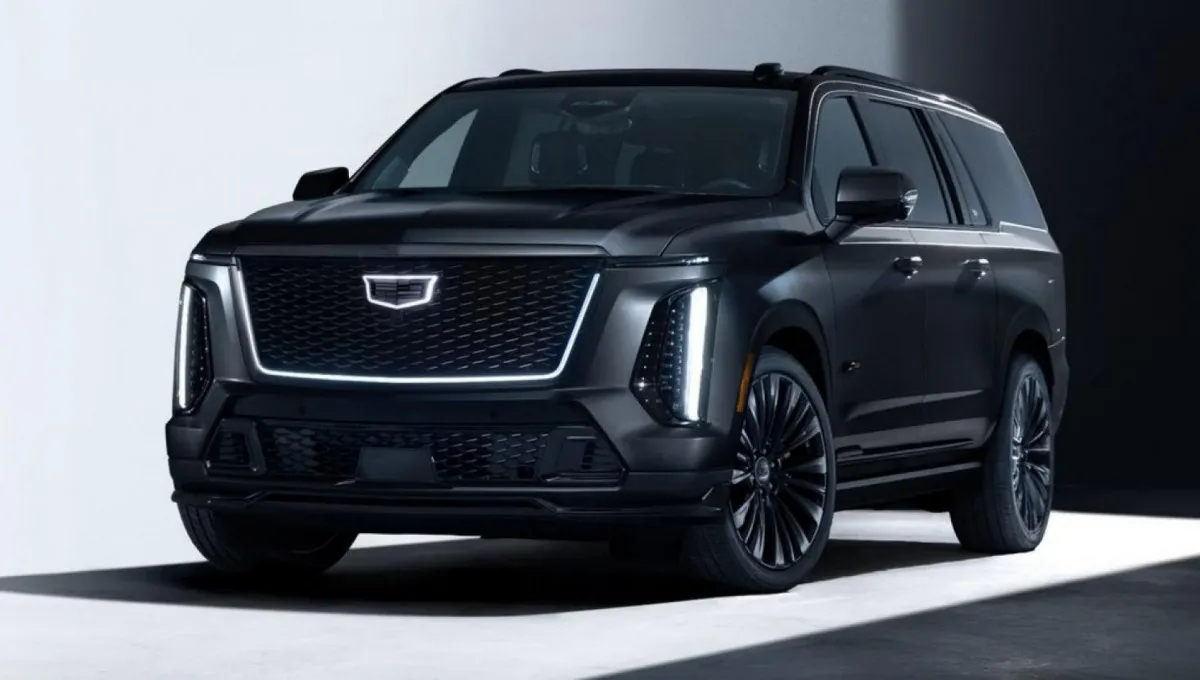
Cadillac Celebrates Its 125th Anniversary With the Most Expensive Escalade-V Ever
One of America’s oldest automotive brands has unveiled a limited-edition version of its flagship SUV to mark a major milestone.
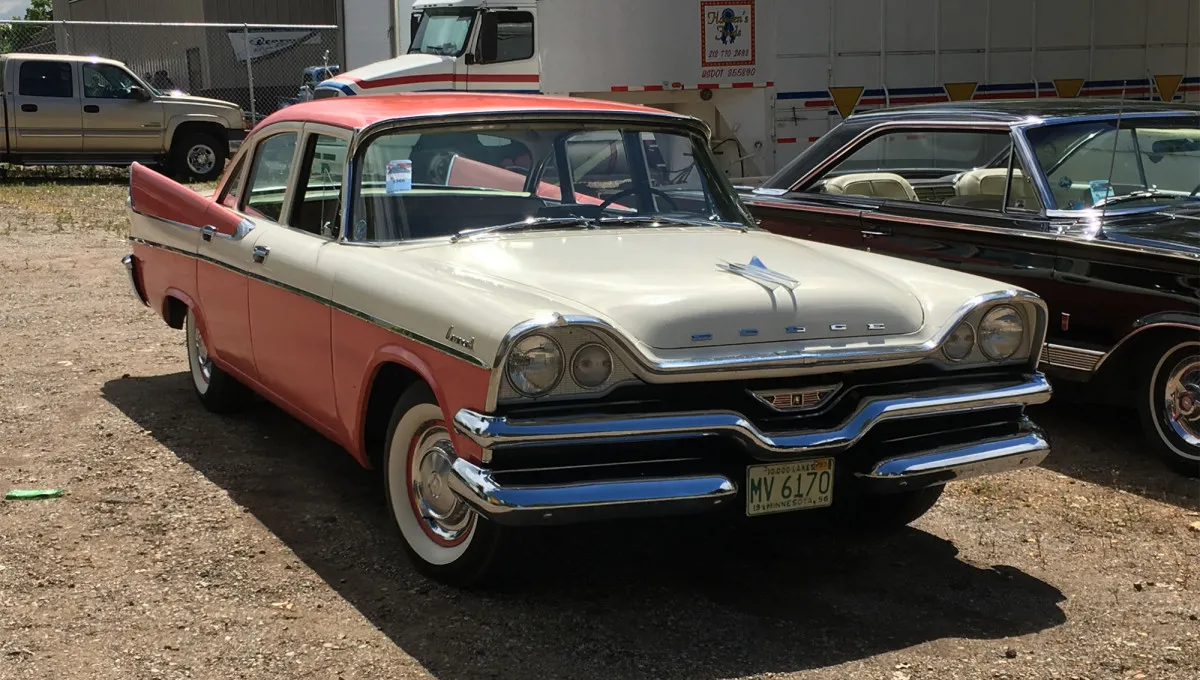
The 1957 Dodge: How “Autodynamics” Shaped One of Detroit’s Boldest Designs
The 1957 Dodge Looked Like a Dream Car, but Its Biggest Flaw Was Hiding Beneath the Surface.