
Honda Has Already Halted Three EV Projects for the U.S.: What Happens to the 0 SUV and RSX?
Honda pauses several electric vehicle projects planned for North America after revising its global EV strategy.

Honda has confirmed that it is stopping work on three electric vehicles that had previously been planned for the North American market. The decision came after the company reviewed its global electrification strategy, as market conditions continue to shift in different regions.
Demand for electric vehicles has not been as strong in some markets as analysts once expected. As a result, the automaker is adjusting its plans to better match real-world conditions.
Among the canceled projects are the Honda 0 SUV, the Honda 0 Saloon, and the electric version of the Acura RSX. According to Honda, launching these models under current market conditions could have led to long-term financial losses.

Rather than moving forward toward full-scale production and risking higher costs later, the company chose to halt development at an earlier stage.
Why Honda Changed Its Plans
In an official statement, Honda explained that the move reflects the need to adjust its strategy in response to several factors. One of the main reasons is a noticeable slowdown in EV demand in the United States. At the same time, policy changes and evolving emissions regulations are creating additional uncertainty for automakers.

Competition in the electric vehicle segment is also intensifying. New companies entering the market—especially those specializing in software-defined vehicles—are putting additional pressure on traditional manufacturers.
Financial Impact
Honda has acknowledged that canceling the projects will come with a significant financial impact. The company expects to record large write-downs related to development costs and other investments tied to the discontinued programs.
According to Honda’s estimates, the total financial effect could reach about $16–17 billion, including operating expenses and special losses tied to development assets.

Electrification Strategy Still Continues
Despite the cancellations, Honda says it remains committed to electrification overall. However, the company plans to adjust its priorities depending on the growth potential of specific regions.
One market receiving special attention is India, which Honda sees as an important opportunity for future expansion. The automaker plans to strengthen its lineup there while also improving cost competitiveness.
Most importantly, Honda’s EV timeline for that market remains unchanged. The company still intends to launch the Honda 0 Alpha in 2027.
You may also be interested in the news:
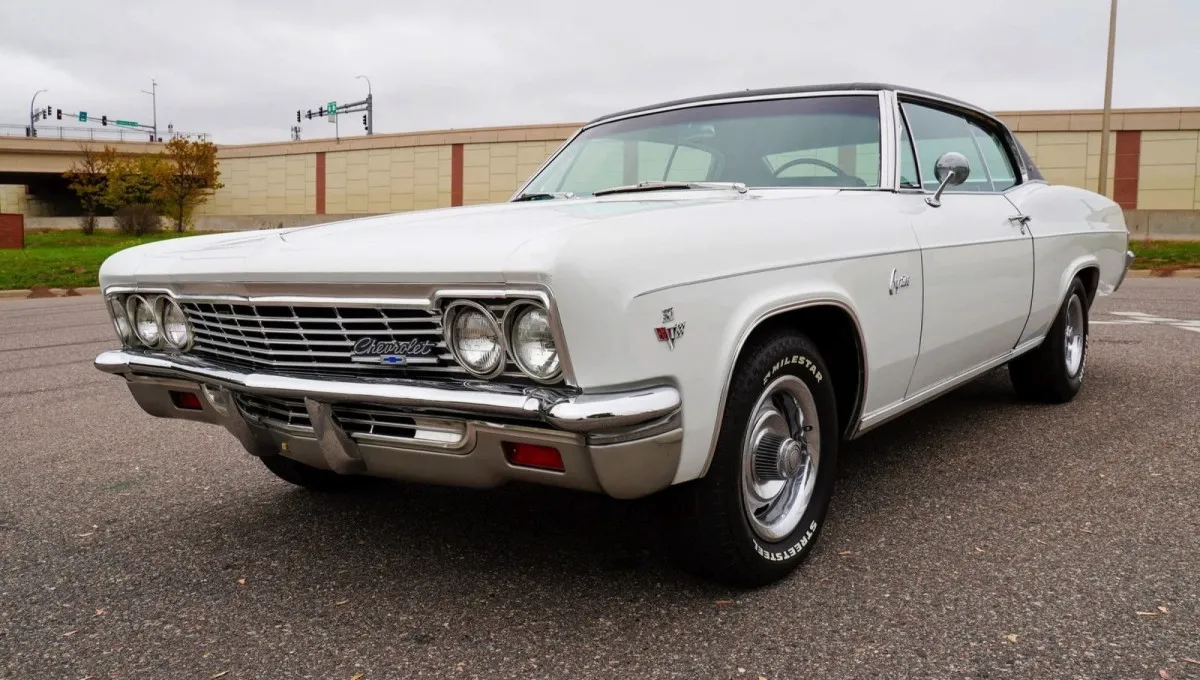
Restored 1966 Chevy Caprice Looks Showroom-Fresh, but Those 13K Miles Don't Tell the Whole Story
This restored 1966 Chevrolet Caprice looks road-ready, but its 13,000-mile odometer reading comes with an important catch.
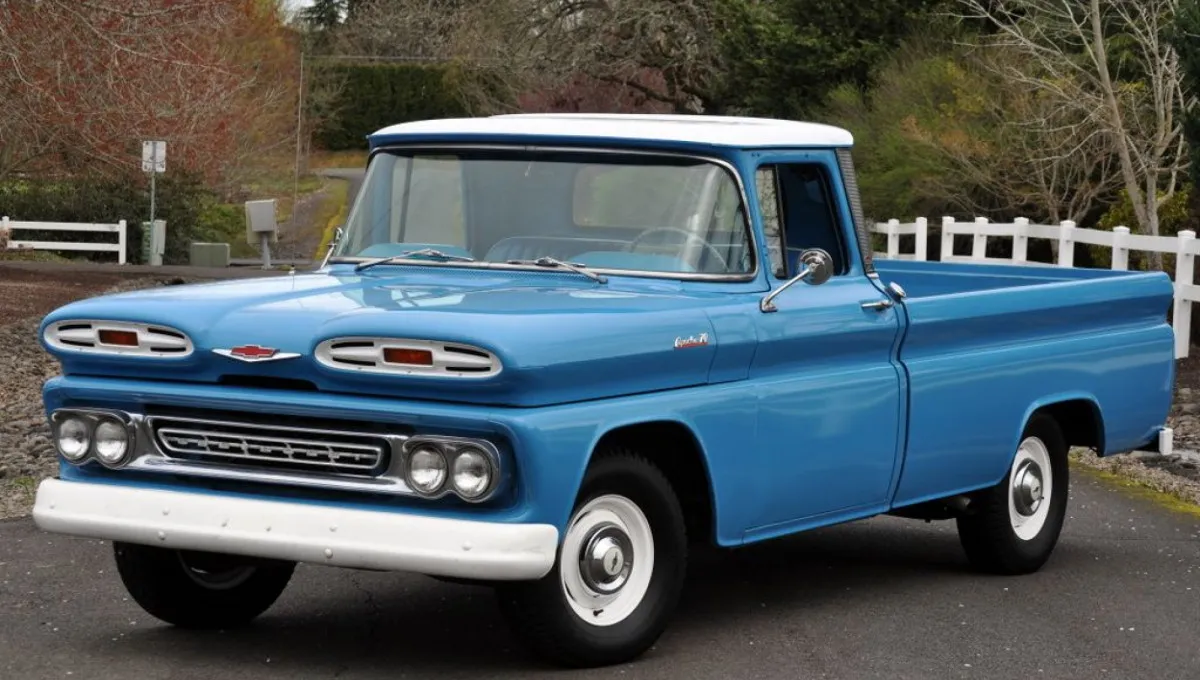
The 1960 Chevrolet Pickup: The Biggest Thing to Happen to Trucks Since Trucks Were Invented
Chevrolet unveiled an all-new pickup for 1960, calling it “the most important news since trucks came into being!”
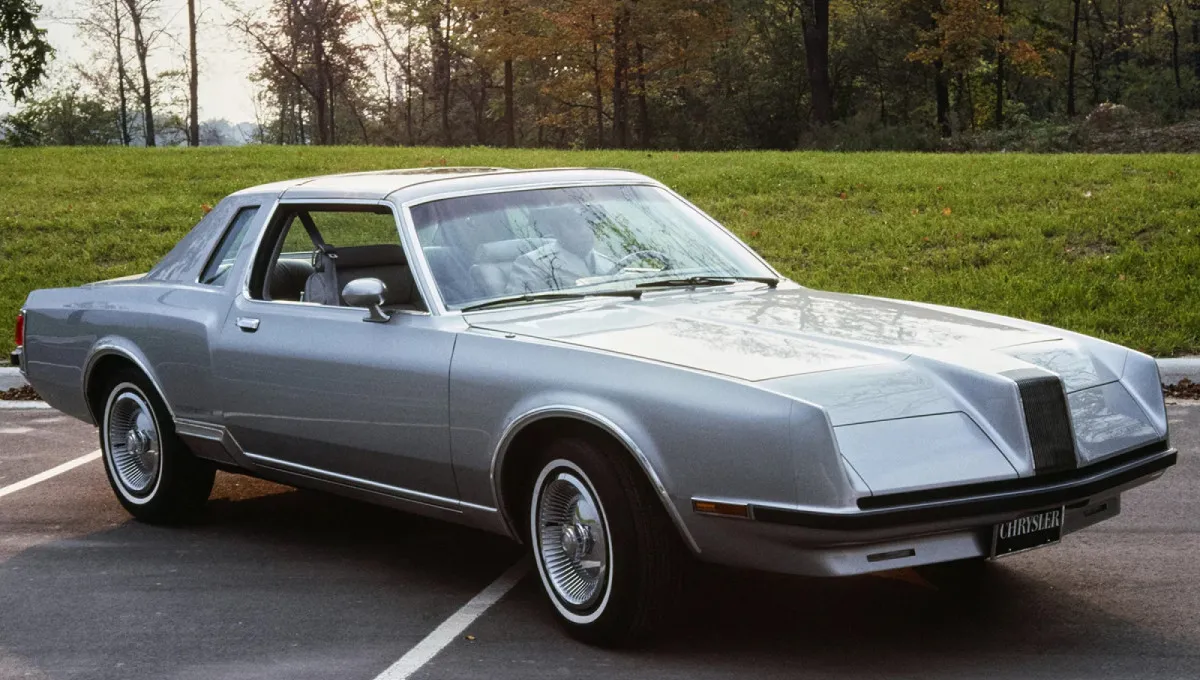
The 1977 Chrysler LeBaron Turbine: The Final Chapter of a 25-Year Experiment
Chrysler's 1977 LeBaron Turbine concept showcased decades of gas turbine research, but financial troubles ultimately brought the ambitious program to an end.
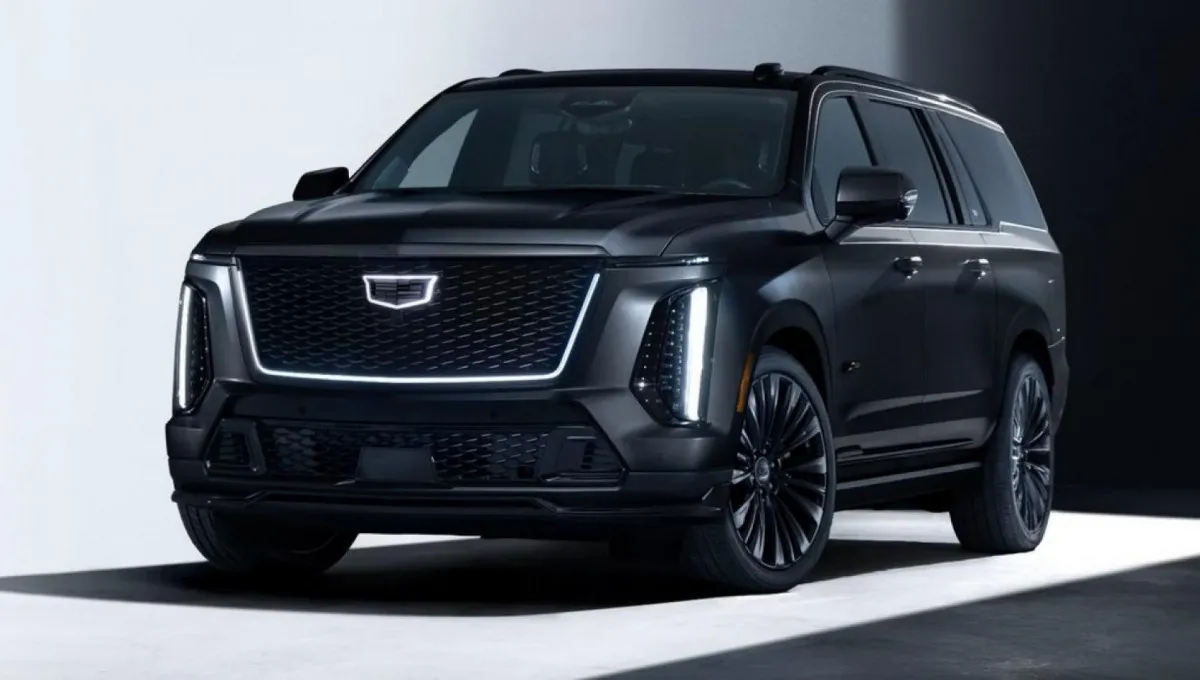
Cadillac Celebrates Its 125th Anniversary With the Most Expensive Escalade-V Ever
One of America’s oldest automotive brands has unveiled a limited-edition version of its flagship SUV to mark a major milestone.
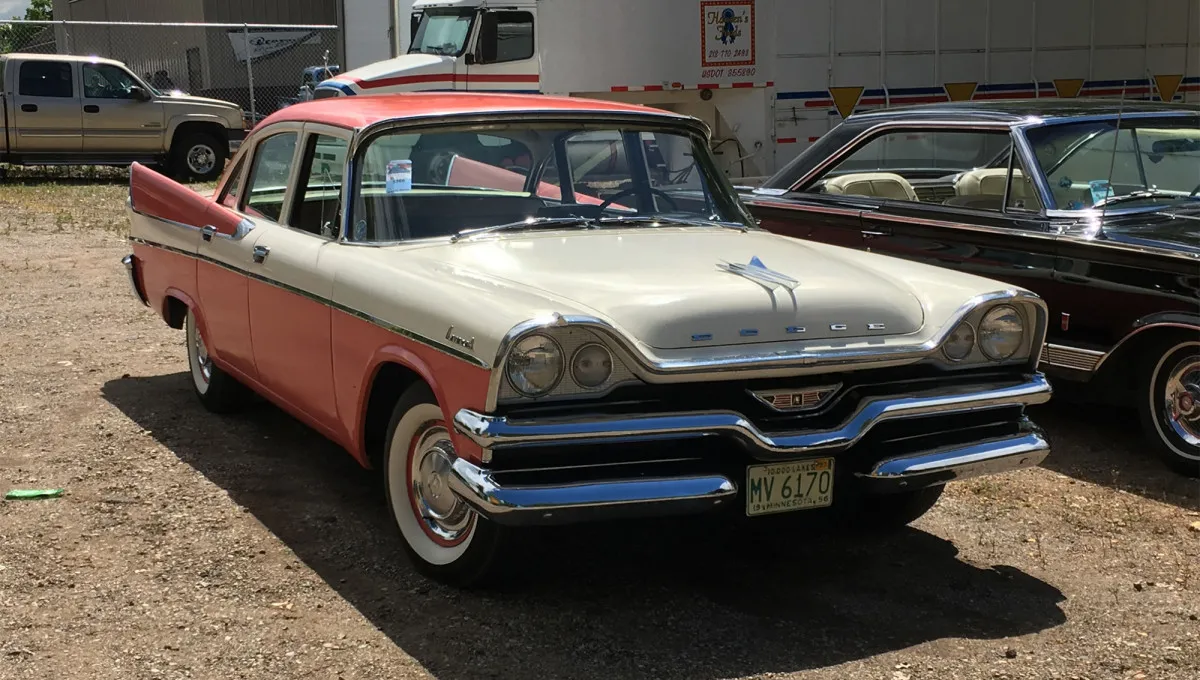
The 1957 Dodge: How “Autodynamics” Shaped One of Detroit’s Boldest Designs
The 1957 Dodge Looked Like a Dream Car, but Its Biggest Flaw Was Hiding Beneath the Surface.