
Spring Driving Secret: Why Oil Levels Drop Faster Right Now
Engine oil levels often drop during seasonal changes, but it’s not always a mechanical failure.
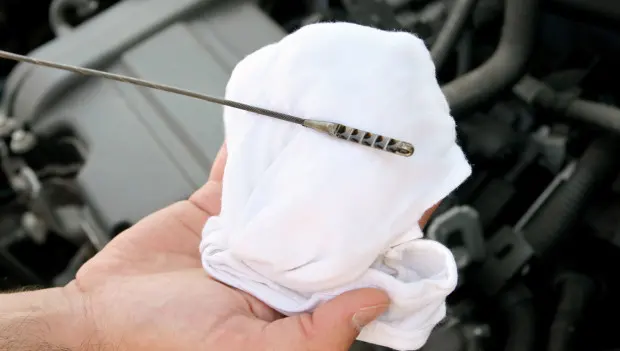
Drop in engine oil level is a common occurrence—especially during seasonal transitions. In many cases, it’s not caused by a mechanical issue, but it still shouldn’t be ignored.
One of the most frequent reasons is short trips combined with repeated engine warm-ups. When the engine doesn’t reach full operating temperature, some fuel can seep into the oil, degrading its properties. In city driving, this happens regularly due to traffic congestion and extended idling.
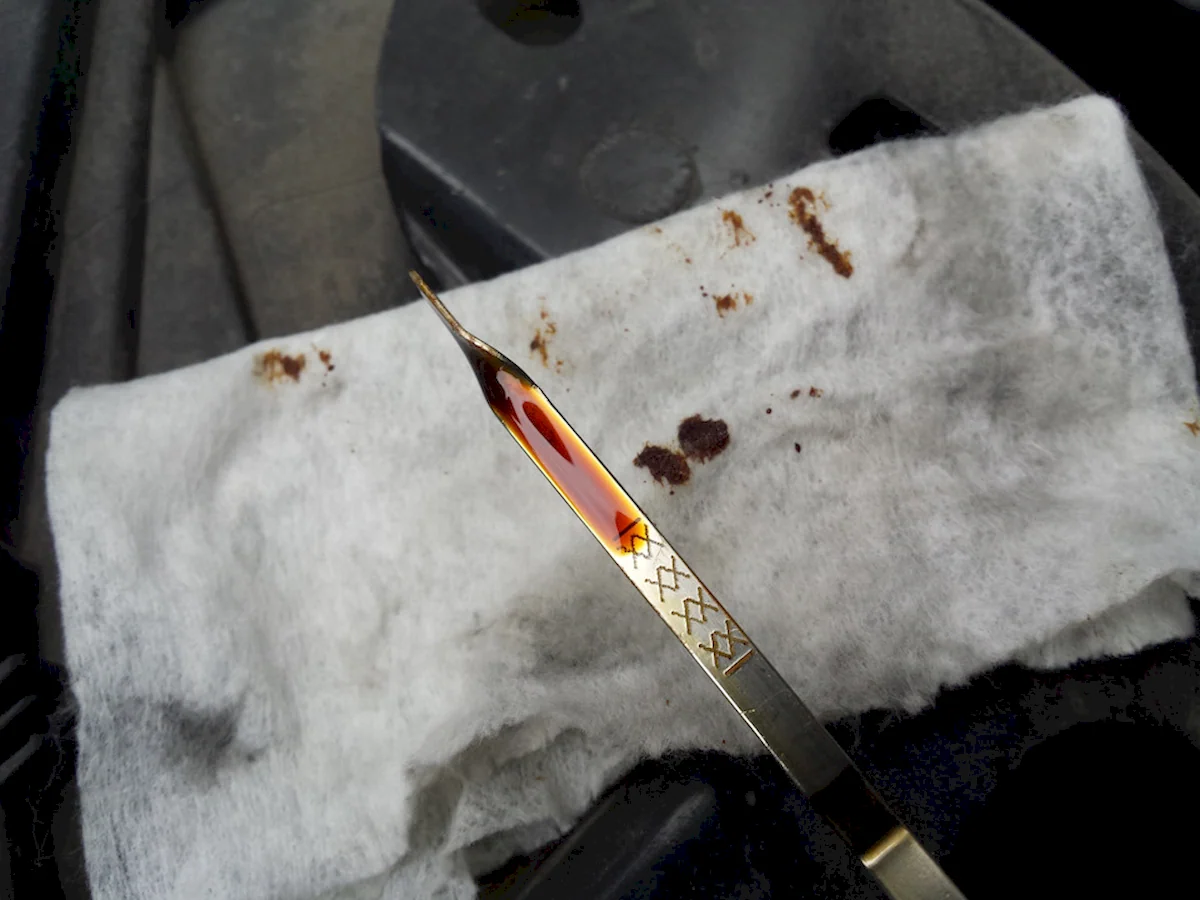
There are also design-related factors. Issues with the crankcase ventilation system, along with the characteristics of certain engines, can affect oil consumption. Turbocharged engines and some modern powertrains are known to use more oil by design, and manufacturers often consider this normal.
Completely eliminating oil consumption isn’t possible. A certain amount is built into the design of internal combustion engines and can reach up to about 1 quart per 600 miles. The type of oil also plays a major role—high-quality synthetic oils with low volatility tend to reduce losses.
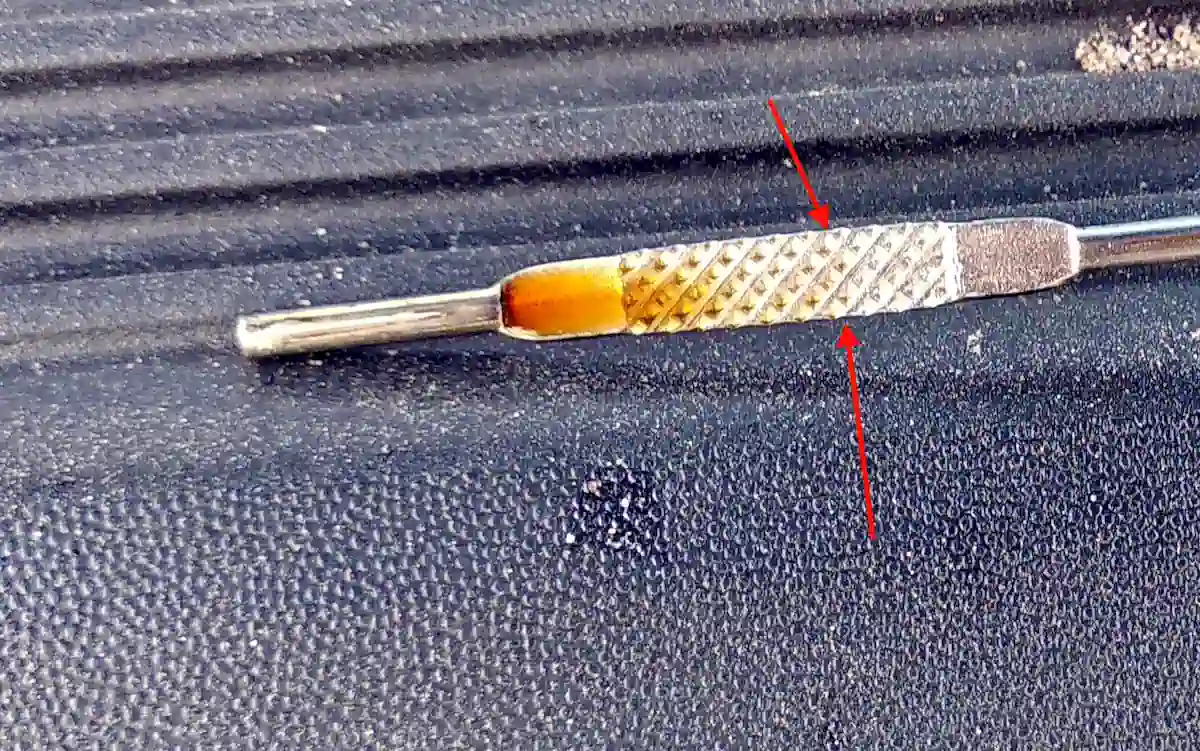
In real-world driving, choosing the right oil and following proper operating conditions can help keep consumption within an acceptable range. Regularly checking the dipstick remains essential.
If oil levels drop faster than expected, simply topping it off isn’t enough. In such cases, it’s wise to have the engine inspected to prevent more serious—and costly—problems down the line.
You may also be interested in the news:
Bottle Under the Tire: The New Roadside Scam Targeting Drivers
A new roadside scam is gaining traction, using a simple plastic bottle to trick unsuspecting drivers.
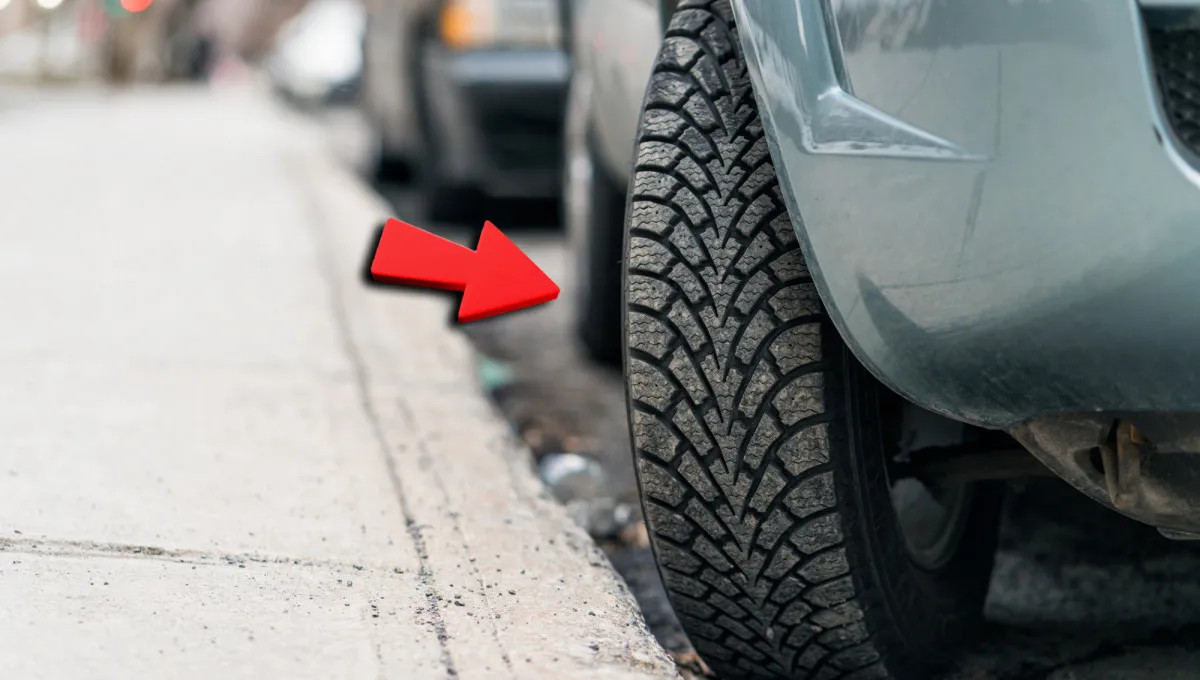
Why Your Neighbor Always Parks With the Wheels Turned: An Auto Expert Explains Three Reasons
Straight wheels aren’t always the smartest choice: experienced drivers turn them for three practical reasons you may not expect.
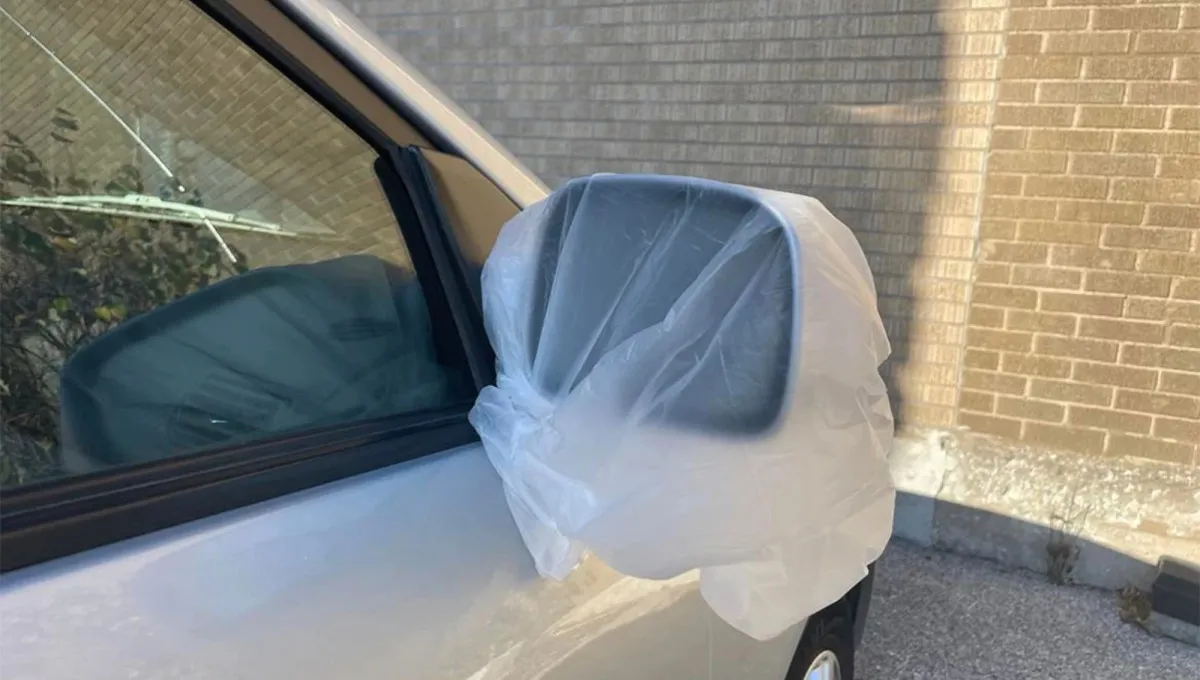
Why You Should Never Ignore a Plastic Bag on Your Car Mirror
You park your car, head inside, and return a short time later to find an ordinary plastic bag hanging from the side mirror.
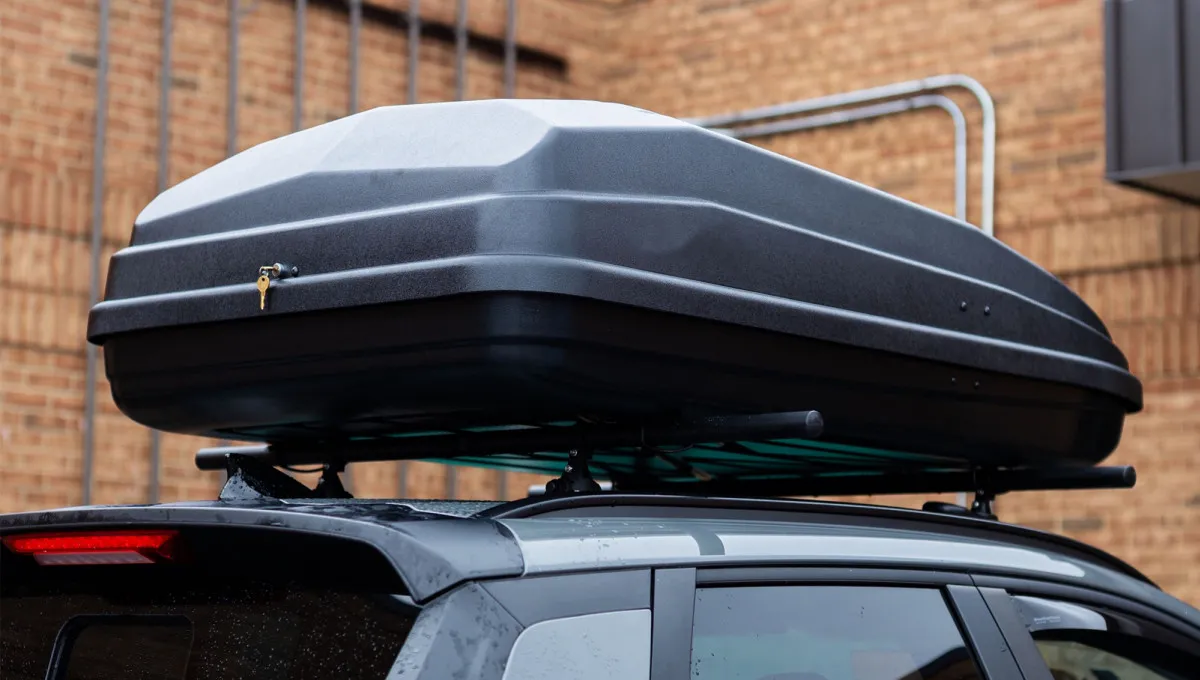
Auto Expert Warns Drivers About Common Mistakes When Installing a Roof Cargo Box
Roof cargo boxes have become increasingly popular with drivers looking for an easy way to carry more gear on road trips.
One Capful and Your Wipers Stop Squeaking: Experts Reveal a Simple Trick
We've all been there: windshield wipers start squeaking, smear grime across the glass and leave streaks behind instead of actually helping.