
Chery’s New Electric Motorcycle Can Run Without Plugging In Every Time
Chery unveiled the e-Vo REEV, an electric motorcycle with a gasoline-powered range extender.
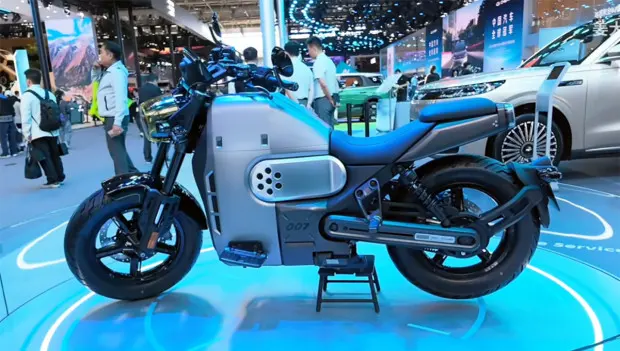
Chery has unexpectedly stepped outside its traditional automotive lane and introduced the e-Vo REEV, a new electric motorcycle with an unusual powertrain setup. Its biggest innovation isn’t the styling—it’s the fact that the bike runs on electric power without relying entirely on charging stations.
The prototype made its debut at the Beijing Auto Show. On the outside, the e-Vo REEV looks like a modern electric motorcycle, with clean body lines and a slightly futuristic design. Underneath, however, it uses a different approach than a typical e-bike.
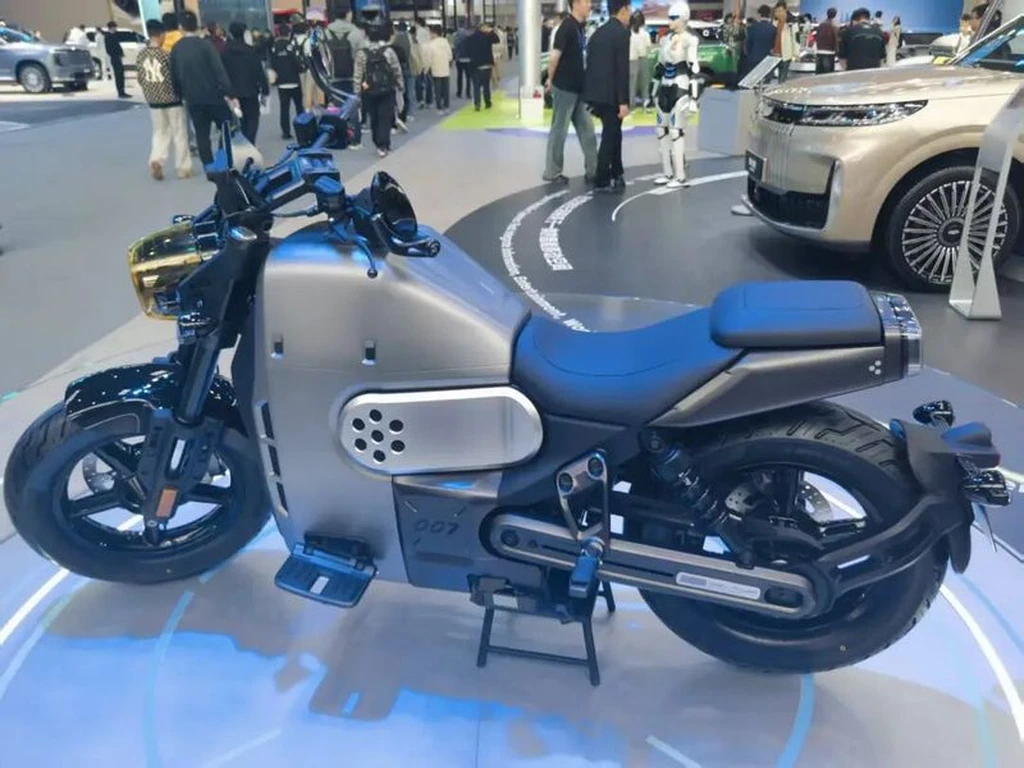
The rear wheel is always driven by an electric motor, which means it keeps the usual benefits of electric motorcycles: quiet operation, instant throttle response, and no traditional engine vibration or mechanical noise.
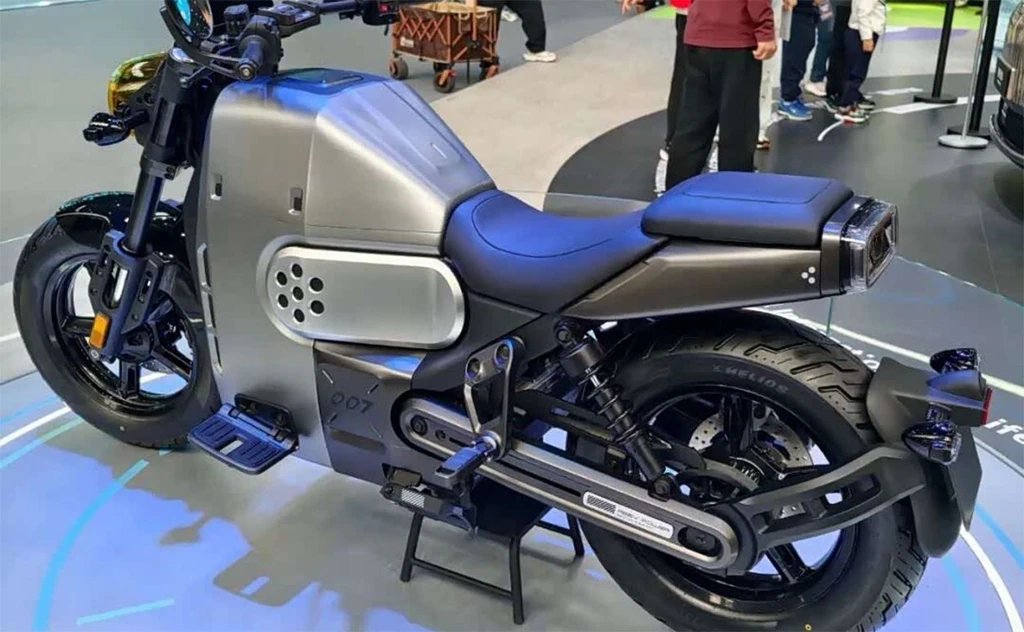
There is also a gasoline engine onboard, but it never sends power directly to the wheel. Instead, it works solely as a generator, producing electricity when the battery needs support. This setup is known as an EREV system—an extended-range electric vehicle. While this concept has already appeared in cars, it is still highly unusual in the motorcycle world.
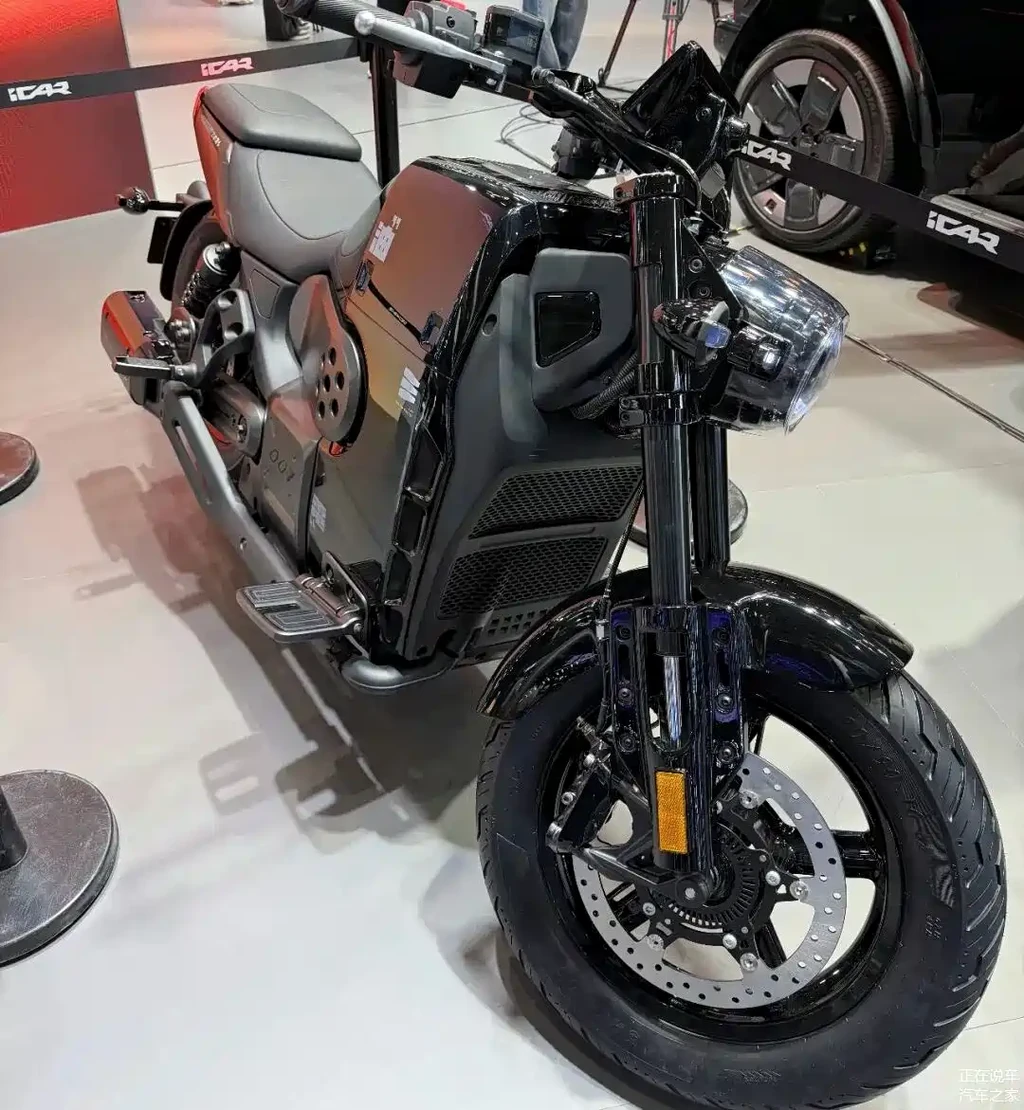
The idea is straightforward: in daily city use, the owner can ride the e-Vo REEV like a normal electric motorcycle. If there’s access to charging, the battery can be plugged in and recharged normally. If there’s no charger nearby, the onboard generator kicks in and keeps the bike moving. In markets where charging infrastructure is still limited, that may matter more than peak horsepower or a flashy digital display.
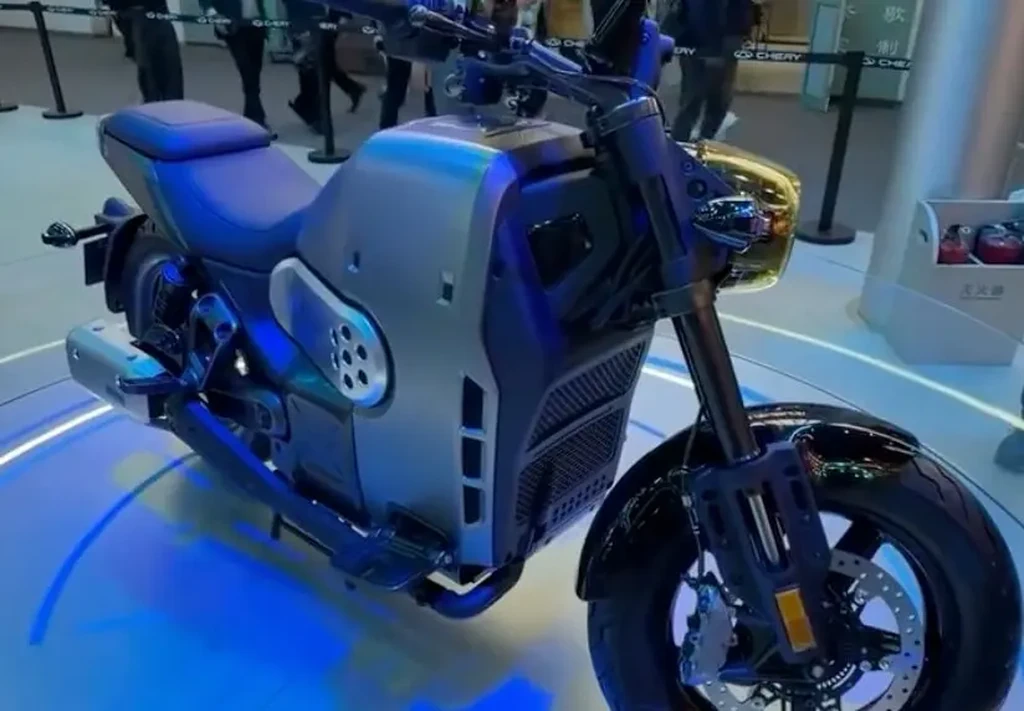
This kind of setup could be especially useful in regions where electric motorcycles struggle not because of price, but because of everyday convenience. A car can often be charged at a shopping center or along a highway route, but motorcycles face more limitations. Not every model works easily with public chargers, charging locations are less predictable, and not every rider wants to plan trips around finding a single available outlet.
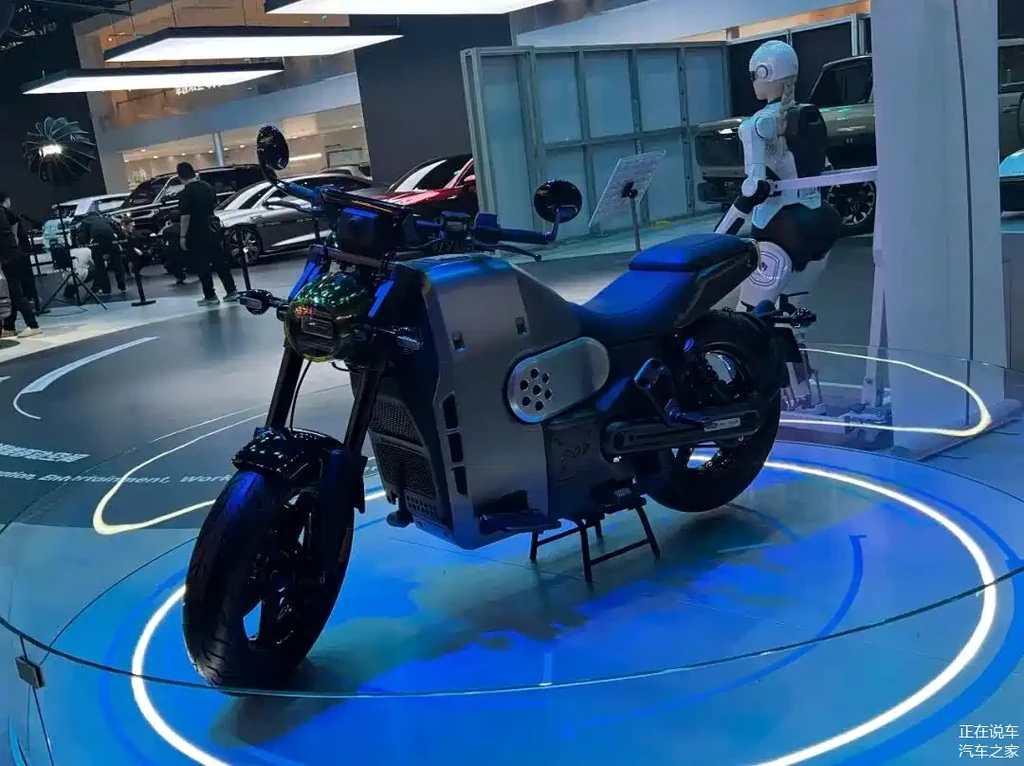
For now, Chery has not released the key specifications. Battery capacity, all-electric range, generator fuel efficiency, and total power output remain unknown. Because of that, the e-Vo REEV feels more like a technical concept than a production-ready motorcycle. The company also has not announced a launch date or confirmed mass production plans.
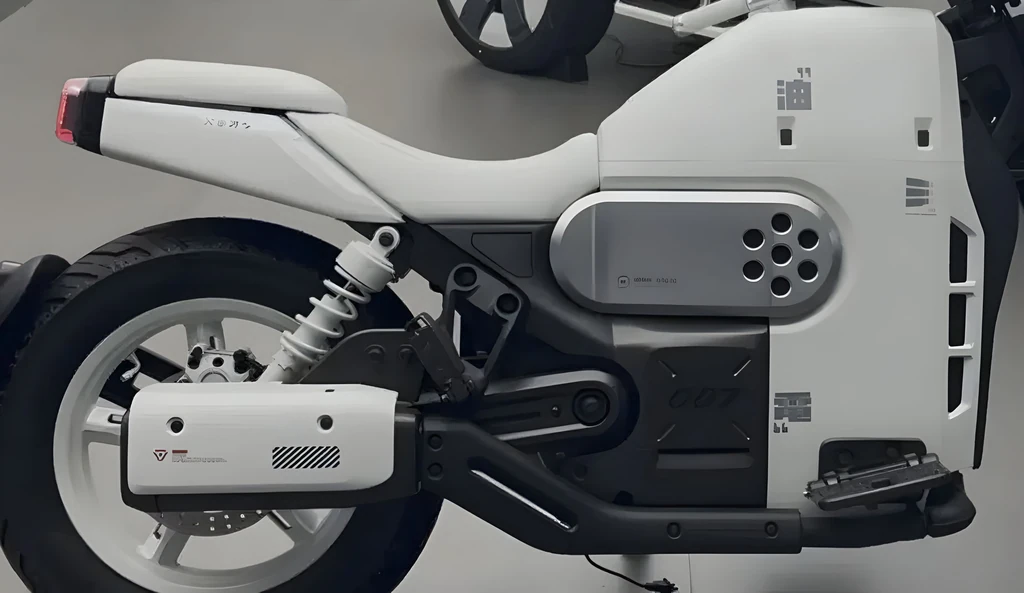
Still, the idea does not seem random. Chery is rapidly expanding beyond China, and its Omoda and Jaecoo brands are already gaining ground in Europe. If the prototype attracts enough attention—especially in countries with uneven charging networks—it could eventually make the jump from show bike to showroom model.
You may also be interested in the news:
Honda WR-V Subcompact Crossover Could Get a Major Redesign for 2027
Honda’s subcompact crossover could gain hybrid power as the automaker prepares a major WR-V update for 2027.
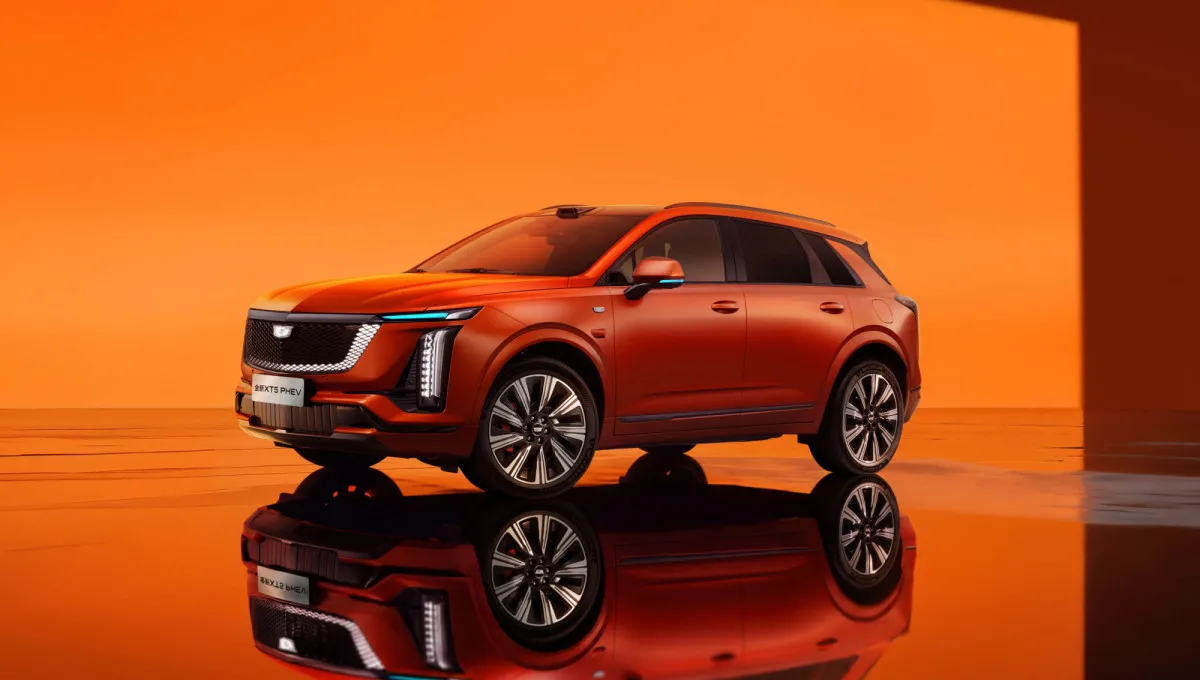
Hybrid Cadillac XT5 Debuts With 0–62 MPH in 4.8 Seconds and Up to 2,250 Miles of Range
Its electronics can supposedly “anticipate” hazards and road imperfections before the vehicle reaches them.
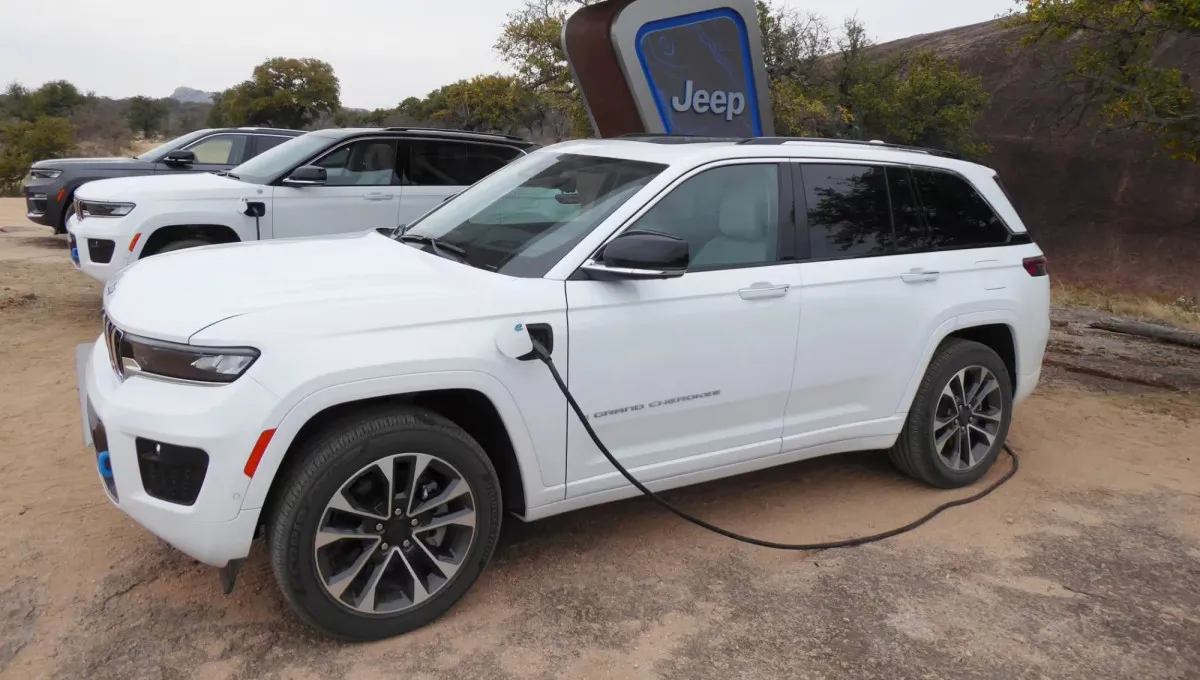
Jeep Lawsuit Alleges Recalled 4xe SUVs Were Misrepresented as Safe
A class action alleges Jeep 4xe owners were misled about vehicle safety after recalls failed to resolve defects.
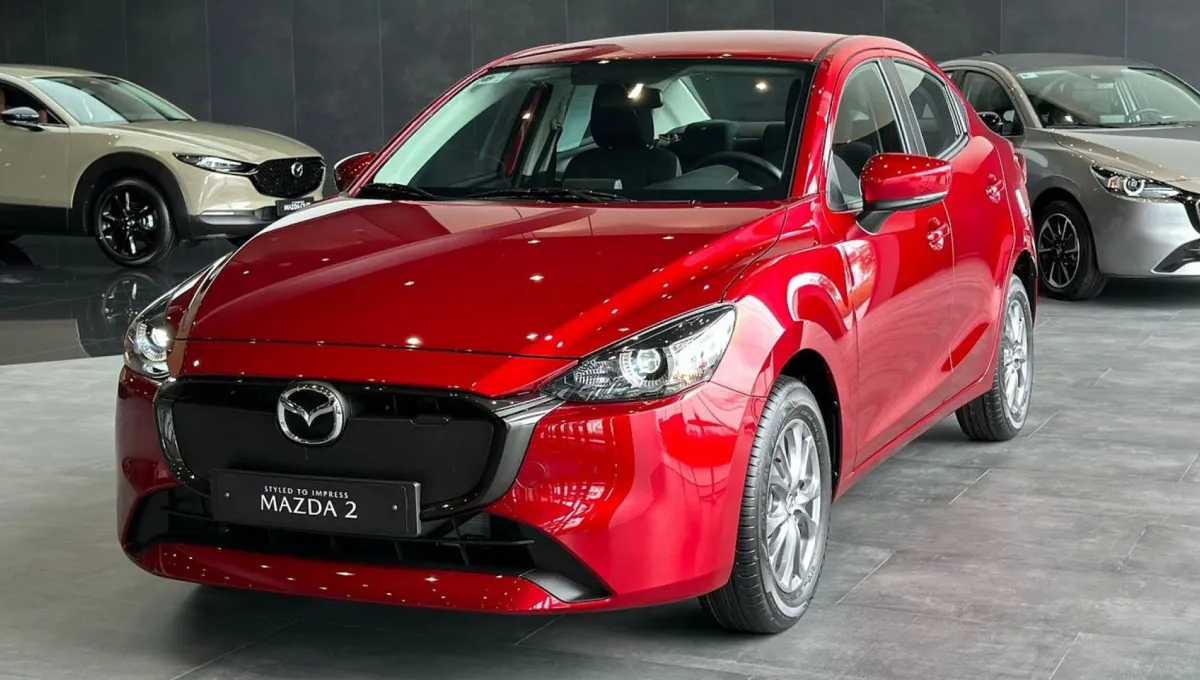
Next-Generation Mazda 2 Will Grow in Size and Get a 56-Mile Electric Range
The new Mazda 2 could get a rotary generator and a hybrid powertrain.
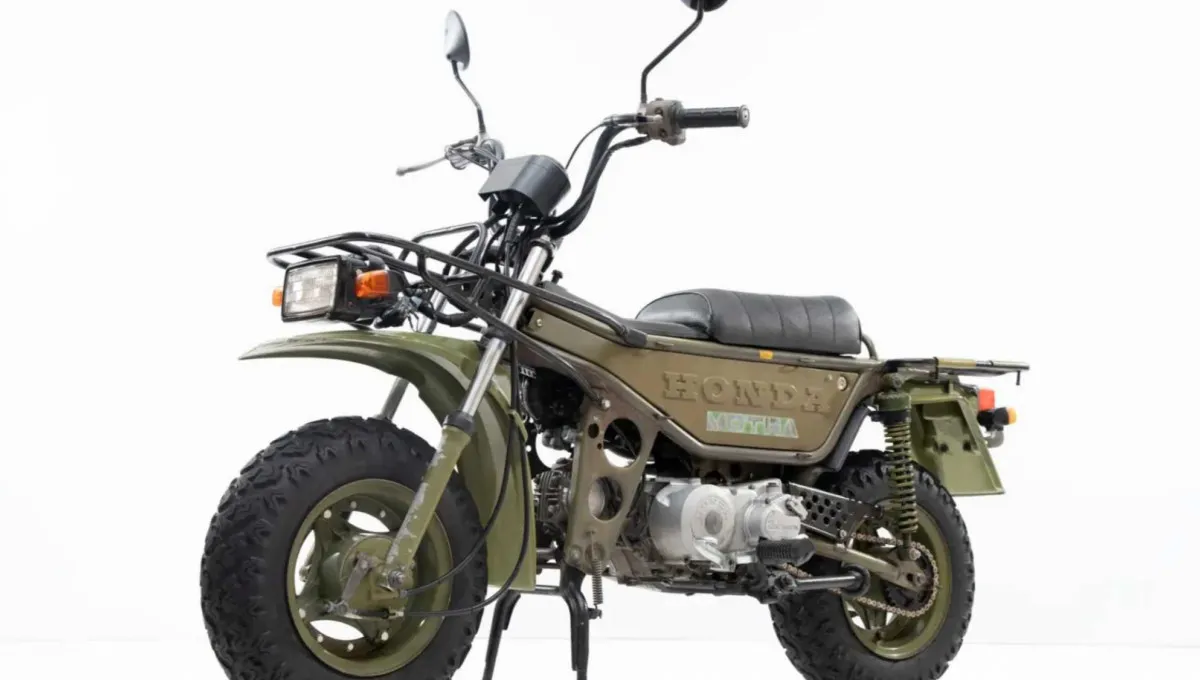
Rare 1980s Honda CT50 Motra Off-Road Bike Goes Up for Auction
A rare Honda CT50 Motra with a dual-range transmission is now up for auction on Bring a Trailer.