
Airbag Defect Prompts Ford to Recall 100,000 Ranger Pickups Nationwide
Ford Recalls 100,000 Ranger Pickups Over Faulty Airbags, Raising Safety Concerns.
Ford is recalling more than 100,000 Ranger pickups from model years 2024–2026 due to a defect that could cause side airbags to tear upon deployment.
The automaker announced that 100,900 vehicles built between December 2022 and July 2025 are affected. According to Ford, the side curtain airbags may rupture if they come into contact with interior body components during a crash.
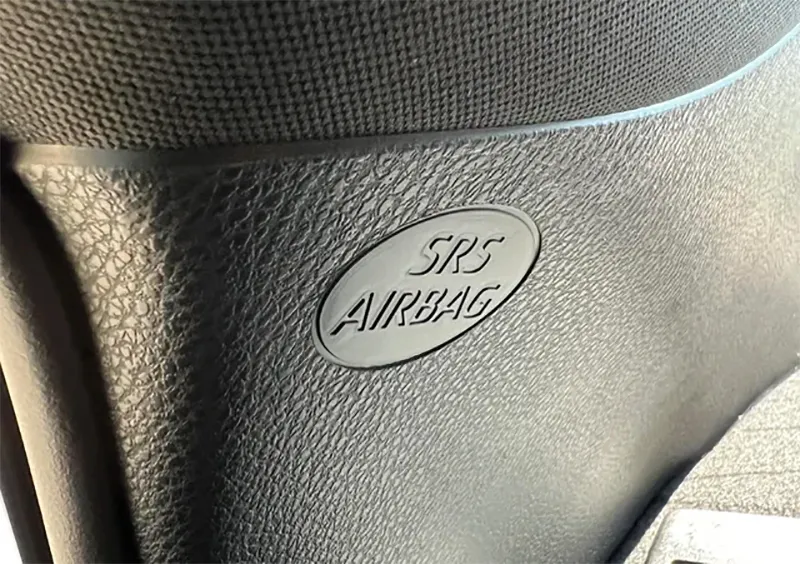
This marks the third major Ranger recall in recent months. In August, Ford addressed a brake booster defect, while in May it recalled vehicles over faulty rearview cameras. A smaller recall was also issued earlier for steering system issues.
Owners have been notified by mail, but the protective shield plates needed to complete the repair are not yet available. Ford says installations will begin in the fourth quarter of 2025, at which point customers will be able to schedule service appointments. In the meantime, owners are advised to monitor recall updates on the NHTSA website or Ford’s official recall portal.
You may also be interested in the news:
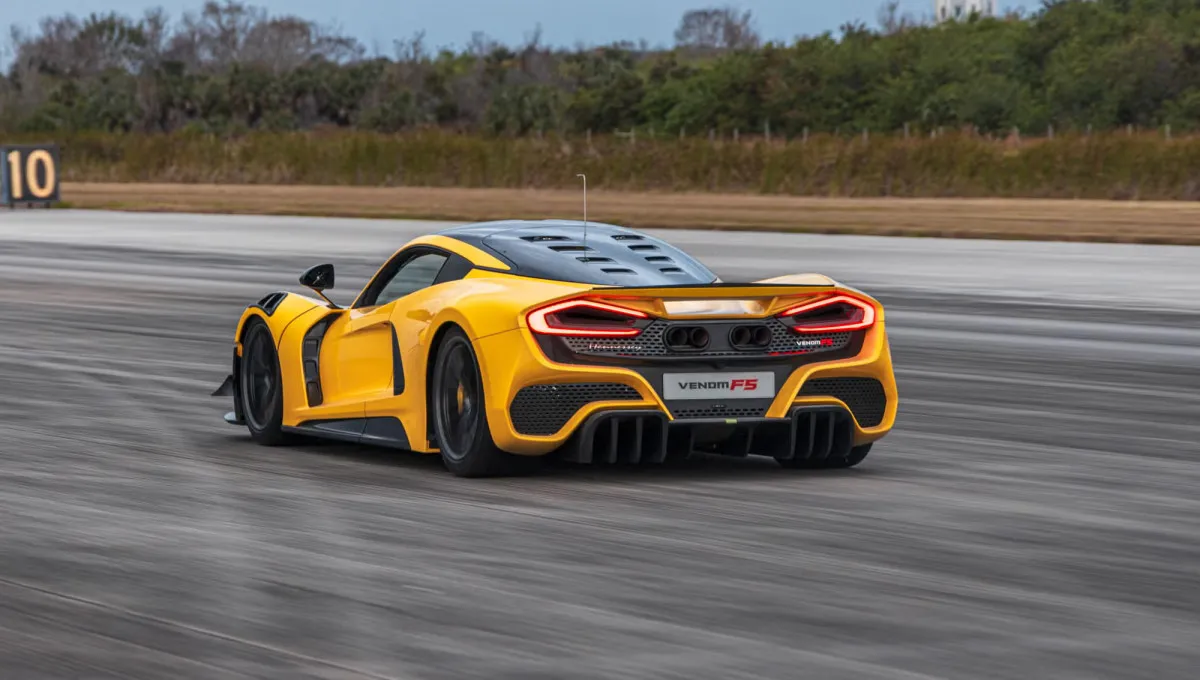
Experts Name the Two Most Powerful Production Sports Cars in the U.S.
American sports cars continue to impress with their horsepower, speed and innovative engineering, with two models standing above the rest.
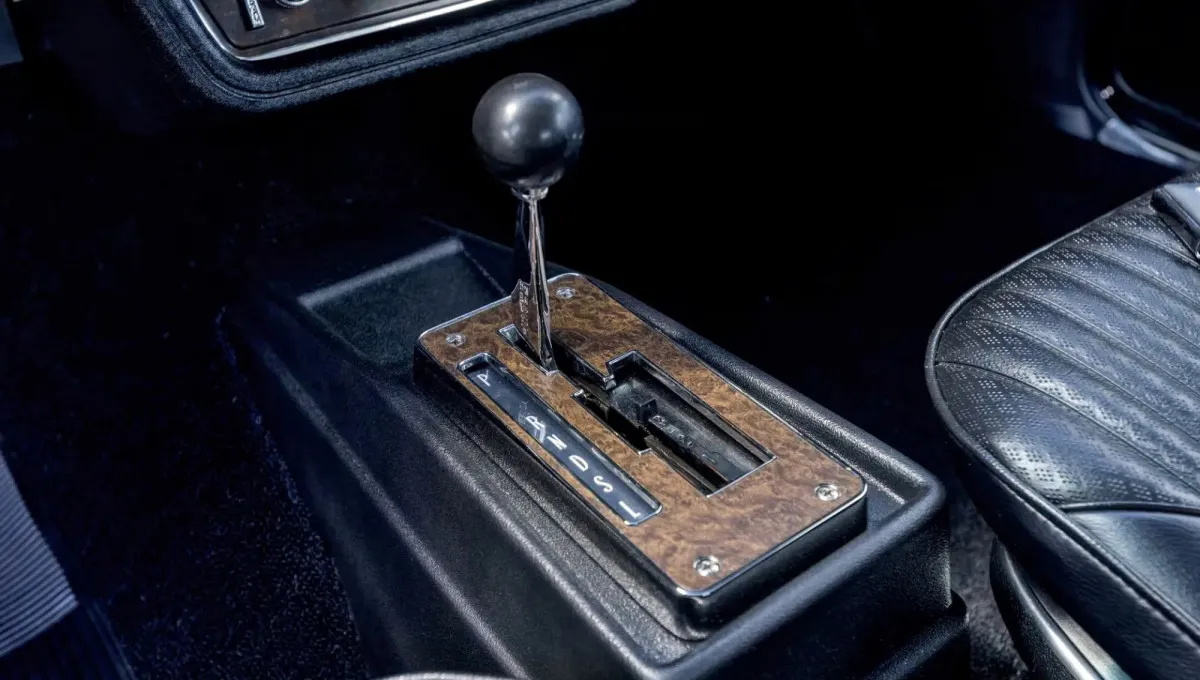
How Oldsmobile Invented a Manual Gearbox for an Automatic
Long before paddle shifters and electronic driving modes, Oldsmobile found a clever mechanical way to let drivers shift an automatic transmission themselves.
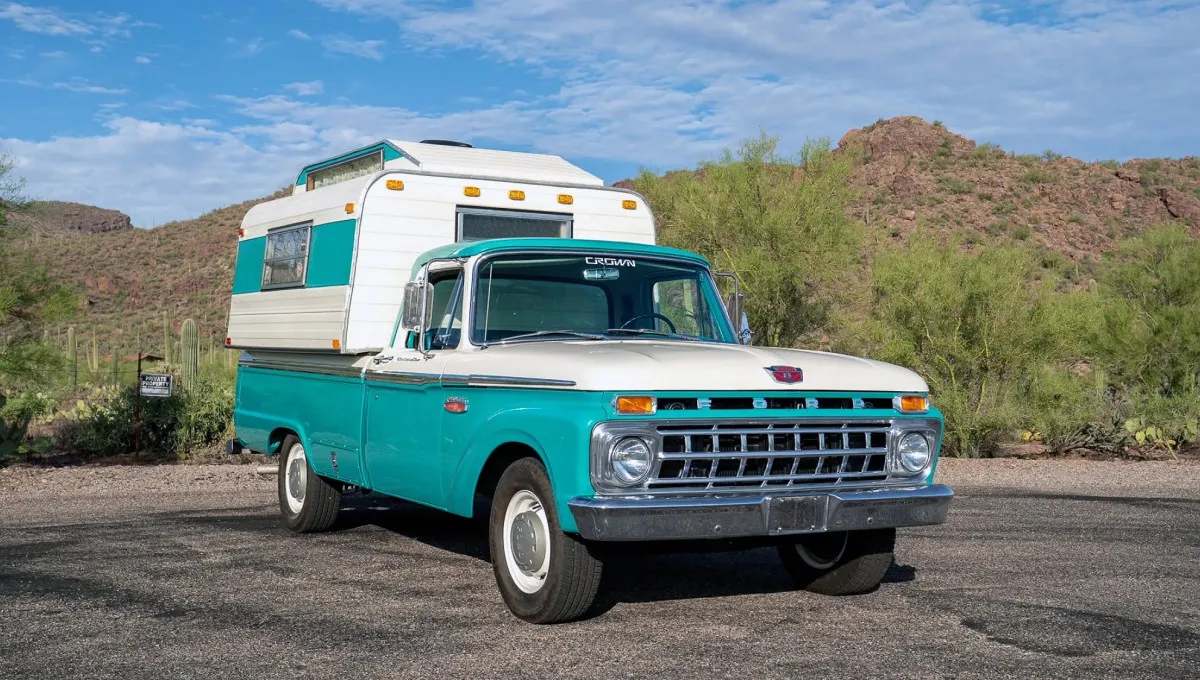
This 1965 Ford F-250 With a Mitchell & Sons Camper Is a Charming Retro Travel Companion
The 1965 Ford F-250 and Mitchell & Sons camper share colors, period styling, and compatibility.
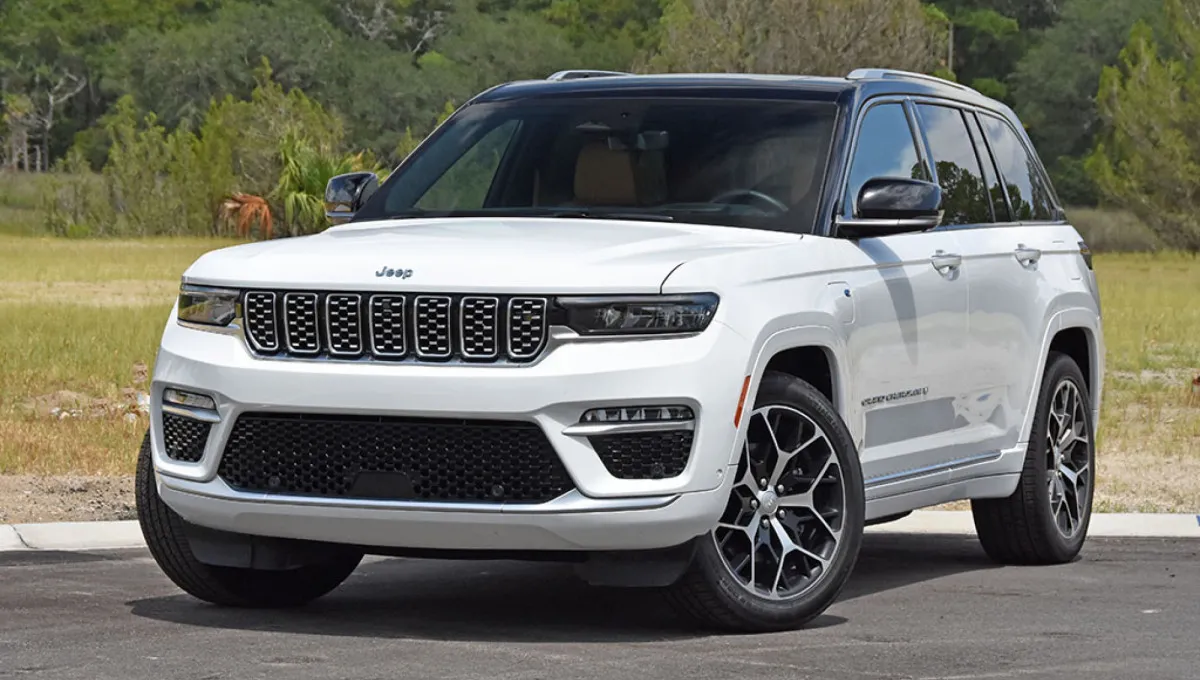
328,000 Jeep Grand Cherokees Recalled Over a Hidden Crash Risk — Owners Should Act Now
Chrysler is recalling more than 328,000 Jeep Grand Cherokees over a rear coil spring problem that could increase the risk of a crash.
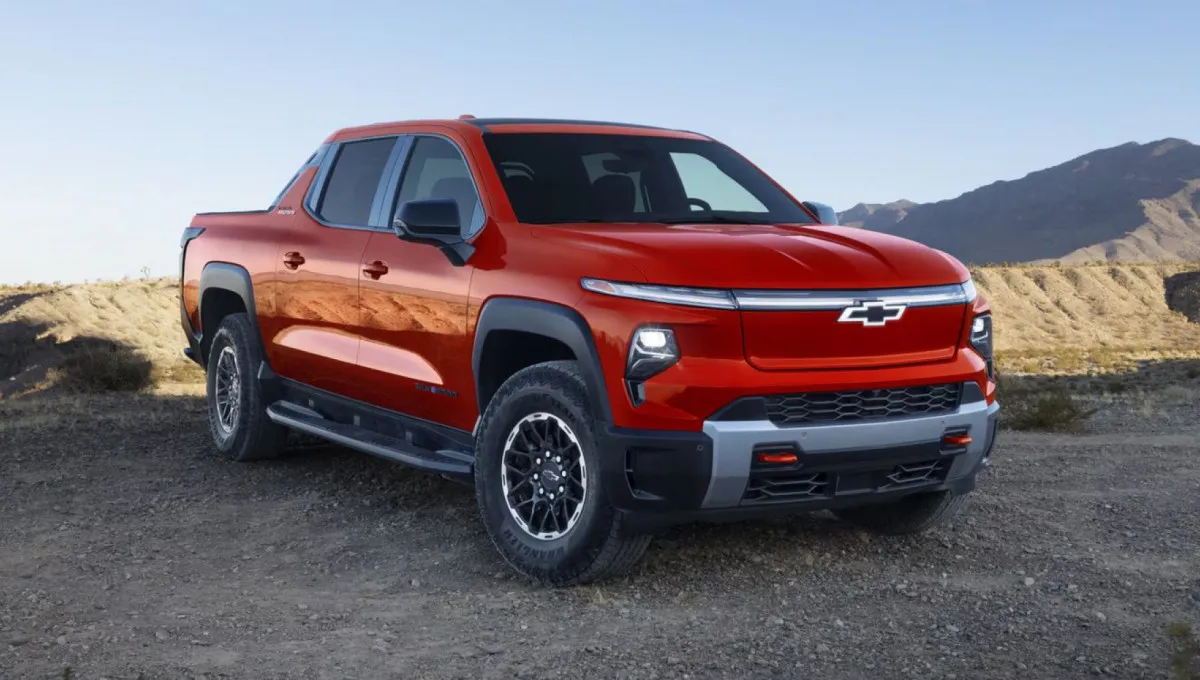
Chevrolet Raises Prices on 2027 Silverado EV and Cuts the Lineup
Chevrolet raises 2027 Silverado EV prices and cuts two trims amid weak electric-pickup demand in the market.