
When Your Transmission “Loses Memory”: How a Faulty Sensor Can Turn a Car Into Unpredictable Chaos
Modern cars are practically packed with electronics.
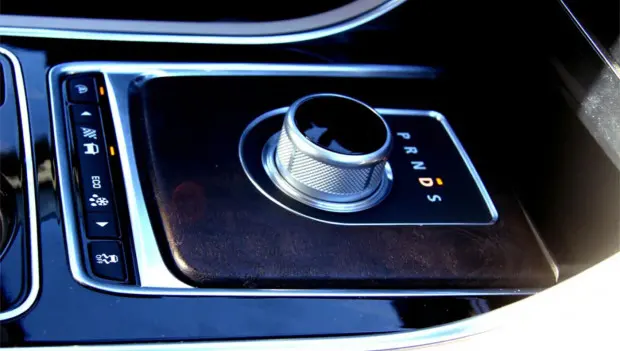
Modern vehicles are loaded with electronic systems. Even budget models rely on a network of sensors that feed precise data to control modules. One of the most critical — yet often overlooked — is the transmission speed sensor: a small but vital component without which the gearbox simply can’t function properly.
Many drivers underestimate its importance until something goes wrong — sudden jerks during shifting, a dead cruise control, or a speedometer that seems to have a mind of its own.
How the Transmission Speed Sensor Works
Most automatic transmissions use two sensors — an input and an output speed sensor. They measure the rotational speed of the transmission shafts and send this data to the powertrain control module (PCM). The electronics analyze these readings to synchronize engine RPM with gear ratios, ensuring smooth shifting.
If even one of these sensors fails, the control unit loses its bearings — it can no longer determine the correct gear ratio, and the car’s behavior quickly becomes erratic.
Main Symptoms of Failure
The first warning sign is usually harsh or delayed gear shifts. The transmission might “hesitate” longer than normal or switch gears abruptly for no apparent reason. Beyond being uncomfortable, such impacts can damage the valve body, solenoids, or even internal gears over time.
Another common symptom is a nonfunctional cruise control. The system disables itself when it stops receiving accurate speed data. At the same time, the speedometer may begin acting up — the needle may flicker, freeze, or display incorrect readings.
The Check Engine light is also a frequent companion to sensor issues. While it can illuminate for many reasons, transmission speed sensor faults are among the common triggers.
What Happens If You Keep Driving
Technically, you can still drive with a faulty sensor — but it’s a short-term fix at best. First, gear changes become rougher. Then, as components wear down, the transmission itself can enter limp mode, locking into a single gear and limiting speed.
Fuel consumption rises, the engine works under increased load, and the risk of major transmission damage grows exponentially.
A Bit of History
The first speed sensors appeared back in the 1950s and were entirely mechanical. By the 1980s, as digital speedometers became common, magnetic sensors replaced mechanical cables. Today, advanced Hall-effect sensors provide accuracy down to fractions of a kilometer per hour and are fully integrated with ABS and stability control systems.
This evolution paved the way for technologies we now take for granted — from cruise control to adaptive transmissions that adjust to your driving style.
Read the original article on Auto30.You may also be interested in the news:
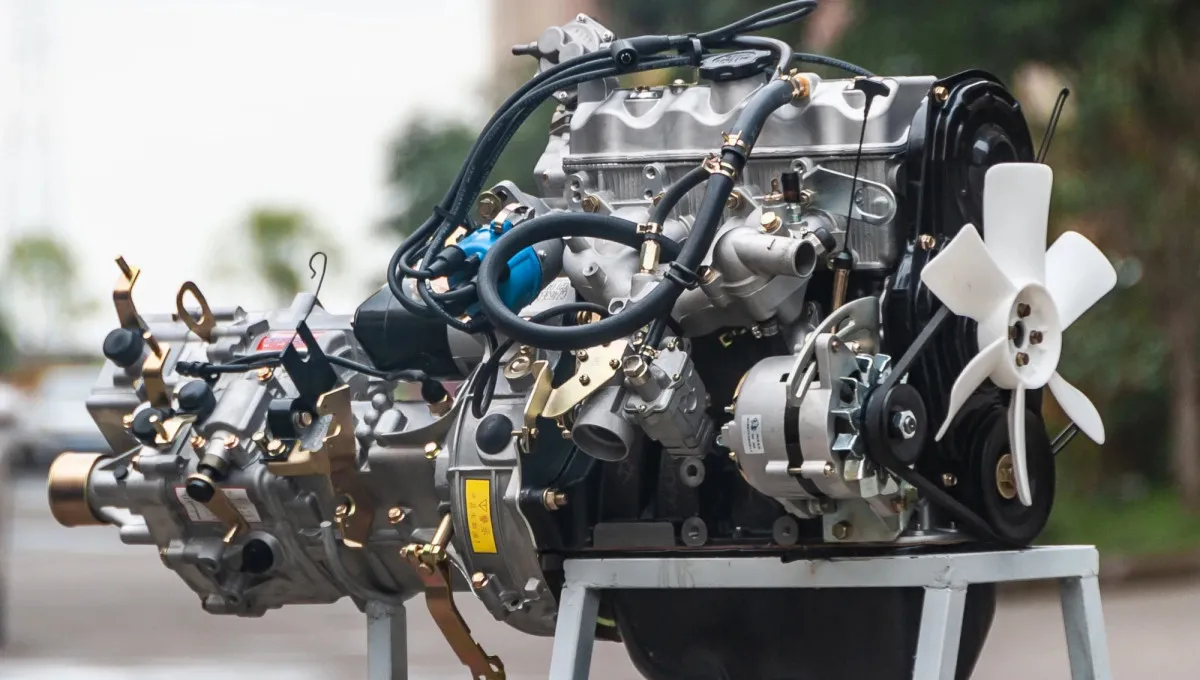
“Are You Sure It’s Chinese?” Who Really Builds China’s Car Engines
Who Really Develops China’s Car Engines?
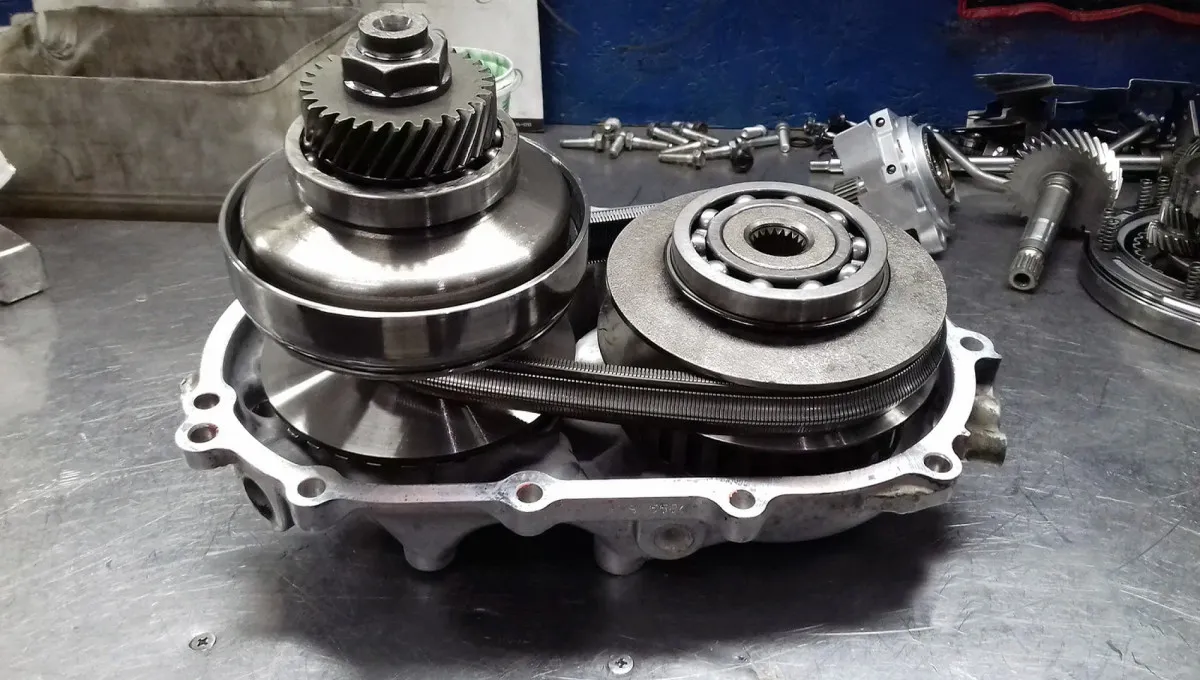
Why Experienced Drivers Still Warn Against Buying a Used Car With a CVT
CVTs offer smooth acceleration and good fuel economy, but expensive repairs and durability concerns make used models risky.
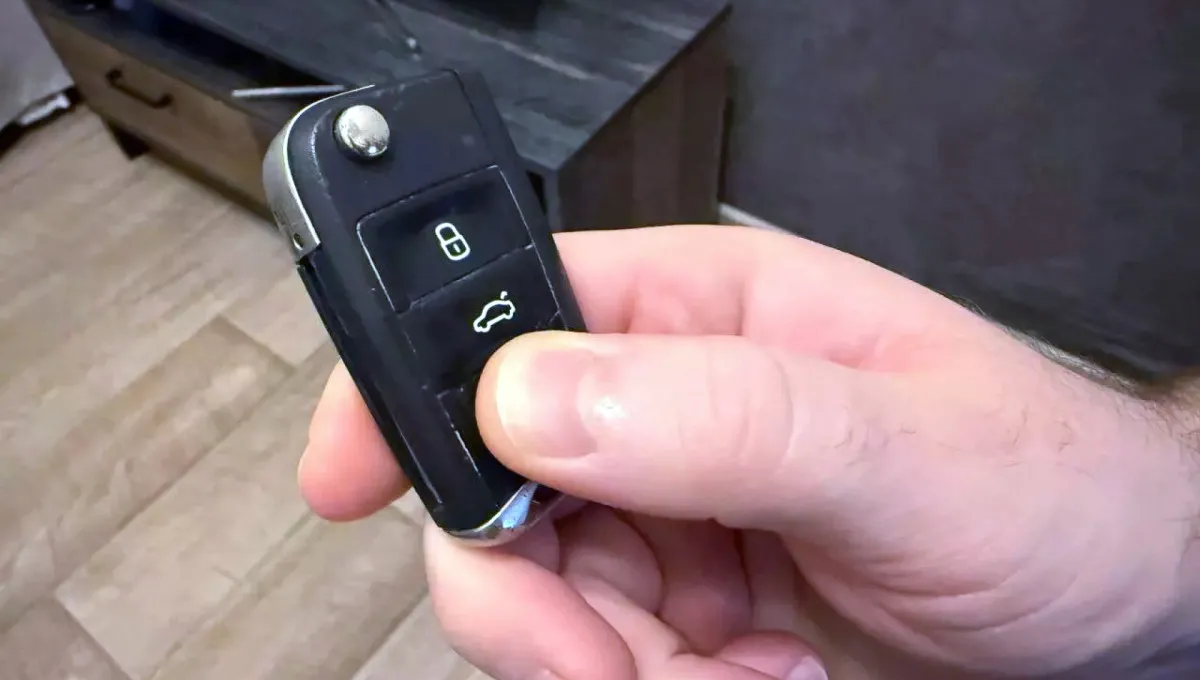
Hidden Key Fob Trick: Open All Your Car Windows With One Button
An auto mechanic explains how drivers can remotely open and close car windows using a key fob, provided the vehicle has the right hardware.
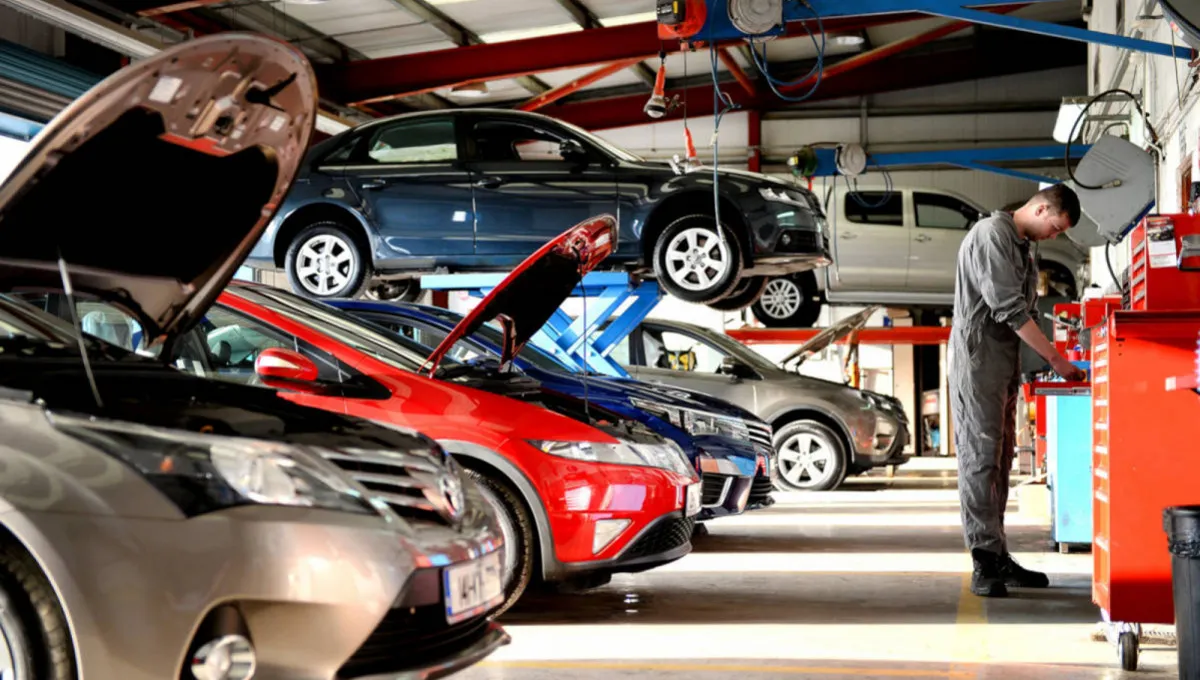
8 Car Maintenance Mistakes That Could Cost You Thousands if You Wait Too Long
Depending on driving conditions, some maintenance tasks may need to be performed sooner and more often than the automaker recommends.
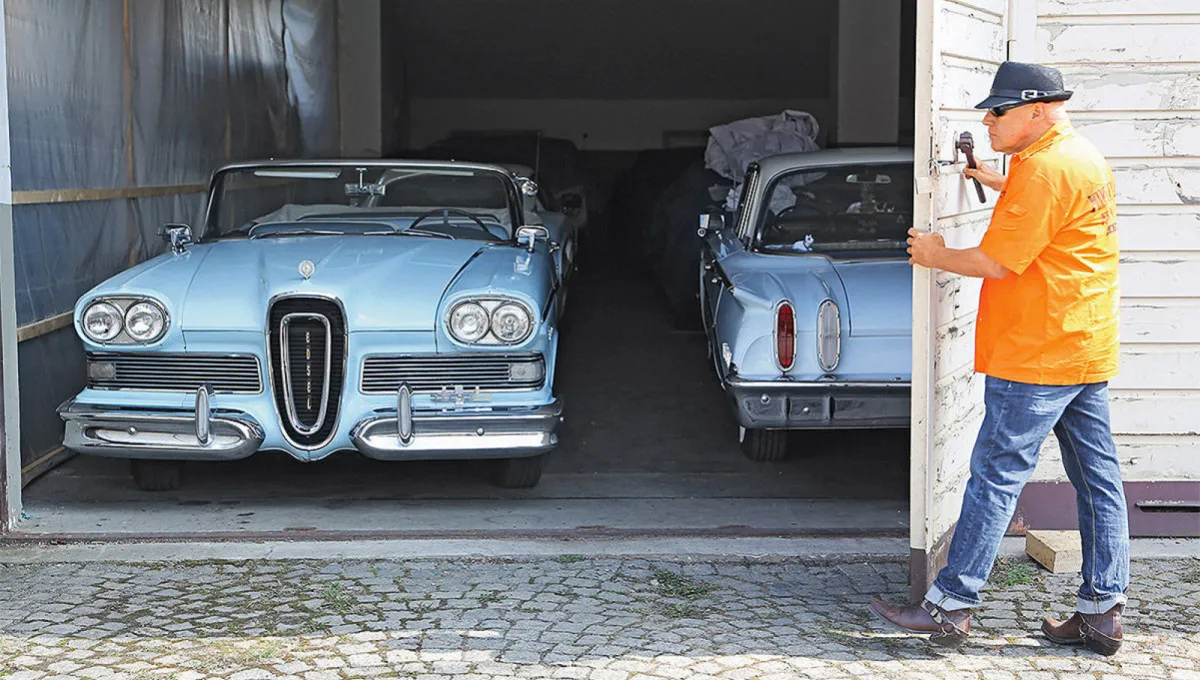
How Long Will Your Car Last? A Guide to Making It Age Gracefully
Automotive experts explain how routine maintenance and timely replacement of aging components can help your car last longer.