
Trump’s Import Taxes Will Hit Americans’ Wallets Badly: Companies Are Already Raising Prices
Ordinary Americans will be the ones footing the bill for Trump’s new tariffs — and it won’t be cheap.
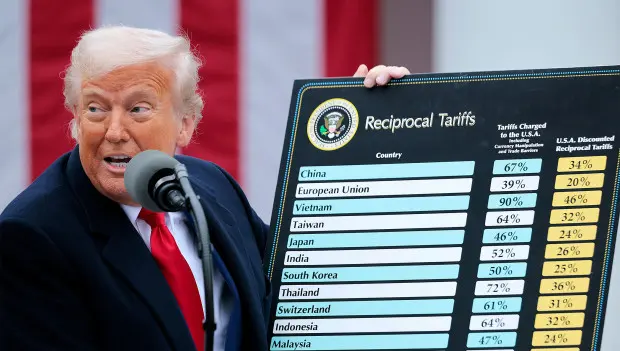
President Donald Trump has introduced a new wave of tariffs targeting dozens of countries that export goods to the United States, framing the move as a way to support domestic manufacturing. But in reality, it’s everyday Americans who will end up paying for these tariffs — and paying a lot.
How much will Americans pay for the tariffs?
According to a new analysis by Goldman Sachs, U.S. consumers are expected to shoulder more than half of all the costs associated with Trump’s latest trade measures, as companies are already starting to raise prices. The findings were reported by Auto30.com, citing Bloomberg.
Goldman’s economists estimate that by the end of 2025, American consumers will cover about 55% of the total cost of the new U.S. tariffs.
- American businesses will absorb another 22% of the burden.
- Foreign exporters will cover roughly 18% by lowering prices.
- The remaining 5% may be avoided thanks to loopholes in the trade system.
“For now, U.S. companies are bearing most of the burden since price adjustments take time,” Goldman economists Elsie Peng and David Mericle explained.
However, they added that, in the long run, American households will ultimately pay more than half the total tariff costs — if these new measures have an effect similar to the previous ones.
Goldman’s data show that the new tariffs have already pushed up the core personal consumption expenditures (PCE) index by 0.44% since the start of the year, potentially driving U.S. inflation to around 3% by December.
A note of caution: The Goldman Sachs forecast does not account for Trump’s latest threats to raise tariffs on Chinese goods to 100%, nor his proposal to restrict exports of key U.S. software. Analysts warn that the administration’s tariff policy toward China presents significant economic risks.
Trump’s position
Trump has been aggressively expanding tariffs and trade restrictions, saying he aims to reduce America’s trade deficit and bring manufacturing back home.
The White House continues to insist that it’s foreign partners who pay the tariffs.
In practice, however, it’s American importers who pay them when goods enter the U.S. market — and consumers who feel the impact through higher prices. Foreign companies only partially offset the costs by cutting their own prices to stay competitive.
Trump, for his part, has dismissed Goldman Sachs’ findings. The president has previously criticized the bank and its CEO David Solomon, accusing them of issuing “false forecasts” about the economic effects of tariffs.
“They were wrong then — and they’re wrong now,” Trump wrote on Truth Social, assuring Americans that the new tariffs will ultimately benefit the U.S. economy.
What we know about Trump’s tariffs
In late July, Trump signed an executive order imposing so-called “mirror tariffs” on more than 40 countries, meaning U.S. import duties now match those applied by America’s trading partners. The base import rate has been set at 10%, but some nations face even higher duties.
Washington also struck a new trade deal with the European Union, setting a 15% tariff on certain goods. Trump hailed the agreement as “the biggest deal ever made,” emphasizing what he called major gains for the American economy.
In practice, though, the tariffs are already driving up prices for imported goods in the U.S. — particularly for audio equipment, musical instruments, and furniture. Major retailers like Costco and Ashley Furniture have begun cutting back on imports or raising prices to offset the added costs.
You may also be interested in the news:
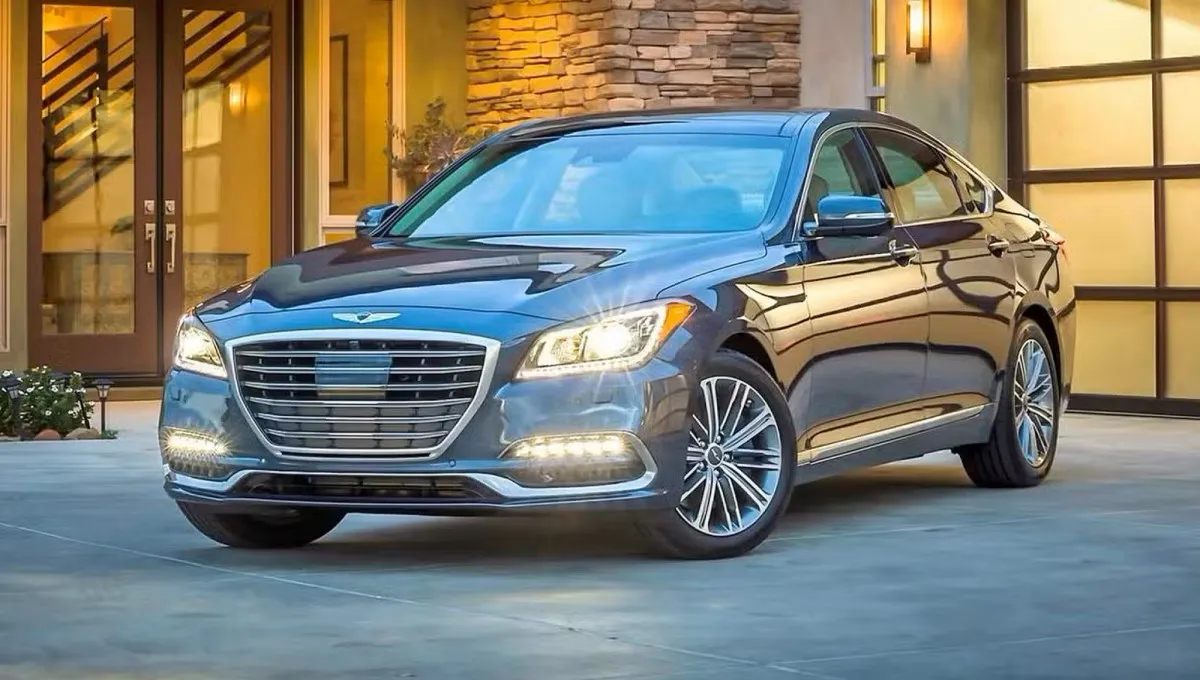
Hyundai Recalls Nearly 95,000 Genesis Sedans Over Fire Risk From Power Seats
Hyundai is recalling 94,622 Genesis sedans after a faulty power seat switch was linked to overheating and potential vehicle fires.
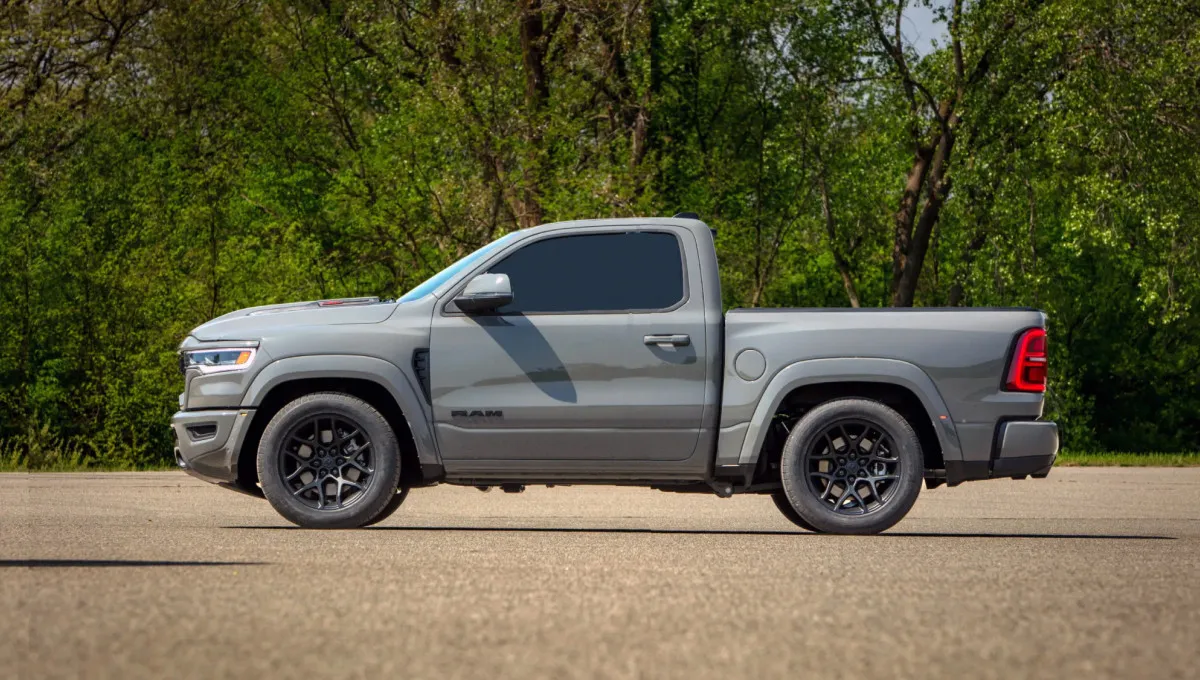
2027 Ram 1500 Rumble Bee: Pricing, Options and How to Build Yours
The 777-HP Ram Rumble Bee Is Coming — But You Can Buy the New Hemi Truck Now
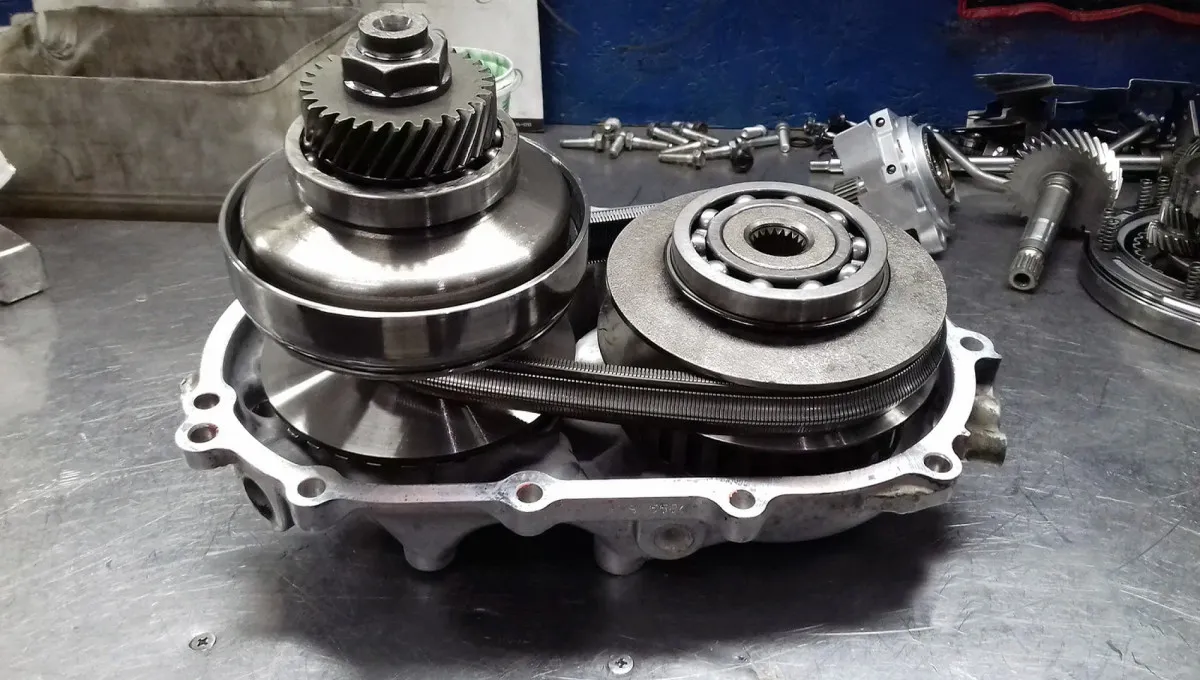
Why Experienced Drivers Still Warn Against Buying a Used Car With a CVT
CVTs offer smooth acceleration and good fuel economy, but expensive repairs and durability concerns make used models risky.
2026 Ram 1500 Recall: 16K Trucks May Have Faulty Tire Pressure Sensors
Ram is recalling 16,385 model-year 2026 Ram 1500 trucks

Harley-Davidson Riders Could Face $2,500 Fines Under New Law Targeting ‘Weaving’ on Roads
Arizona’s new motorcycle law targets lane splitting, exposing repeat offenders to steep fines, possible jail time, and license suspensions.