
GM Abandons Its Hydrogen Technology: The Company Shifts Course
General Motors, long a proponent of hydrogen as part of the future of transportation, is changing direction.
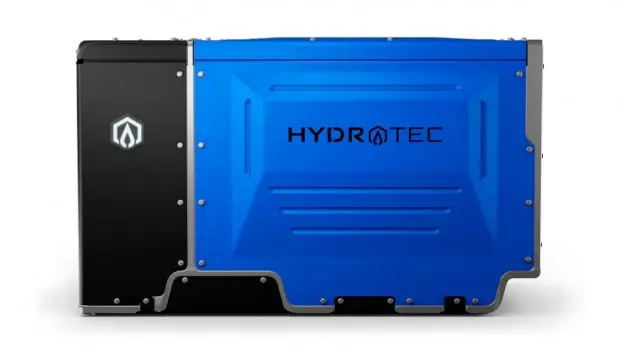
General Motors, once one of the earliest and most vocal supporters of hydrogen technology, is shifting its strategy. The automaker is winding down development of next-generation fuel cells under its Hydrotec brand and turning its focus toward battery-electric vehicles instead.
Hydrotec systems were originally designed for a wide range of applications — from the SURUS concept to heavy-duty mining trucks. GM had also explored the use of Hydrotec PowerCube modules to supply power to mobile charging stations, capable of recharging EVs in remote areas.
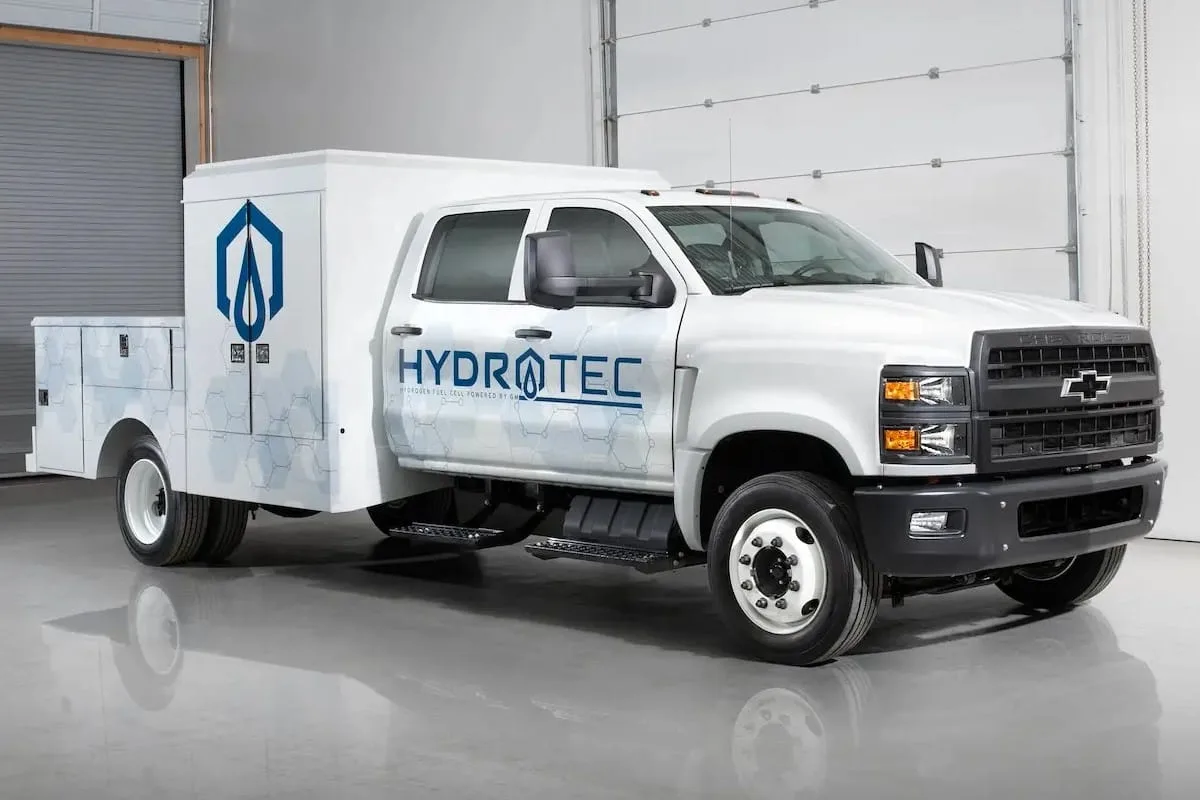
However, the company has acknowledged that the road to a profitable hydrogen business remains “long and uncertain.” Among the key challenges cited are high equipment costs and the severely limited fueling infrastructure.
GM said it will now concentrate on technologies that have already proven effective and commercially viable — namely, electric vehicles. Still, the company isn’t abandoning hydrogen entirely: it continues to see potential for the technology in industrial applications, heavy transport, and backup power systems.
Production of hydrogen fuel cells for energy applications will continue through Fuel Cell System Manufacturing, GM’s joint venture with Honda.
You may also be interested in the news:
“Are You Sure It’s Chinese?” Who Really Builds China’s Car Engines
Who Really Develops China’s Car Engines?
Elegance for Everyone: How Chevrolet Made Its 1960 Cars Stand Out
Chevrolet toned down its extravagant 1959 styling for 1960, bringing a more refined look to its affordable full-size cars.
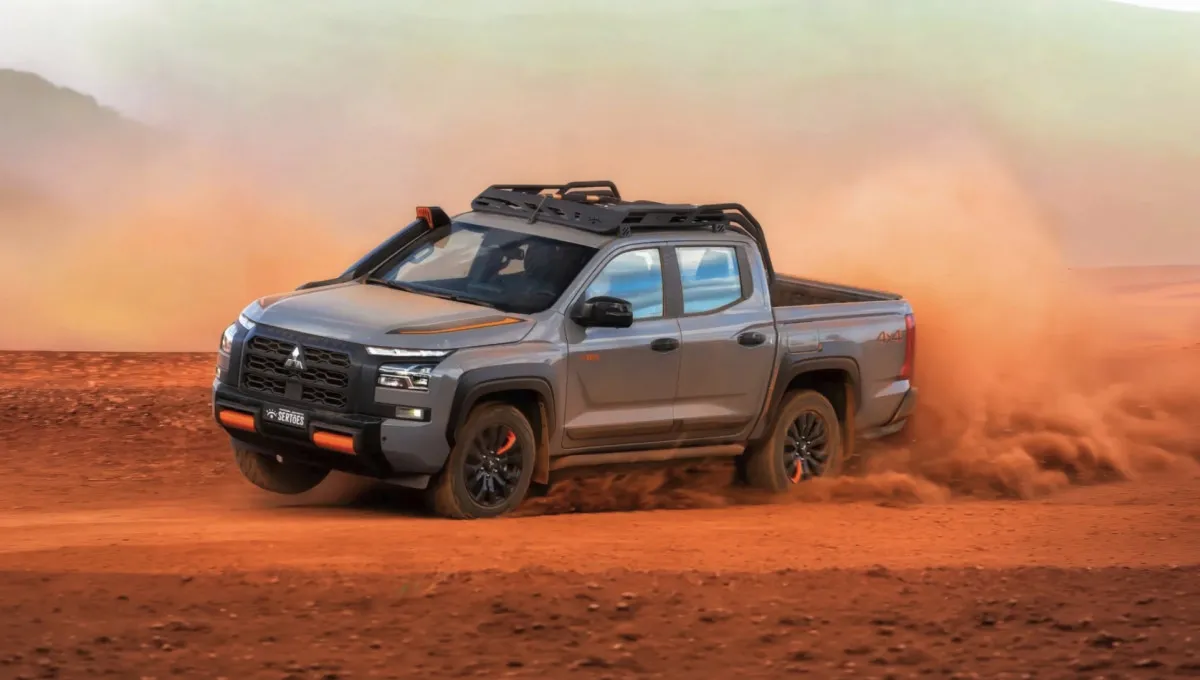
Honda Could Launch a Mitsubishi-Based Midsize Pickup in 2028
Honda could enter the midsize pickup market with a rebadged Mitsubishi Triton, expanding its Southeast Asian lineup as early as 2028.
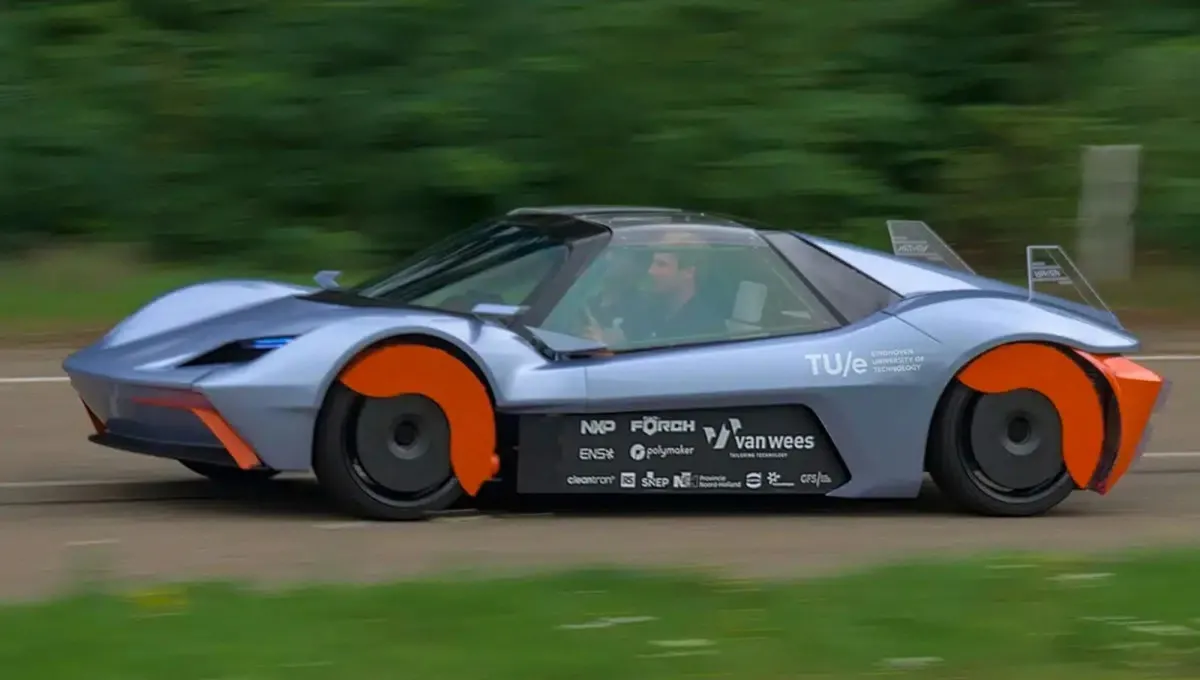
Students Develop an Electric Car That Captures Tire and Brake Dust
A student-built electric concept aims to reduce road pollution by collecting microscopic particles released by tires and brakes.
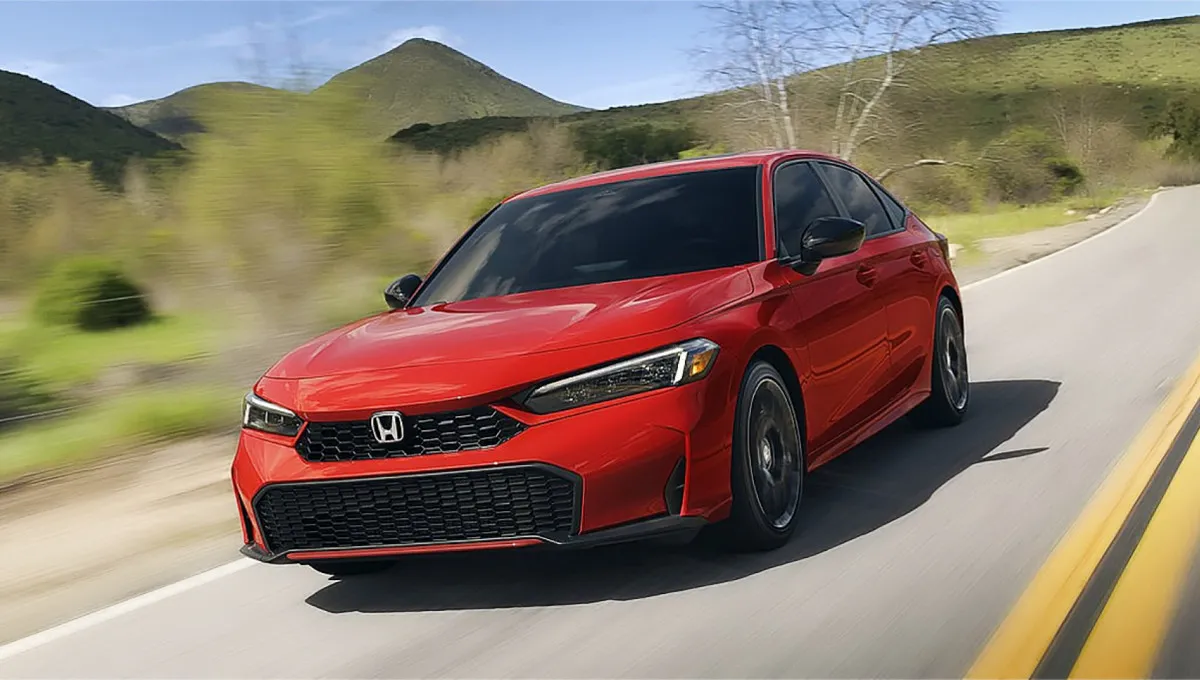
The 2027 Honda Civic Just Got More Premium — And It Still Starts Under $27,000
Honda has updated the Civic for the U.S. market, adding premium features and new driving technology without significantly raising prices.