
Tesla Recalls Thousands of Powerwall 2 Home Batteries Over Fire Risk
A flaw inside each cell: why some Tesla home batteries are suddenly overheating and catching fire
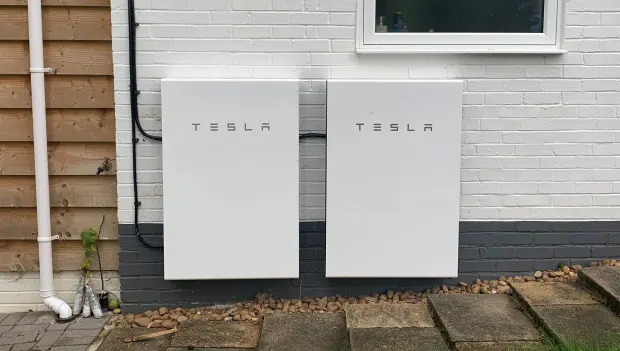
Tesla is widening a major recall — this time involving its home energy-storage units. The company says certain Powerwall 2 systems can overheat and emit smoke, creating a real risk of fire. Tesla has already begun taking action. Here’s what’s behind the issue.
The U.S. EV maker is expanding a service campaign that originally rolled out in Australia last September. The recall has now reached the United States after engineers identified a potentially dangerous defect that can cause the units to overheat, smoke, or in rare cases ignite.
According to The Verge, citing data from the U.S. Consumer Product Safety Commission, the problem stems from faulty battery cells supplied by an outside manufacturer. When these cells fail, the system may stop operating normally, which is what leads to the hazard. So far, officials have recorded 22 overheating cases, six incidents involving smoke, and five situations in which the units actually caught fire, resulting in minor property damage. Fortunately, no injuries have been reported.
Roughly 10,500 Powerwall 2 units sold through Tesla’s official website and installed by certified technicians between November 2020 and December 2022 fall under the recall in the U.S. These units can be identified by the “Powerwall 2” label on the side panel. Tesla says most of the affected batteries have already been remotely discharged and “no longer present an operational risk.” Any remaining units will be shut down onsite by technicians.
Tesla is covering all costs tied to the remedy. The company will remove defective units and replace them with new ones at no charge. Owners are being notified through the Tesla app and will be contacted directly by certified installers via email or phone to schedule a convenient replacement date. Anyone with questions is encouraged to reach out to their installer or Tesla’s support team.
You may also be interested in the news:
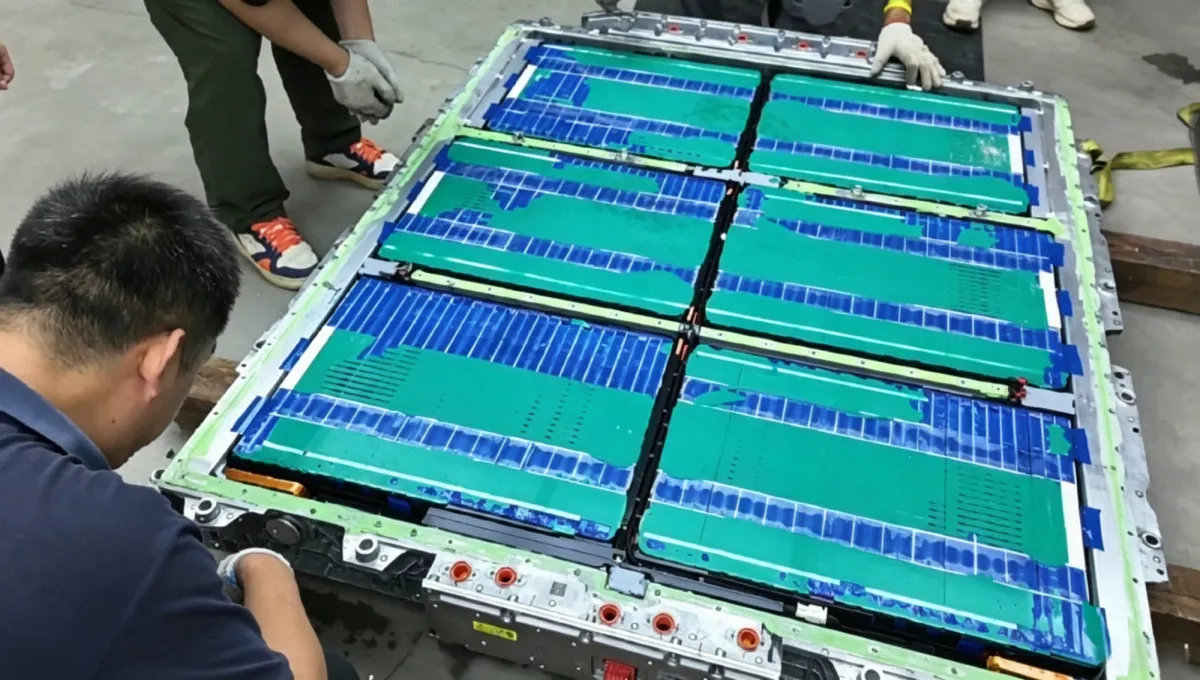
BYD Patents a Battery That Is Cooled by Literally Submerging It in Liquid
A new BYD patent describes a battery architecture that uses dielectric fluid to cool battery modules while keeping electrical components dry.
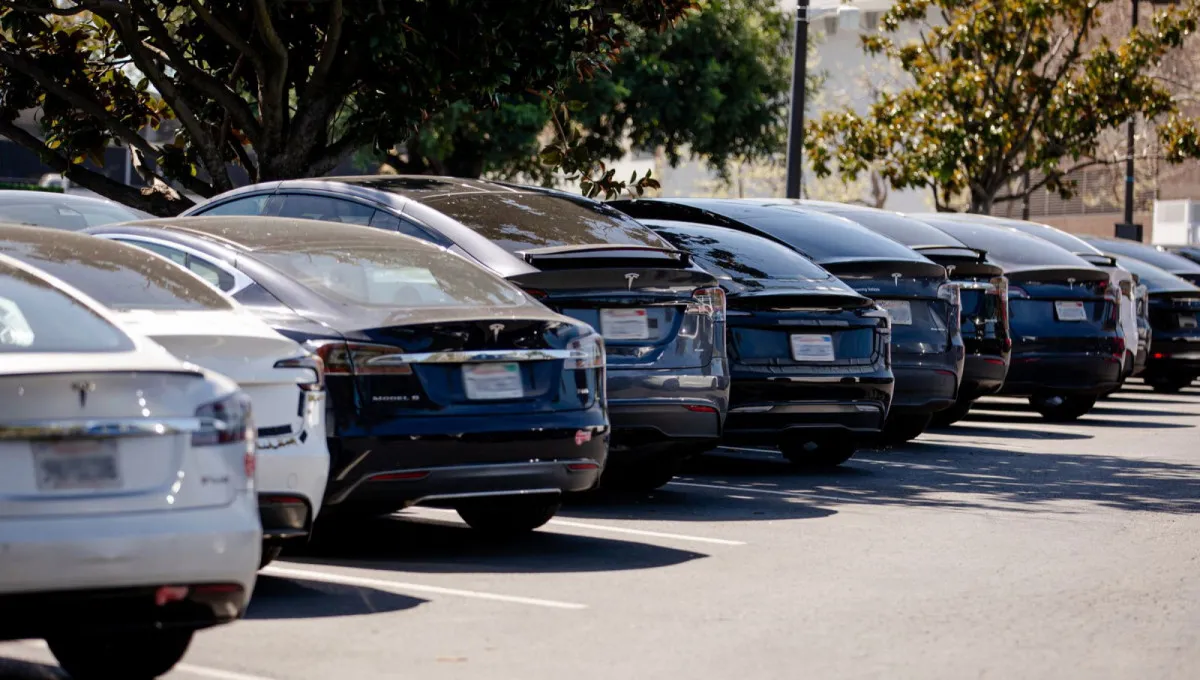
He Sold His House to Buy 20 Teslas—Then Sold 213 of Them in One Year
A car dealer admitted he briefly questioned his decision after betting his property money on a fleet of Teslas.
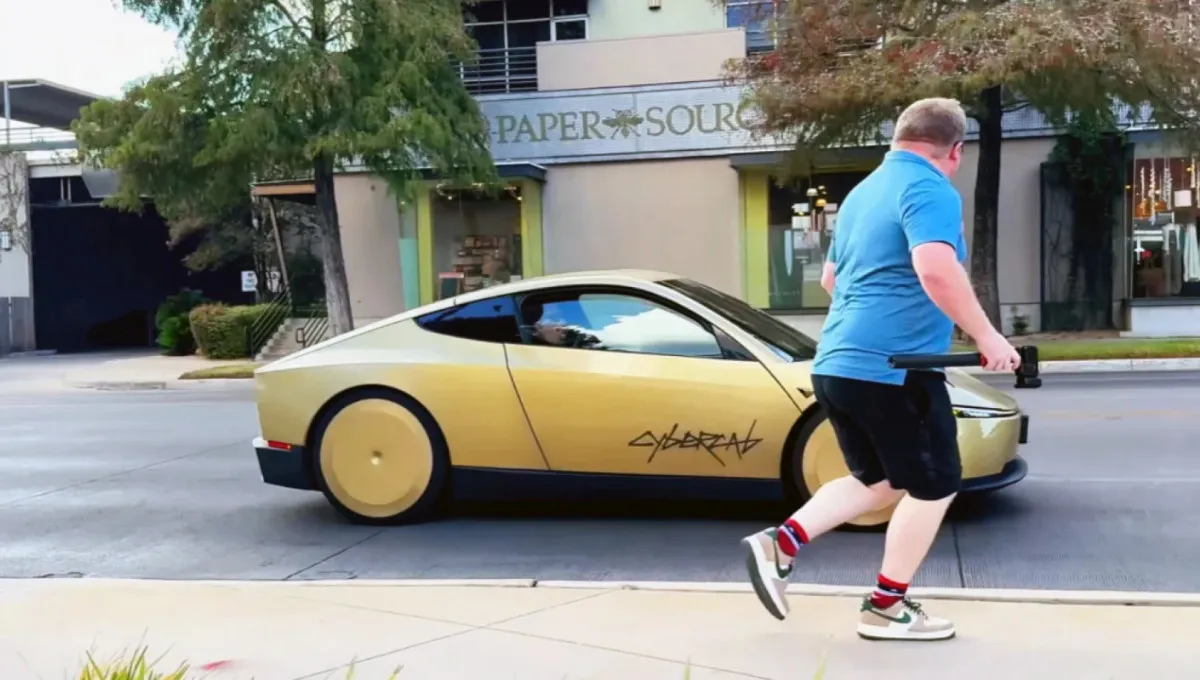
Washington Man Steps in Front of Tesla Cybercab to Test Its Self-Driving Response
Washington man stepped into a Cybercab’s path to test how quickly its autonomous system responded.
3 Signs Your Car Battery Is About to Die — And the Warning Signs Drivers Often Miss
A failing car battery rarely dies without warning, and these three signs can give drivers time to act before getting stranded.
Tesla Patents Laser Windshield Wipers Again in 2026
Tesla is once again pursuing laser windshield cleaning, but the technology raises serious questions about cost, reliability and safety.