
PSA: How to Clear a Musty A/C Smell Without Lifting a Finger
A simple step-by-step routine that keeps your car from developing that nasty A/C smell.
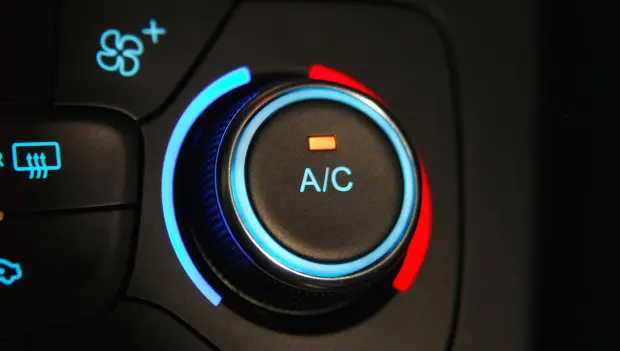
The headline isn’t entirely precise — the goal isn’t to remove the smell of mold, but to keep it from appearing in the first place. There’s a quirk in how automotive air conditioners work that, during regular use, can eventually lead to that unmistakable musty, “rotten” odor. It’s caused by completely normal processes inside the system.
Think of the A/C evaporator as an open freezer with a blow dryer pointed at it. As it cools the air, moisture condenses and melts off in the form of water, which drains under the car through a small outlet. (This explains why people unfamiliar with A/C systems often panic when they see water dripping onto the pavement.)
While the A/C is running and the car is moving, moisture constantly forms on the evaporator — the one buried inside the dashboard — and constantly drains out. But as soon as you park the car and shut off the engine, everything stops in a very wet state. The bulk of the water drips out, but the evaporator itself stays damp. And once the car sits with no airflow at all, that trapped moisture turns into the perfect environment for mold and bacteria.
That’s where the eventual foul smell comes from, and why people end up paying for A/C system disinfecting. But you can avoid all of that with one simple habit.
If you’re running the A/C all day — even with quick stops for groceries or gas — you don’t need to do anything special. Short breaks aren’t long enough for trouble to start.
But when you know you’re heading home and the car is about to be parked for the night, there’s one key step: about five minutes before you arrive, turn off the A/C, redirect airflow to the floor vents, and set the heater to full blast.
The hot air dries out the evaporator, leaving no moisture behind for mold or bacteria to grow.
After more than ten years of driving various cars with A/C systems, using this simple drying routine has meant never once needing a professional disinfecting treatment.
You may also be interested in the news:
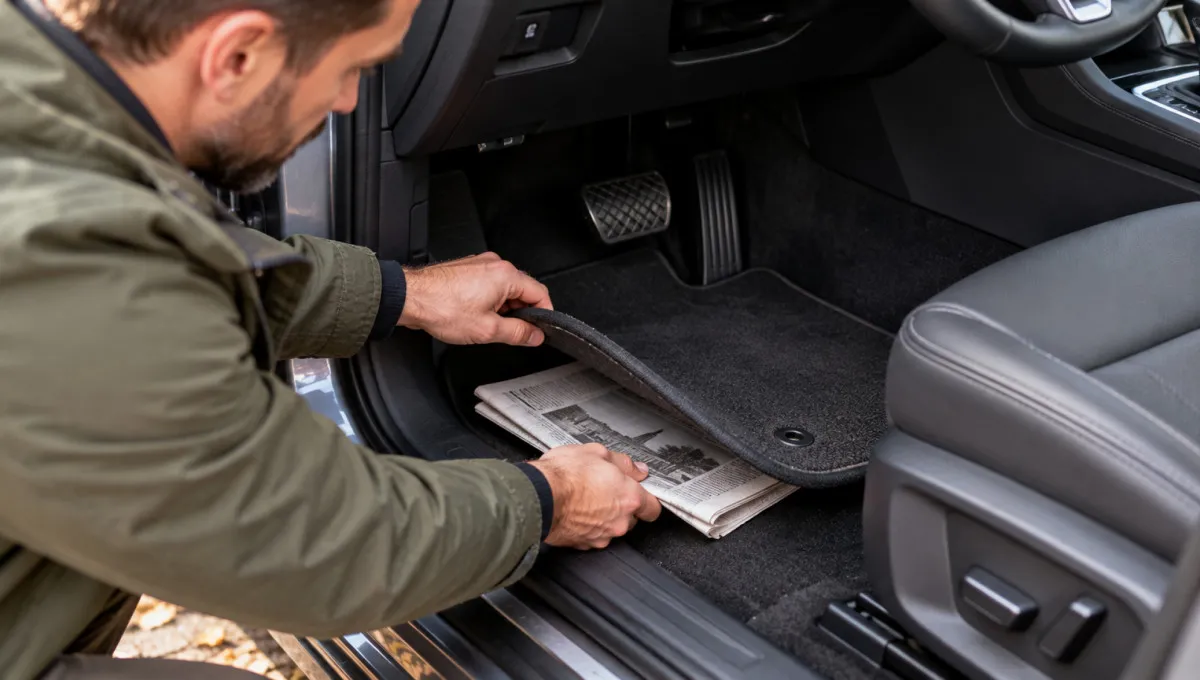
When the First Freeze Hits, Put Newspaper Under Your Floor Mat: An Old Winter Driving Trick
Newspaper under a floor mat can help protect a car's floor from winter moisture, but it requires regular attention.
How a Repair Shop Can Overcharge You: What Every Driver Should Know
An experienced mechanic knows how to increase a repair bill, and drivers should know what to watch for before approving work.
How to Find the Source of a Car Interior Rattle in 15 Minutes
A simple trick can help drivers pinpoint an annoying interior rattle without taking apart half the cabin or visiting a repair shop.
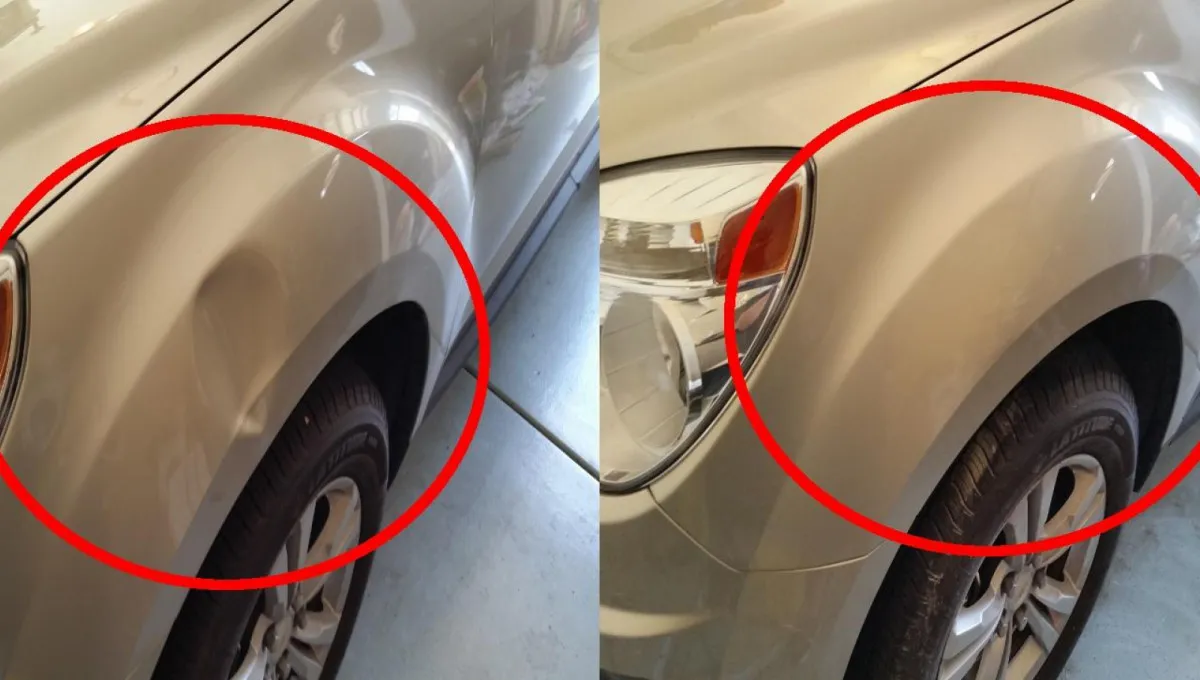
The Dent Can Disappear Without a Trace: How to Repair Car Body Damage Without Paint
Paintless dent repair can restore a damaged panel to its original shape, but only when certain conditions are met.

What Does a Flashing Red Traffic Light Mean? Can You Keep Driving?
Drivers must come to a complete stop at the stop line before deciding whether it is safe to proceed.