
Geely and Renault Unveil Their “Hybrid System of the Future”: What Sets It Apart
The setup comes in two versions, including a configuration with dual electric motors.
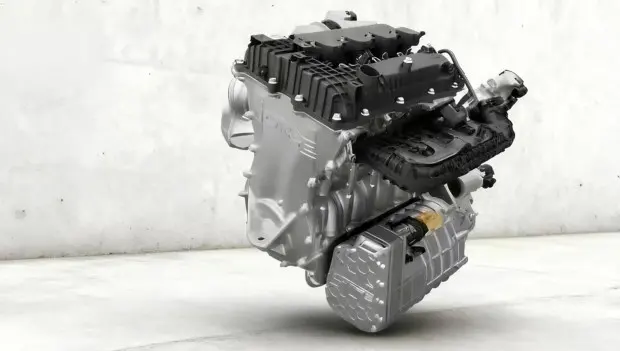
Horse Powertrain — the joint venture formed by Geely Holding and Renault Group — is planning to transition existing EV platforms into what it calls “flexible hybrid vehicles” or extended-range hybrids. This week, the company pulled the curtain back on its so-called Hybrid System of the Future, a program slated to launch in 2027.
The system, part of Horse Powertrain’s X-Range lineup, first appeared as a concept at the Shanghai Auto Show in early 2025. It has since been refined and was later showcased at the IAA Mobility show in Munich that same year.
The architecture brings together the internal combustion engine, transmission, electric motor, and power electronics in a single compact package. Buyers will see two options: a dual-motor P1+P3 setup measuring 740 millimeters wide, and an ultra-compact P2 configuration at 650 millimeters.

Both versions are designed to work with a 1.5-liter four-cylinder engine paired with a dedicated hybrid transmission. According to the company, the tight packaging trims the front overhang by roughly 150 millimeters compared with conventional hybrid layouts. That makes it possible to mount the power unit on the subframe of an existing EV with only minimal changes to the body structure or production line.
Horse Powertrain says the system supports multiple powertrain formats, including plug-in hybrids (PHEV) and extended-range hybrids (EREV), and can deliver either front-wheel or all-wheel drive — even in smaller vehicles.
The company also notes that the design retains many of the front-end components typical of fully electric platforms, allowing manufacturers to reuse a large share of existing EV parts and reduce environmental impact in the process.
Another notable feature is broad fuel compatibility. The system is said to run on gasoline, ethanol, methanol, and synthetic fuels — a nod to the global shift toward lower-carbon, adaptable propulsion technologies.

A three-cylinder version now in development may shrink the system’s width by an additional 70 millimeters, making it a better fit for subcompact models.
For context, Horse Powertrain — founded in mid-2023 — operates globally with 17 production sites, five R&D centers, and around 19,000 employees. The new hybrid system is intended to give automakers a way to convert EV platforms into hybrids or extended-range models quickly and without major retooling.
Industry analysts say the strategy reflects a broader push to accommodate diverse market demands and the varying fuel infrastructures across regions where these vehicles will be sold.
You may also be interested in the news:
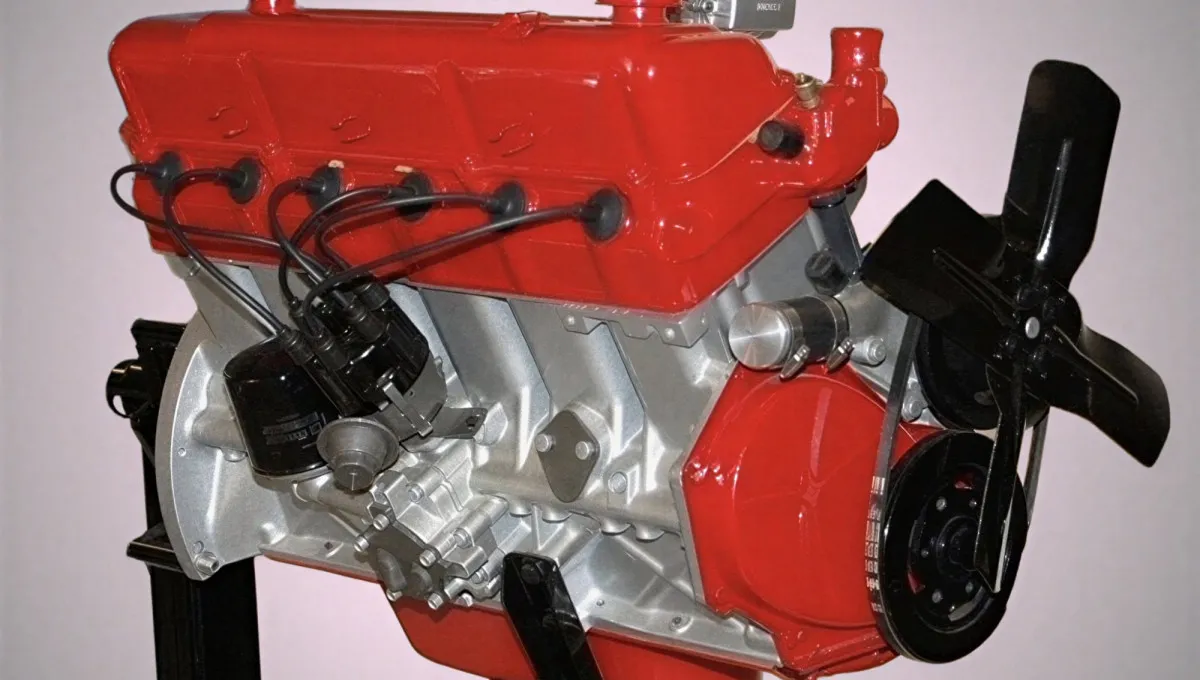
Chrysler's Aluminum Slant 6 Engine: The Lightweight Experiment of 1961–1963
Chrysler built more than 50,000 cars with an aluminum-block Slant 6 before production challenges brought the project to an end.
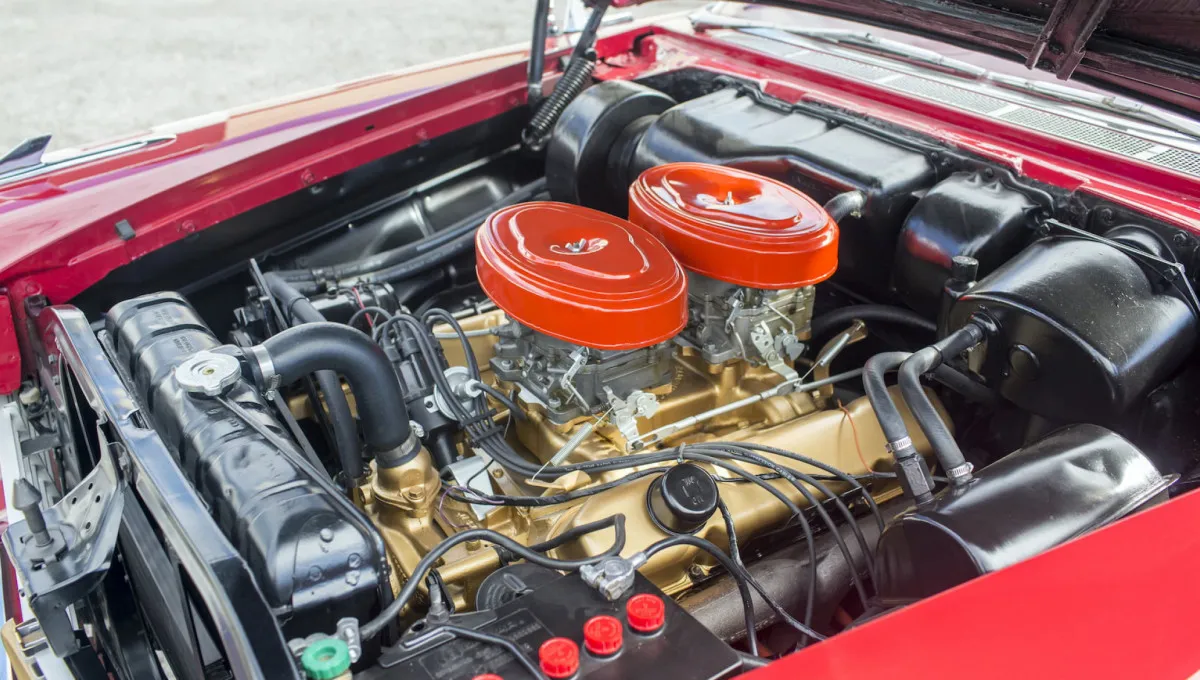
Chrysler’s Hemi Was Too Expensive to Build. Its 1958 Plan B Became a V8 Legend
After its famous Hemi V8s, Chrysler took a new direction in 1958 with a simpler, more affordable engine.
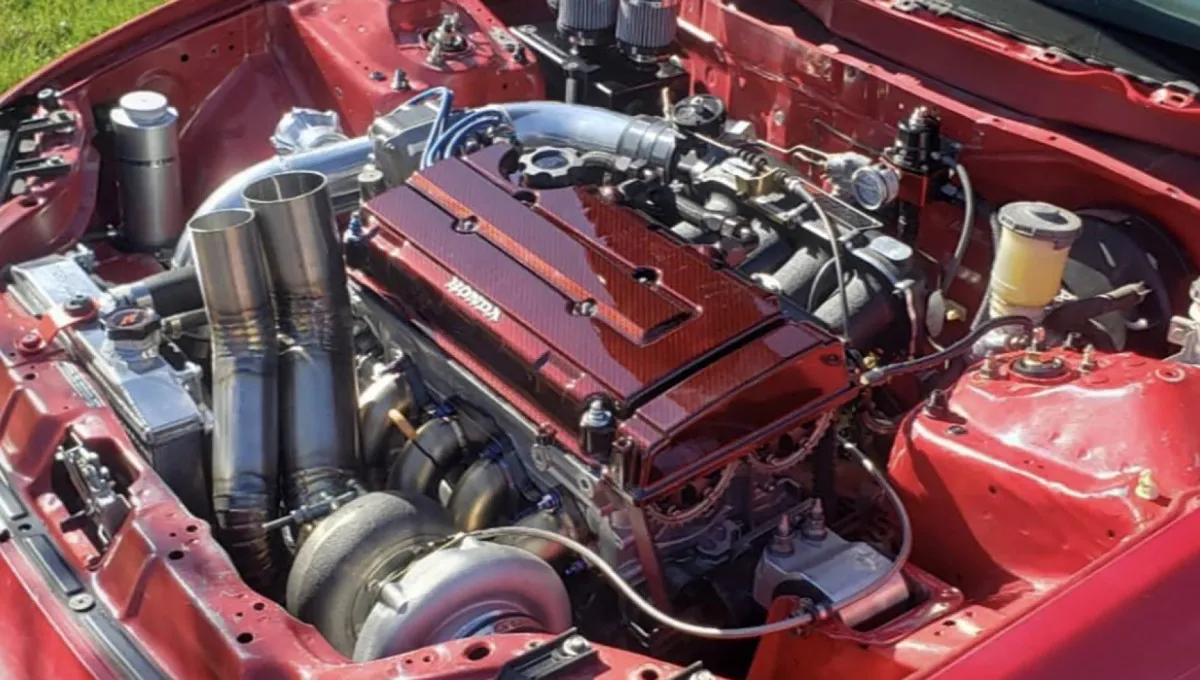
Honda K-Series Engines Can Go Past 300,000 Miles — Here's Why They're So Reliable
How long can a Honda K-series engine last, and what makes this family of Japanese engines so durable?
Your Engine Could Be Warning You: 6 Problems That Can Make a Car Run Rough
Engine problems rarely happen without a reason, and six common issues can cause a car to run poorly.
GM Just Unleashed an 8.3-Liter Diesel V8 to Take on Ford’s 1,200-Lb-Ft Power Stroke
General Motors has confirmed an all-new 8.3-liter Duramax V8 diesel called Mongoose for the 2027 Silverado HD and Sierra HD.