
Why Henry Ford Ordered the Corners of His Factories Painted White
A century ago, automotive pioneer Henry Ford demanded all sorts of unusual things from his workers.

A century ago, automotive pioneer Henry Ford demanded all sorts of unusual things from his workers. One of them was his recurring order that the corners of his factory floors be painted mostly white. The industrial titan insisted this helped cars roll off the assembly line in better condition. Here’s what was behind that idea.
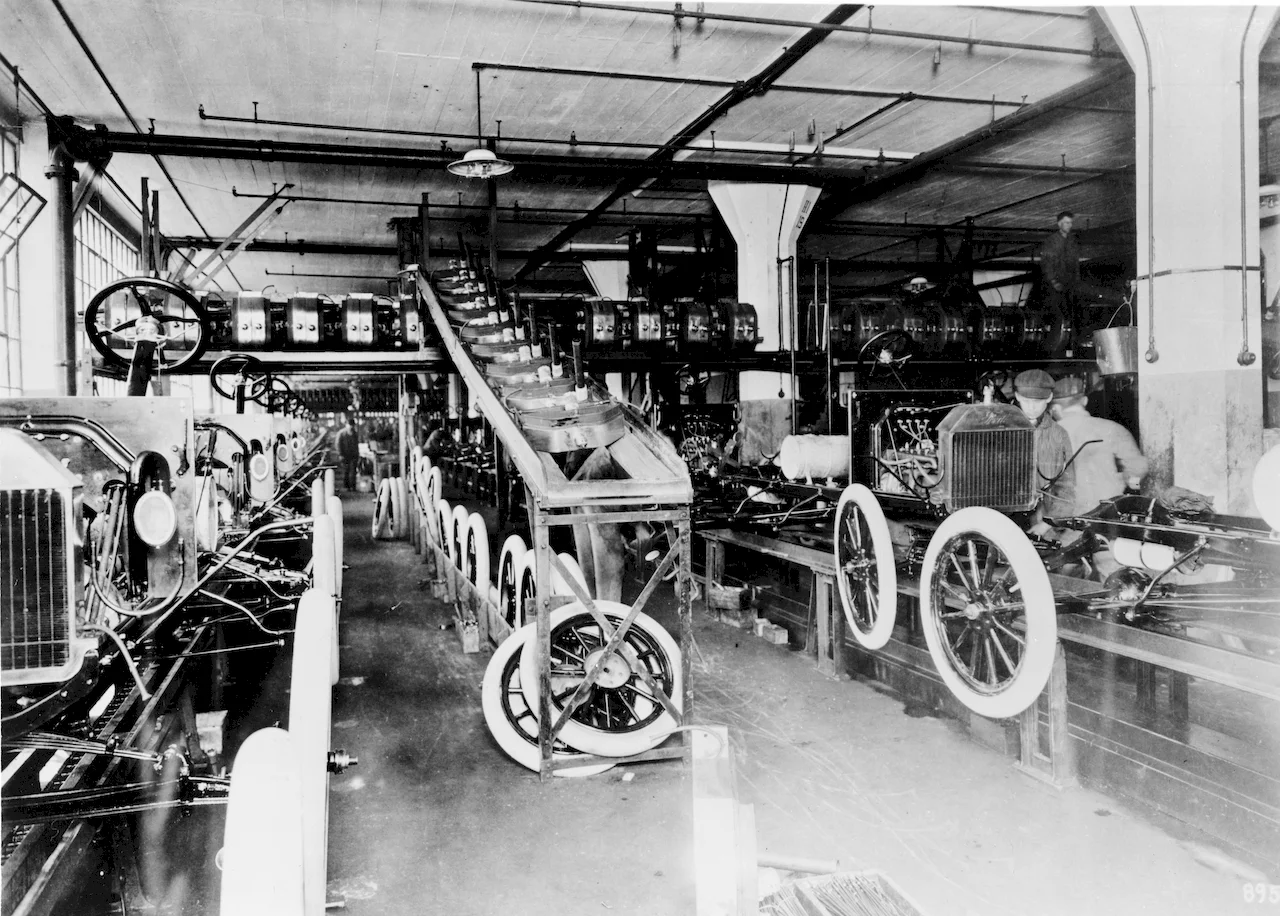
Let’s start with some background. In manufacturing, there’s a concept known as “production culture.” When it’s weak, trouble usually isn’t far behind. Production culture largely determines how well work is performed and how likely defects are to occur. Good factory management—anywhere—will do everything possible to improve workmanship and raise employees’ sense of responsibility for the quality of their labor.
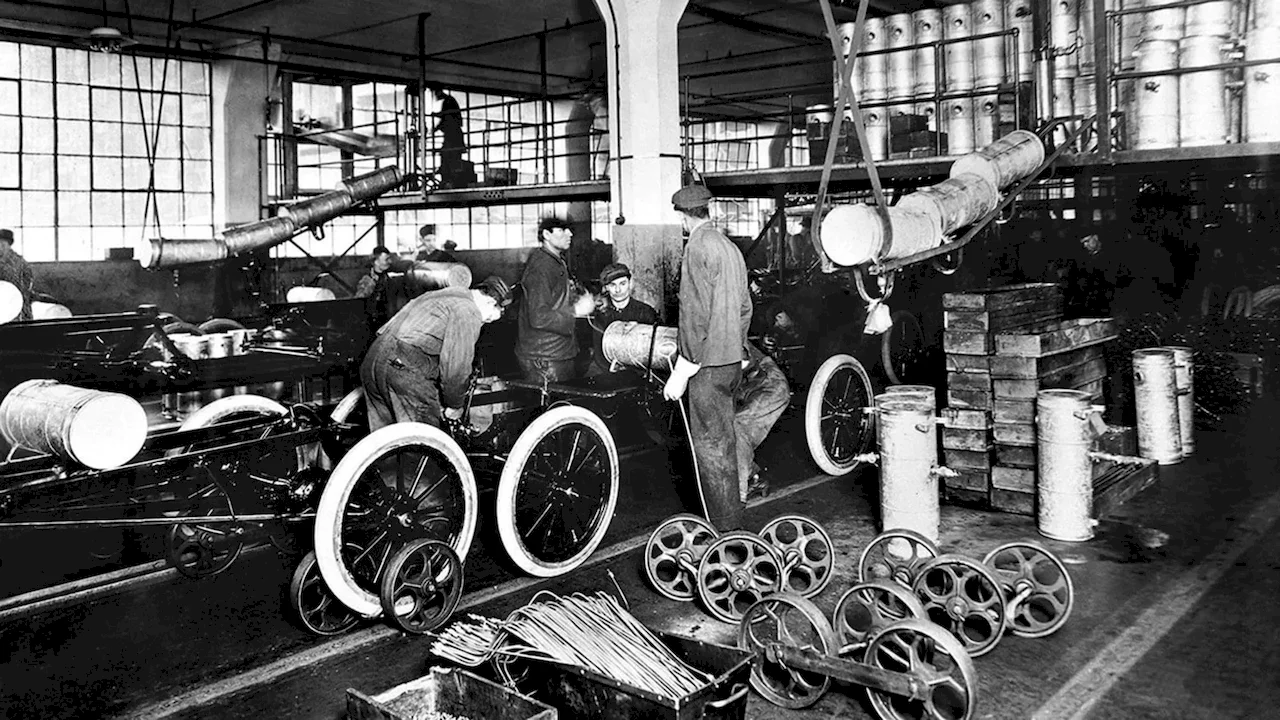
Germany offers a vivid example of this battle for production culture. In the 1930s, it was extremely difficult to maintain high standards on the factory floor. But it was necessary to reduce defective output, increase productivity, and improve overall assembly quality.
German manufacturers tried all sorts of methods, but most proved either insufficient or short-lived. Eventually, factories adopted something close to military discipline— and it worked.
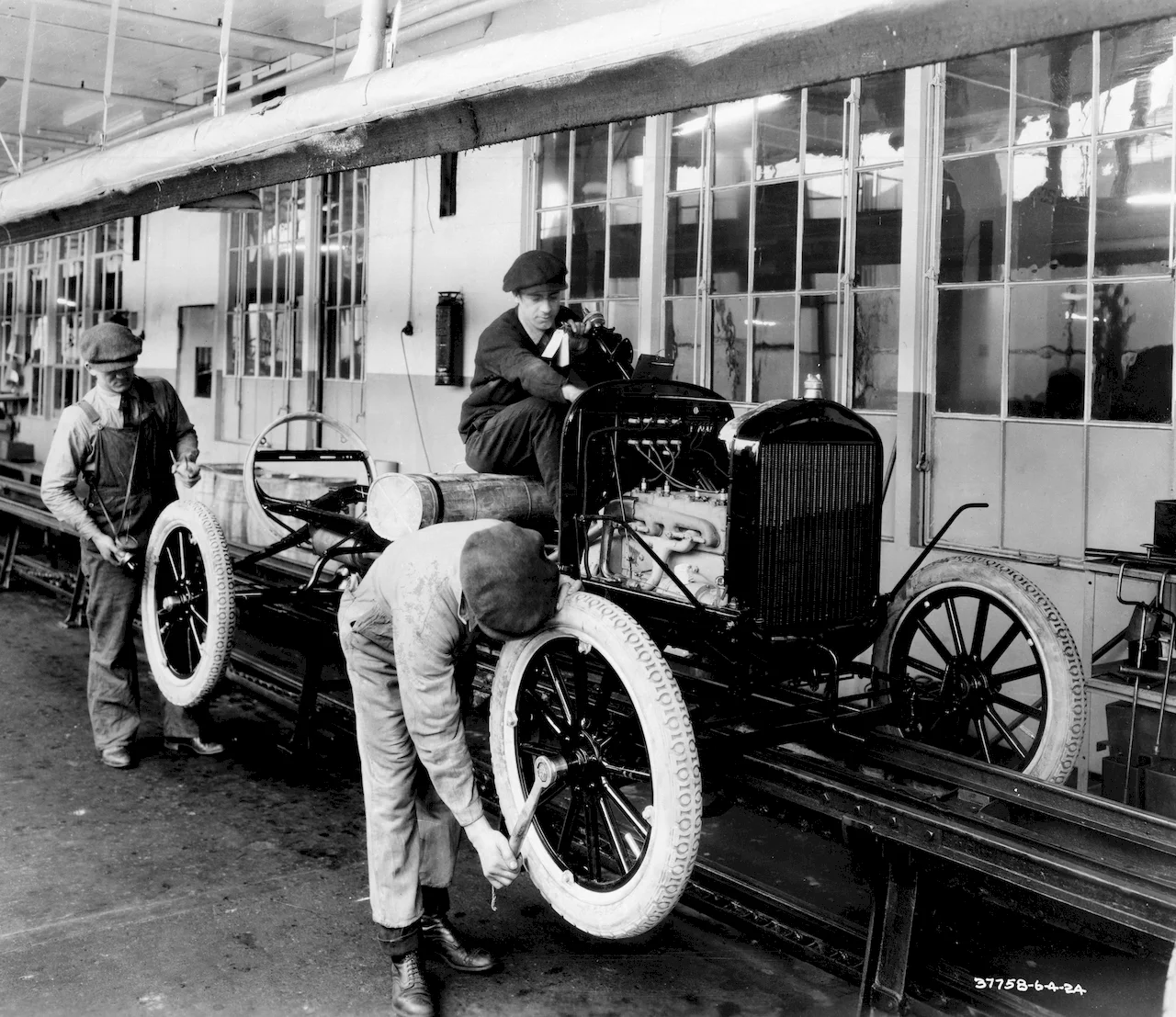
The first step was relocating critical operations into well-ventilated, naturally lit spaces. These seemingly small changes produced immediate benefits.
German workers were also expected to maintain and improve the grounds around their plants—keeping lawns trimmed, sidewalks clean, and even making sure workplace trash bins were emptied on time.
So why bring up this story?
Because Ford’s factories in the early days of the auto industry faced much the same problems.
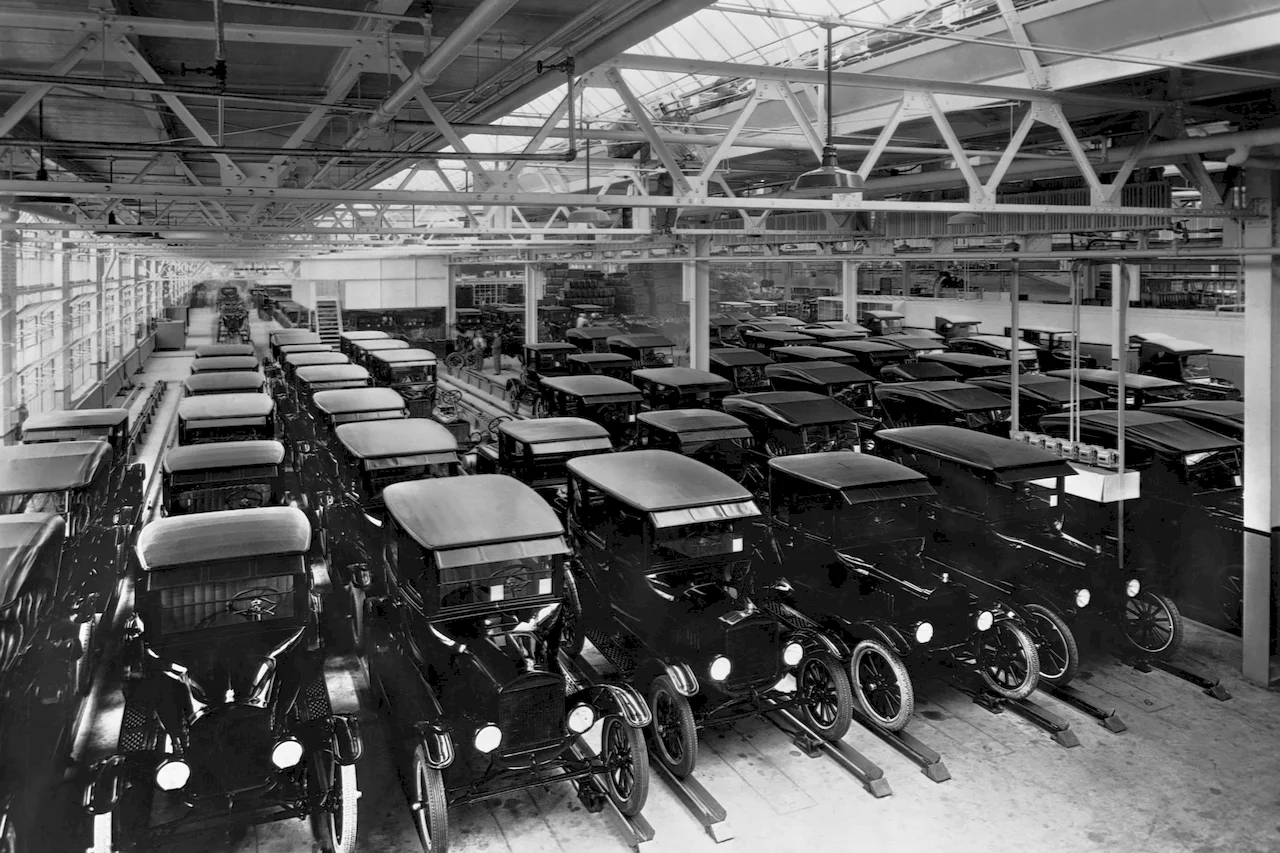
Early on, the plants were chaotic, and “discipline” was practically a dirty word. Workers also had a bad habit of tossing trash and scrap into the corners of the shop floor. The mess interfered with production, so Henry Ford began imposing order, requiring employees to keep themselves and the factory tidy. Corners were painted a light color so it would always be obvious they were clean and empty.
You may also be interested in the news:

These 8 Cars Went Over 1 Million Miles — They Just Don’t Build Them Like They Used To
Some cars outlast generations of owners, proving that careful maintenance and durable engineering can deliver extraordinary mileage.
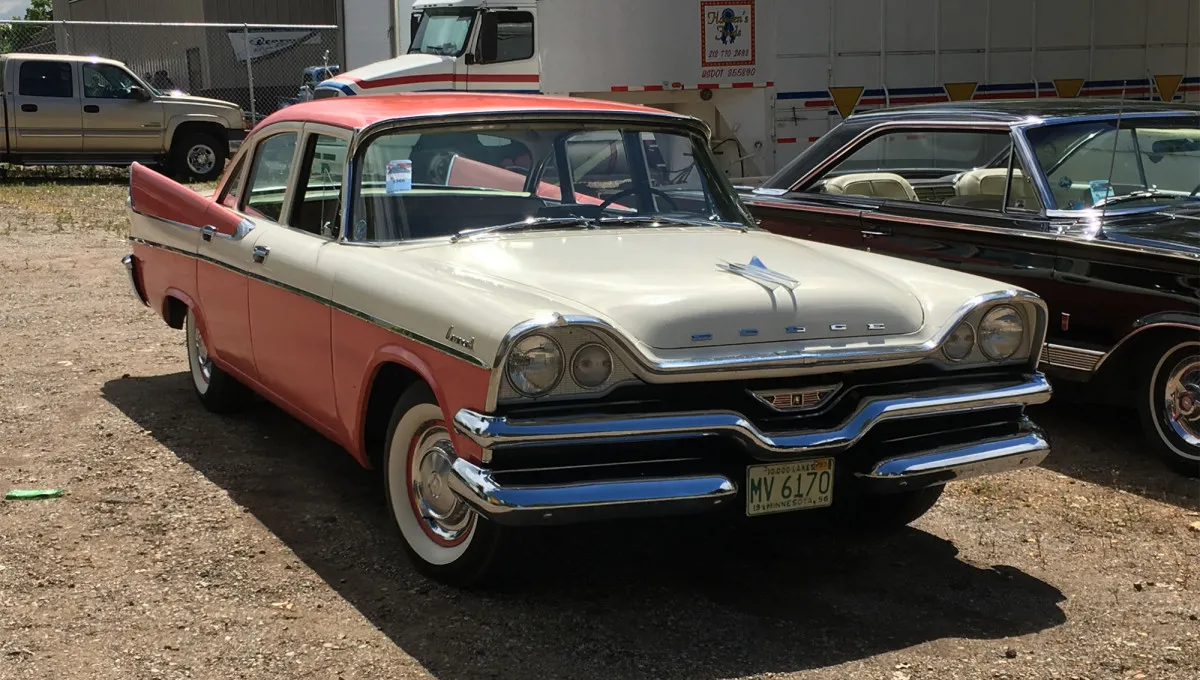
The 1957 Dodge: How “Autodynamics” Shaped One of Detroit’s Boldest Designs
The 1957 Dodge Looked Like a Dream Car, but Its Biggest Flaw Was Hiding Beneath the Surface.
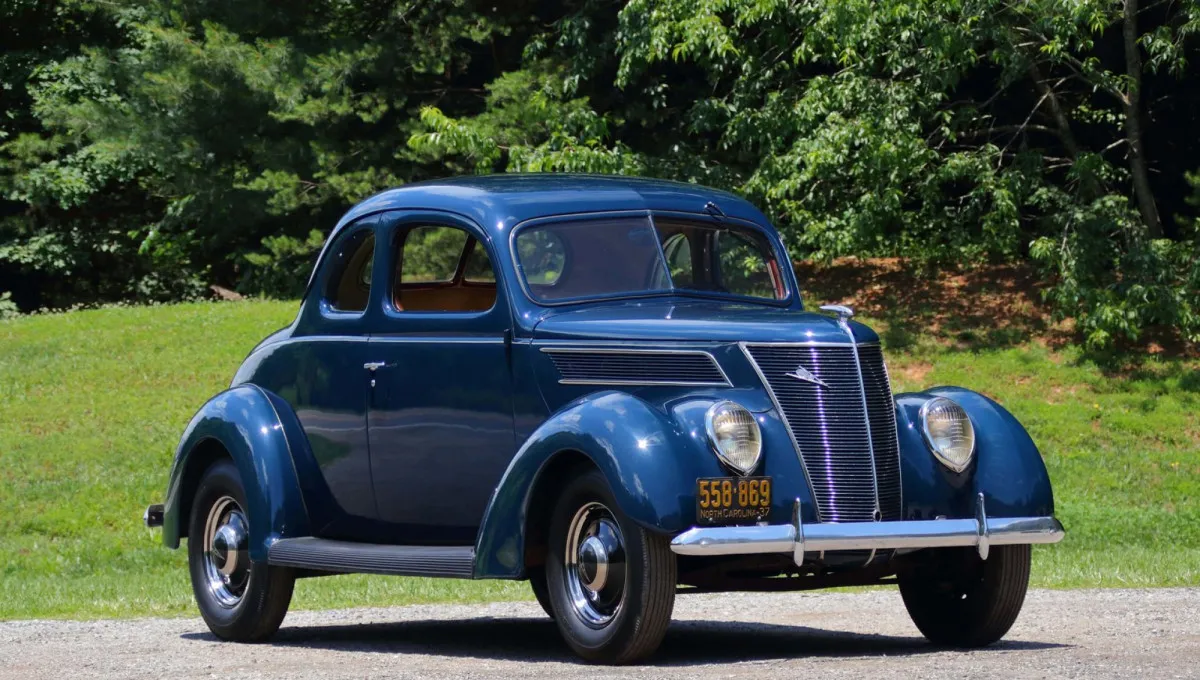
The 1937 Ford Was a Quality Car at an Affordable Price — Here’s What Made It Stand Out
The 1937 Ford featured several major changes and improvements. Let’s take a closer look.
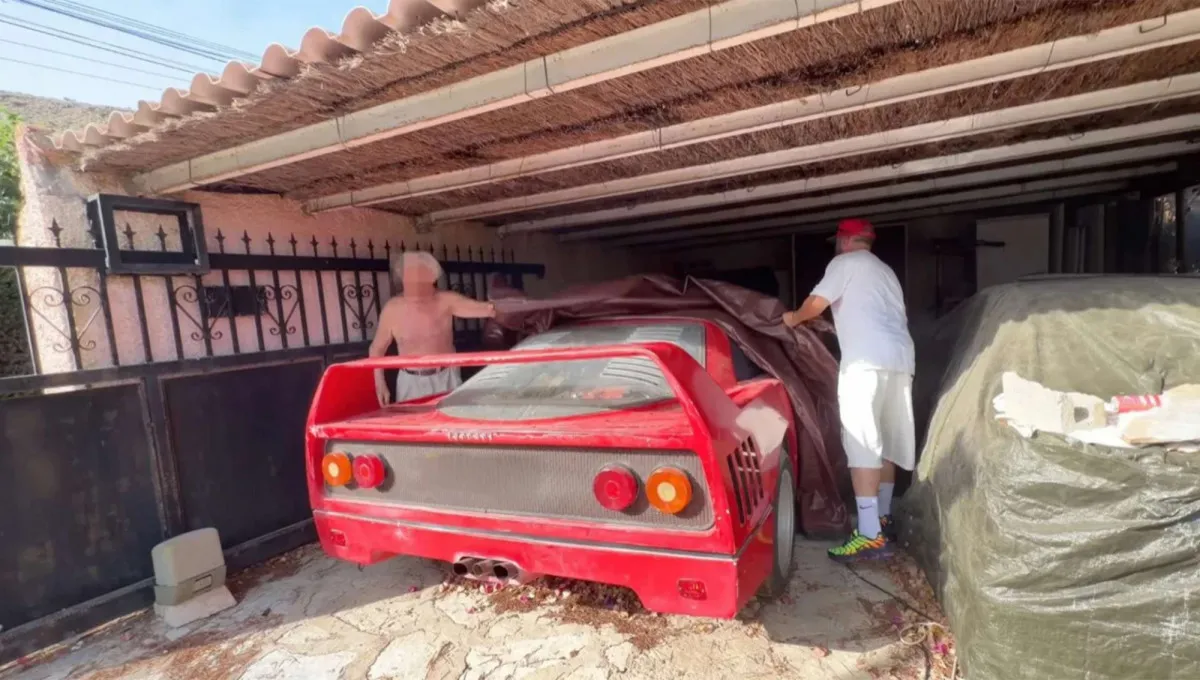
Two Ferrari F40s Spotted on Google Maps Turn Out to Be Pontiac Fiero Replicas
Two Ferrari F40 lookalikes spotted on Google Maps in Spain turned out to be replicas built on an American sports car.
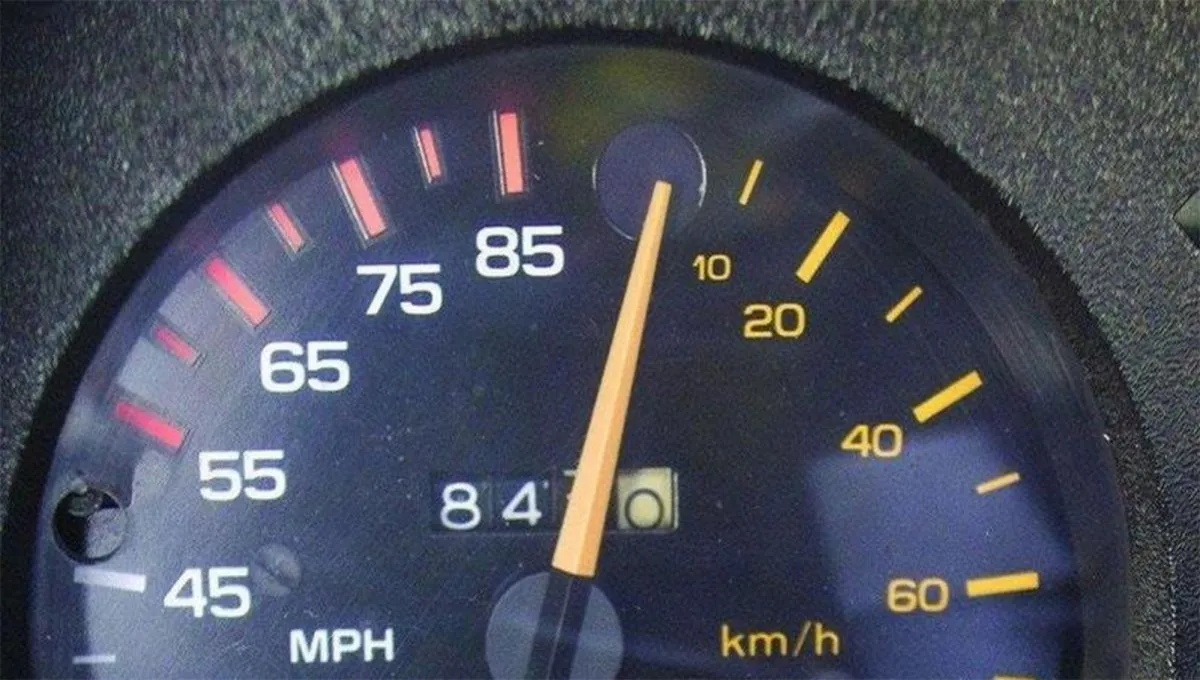
Your Speedometer Says 65 MPH, but Your GPS Says 62 — Here’s Why Your Car Does That
Your speedometer reads 65 mph, but your GPS says 62 mph. Here’s why the numbers rarely match.