
How to Clean a Gas Tank from the Inside—Without Removing It: Dirt, Water, and Rust
Over time, many vehicles accumulate water and debris inside the gas tank, while the inner walls can develop rust.

As a vehicle ages, water and dirt can build up inside the gas tank, and the tank’s inner surfaces may begin to rust. As contaminants move through the fuel system, they can cause noticeable engine damage, clog fuel lines and injectors, and increase fuel consumption.
Water in the tank accelerates internal corrosion and, in colder climates, can even freeze and block fuel flow from the tank to the engine.
To avoid removing the gas tank, mechanics have come up with several relatively simple methods to clean it in place.
Removing Water from the Gas Tank
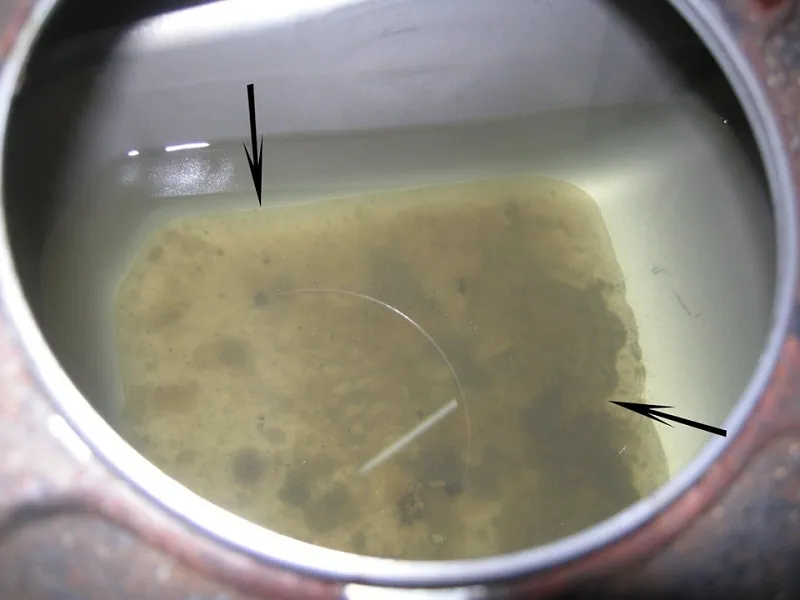
Regularly removing water from the gas tank is especially important in states that experience freezing winters. If the tank is equipped with a drain plug, water can be released directly through it.
If there’s no drain plug, technicians often add alcohol or acetone to the tank. For a full tank of gasoline, this typically means about 8.5 fluid ounces of 96% ethyl alcohol or roughly 17 fluid ounces of acetone.
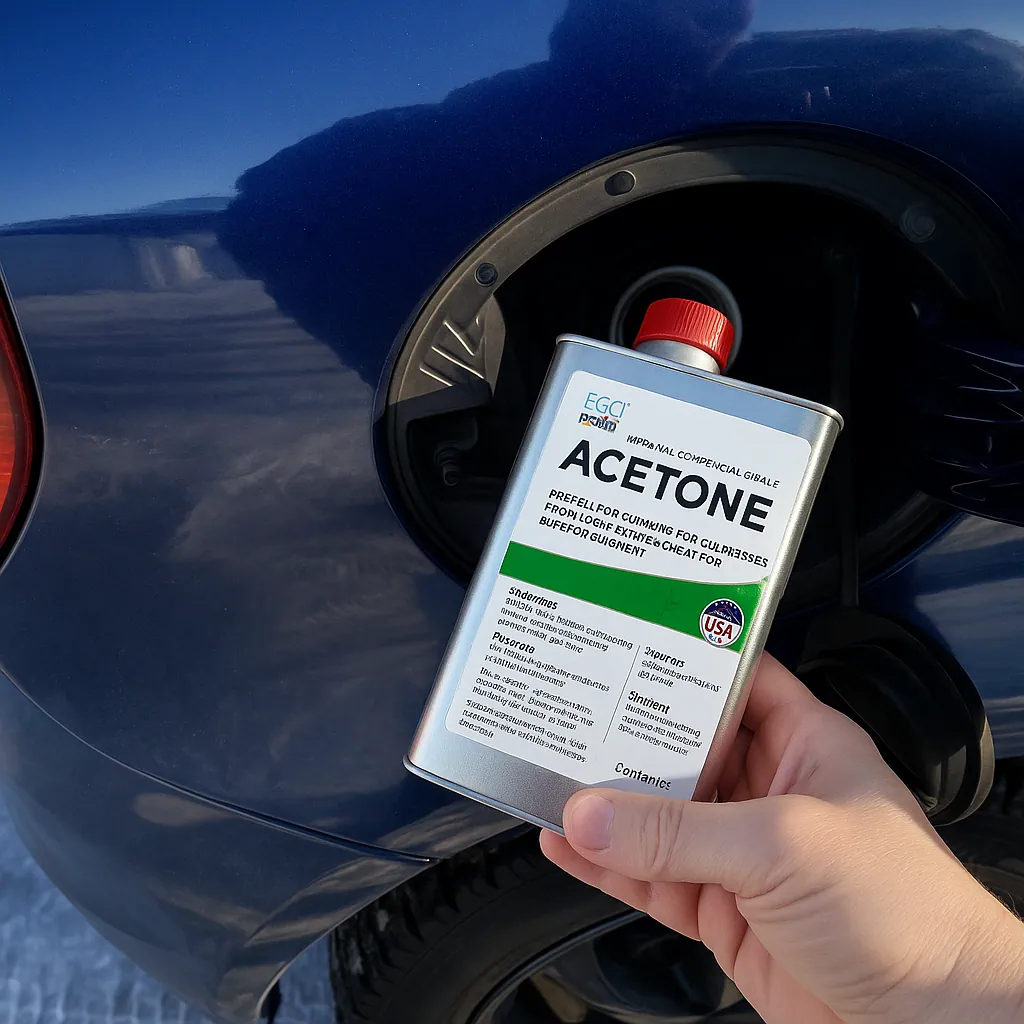
Acetone not only helps absorb and remove water from the fuel system but can also clean the fuel pump, fuel lines, and injectors of oily gasoline deposits.
Removing Built-Up Dirt
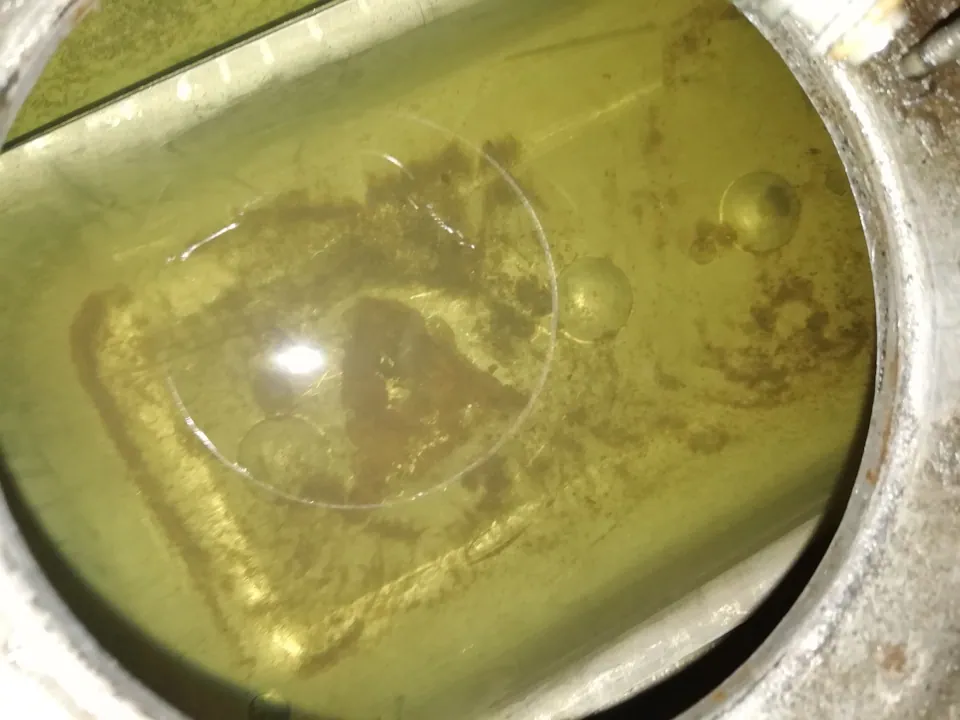
Dirt in the gas tank usually settles at the bottom. It’s removed through the drain plug. For this procedure, about 1.3 gallons of fuel should remain in the tank. The vehicle is then placed over a service pit or lifted on a hoist.
Some mechanics suggest raising the side of the vehicle opposite the gas tank as high as possible when draining dirt. That’s unnecessary—the drain plug is already located at the lowest point of the tank.
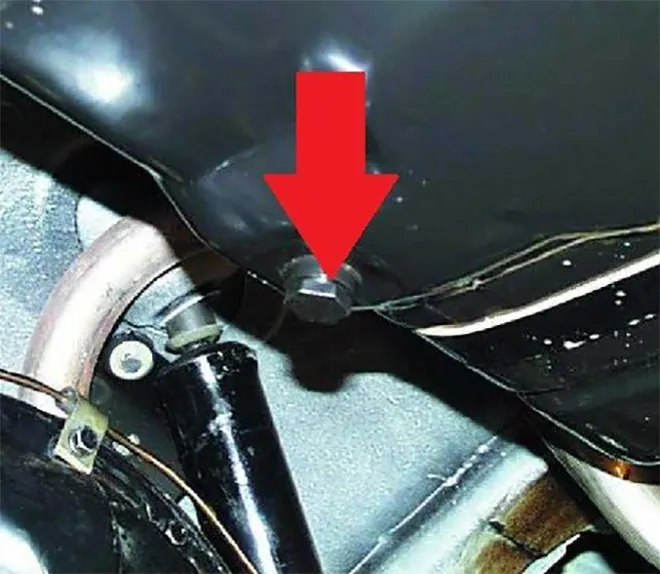
The drain plug is removed and the contaminated fuel is drained out. The plug is then reinstalled, and about 0.5 to 0.8 gallons of fresh gasoline is added before draining again. This process is repeated several times until clean gasoline flows from the drain opening.
How to Remove Rust from a Gas Tank
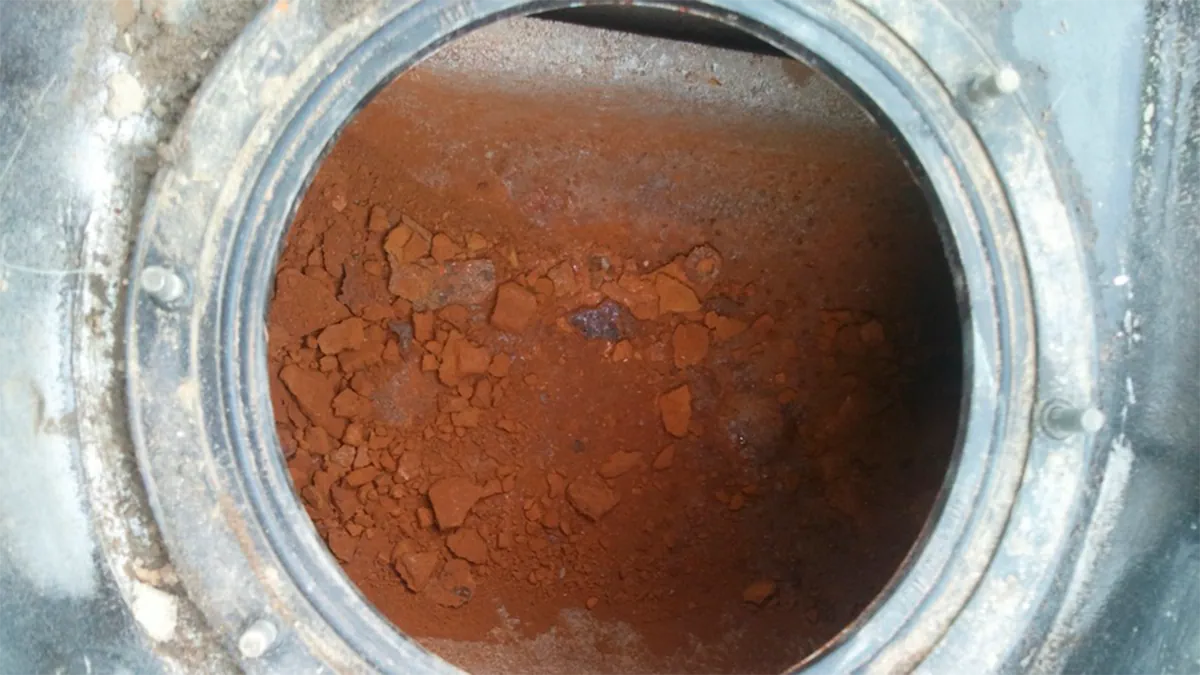
In the U.S., rust inside a gas tank is most often removed using readily available chemicals that are safe for the vehicle and fuel system. One of the simplest methods involves vinegar. First, the tank must be completely emptied and rinsed of fuel residue.
Then a mixture of white vinegar and water (about 50/50) is poured in to coat all internal surfaces and left for several hours or overnight. Afterward, the tank is thoroughly flushed with clean water and allowed to dry. Vinegar effectively dissolves rust without damaging the tank’s metal.

You May Still Need to Remove the Tank
Another popular option is citric acid, which is easy to find in grocery stores or pharmacies. A citric acid solution is mixed with water, poured into the tank, and periodically agitated. This method works especially well for light to moderate rust. Once finished, the solution is drained, and the tank is rinsed thoroughly with clean water and dried to eliminate any remaining acid.
As an additional step, a mild mechanical method can be used—such as adding small stainless-steel balls or similar soft media to the tank along with water and gently shaking it. This helps remove loose rust that chemical treatments didn’t fully dissolve. Afterward, the tank is rinsed and completely dried. This approach removes remaining rust without damaging the tank’s inner walls or the fuel system.
You may also be interested in the news:
When the First Freeze Hits, Put Newspaper Under Your Floor Mat: An Old Winter Driving Trick
Newspaper under a floor mat can help protect a car's floor from winter moisture, but it requires regular attention.
How a Repair Shop Can Overcharge You: What Every Driver Should Know
An experienced mechanic knows how to increase a repair bill, and drivers should know what to watch for before approving work.
How to Find the Source of a Car Interior Rattle in 15 Minutes
A simple trick can help drivers pinpoint an annoying interior rattle without taking apart half the cabin or visiting a repair shop.
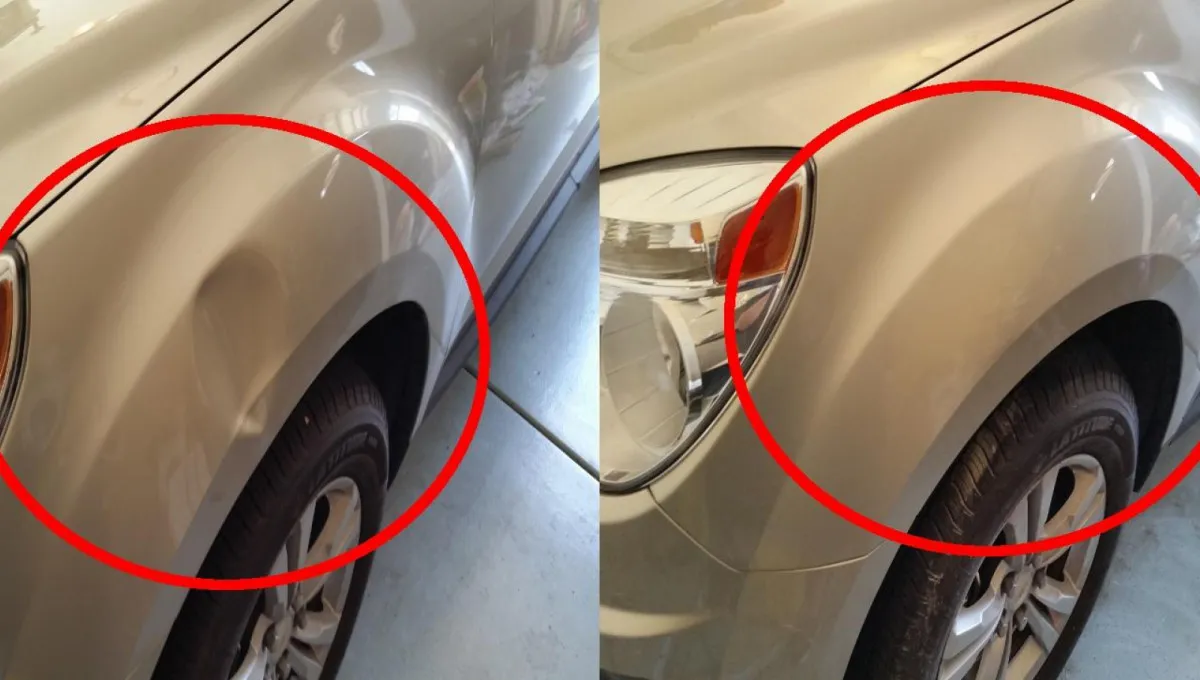
The Dent Can Disappear Without a Trace: How to Repair Car Body Damage Without Paint
Paintless dent repair can restore a damaged panel to its original shape, but only when certain conditions are met.

What Does a Flashing Red Traffic Light Mean? Can You Keep Driving?
Drivers must come to a complete stop at the stop line before deciding whether it is safe to proceed.