
What Every Driver Should Do to Keep Windshield Wipers from Freezing
Snow, ice, torn wiper blades — with winter’s arrival, drivers have plenty of new headaches.
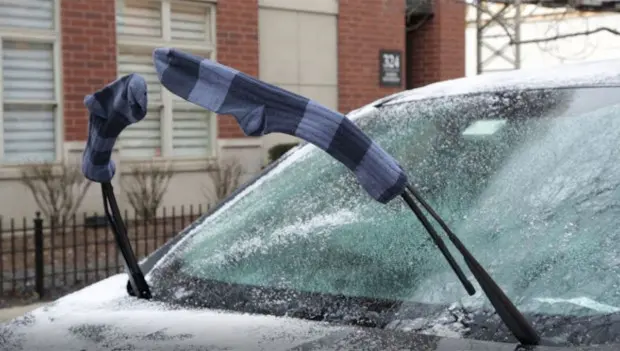
With winter setting in, American drivers face a whole new set of challenges. Snow and ice are the eternal enemies of anyone behind the wheel. Unfortunately, they cause trouble not only while driving. A car left parked outdoors continues to suffer from precipitation and temperature swings. In these conditions, windshield wipers take the hardest hit, frequently freezing to the glass — a problem that can easily lead to damage.
How to keep windshield wipers from freezing
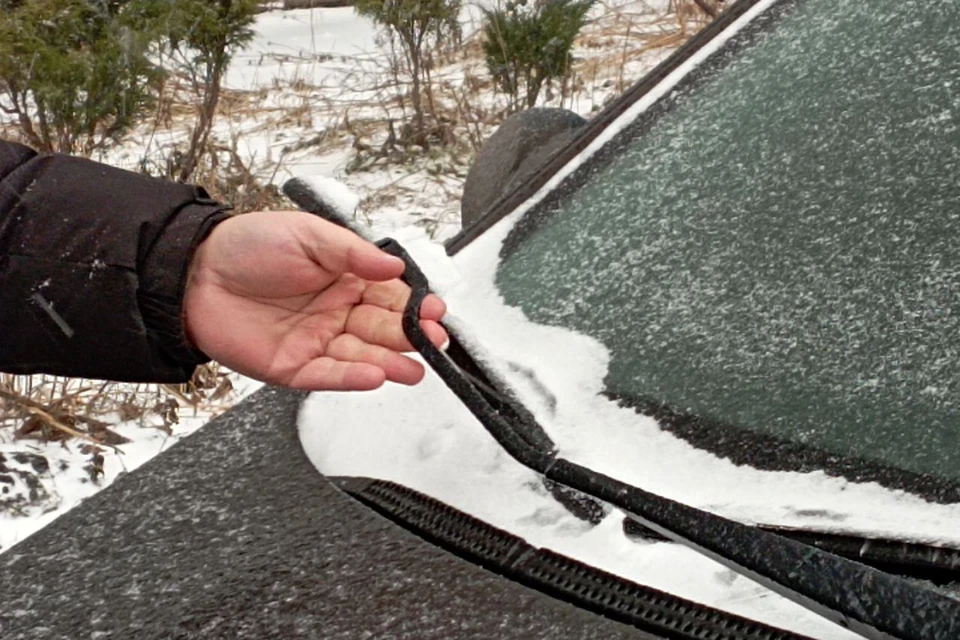
There are exactly two fundamental reasons why wipers freeze to the windshield. The first is snow sticking to both the blades and the glass. The second is water freezing on the windshield during cold weather, most often after snow melts or during freezing rain. It’s also important to remember that the working edge of a wiper blade is a fragile and delicate component that can be damaged by even minimal physical force. If the blades are frozen in place and the car is started, there is a very real risk of permanently damaging not only the rubber edge but also the wiper arms themselves. That’s why prevention is just as important as dealing with ice after it forms.
The first — though far from the most effective — step is to bring the windshield down to outside temperature before turning off the wipers. To do this, it’s recommended to first shut off the warm airflow to the windshield, and ideally turn off the entire climate control system. After parking, let the car sit for several minutes so cold air fully fills the cabin. These measures significantly reduce the risk of frost forming on the windshield and, as a result, wipers freezing in place. Unfortunately, this method offers no 100% guarantee, so it’s worth considering additional options.
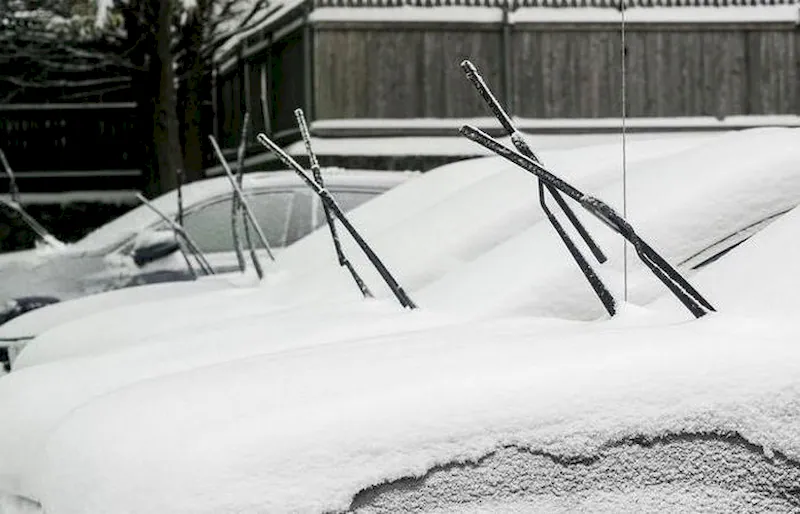
In these conditions, the simplest and most effective solution is to lift the wiper arms away from the windshield. This is one of those rare “simple but brilliant” and completely cost-free solutions that can prevent wipers from freezing almost 100% of the time.
If the wipers do freeze, never try to rip them off the glass by force. That will almost certainly damage the working edge of the blade. Instead, use warm air directed at the windshield and a windshield de-icing spray. Always make sure that the blade can flex freely and that the wiper arm joint remains movable before turning them on.
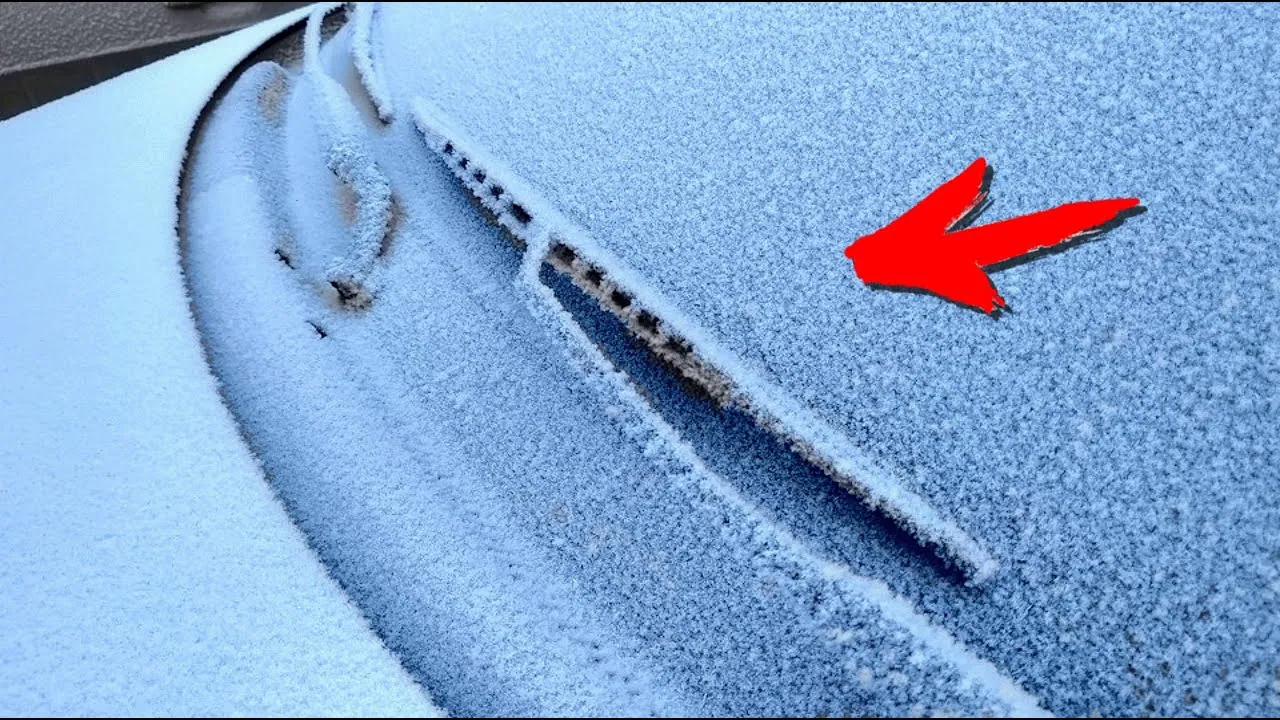
In some cases, the problem can be prevented altogether with proper maintenance. This is especially relevant for the common winter issue of snow sticking to the blades. The easiest way to protect wipers from snow buildup is to treat them with rubbing alcohol or winter windshield washer fluid. The downside of this method is its short-lived effect — at best, it lasts for a single drive. Apply the liquid using a clean cloth or wipe only. A more advanced version of this approach is using silicone-based lubricant, either pure silicone grease or products that contain it. Unlike alcohol, silicone stays on the blades much longer.
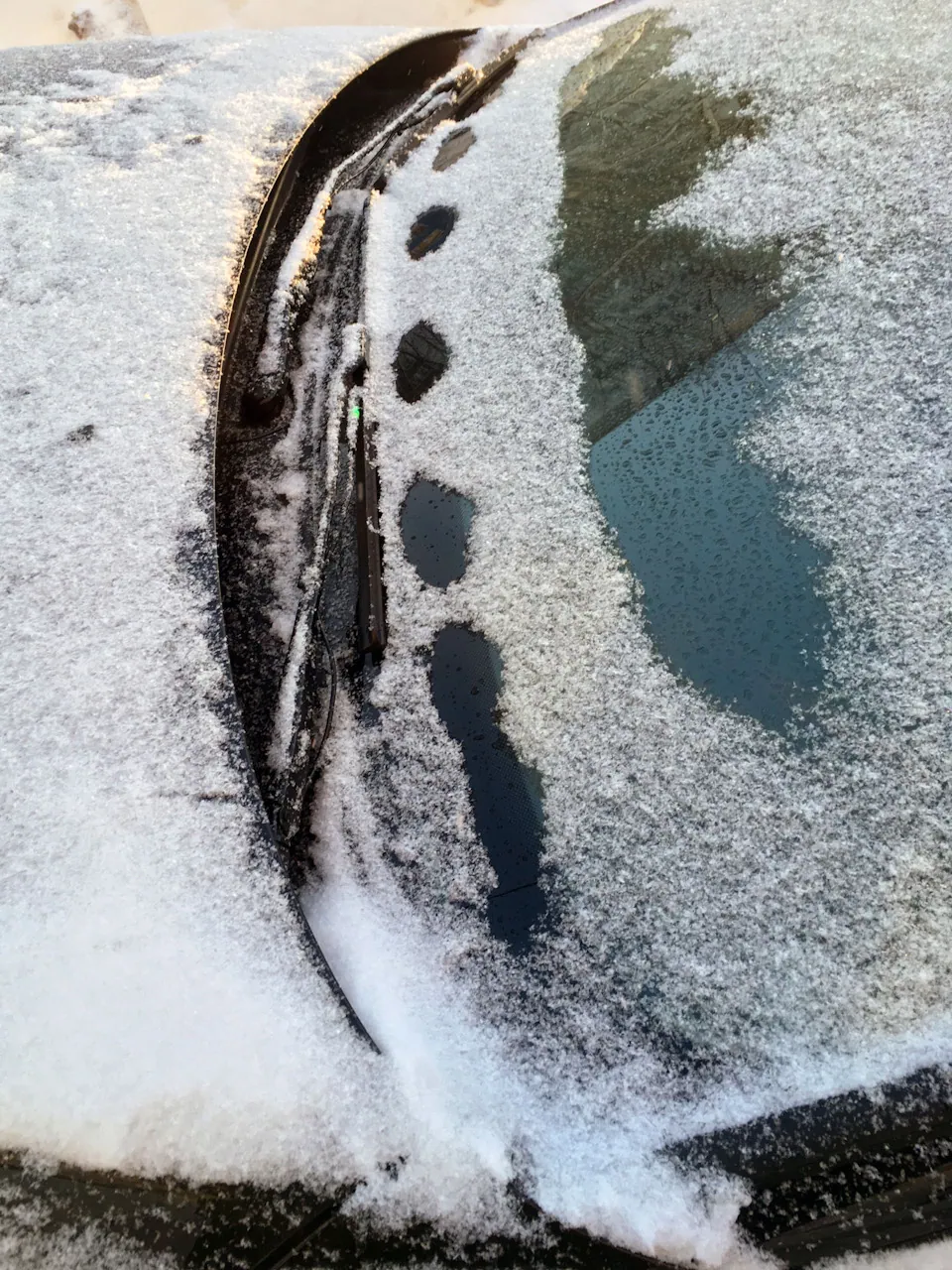
Finally, the problem can be tackled with technology. The most obvious solution is installing heated windshield wipers — the name speaks for itself. These blades connect to the vehicle’s electrical system, and if you’re unsure how to install them properly, it’s best to leave the job to a professional auto shop. Lastly, many vehicles also offer a dedicated winter or “service” mode for the wipers, which is worth using when temperatures drop.
You may also be interested in the news:
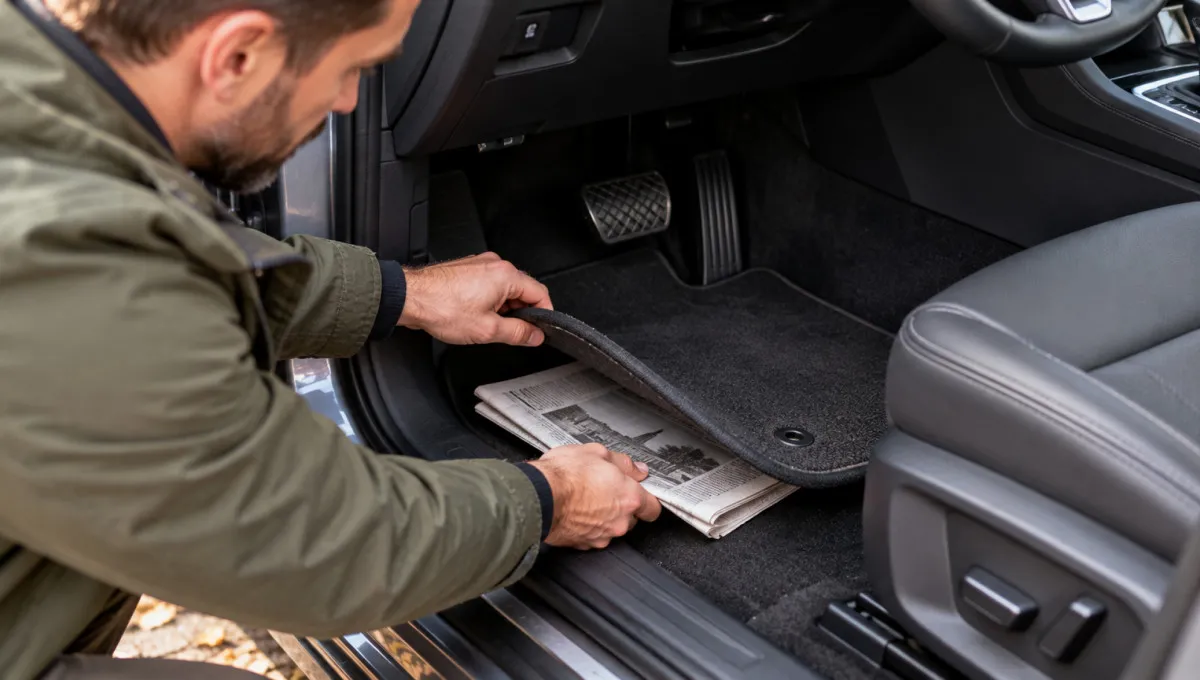
When the First Freeze Hits, Put Newspaper Under Your Floor Mat: An Old Winter Driving Trick
Newspaper under a floor mat can help protect a car's floor from winter moisture, but it requires regular attention.
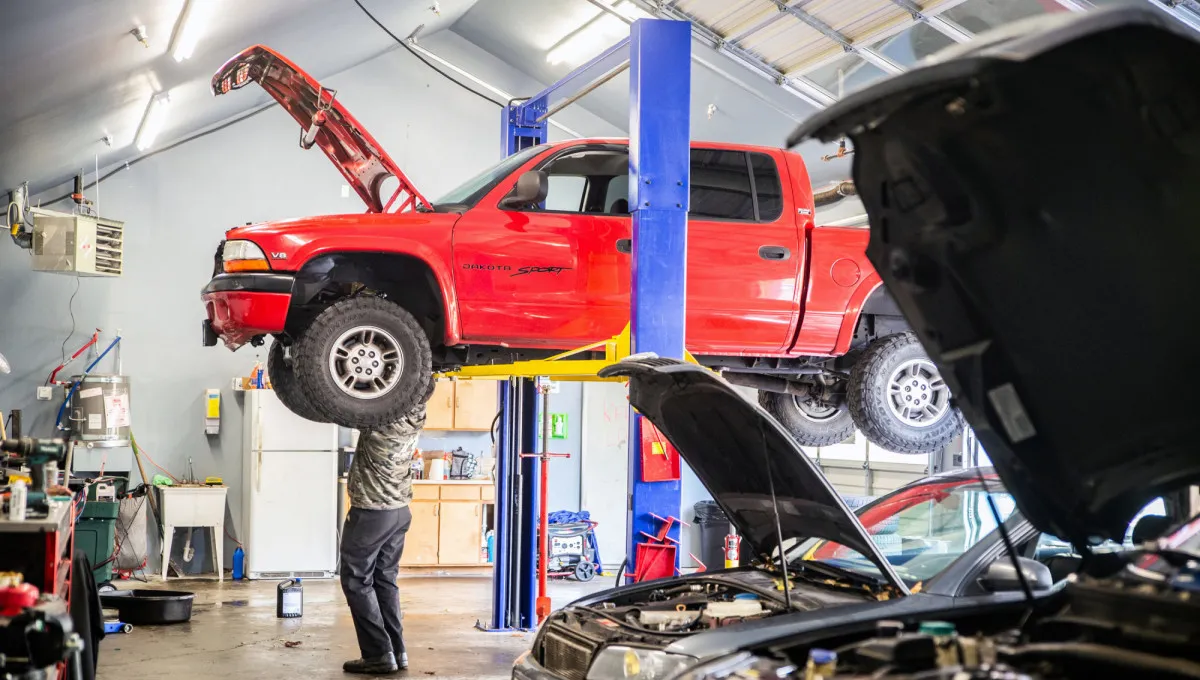
How a Repair Shop Can Overcharge You: What Every Driver Should Know
An experienced mechanic knows how to increase a repair bill, and drivers should know what to watch for before approving work.
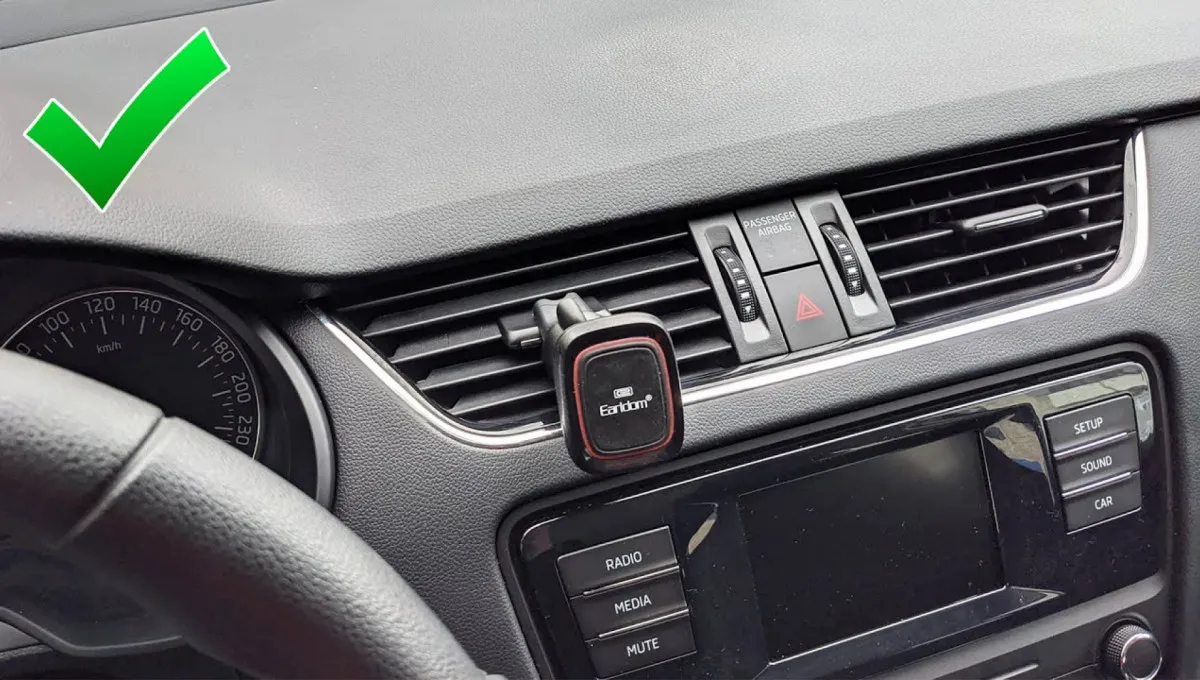
How to Find the Source of a Car Interior Rattle in 15 Minutes
A simple trick can help drivers pinpoint an annoying interior rattle without taking apart half the cabin or visiting a repair shop.
The Dent Can Disappear Without a Trace: How to Repair Car Body Damage Without Paint
Paintless dent repair can restore a damaged panel to its original shape, but only when certain conditions are met.

What Does a Flashing Red Traffic Light Mean? Can You Keep Driving?
Drivers must come to a complete stop at the stop line before deciding whether it is safe to proceed.