
Why You Shouldn’t Start Your Car the Instant You Turn the Ignition On
Many drivers are used to firing up the engine right away
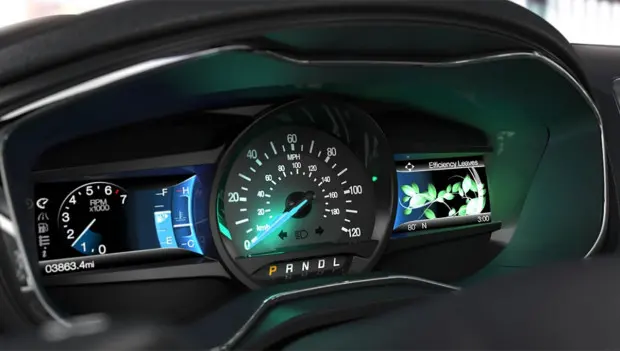
Many drivers have developed the habit of starting the engine immediately—turn the key or press the button and drive off. Service technicians, however, recommend taking a brief pause. This advice isn’t about being overly cautious; it’s rooted in how modern vehicles actually work.
When the ignition is switched on, the instrument cluster plays a critical role. It’s not just a display—it’s essentially a status report for the car’s systems. That’s why multiple warning lights illuminate at once and stay on for a few seconds after the ignition is activated.
As automotive experts at Auto30.com explain, even before the engine starts, the vehicle is already preparing for it. The fuel pump primes the system and builds the required pressure. Electronic control units power up, exchange data, and check whether everything is operating properly. The simultaneous illumination of the indicators signals that this internal check is underway.
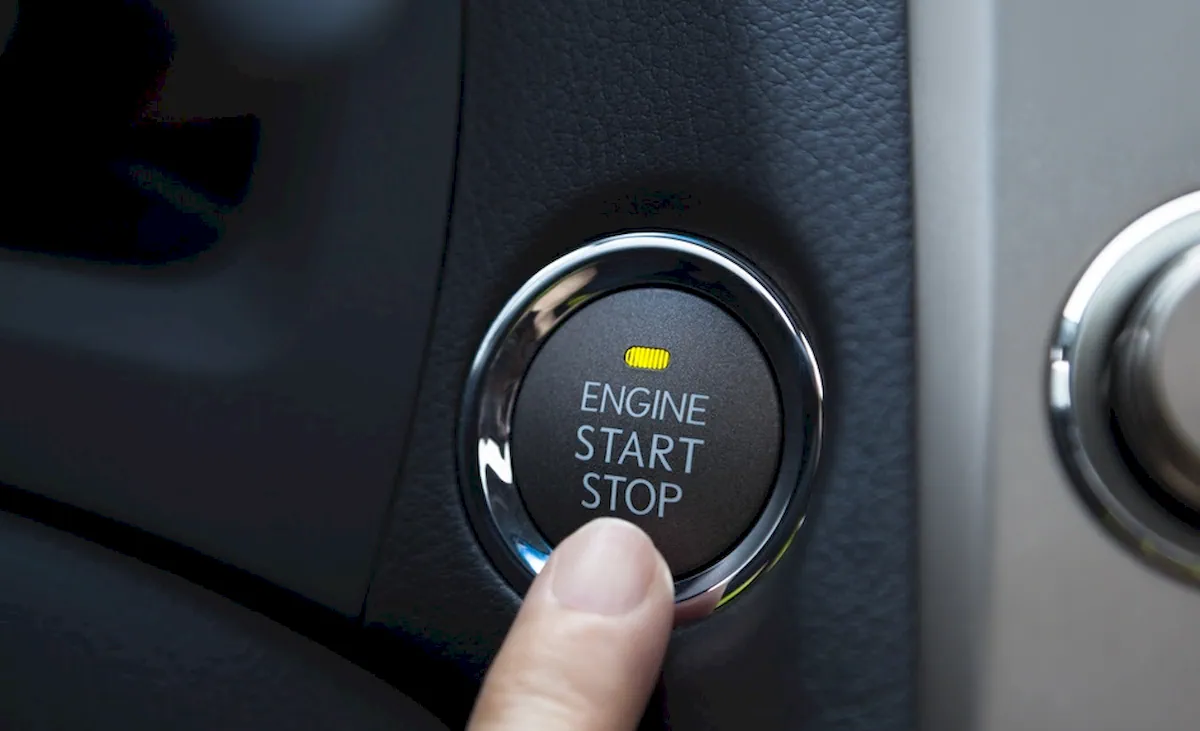
You can easily see this process in action. Turn the key to the “on” position without starting the engine, or press the start button without pressing the brake. The car remains stationary, but diagnostic and preparation processes are already running in the background.
Once this preparation is complete, most of the warning lights go out. That’s the cue that the systems are ready and the engine can be started. If you engage the starter immediately, without waiting for this check to finish, certain engine components may be subjected to unnecessary stress.
That short pause after turning on the ignition is there for a reason. During those few seconds, the control unit gathers data from sensors and sets up the engine’s operating parameters for startup. Fuel delivery is calculated and key settings are adjusted. If the engine is started right away, the system may switch to a simplified operating mode, in which some fuel doesn’t burn completely. The extra load then falls on the catalytic converter, accelerating wear.
The electronics make this process easy to follow through the dashboard. Right after the ignition is switched on, various indicators light up, signaling that the systems are active and running self-checks. A few seconds later, the lights turn off, confirming that no serious faults have been detected. That moment is considered ideal for starting the engine. The wait is brief, but it allows the car to prepare properly and helps reduce unnecessary strain on key components.
You may also be interested in the news:
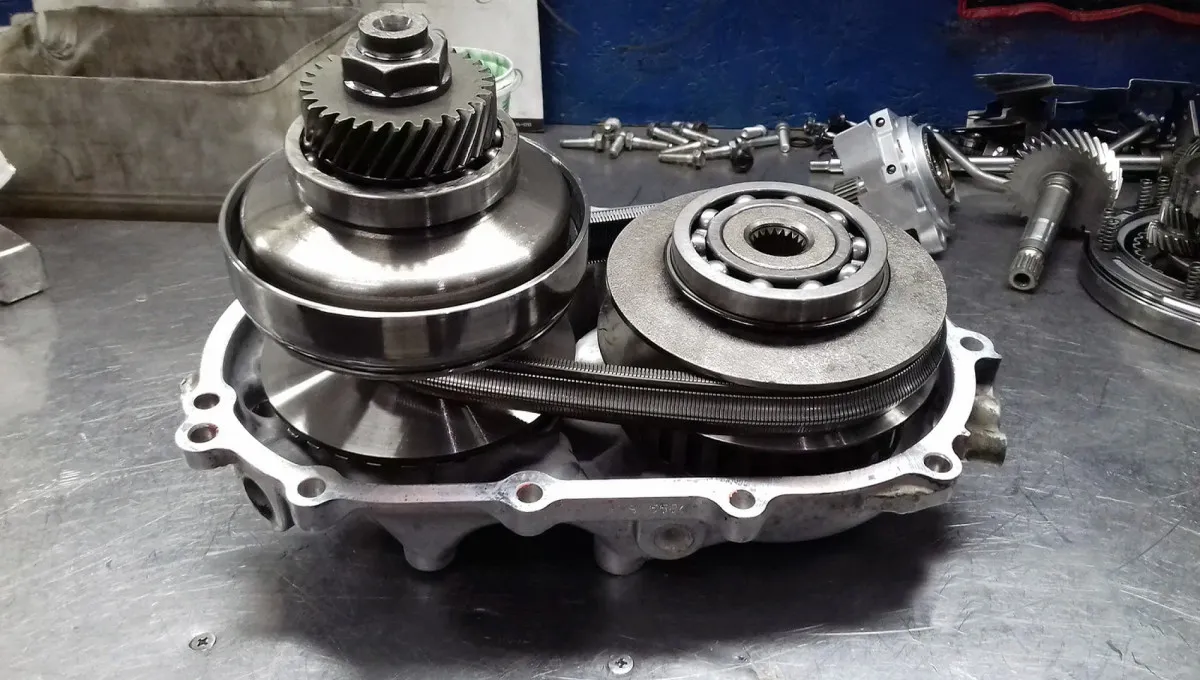
Why Experienced Drivers Still Warn Against Buying a Used Car With a CVT
CVTs offer smooth acceleration and good fuel economy, but expensive repairs and durability concerns make used models risky.
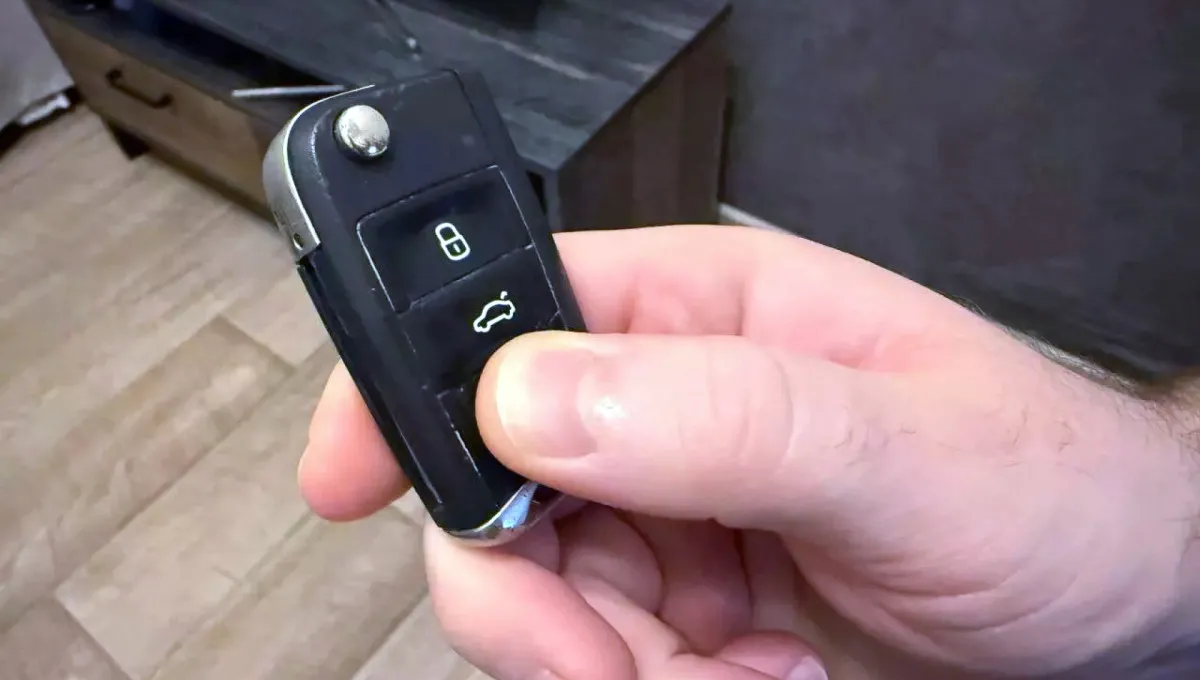
Hidden Key Fob Trick: Open All Your Car Windows With One Button
An auto mechanic explains how drivers can remotely open and close car windows using a key fob, provided the vehicle has the right hardware.

8 Car Maintenance Mistakes That Could Cost You Thousands if You Wait Too Long
Depending on driving conditions, some maintenance tasks may need to be performed sooner and more often than the automaker recommends.

How Long Will Your Car Last? A Guide to Making It Age Gracefully
Automotive experts explain how routine maintenance and timely replacement of aging components can help your car last longer.

Common Car Problems on the Road and How to Handle Them Yourself
A breakdown far from home can leave any driver stranded. Here’s how to assess the problem and decide what to do next.