
Americans Reminded What’s Better: A Traditional Automatic or a Modern CVT
Many car buyers still look down on CVTs and try to avoid vehicles equipped with them
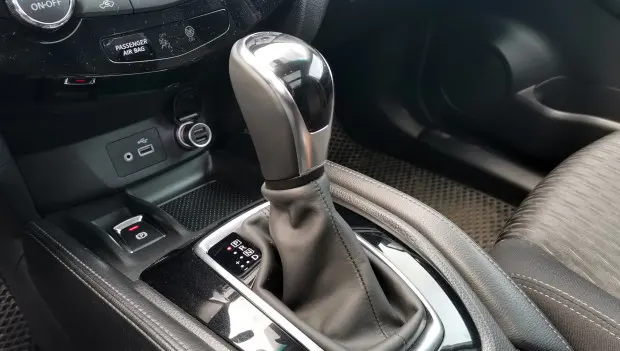
Many drivers continue to treat continuously variable transmissions (CVTs) with skepticism, often steering clear of cars equipped with this type of gearbox. CVTs are commonly seen as fragile, short-lived, and expensive to repair. In reality, much of that reputation is built on outdated assumptions. This past week, an experienced auto technician broke down the real-world differences between CVTs and traditional automatic transmissions—long considered the gold standard for reliability.
Let’s start with conventional automatics. The first fully developed automatic transmission with a torque converter was patented back in 1935. General Motors began offering it as an option on Oldsmobile models in 1940, marking the start of mass adoption. By the mid-1960s, the familiar P-R-N-D-L layout had become standard, and by the 1980s automatics were firmly established across most vehicle segments. It’s worth remembering that automatic transmissions weren’t always trusted, either. Early designs had limited durability, were considered difficult or impossible to repair, and lacked a proper service network or readily available parts.
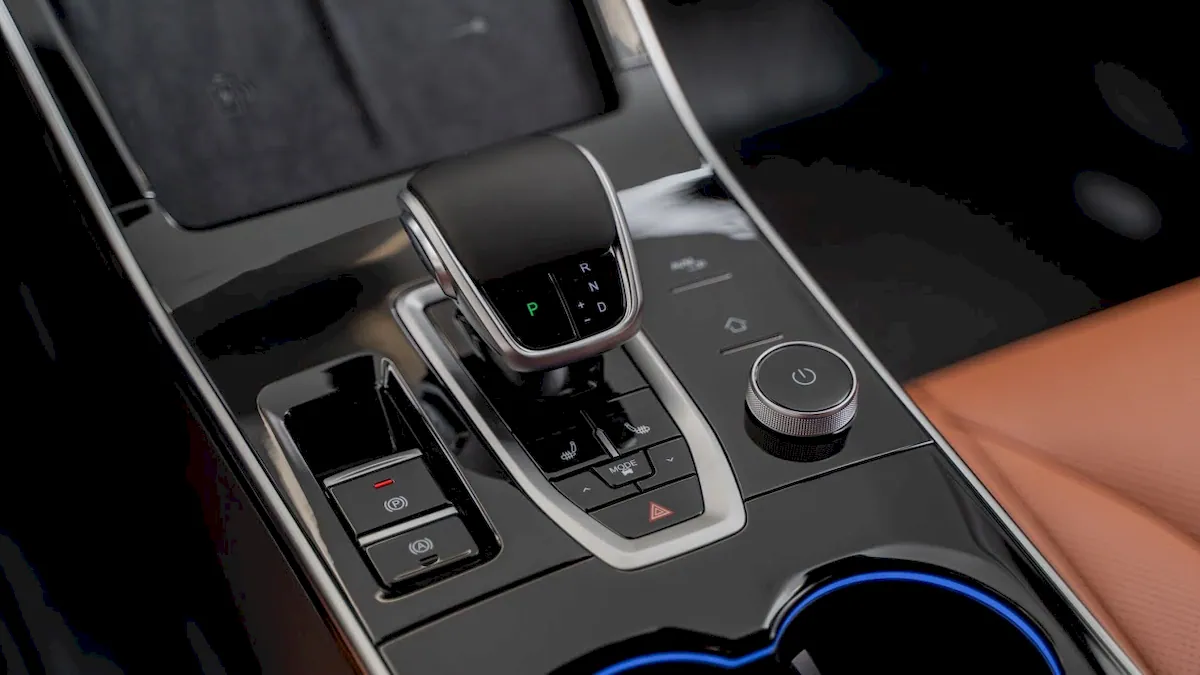
On top of that, early three- and four-speed automatics were slow to respond, suffered from significant power losses, dulled acceleration, and used 20–30% more fuel than manual transmissions due to the lack of a direct mechanical connection between the engine and the wheels. Over time, continued engineering refinements turned the automatic transmission into the reliable, widely accepted solution it is today.
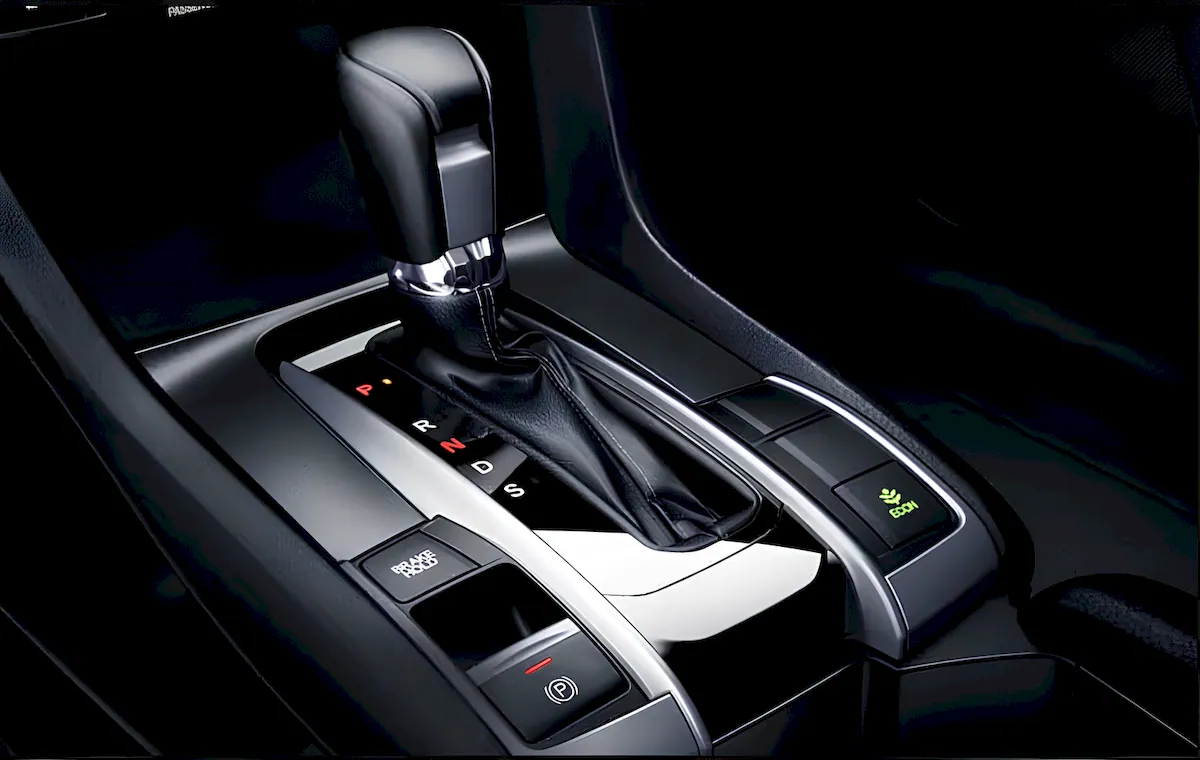
Automatic transmissions earned driver trust for clear reasons. Comfort tops the list: there’s no need to manage a clutch or shift gears, which is especially helpful for new drivers and in stop-and-go city traffic. Modern automatics use a torque converter and planetary gearsets to deliver smooth, predictable shifts with minimal jolts. Vehicles equipped with automatics are also considered safer, as they reduce the chance of stalling and allow drivers to focus more fully on the road. The torque converter absorbs drivetrain shocks, protecting both the engine and suspension components. Many modern automatics also include dedicated off-road modes that improve traction on loose surfaces.
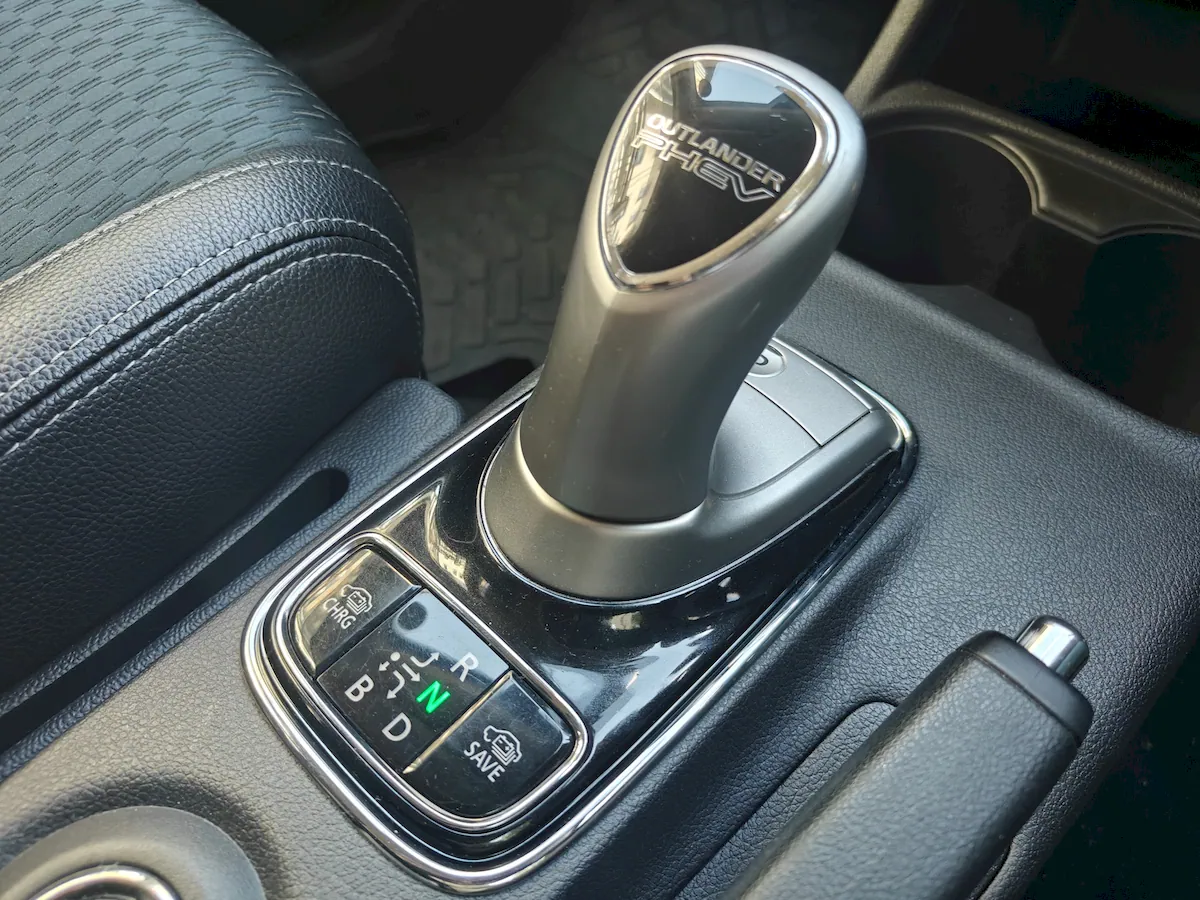
That said, traditional automatics aren’t without drawbacks. Fuel consumption is typically higher than with a manual transmission, even though modern designs have narrowed the gap. Acceleration can feel less sharp compared with a manual, and performance may suffer in extreme cold or when the transmission overheats. Towing can also be tricky, as improper techniques risk damaging the gearbox. Finally, automatic transmissions require regular fluid changes and careful maintenance to remain reliable.
CVTs take a very different approach. Instead of complex gearsets, a CVT relies on two variable-diameter pulleys and a belt or chain to change ratios. With fewer moving parts, there’s theoretically less to go wrong. Because there are no fixed gears, acceleration is smooth and uninterrupted, with no shift shock. By keeping the engine at its most efficient RPM, a CVT can help reduce fuel consumption. It also makes better use of available engine power, delivering steady, responsive acceleration without gaps. Additional benefits include lower noise levels, reduced vibration, and simple, intuitive operation.
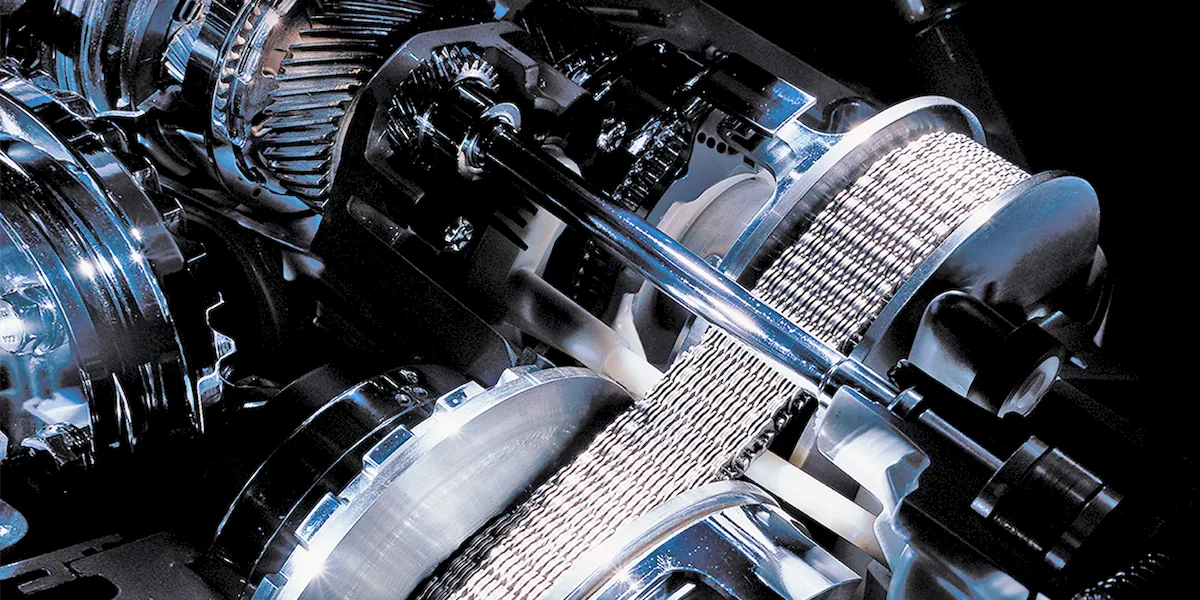
However, CVTs have their own limitations. They’re sensitive to maintenance schedules and particularly vulnerable to overheating. Because they rely heavily on software, glitches or calibration issues can affect performance. When poorly maintained or driven aggressively, a CVT may have a shorter service life than a traditional automatic. And then there’s the so-called “rubber band” effect—engine revs rise quickly while vehicle speed builds more gradually. For drivers who enjoy a sporty, dynamic feel, this can come across as dull or disconnected.
In the end, both transmissions have strengths and weaknesses. The right choice depends less on reputation and more on driving style, maintenance habits, and what a driver values most behind the wheel.
You may also be interested in the news:

Why Experienced Drivers Put Socks on Their Car Mirrors in Fall: The Clever Trick Explained
An old pair of socks can help reduce frost buildup on your side mirrors overnight, saving time on cold mornings when every minute counts.
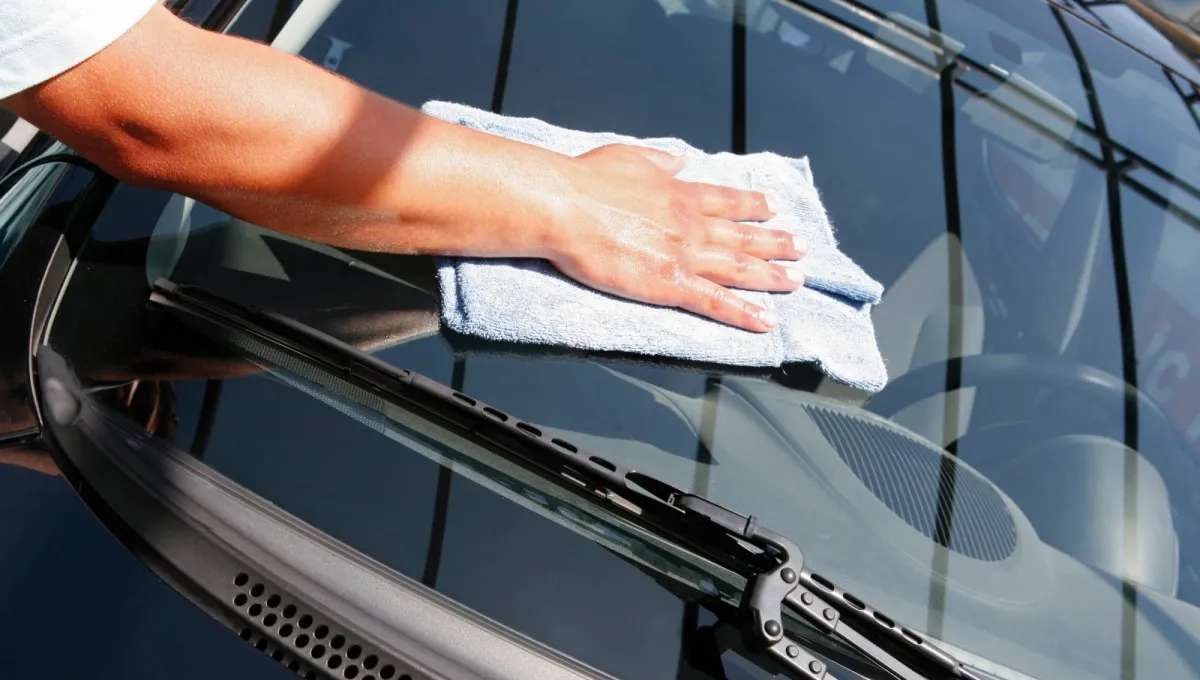
How to Clean Your Windshield Without Streaks: Experts Recommend This Simple DIY Mix
The secret to a streak-free windshield comes down to the right cleaning solution, two microfiber cloths, and the proper drying technique.

Why Some Drivers Keep Bay Leaves in Their Cars — It’s Not Just About Superstition
Can a common kitchen spice help repel bugs, freshen your car’s interior, or even help you relax behind the wheel?
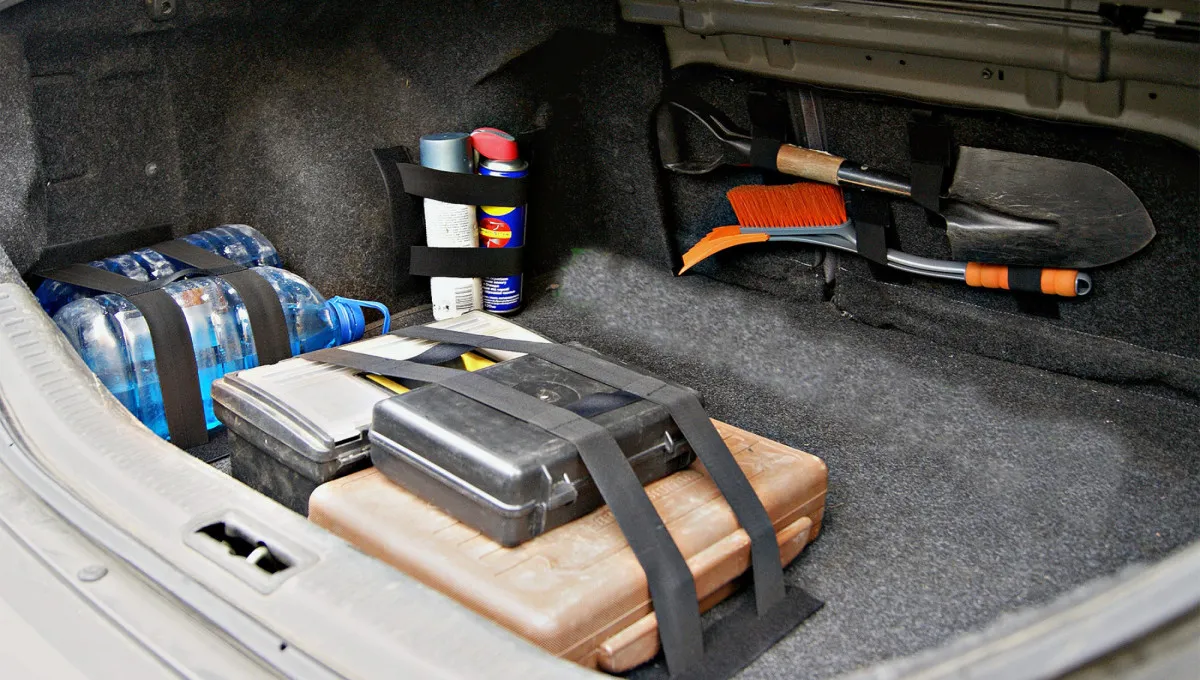
Cold Weather Can Leave You Stranded — 5 Things Every Driver Should Have in Their Car
The first hard freeze can catch drivers off guard. Here's what to keep in your vehicle and how to prepare your battery, tires, and fluids for colder weather.
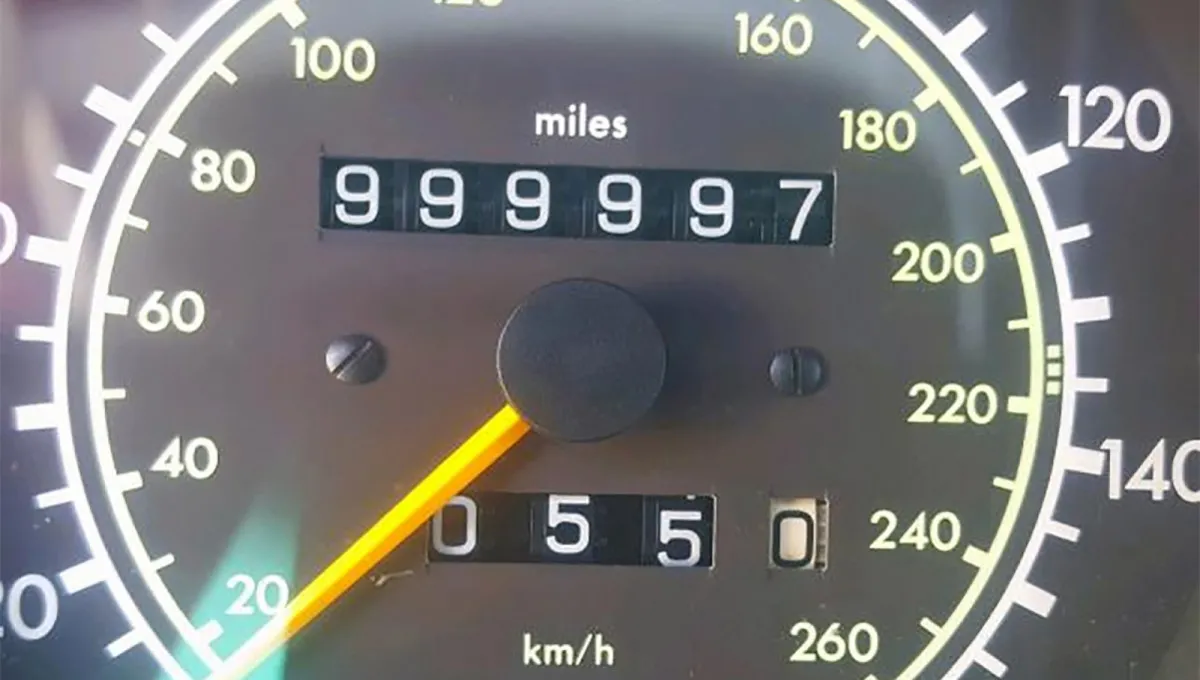
These 8 Cars Went Over 1 Million Miles — They Just Don’t Build Them Like They Used To
Some cars outlast generations of owners, proving that careful maintenance and durable engineering can deliver extraordinary mileage.