
Why Car Tires Lose Their Shape—and What That Means for Drivers and Safety
Tires don’t deform overnight, but when they do, the effects can show up in both vehicle behavior and overall road safety.
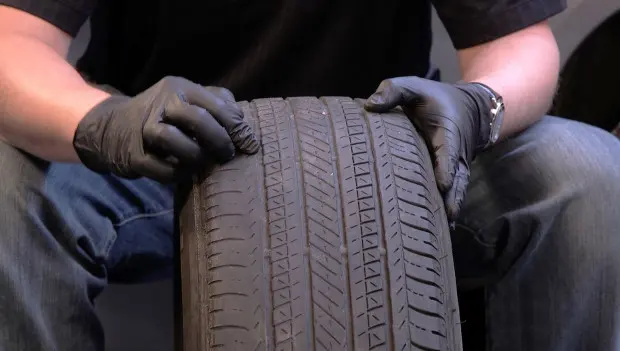
Car tires can lose their shape for a number of reasons, and understanding where the problem starts can help prevent far more serious consequences down the road. I’ve run into this more than once: a tire may still look fine at a glance, yet the car no longer drives the way it should. In many cases, the culprit is tire deformation.
One of the most common causes is a mechanical issue with the vehicle itself. Improper wheel alignment, for example, forces a tire to wear unevenly. Over time, that uneven wear changes the tire’s shape. Suspension problems have a similar effect—when loads aren’t distributed correctly, the rubber takes the hit and eventually gives way.

Incorrect tire pressure is another major factor. Overinflated tires tend to wear faster down the center of the tread, making the tire more rounded and reducing grip. Underinflation does the opposite: the outer edges wear out, the sidewalls overheat, and the tire slowly begins to lose its structural integrity. Many drivers run low pressure for months without realizing the internal structure is already breaking down.

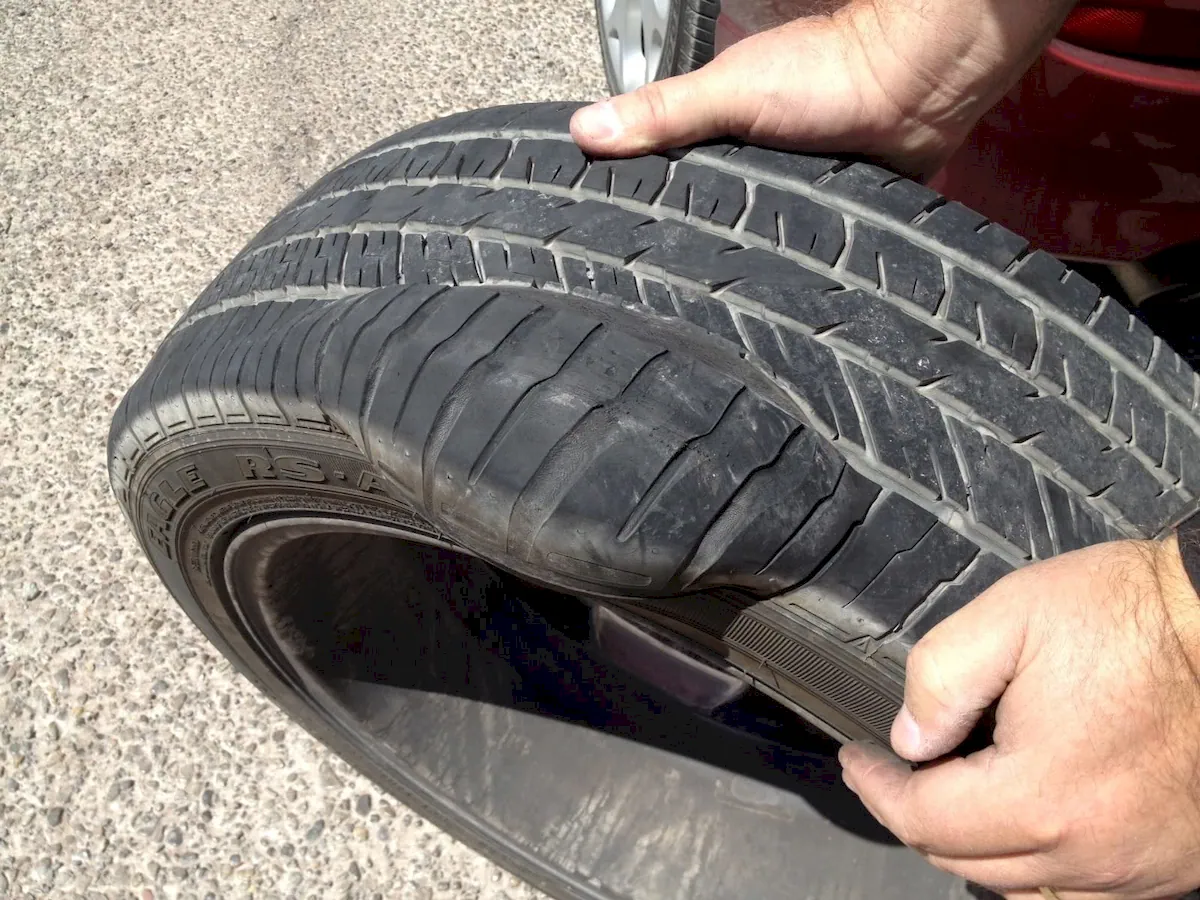
Physical damage deserves special attention. Hitting a deep pothole, clipping a curb, or striking a sharp edge can cause bulges or bubbles on the sidewall. That’s a serious warning sign—it usually means the internal cords have been compromised, and the tire could fail at any moment. Cracks and splits are another clear indication that a tire has reached the end of its service life and shouldn’t be trusted.
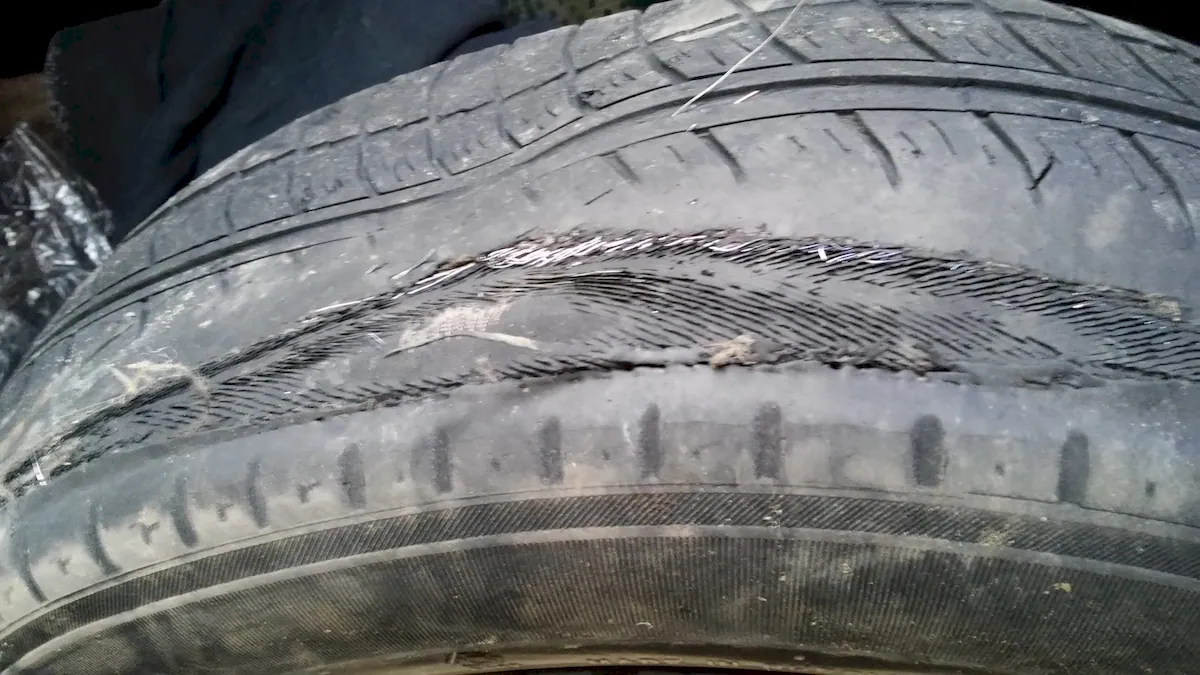
Age also plays a role. Long-term driving on underinflated tires weakens the internal structure, sometimes leading to bulges forming around the entire circumference. At that point, no repair will fix the problem; replacement is the only safe option.
Load matters as well. Regularly carrying heavy cargo or driving with a full cabin of passengers puts extra stress on the tires. If pressure isn’t adjusted accordingly, deformation becomes inevitable.
Avoiding these issues isn’t complicated. Check tire pressure regularly, keep an eye on tread wear and sidewall condition, and don’t ignore changes in how the car feels on the road. If something seems off, a quick inspection can make all the difference. In the long run, it’s cheaper—and far safer—than dealing with a tire failure at speed.
You may also be interested in the news:

Why Some Drivers Keep Bay Leaves in Their Cars — It’s Not Just About Superstition
Can a common kitchen spice help repel bugs, freshen your car’s interior, or even help you relax behind the wheel?
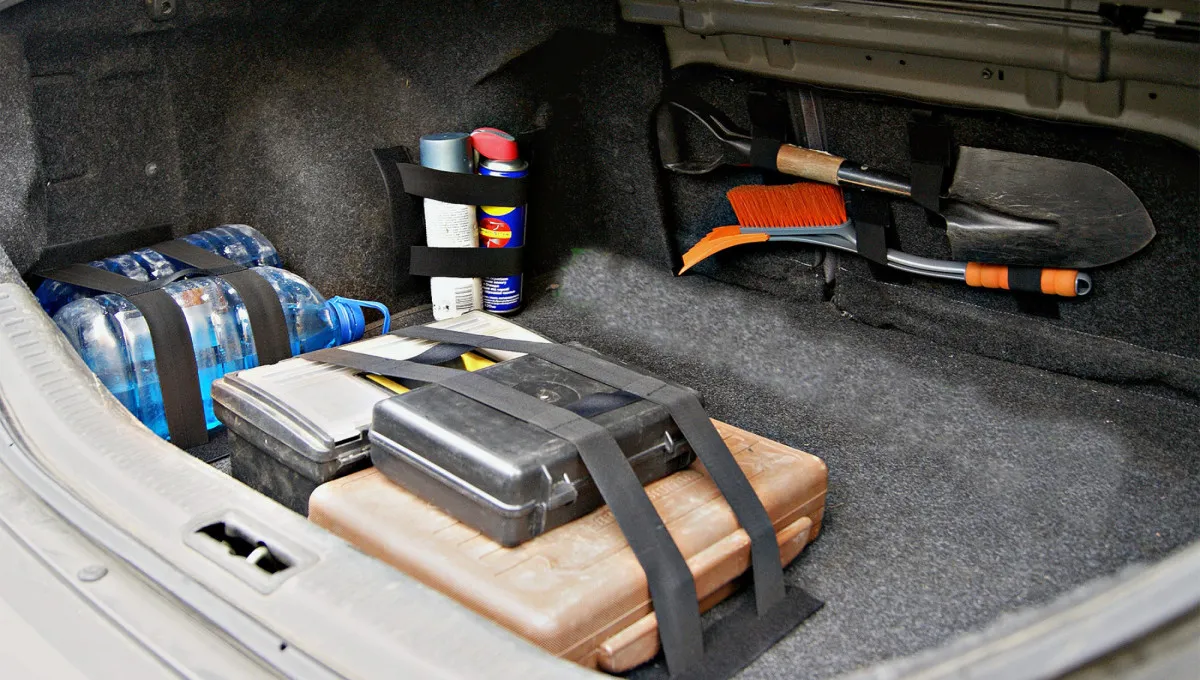
Cold Weather Can Leave You Stranded — 5 Things Every Driver Should Have in Their Car
The first hard freeze can catch drivers off guard. Here's what to keep in your vehicle and how to prepare your battery, tires, and fluids for colder weather.

Hidden Key Fob Trick: Open All Your Car Windows With One Button
An auto mechanic explains how drivers can remotely open and close car windows using a key fob, provided the vehicle has the right hardware.
8 Car Maintenance Mistakes That Could Cost You Thousands if You Wait Too Long
Depending on driving conditions, some maintenance tasks may need to be performed sooner and more often than the automaker recommends.

How Long Will Your Car Last? A Guide to Making It Age Gracefully
Automotive experts explain how routine maintenance and timely replacement of aging components can help your car last longer.