
Michelin Unveils AI-Powered Tires That Monitor Their Own Condition
Michelin introduces tires with AI technology that track their own wear and performance in real time.
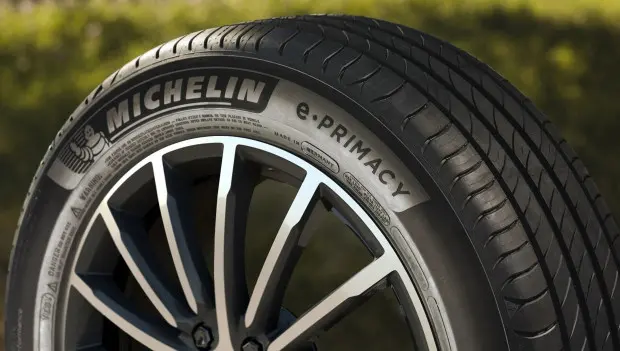
Michelin has developed a new line of tires capable of monitoring their own condition.
The smart Michelin tires were created in collaboration with technology company Sonatus. They analyze dynamic parameters such as braking intensity and cornering loads. Using artificial intelligence, these tires can track their own wear and report their status in real time.
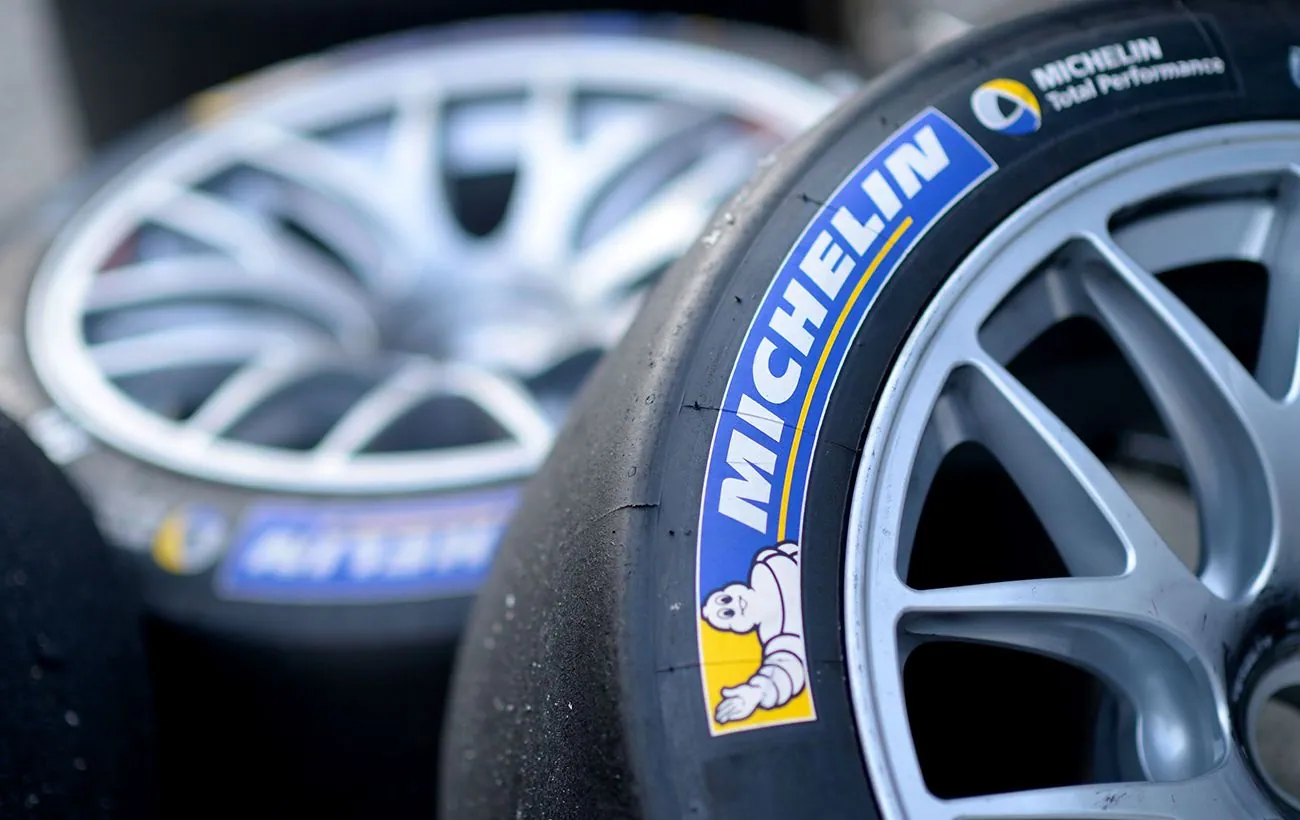
The system operates on the Sonatus Collector AI platform and can be easily adapted for different types of vehicles. Importantly, all tire data is stored and processed directly in the vehicle itself, without the need to send information to cloud services.
According to Michelin, in the future this technology could completely replace traditional tire pressure monitoring systems (TPMS), offering drivers a smarter, more autonomous way to stay informed about tire health.
You may also be interested in the news:
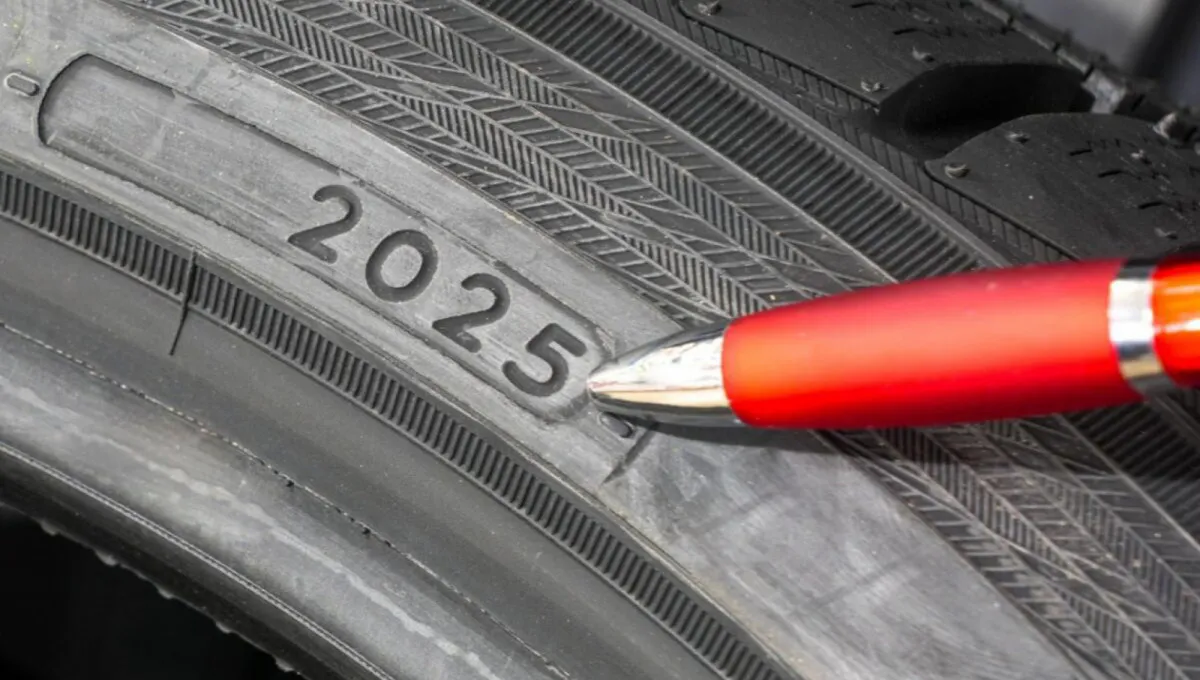
Why You Should Check a Tire’s Manufacturing Date Before Buying
Tire buyers should check more than size, tread, and brand because rubber changes with age, even without visible wear.
Your Steering Wheel Starts Shaking at 60 MPH? Don’t Ignore These Warning Signs
A vibrating steering wheel is often most noticeable at highway speeds, but the cause isn’t always immediately obvious.
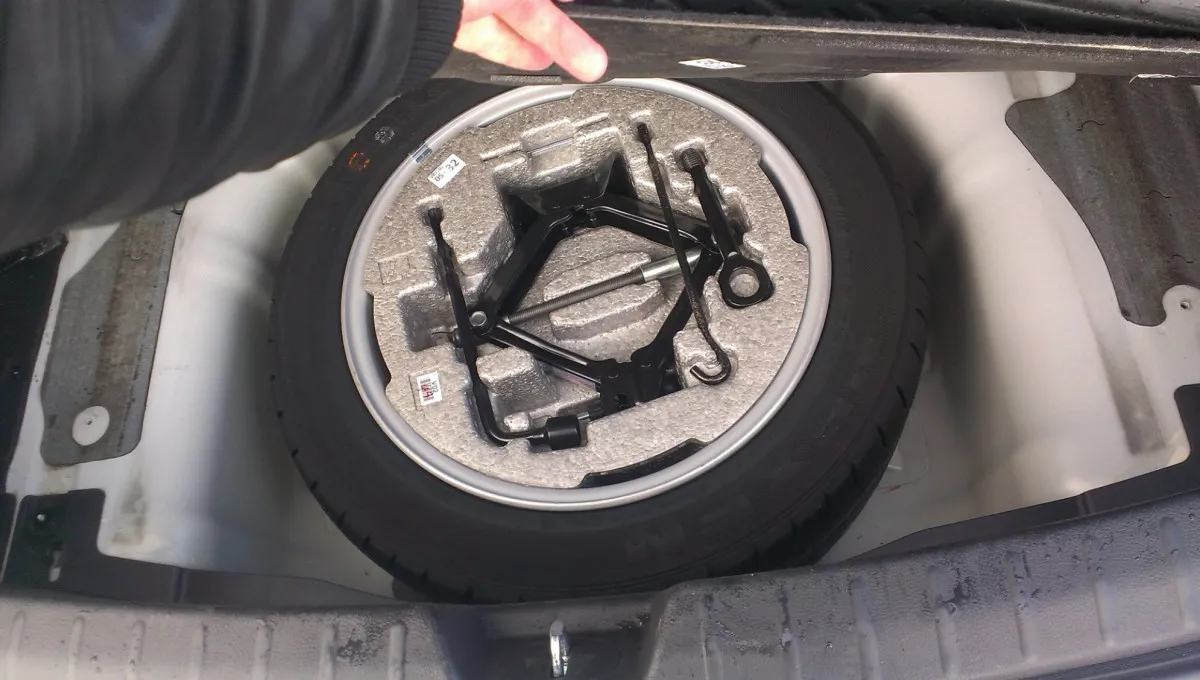
Why New Cars Are Ditching the Spare Tire — And What Drivers Get Instead
More new vehicles are replacing the spare tire with a compressor and sealant kit, and there are two practical reasons why.
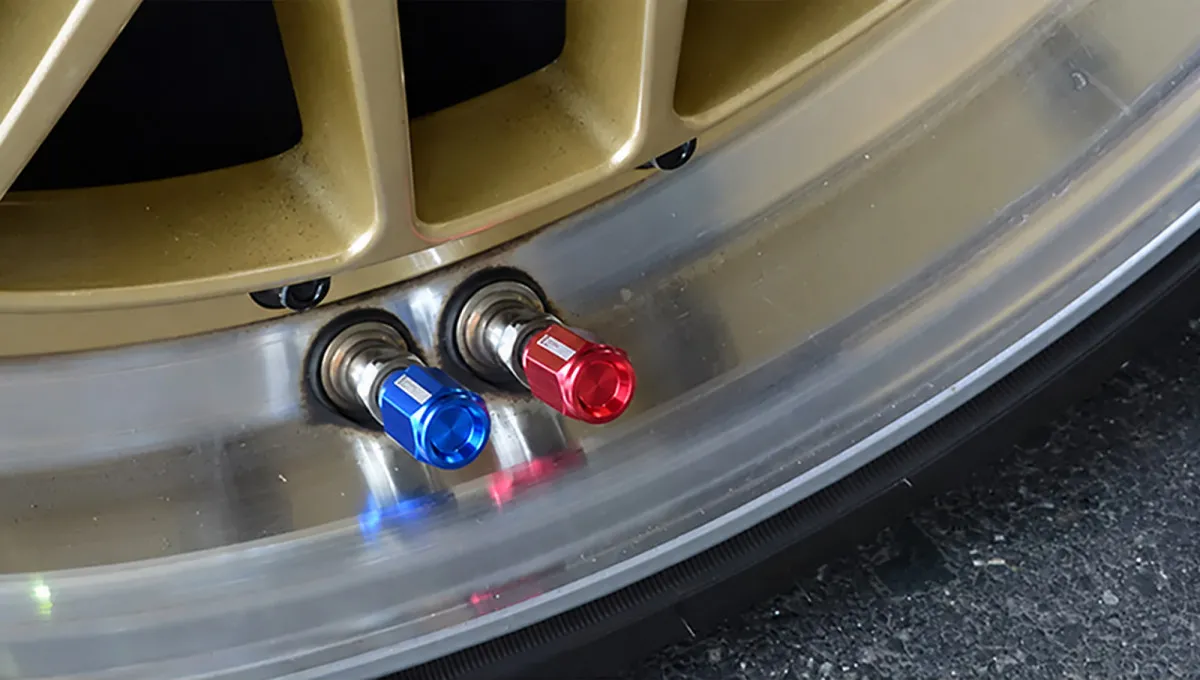
Not a Manufacturing Error: Why Some Wheels Have Two Valve Stems
Two valve stems on one wheel may look unusual, but the setup serves a practical purpose in racing and specialized tire service.
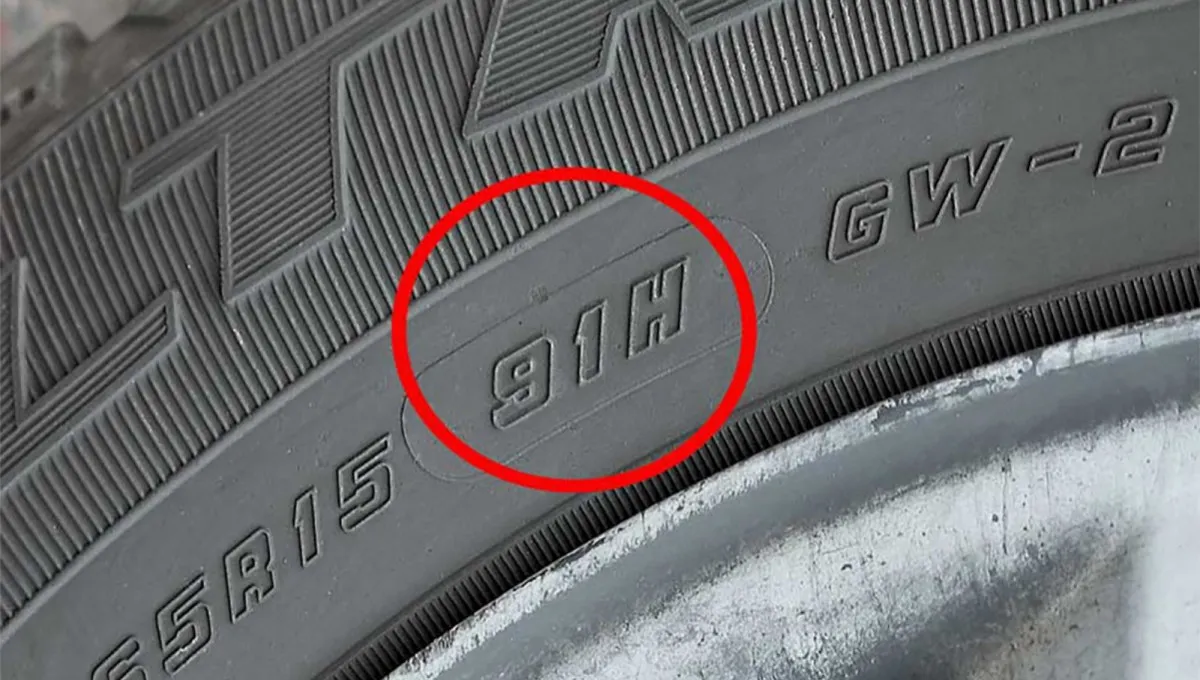
How Fast Can Tires Go? The Answer May Surprise Many Drivers
Even tires of the same size can have very different maximum speed ratings.