
Staying in Control and Improving Traction on Snow: The Right Tire Pressure Explained
Modern tires are far more sensitive to pressure changes than many drivers realize—and even small deviations can noticeably affect how a car handles.
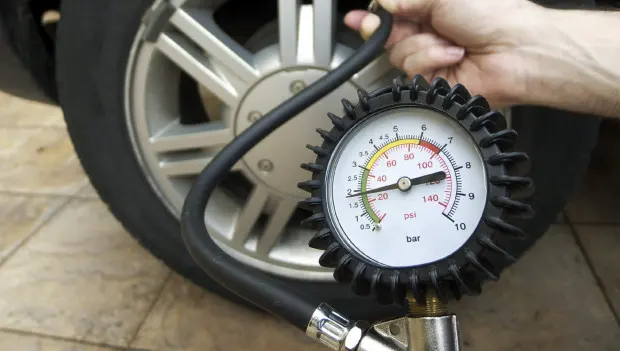
Most modern vehicles ride on tubeless tires. While they’re efficient and reliable, they’re also quite sensitive to pressure fluctuations. When tire pressure is off, steering response suffers, stability declines, and overall control becomes more difficult—especially in winter conditions.
How do you know the correct tire pressure?
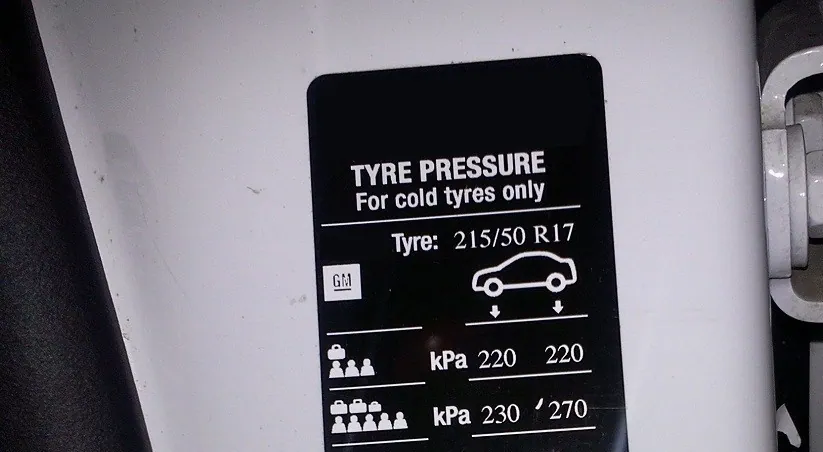
The simplest answer is also the right one: follow the specification set by the manufacturer. You’ll usually find it in the owner’s manual or on a sticker inside the driver’s door jamb or fuel filler flap. If that information is missing, it’s best to stick with generally accepted optimal ranges.
That said, “normal” tire pressure isn’t universal. It can vary depending on several factors, including:
-
the vehicle’s curb weight,
-
wheel diameter and rim size,
-
tire type and load/speed rating.
So what pressure should you run?
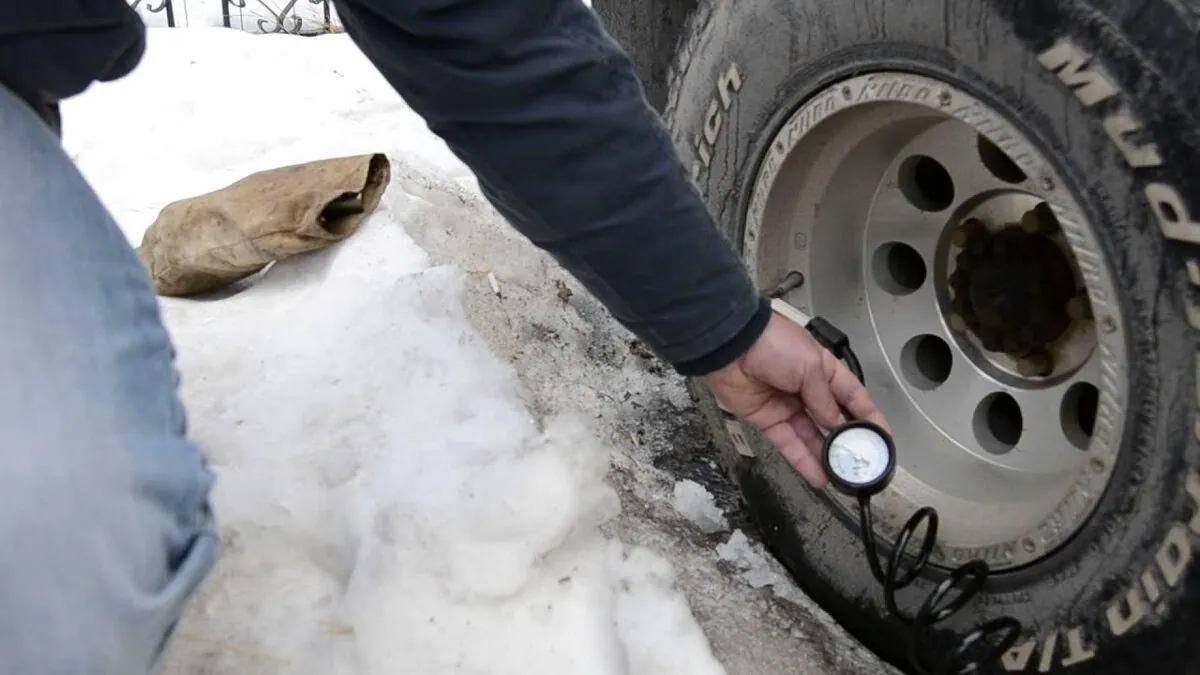
Tire pressure is influenced not only by driving heat but also by ambient air temperature. That’s especially important in winter. As temperatures drop, pressure falls; when it warms up, pressure rises.
To find the right balance in cold weather, it helps to keep basic gas laws in mind:
-
In winter, inflate tires about 1.5–3 psi higher than summer settings if your goal is better snow traction.
-
If maintaining precise handling on icy roads is the priority, stick with the factory-recommended pressure.
-
When weight distribution is even, all four tires should have the same pressure. Under maximum load, the rear tires can be inflated about 3 psi higher.
-
For 14-inch tires, around 29 psi is often considered optimal; larger or smaller diameters may require slightly higher or lower pressure.
-
Increasing pressure slightly in the drive wheels can also help, depending on road conditions.
How often should you check tire pressure?
Experts recommend checking tire pressure in winter at least twice a week. This becomes especially important during periods of sharp temperature swings.
For the most accurate readings, always measure tire pressure when the tires are cold—before driving or after the car has been parked for several hours.
Keeping tire pressure in check isn’t just about comfort—it’s a key factor in safety, control, and confidence when driving on snow and ice.
You may also be interested in the news:
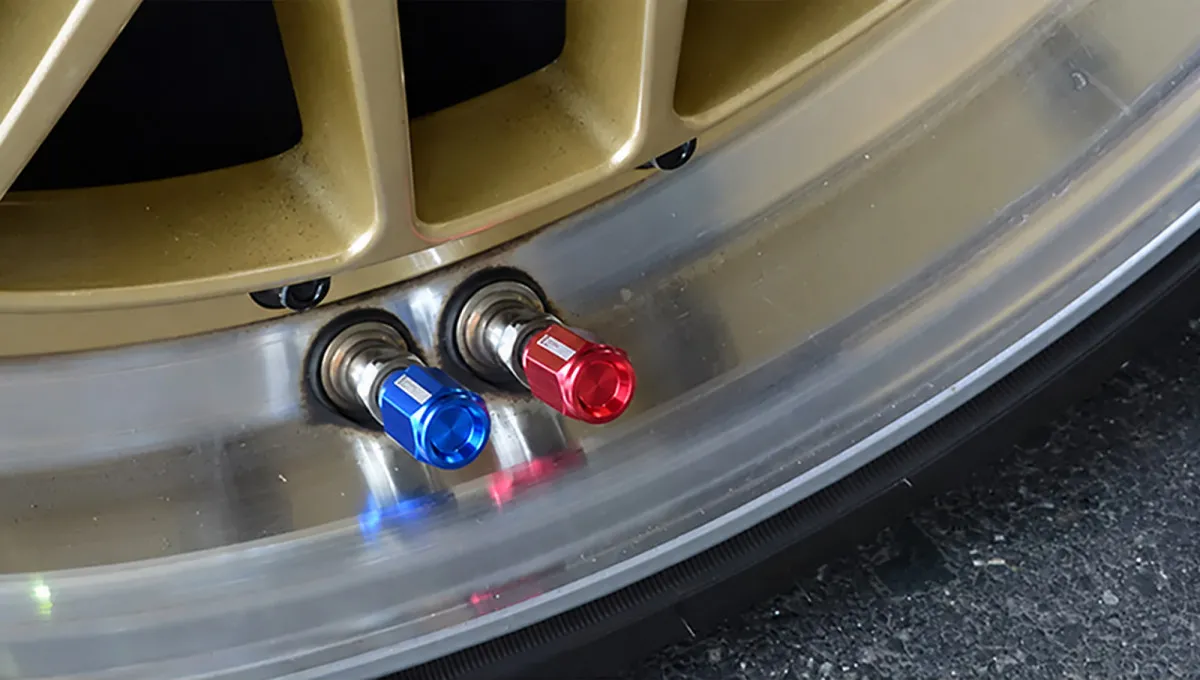
Not a Manufacturing Error: Why Some Wheels Have Two Valve Stems
Two valve stems on one wheel may look unusual, but the setup serves a practical purpose in racing and specialized tire service.
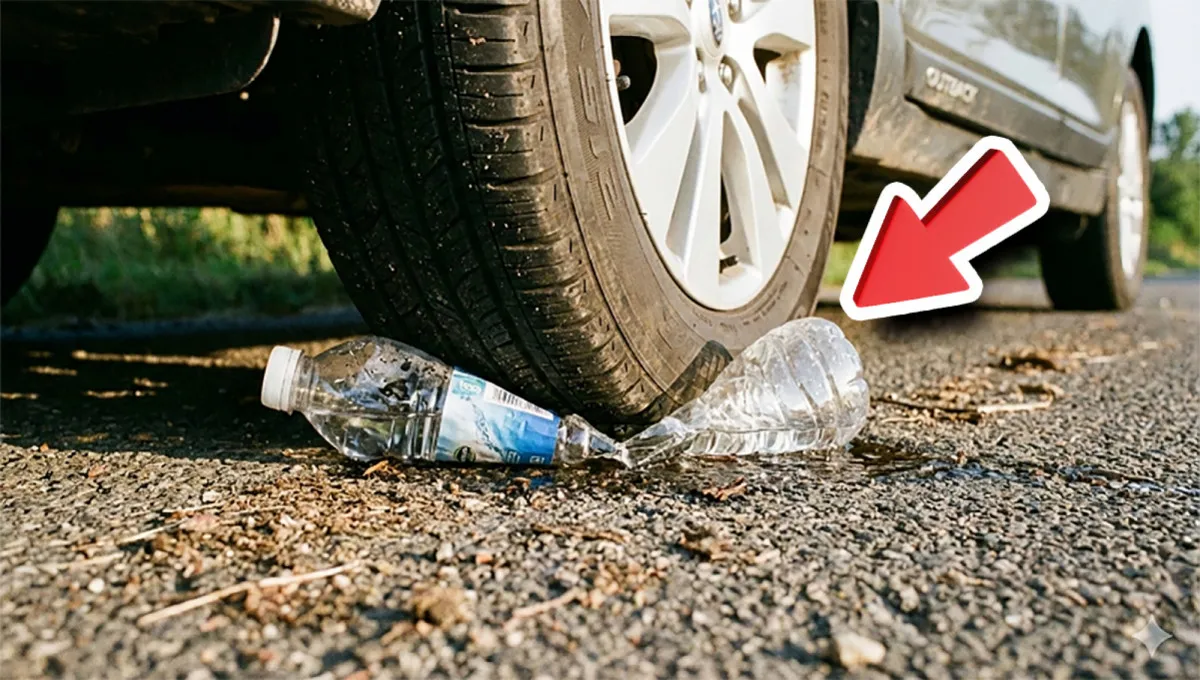
Bottle Under the Tire: The New Roadside Scam Targeting Drivers
A new roadside scam is gaining traction, using a simple plastic bottle to trick unsuspecting drivers.
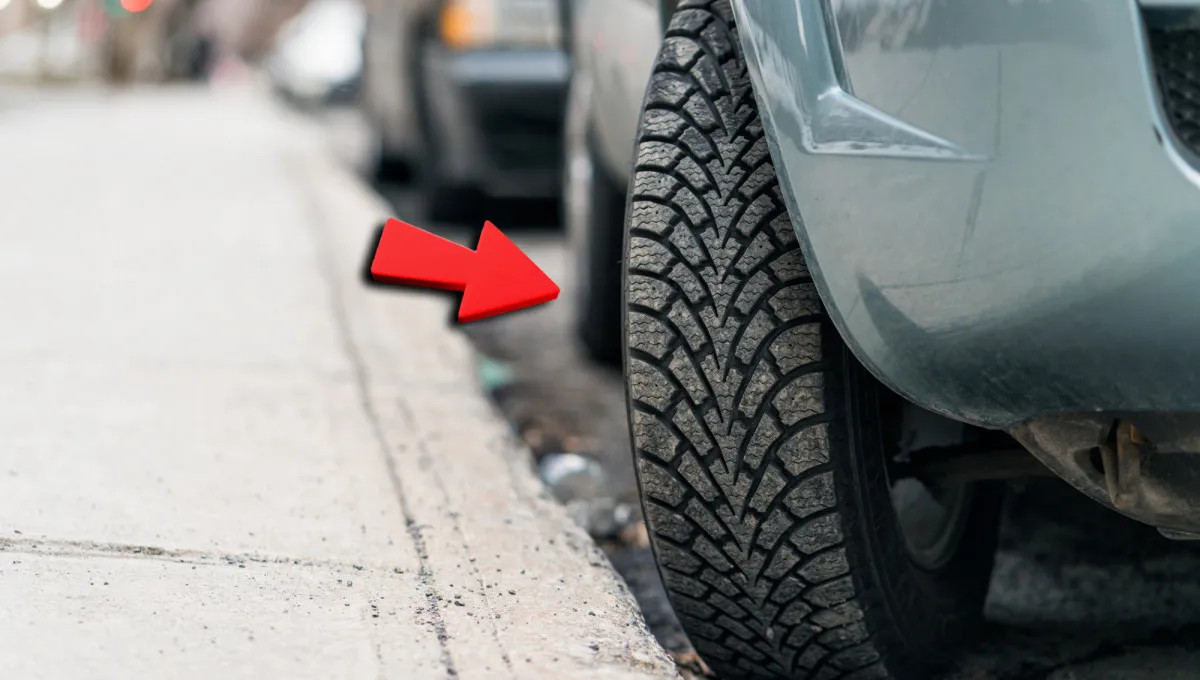
Why Your Neighbor Always Parks With the Wheels Turned: An Auto Expert Explains Three Reasons
Straight wheels aren’t always the smartest choice: experienced drivers turn them for three practical reasons you may not expect.
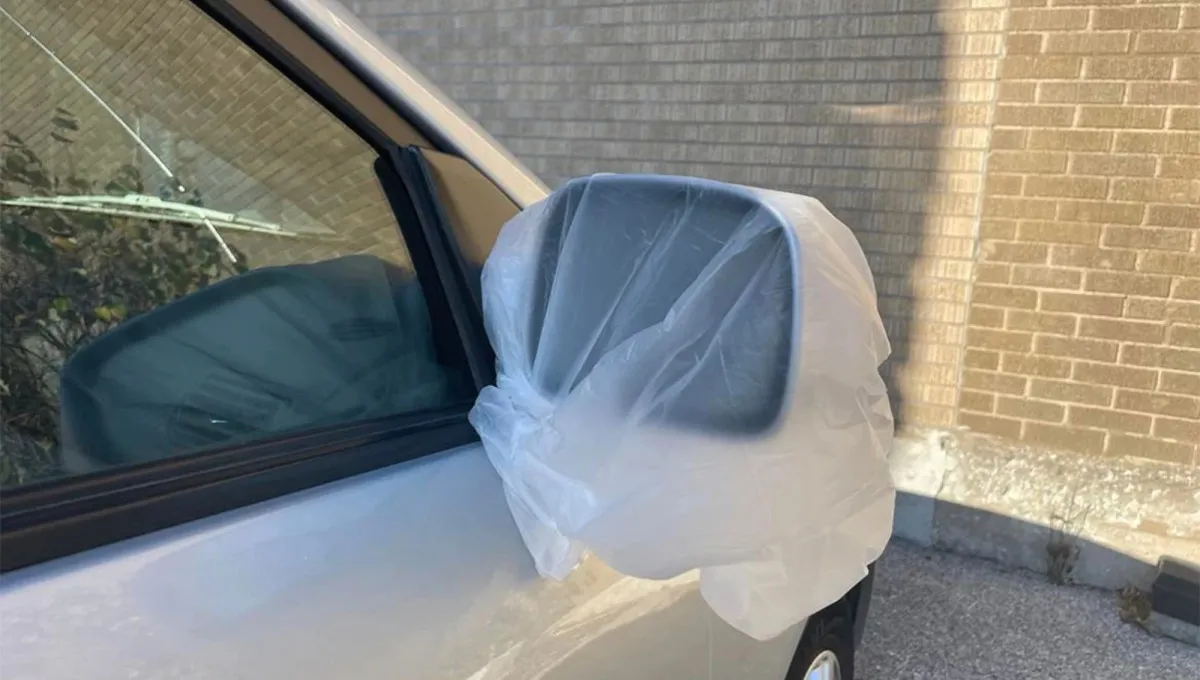
Why You Should Never Ignore a Plastic Bag on Your Car Mirror
You park your car, head inside, and return a short time later to find an ordinary plastic bag hanging from the side mirror.
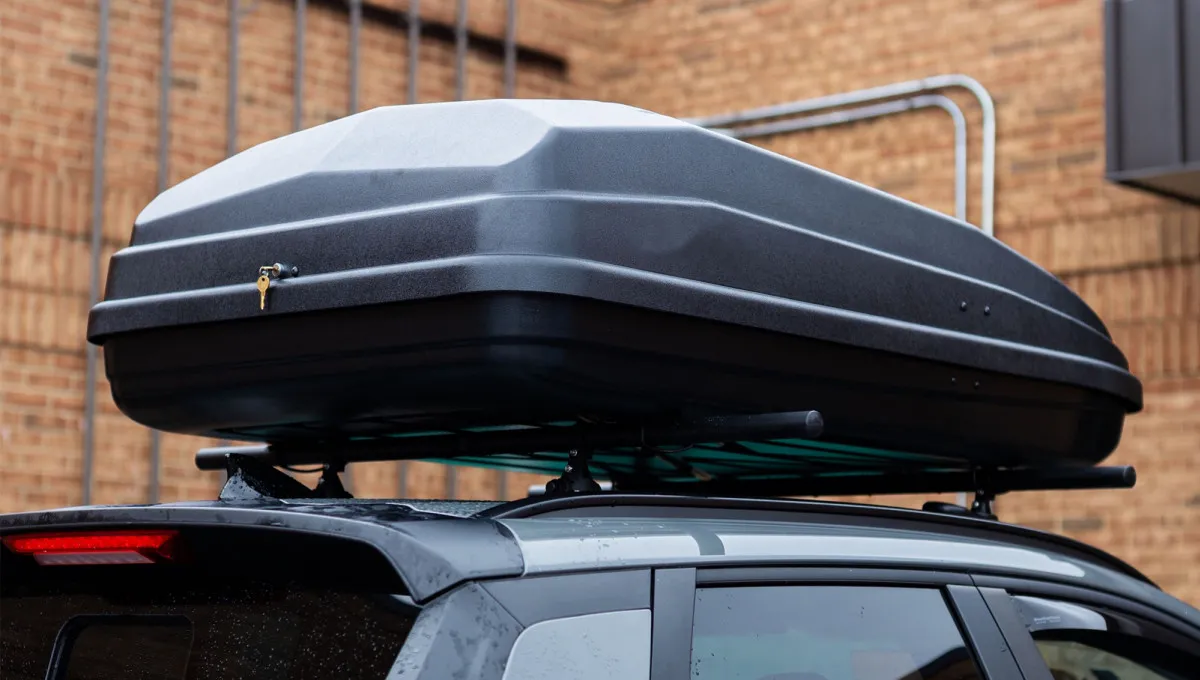
Auto Expert Warns Drivers About Common Mistakes When Installing a Roof Cargo Box
Roof cargo boxes have become increasingly popular with drivers looking for an easy way to carry more gear on road trips.