
Nokian Tyres Unveils Experimental Tire Made with Birch Bark
A new study explores how birch bark–based raw materials change tire compounds—and what that could mean for drivers.
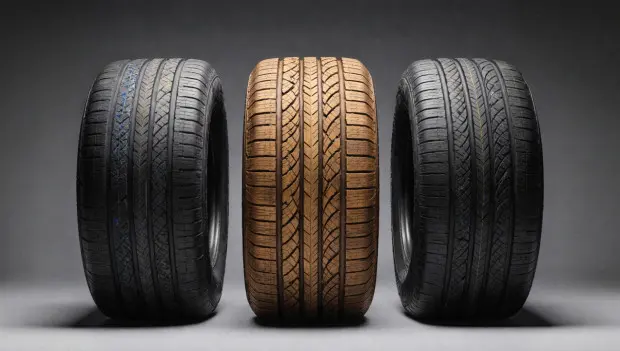
Nokian Tyres is pushing innovation in tire manufacturing by turning to an unexpected material: birch bark. Industry experts are already calling the approach unconventional, and the new technology has completed its first round of testing. Broader changes for the tire industry may follow.
The Finnish tire maker has taken a surprising step forward by introducing a concept tire called Betula, which for the first time incorporates a birch bark–derived component into its rubber compound. The breakthrough was made possible through a partnership with Swedish company Reselo, which specializes in renewable materials.
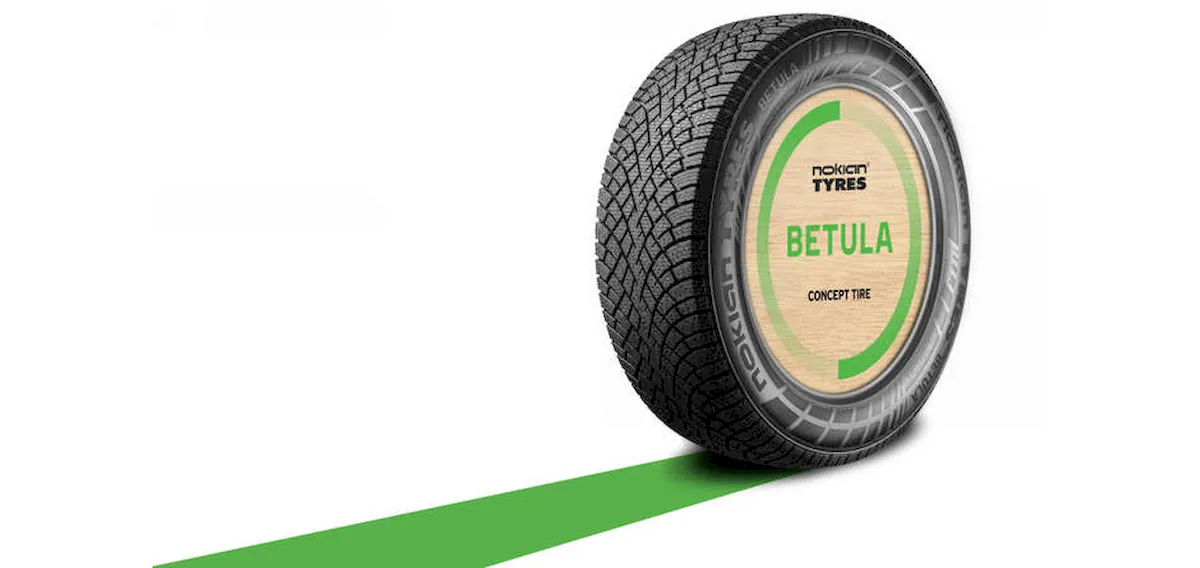
According to Nokian Tyres, the raw material used in the new tire comes from waste generated by the pulp, paper, and plywood industries. This not only reduces environmental impact but also puts previously unused byproducts to work. The two companies signed a collaboration agreement in 2024, and Betula represents the first tangible outcome of that partnership.
Betula is the first tire in Nokian Tyres’ history to feature birch bark in its tread compound. Engineers say the tread pattern is based on the design of the non-studded winter Hakkapeliitta R5, a model well known in cold-climate markets. The key difference lies in the materials: renewable and recycled content in the Betula tire reaches 93 percent—a record-setting figure for the industry.
Nokian Tyres emphasizes that birch bark is not only environmentally friendly but could also influence real-world tire performance. Exactly how the new material affects handling, grip, and durability has not yet been disclosed. The company notes that the potential for large-scale production using birch bark will need further evaluation.
The Betula concept tire has already undergone a series of tests at Nokian Tyres’ proving grounds in Ivalo and Nokia, Finland. Company representatives say the results are promising, though detailed data has not been released. Future steps will depend on a deeper analysis of the findings and expert feedback.
Interest in sustainable materials within the tire industry continues to grow each year, as manufacturers look to reduce reliance on petroleum-based inputs and lower their carbon footprint. In that context, Nokian Tyres’ experiment could serve as a benchmark for competitors—though a full-scale shift to such technologies is still some way off.
You may also be interested in the news:
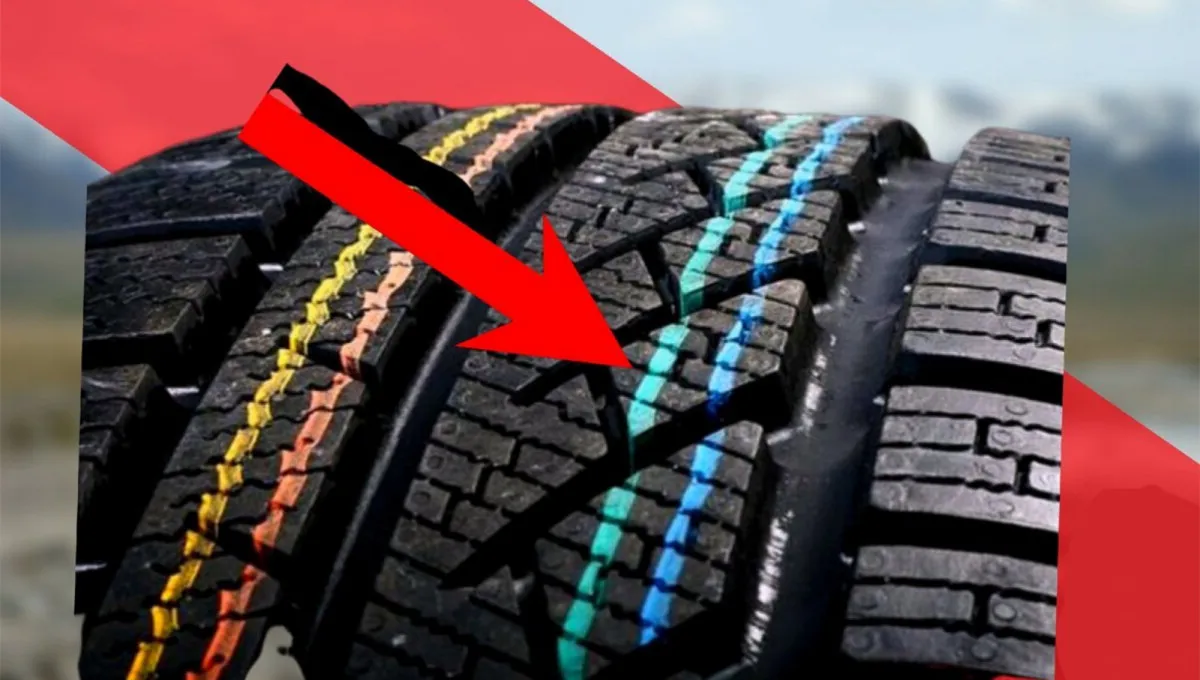
Why Colored Stripes on New Tires Confuse Drivers: What They Really Mean
A blue stripe on one tire brand can mean something entirely different on another, leaving drivers wondering what the markings mean.
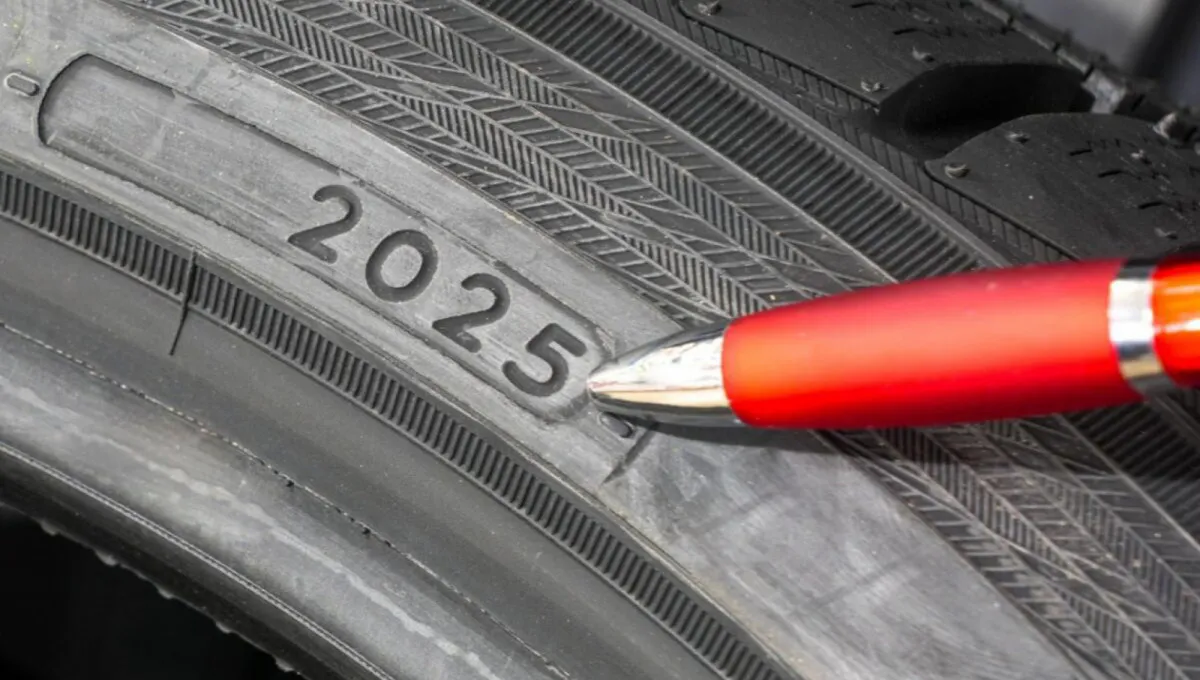
Why You Should Check a Tire’s Manufacturing Date Before Buying
Tire buyers should check more than size, tread, and brand because rubber changes with age, even without visible wear.

Your Steering Wheel Starts Shaking at 60 MPH? Don’t Ignore These Warning Signs
A vibrating steering wheel is often most noticeable at highway speeds, but the cause isn’t always immediately obvious.
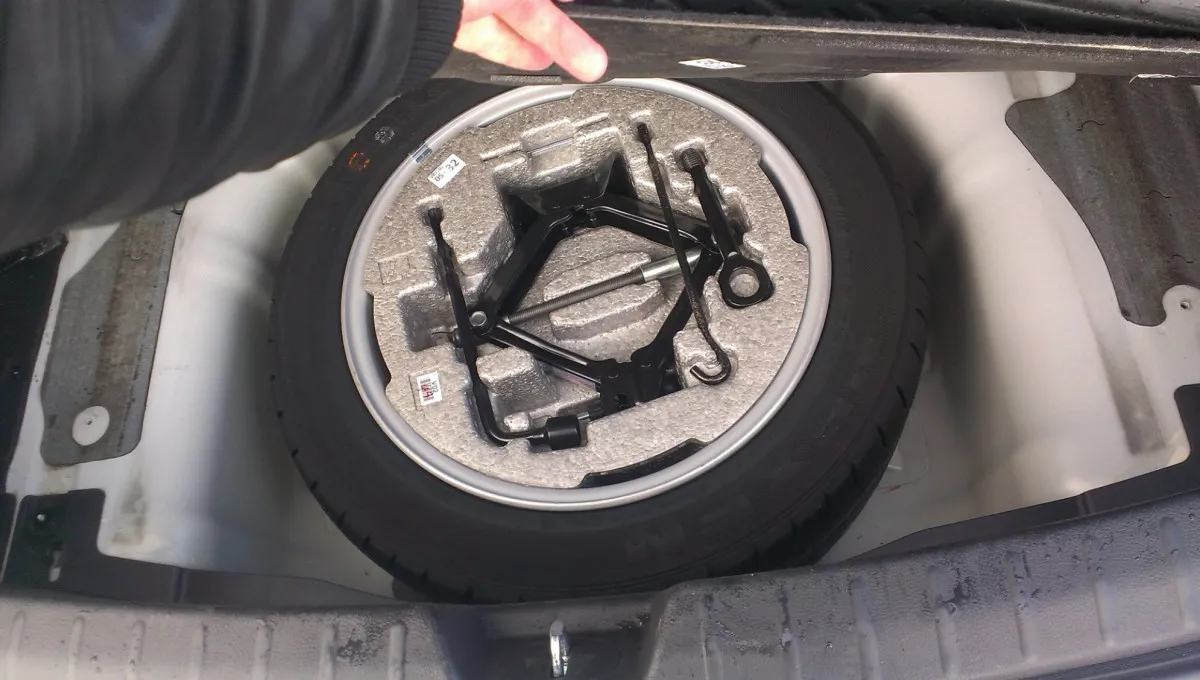
Why New Cars Are Ditching the Spare Tire — And What Drivers Get Instead
More new vehicles are replacing the spare tire with a compressor and sealant kit, and there are two practical reasons why.
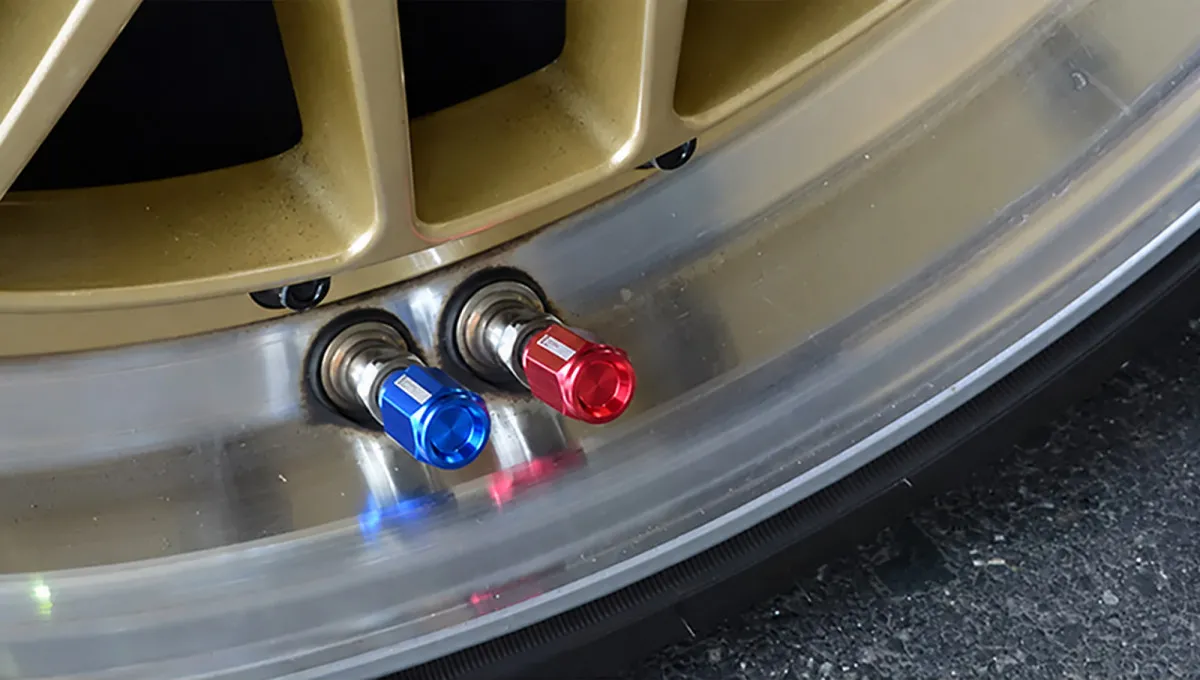
Not a Manufacturing Error: Why Some Wheels Have Two Valve Stems
Two valve stems on one wheel may look unusual, but the setup serves a practical purpose in racing and specialized tire service.