
Many Drivers Have Been There: What Happens If You Drive With One Wheel Bolt Missing?
A missing wheel bolt or lug nut is a situation many motorists eventually run into—and it’s more serious than it might seem at first glance.
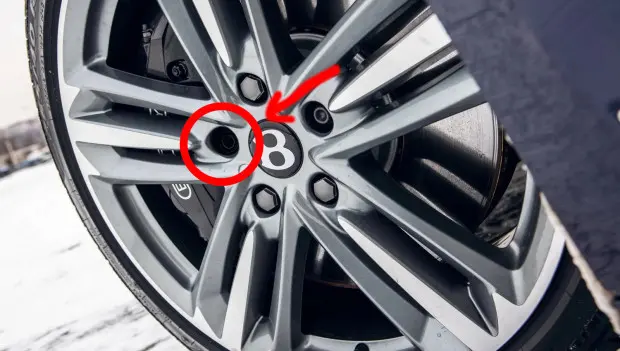
I’ve dealt with this myself, just like plenty of other drivers. You walk up to your car, casually glance at a wheel, and suddenly realize that one bolt or lug nut is simply gone. It looks like a minor issue, but in reality it’s a worrying discovery, because the consequences can be far more serious than you’d expect.
A wheel is held to the hub by several bolts or lug nuts—typically four or five. In most cases, problems don’t appear out of nowhere. They often show up after a visit to a repair shop or tire service. I’ve seen and heard plenty of stories where bolts weren’t tightened enough—or were cranked down far too hard. In the first case, the fastener can slowly work its way loose. In the second, the threads or the bolt itself can be damaged and eventually fail. Add questionable metal quality or hardware that’s simply worn out over time, and it’s not hard to see how a bolt can go missing.
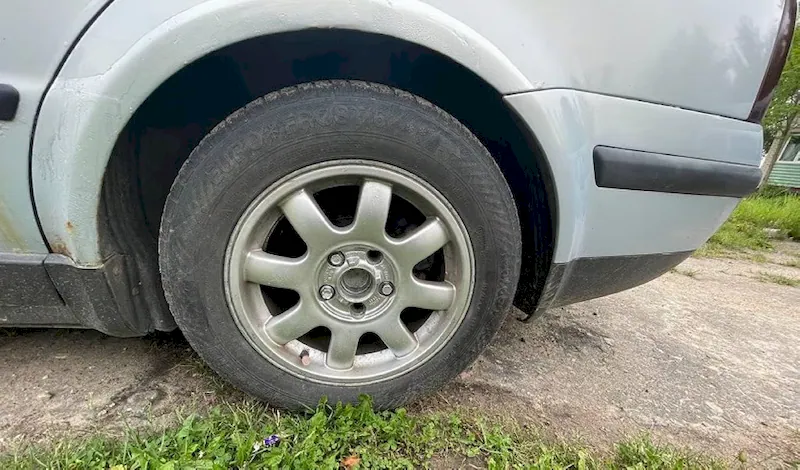
If I notice that one fastener is gone, the first thing I do is check the rest. The logic is simple: if one came loose, the others might not be far behind. I grab a lug wrench and carefully snug up what’s still there—without overdoing it. After that, I drive as gently as possible. No hard launches, no panic braking, and no high speeds. With one bolt missing, the wheel isn’t secured the way it should be, and extra stress is the last thing it needs.
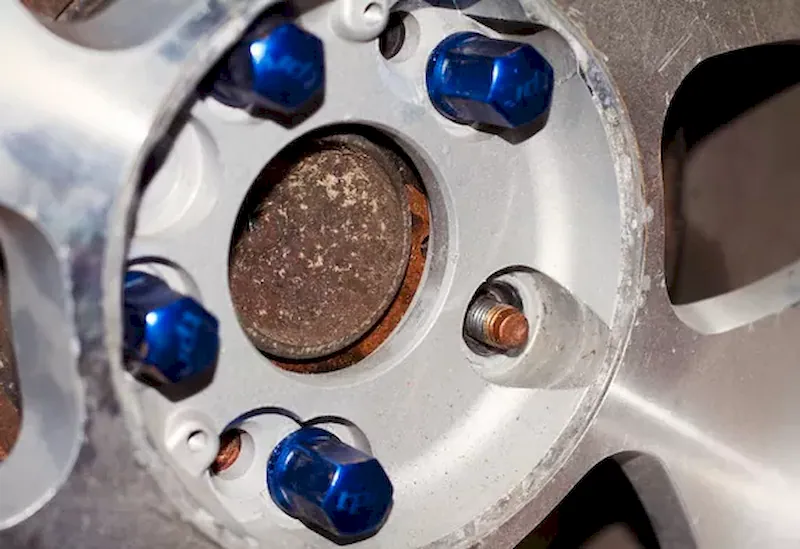
My next stop is the nearest auto parts store. I don’t put it off or tell myself, “I’ll deal with it later.” I buy the missing bolt or lug nut, and usually pick up a couple of spares as well. They’re inexpensive, and having extras on hand can be a real lifesaver down the road.
Over time, I’ve realized that situations like this are largely preventable if you pay a bit more attention to wheel hardware. Anytime a wheel comes off, I take a close look at the bolts—checking for damage, corrosion, or any odd resistance when tightening. If a bolt doesn’t feel right or the threads seem questionable, I replace it instead of forcing it tighter.

One more thing that genuinely helps is proper lubrication. A small amount of copper, graphite, or moly grease can prevent seizing and make future removal much easier. And of course, a torque wrench matters. Tightening bolts to the correct specification—not by feel—greatly reduces the risk of both under-tightening and over-tightening.
In the end, it comes down to a simple idea: your wheels aren’t something to gamble with. A little care and attention go a long way toward driving with confidence, without worrying that something could go wrong at the worst possible moment.
You may also be interested in the news:

Harley-Davidson Riders Could Face $2,500 Fines Under New Law Targeting ‘Weaving’ on Roads
Arizona’s new motorcycle law targets lane splitting, exposing repeat offenders to steep fines, possible jail time, and license suspensions.

3 Zodiac Signs That Drive Everyone Crazy on the Road, Without Realizing It — Is Yours on the List?
They think they're perfect drivers. Everyone else disagrees. These zodiac signs have a knack for testing other drivers' patience.
Hidden Key Fob Trick: Open All Your Car Windows With One Button
An auto mechanic explains how drivers can remotely open and close car windows using a key fob, provided the vehicle has the right hardware.
8 Car Maintenance Mistakes That Could Cost You Thousands if You Wait Too Long
Depending on driving conditions, some maintenance tasks may need to be performed sooner and more often than the automaker recommends.

How Long Will Your Car Last? A Guide to Making It Age Gracefully
Automotive experts explain how routine maintenance and timely replacement of aging components can help your car last longer.