
What’s That Dial Marked “0–1–2–3” Next to the Headlights? Many Drivers Have No Idea
What it does, how it works, and why it actually matters more than most people think.
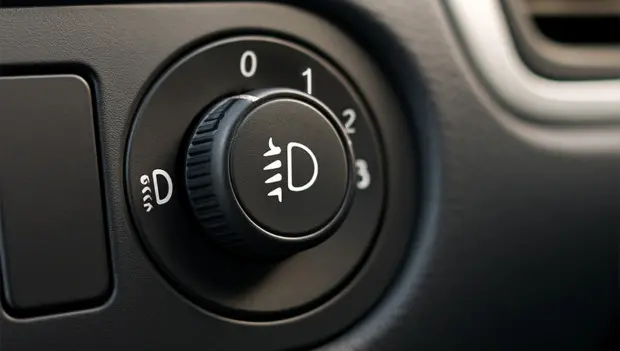
It started with a loaded trunk: a bag of cement, a couple of wheels, and an old jack. I pulled out, got up to speed—and suddenly realized my headlights were shining straight into the sky. Oncoming drivers were flashing their high beams, some even slowing down in front of me like I’d done something wrong. I pulled over, checked the car—everything looked fine, except the rear end was sitting a little low.
That’s when I noticed the dial to the left of the steering wheel. Numbers from 0 to 3. A little headlight icon. I’ll be honest—I’d seen it before but never really paid attention to it. Turns out, it’s the headlight leveling control.
That sent me down a rabbit hole: what is this thing, how does it work, and why should anyone care?
What Is This Dial and Why Do You Need It?
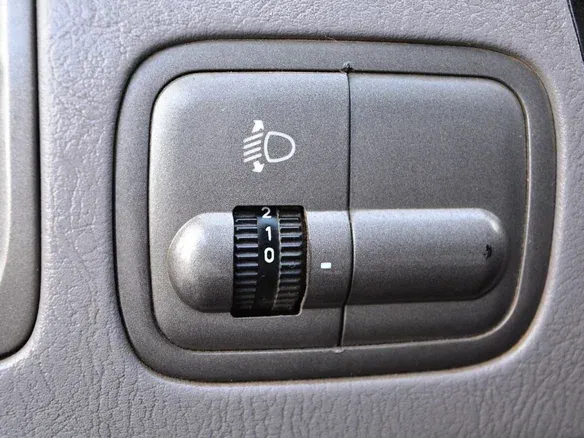
In short, it’s there to keep you from blinding other drivers—especially when your car is carrying extra weight. The dial adjusts the vertical angle of the headlights, pointing the beam lower as the rear of the car squats under load. It’s not a luxury feature; it’s basic nighttime courtesy and safety.
How It Works
Inside each headlight is a small electric motor, known as a leveling actuator. When you turn the numbered dial, the system sends a signal to that motor, which moves the reflector inside the headlight up or down.
-
0 means minimal downward angle
-
The higher the number, the lower the beam is aimed
The general idea looks like this:
-
0 — Driver only, empty car
-
1 — Front passenger or light cargo
-
2 — Rear passengers and luggage
-
3 — Fully loaded vehicle
Why You Shouldn’t Leave It on “0” All the Time
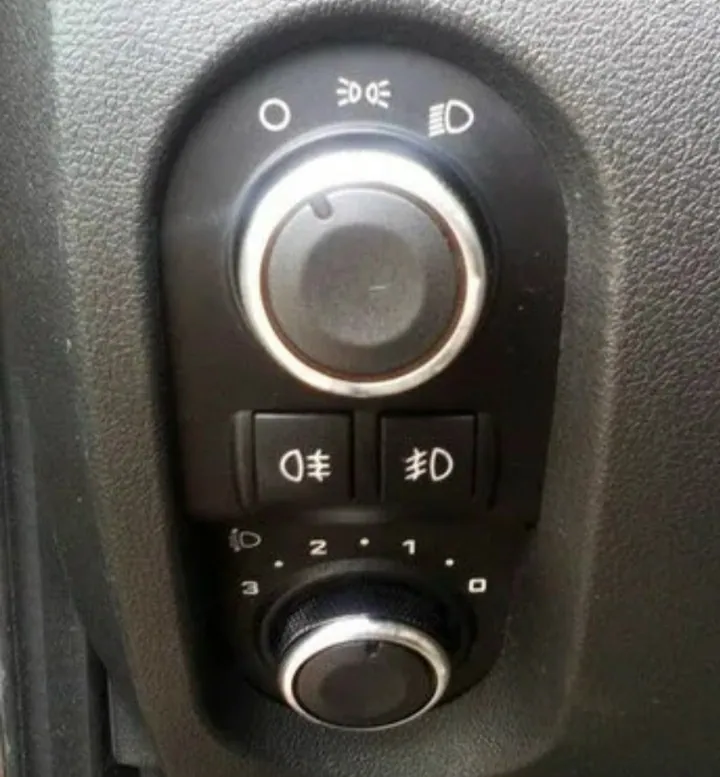
Because that’s how you become that driver at night. Even older cars with relatively weak headlights will tilt their beams upward when the rear is loaded. Instead of lighting the road, the headlights end up blasting straight into oncoming traffic.
The result? Other drivers are temporarily blinded and may miss pedestrians or obstacles. You might get pulled over for dazzling traffic. And ironically, your own visibility gets worse because the light is no longer focused where you need it. During inspections, a non-functioning leveling system can also raise red flags.
This adjustment is especially important when:
-
The trunk is packed with heavy items—tires, building materials, or anything else dense
-
Large passengers are sitting in the back seat
-
You’re towing or carrying a loaded trailer
What If the Dial Doesn’t Work?
That happens. The usual suspects include a failed motor inside the headlight, corroded wiring or contacts, a broken switch, or a previous owner who removed the system altogether and installed a blank cover.
At that point, you have two real options: fix it properly with an auto electrician, or—at minimum—manually aim the headlights lower using a headlight alignment setup and leave them there.
That little dial with the numbers isn’t a decorative extra—it’s a simple, practical tool meant to keep your headlights aimed where they belong. On the road, light is like conversation: louder isn’t better, clearer is. If you want respect from other drivers, adjust your headlights before you drive—don’t make them pay for it.
You may also be interested in the news:

Why Your Neighbor Always Parks With the Wheels Turned: An Auto Expert Explains Three Reasons
Straight wheels aren’t always the smartest choice: experienced drivers turn them for three practical reasons you may not expect.
Toyota Built It to Survive 300,000 Miles. Tuners Turned It Into a 2,000-HP Beast
Toyota engineers may have gone too far with durability — and accidentally created the ultimate engine for hot-rodding.

It Confuses Many Drivers: What Does the Road Sign With a Thumbs-Up Mean?
This unusual sign appears near highway entrances, tunnels and other locations where roadside stops can create serious safety hazards.
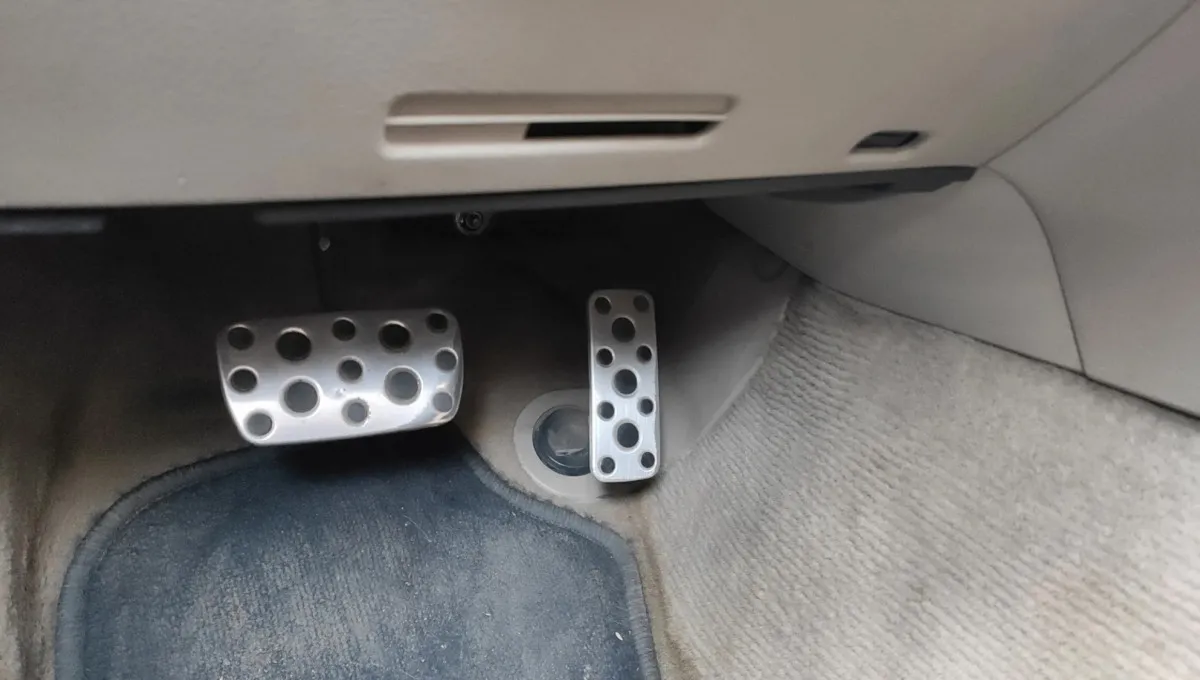
We Know What the Button Behind Your Gas Pedal Does — And It's Even Found in Manual-Transmission Cars
Modern cars are packed with hidden features, and one small button behind the accelerator pedal can serve a surprisingly important purpose.

The Worst Cars in the World: A History of Automotive Failures and Disappointments
The auto industry has produced countless groundbreaking models, but some cars became infamous for all the wrong reasons.