
Million-Mile Motors: Five Engines That Outlast the Cars They’re In
Buying a used car always comes with risks. You could easily end up with a vehicle hiding a worn-out engine that turns ownership into a headache.
Buying a used car is never a sure thing. One of the biggest risks is stumbling into a vehicle with an engine that’s already on its last legs—something that can quickly turn into an endless stream of repairs. That said, automotive history has produced a handful of truly legendary engines. With one of these under the hood, you can be reasonably confident the car won’t break down at the first intersection after you sign the paperwork.
Enthusiasts around the world admire their durability. These are the so-called “million-mile engines,” powerplants capable of running 300,000 miles—or even more—without major internal repairs.
Toyota 1UZ-FE
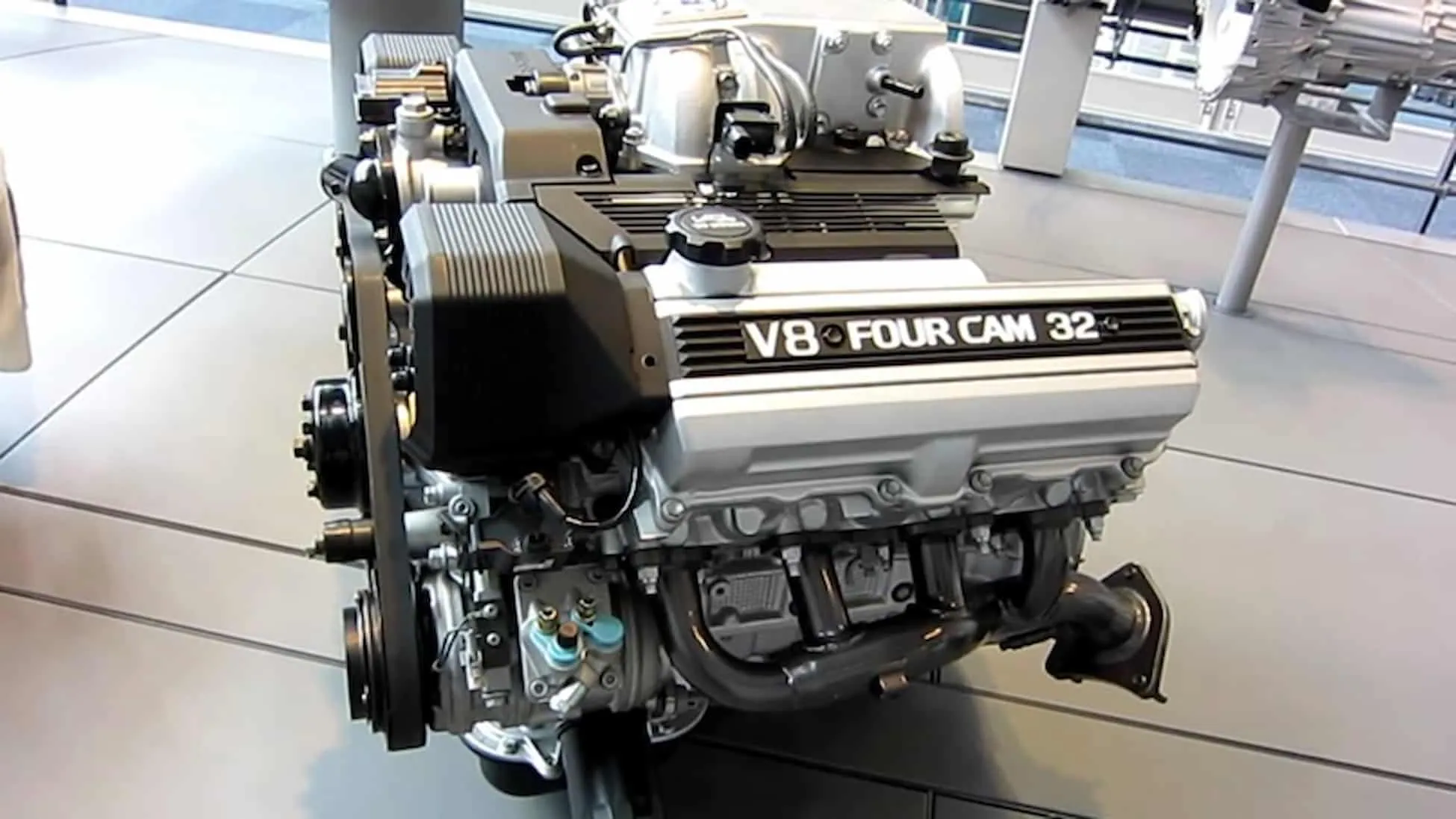
Toyota has long enjoyed a reputation as one of the most reliable automakers on the planet. Over the years, the brand has produced plenty of engines known for their longevity, but the iconic 1UZ-FE V8 stands apart.
Introduced in 1989, the 1UZ-FE was considered both technologically advanced for its time and exceptionally dependable. Its secret was surprisingly simple: it had no major inherent flaws. For owners, 185,000 miles (300,000 km) was often considered just a warm-up. The first vehicle to receive this engine was the original Lexus LS, and many of those early cars are still on the road today.
Volvo B18
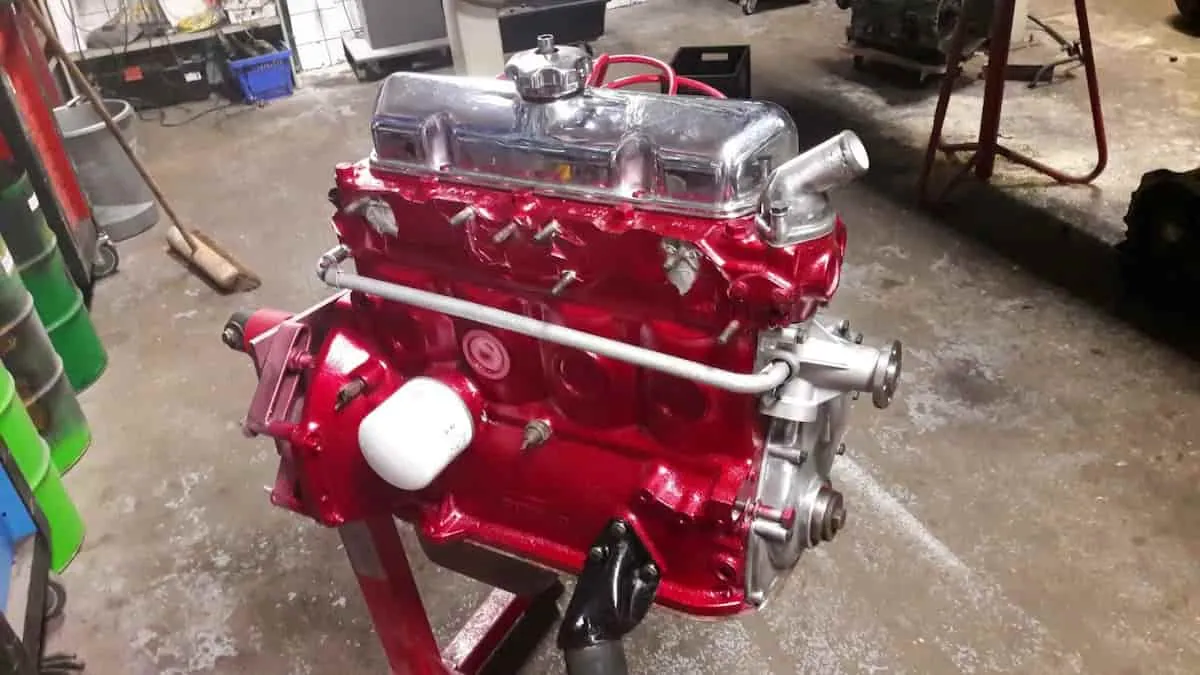
This engine powers the car that holds the world record for the highest mileage ever driven by a passenger vehicle: Irv Gordon’s Volvo P1800, which logged an astonishing 3 million miles (4.83 million kilometers).
The B18 is a 1.8-liter engine with one or two carburetors, making it relatively simple by design. That simplicity is a big part of its longevity. Beyond the P1800, the B18 was used in many Volvo models produced between 1961 and 1981, earning a reputation for being nearly indestructible.
Cummins 6BT
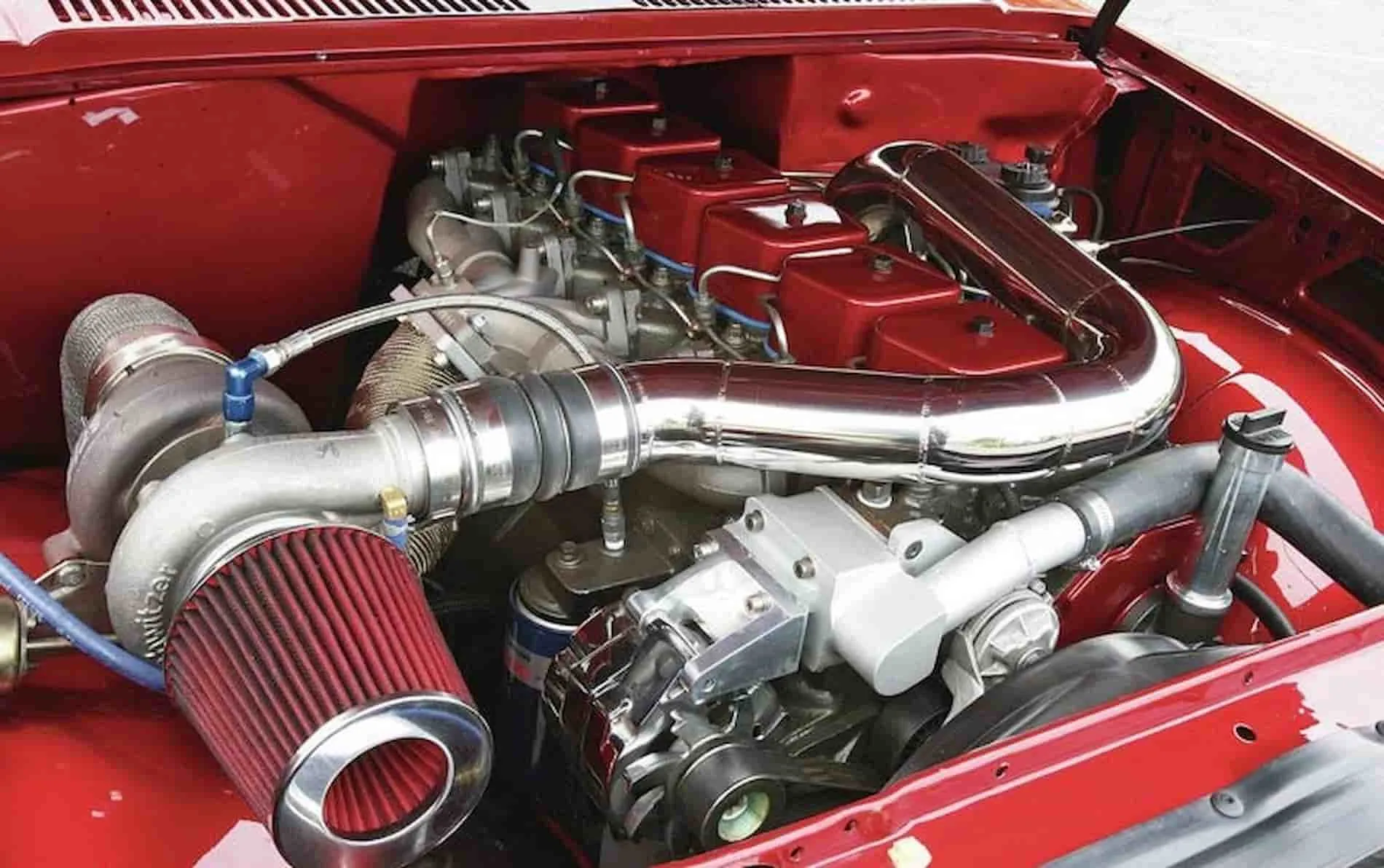
Online jokes suggest that for a Cummins 6BT, hitting 300,000 miles simply means the break-in period is over—and that’s not far from the truth. American owners of heavy-duty pickups like the Dodge Ram know this engine’s reputation better than anyone.
The 5.9-liter diesel features a cast-iron block and a famously tough Bosch fuel injection system. Built between 1984 and 1998, the 6BT is also well known for its tuning potential. With a stronger turbo setup, it can easily gain 100 horsepower or more over its factory output of roughly 215 hp and 440 lb-ft of torque—without sacrificing reliability.
Volkswagen 1.9 TDI (PD)
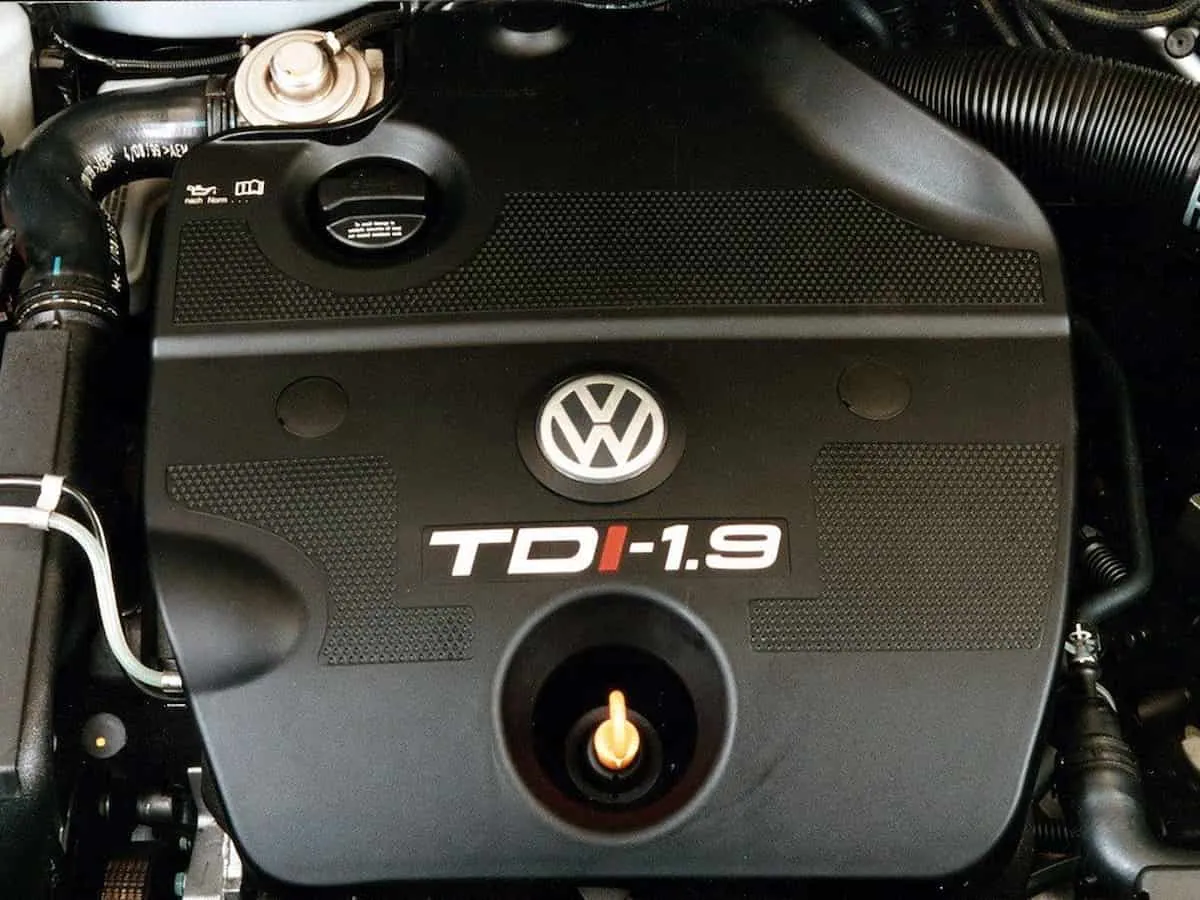
Modern Volkswagen engines are often criticized for complexity and long-term reliability concerns, but the company has produced some truly durable powerplants in the past. One standout is the 1.9-liter PD TDI turbodiesel.
In 1999, this engine won the prestigious “Engine of the Year” award in the 1.8–2.0-liter category. For the PD TDI, 300,000 miles is hardly impressive. Its exceptional durability comes from the Pumpe-Düse (unit injector) system, which avoids many of the weaknesses associated with common-rail diesel designs. These engines were widely used in compact and midsize VW models around the world.
Mercedes-Benz OM617
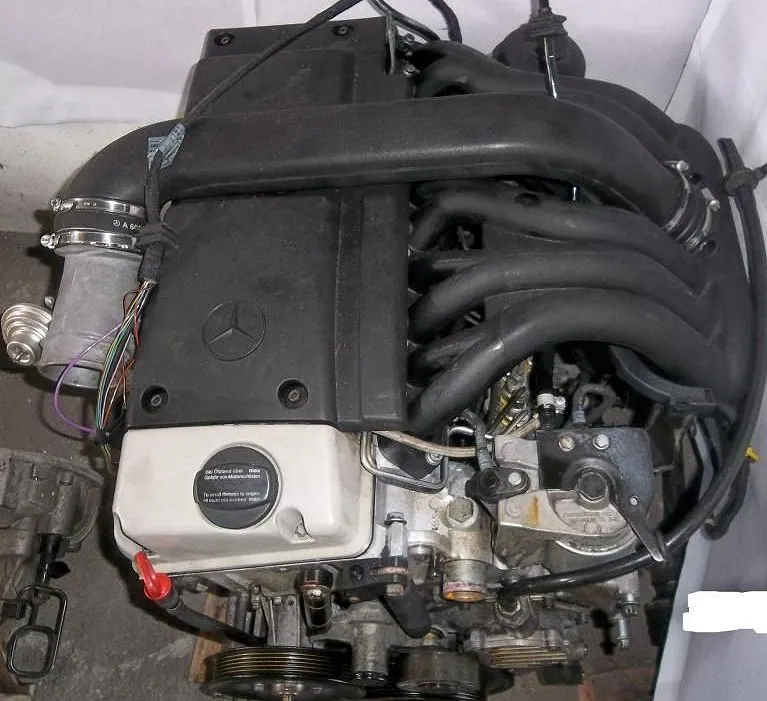
There’s a long-standing joke that the odometer will fail before this engine ever does. Taxi fleets across Africa have proven the point, with Mercedes-Benz W115 and W123 sedans—powered by the OM617—racking up several million miles apiece.
This 3.0-liter, five-cylinder diesel has become synonymous with the phrase “million-mile engine.” Its legendary toughness cemented Mercedes-Benz’s reputation for building diesel engines that seem to run forever.
You may also be interested in the news:
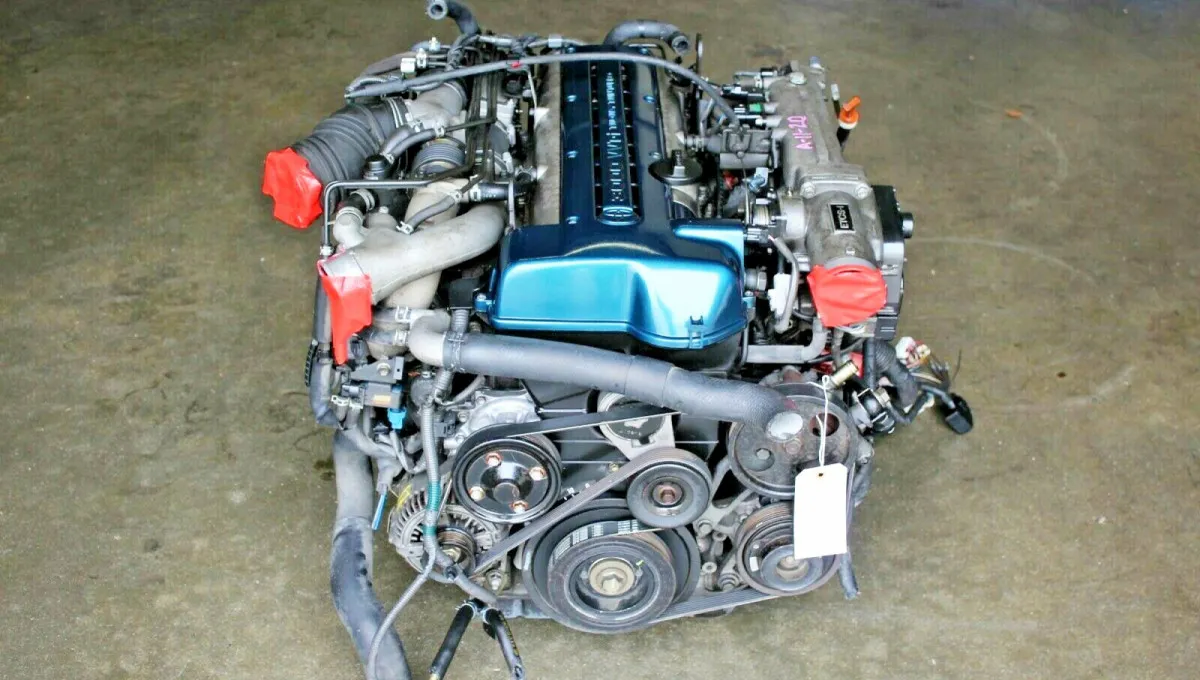
Toyota Built It to Survive 300,000 Miles. Tuners Turned It Into a 2,000-HP Beast
Toyota engineers may have gone too far with durability — and accidentally created the ultimate engine for hot-rodding.
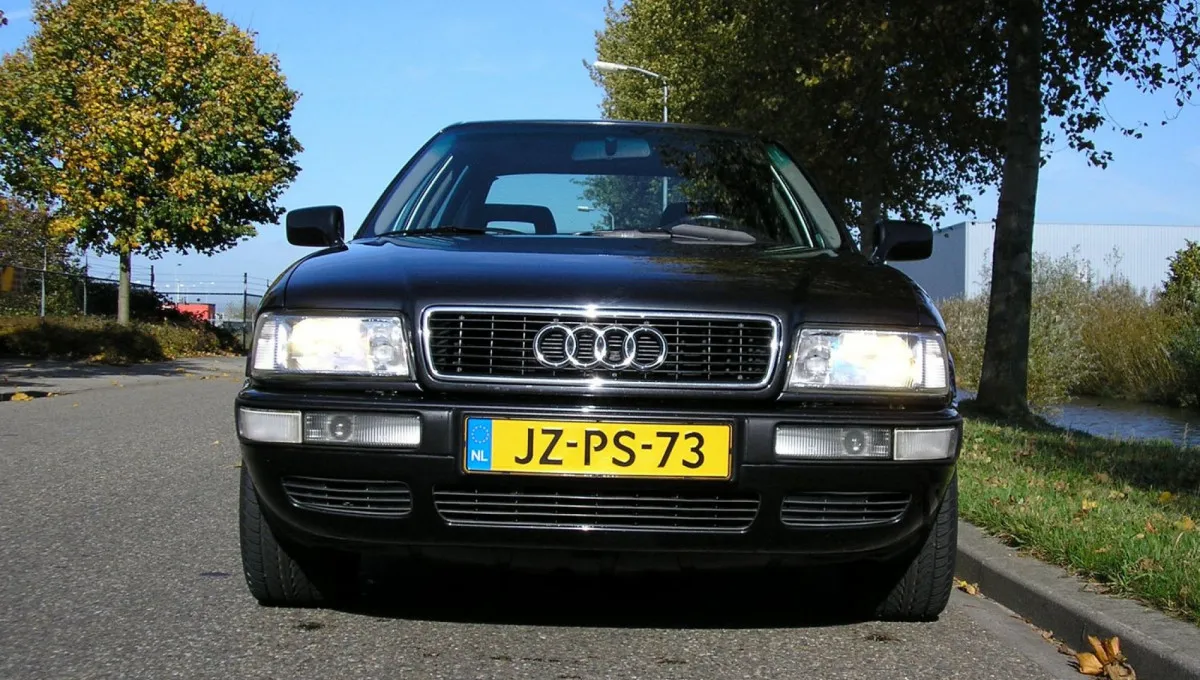
Audi 80 Has Covered Nearly 1 Million Kilometers With Its Original Engine
A 1991 Audi 80 is closing in on a mileage record.

Toyota's First Engine Was Copied From a Chevrolet
Toyota's first engine, the Type A, wasn't entirely Japanese—it was based heavily on a Chevrolet straight-six.
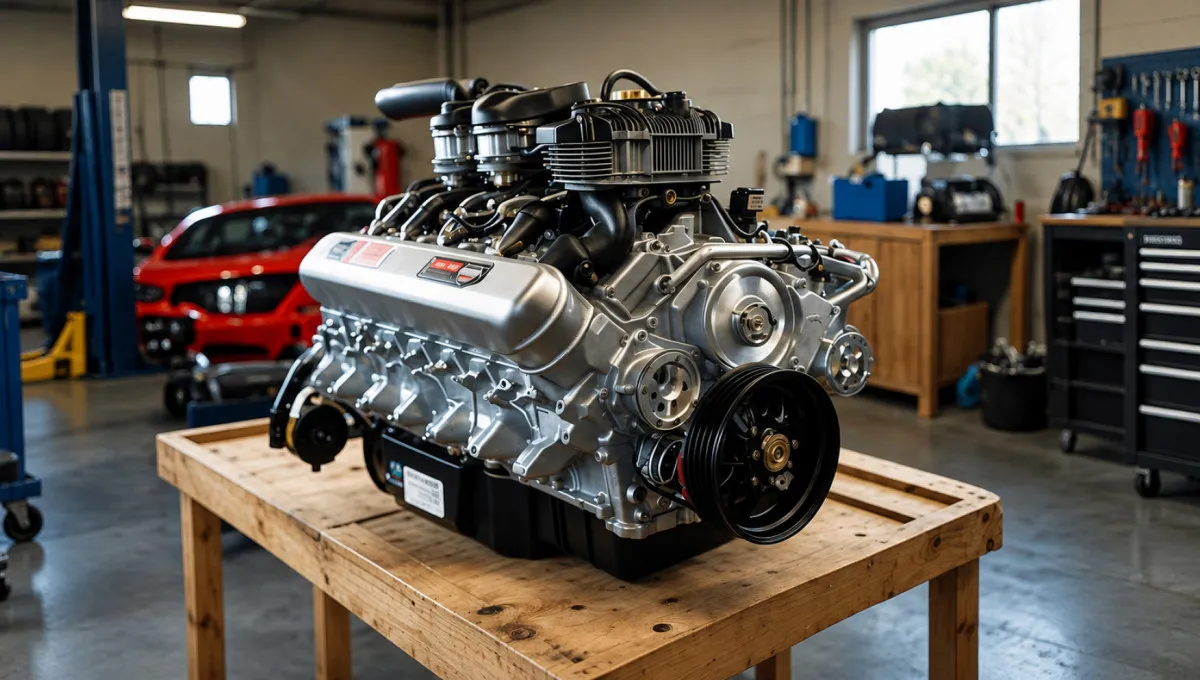
Million-Mile Engines: Why Four Legendary Motors That Outlived Their Owners Became History
Some engines become legends by surviving for decades, crossing millions of miles and proving nearly impossible to kill.
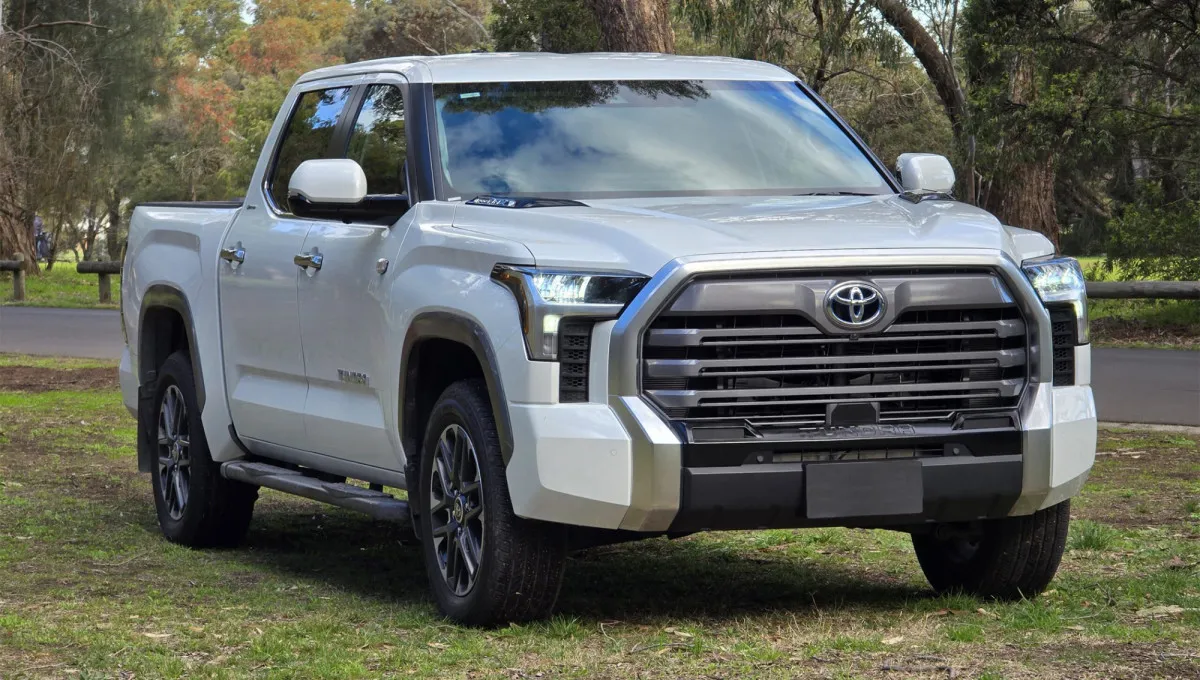
2026 Toyota Tundra Replacement Engine Failed, Raising New Questions About the Recall Fix
A 2026 replacement V35A engine has failed, raising fresh questions about Toyota’s Tundra recall fix.