
Reliable Used BMWs: The Best 2016–2018 Models to Buy
When the dream of owning a “real BMW” still makes sense—and how to avoid a costly mistake
A recent study has identified the most reliable used BMW models on the market.
According to J.D. Power, the standouts for reliability include the BMW X3 with the B58 engine, the 2 Series and 3 Series built after 2016, the X5 with the N55 inline-six, and the relatively rare 7 Series equipped with the naturally aspirated N52 engine.
Buying a used BMW is always a balancing act between chasing the brand’s signature driving experience and risking expensive repairs. Owner feedback and J.D. Power data suggest that BMW reliability has improved significantly in recent years, though differences between specific models and model years remain substantial. Knowing which powertrains proved dependable—and which to avoid—can make all the difference.

The most reliable pick
The 2017 BMW X3 M40i remains one of the strongest choices on the used market. Its turbocharged B58 inline-six, now considered a cornerstone of BMW’s modern lineup, delivers strong performance without the chronic issues associated with earlier N54 and N55 engines. In real-world ownership, many drivers report reaching 90,000 miles without major mechanical problems, aside from minor coolant leaks or an occasional valve cover gasket replacement.
J.D. Power data shows particularly strong reliability scores for the X3 in this model year, thanks to its well-balanced chassis, mature electronics, and an engine that had reached a high level of technical refinement.
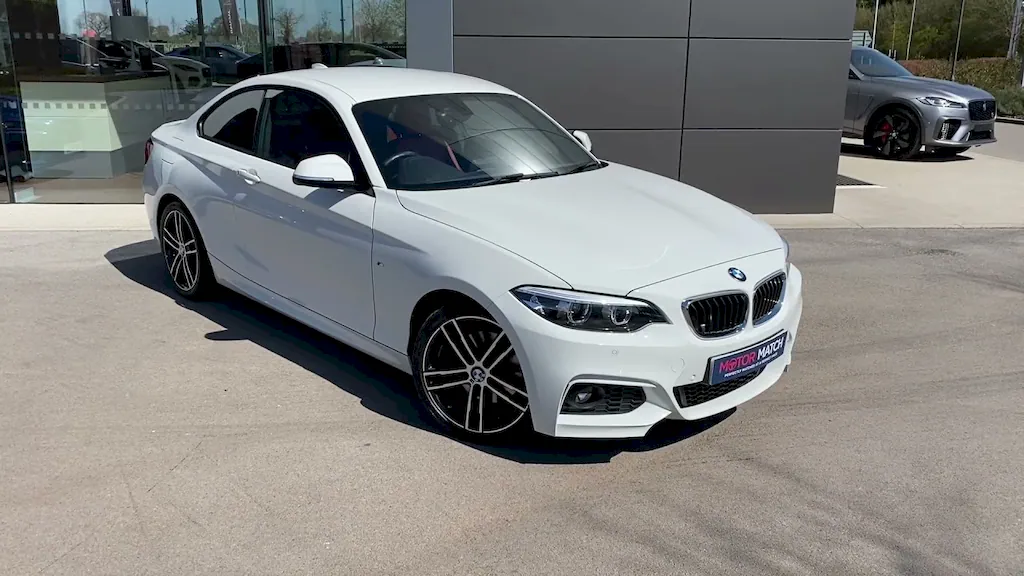
When the right year makes the difference
The 2016 BMW 2 Series marked a major step forward in reliability. By that point, BMW had addressed the critical timing chain guide issues that plagued earlier versions of the N20 engine. After the 2015 update, the powertrain became far more predictable to maintain and noticeably more durable.
For buyers, the takeaway is simple: 2016 is a safe bet. Strong performance, compact dimensions, and reasonable ownership costs make this model year particularly appealing on the used market.

Reliability through the final refresh
The BMW X5 F15 reached the end of its production run in 2018, benefiting from refined electronics, updated calibrations, and most early-production issues ironed out. The version powered by the N55 inline-six offers one of the best balances of performance, longevity, and serviceability.
Unlike the notoriously finicky N63 V8, which went through multiple rounds of fixes, the turbocharged inline-six has proven stable and predictable even beyond 90,000–110,000 miles. Experts widely consider the 2018 X5 F15 the safest year to buy.
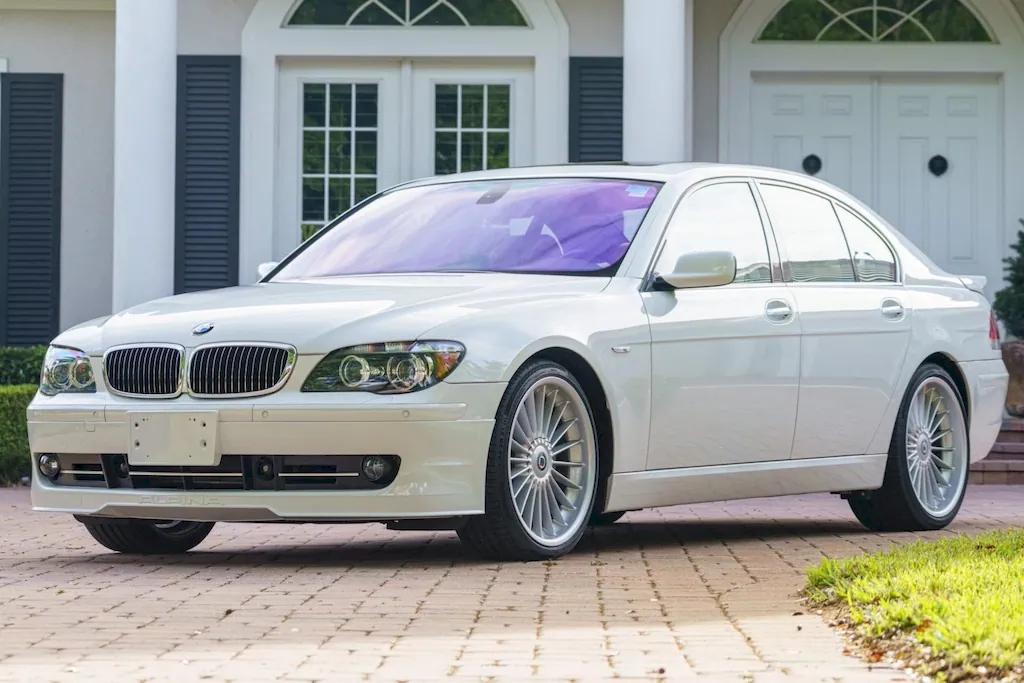
A complex car with a dependable engine
The most debated model on the list is the BMW 7 Series E65/E66. While its electronics and suspension can be temperamental, the N52 engine is regarded as one of BMW’s most reliable naturally aspirated inline-six engines. The absence of turbocharging is a key advantage for long-term durability.
Any issues tend to stem from the vehicle’s age rather than the engine itself, making a thorough pre-purchase inspection essential. A well-maintained example can still deliver many trouble-free miles.
One of the safest all-around choices
The same pattern seen with the 2 Series applies to the 2016 BMW 3 Series. Once the timing chain issues were resolved, the N20 engine became an excellent used-car option—efficient, responsive, and predictable to own.
The 3 Series has long been BMW’s most versatile model, and by 2016 it struck a solid balance between modern features and manageable maintenance costs. For many buyers entering the BMW brand, it remains one of the most attractive choices.
You may also be interested in the news:
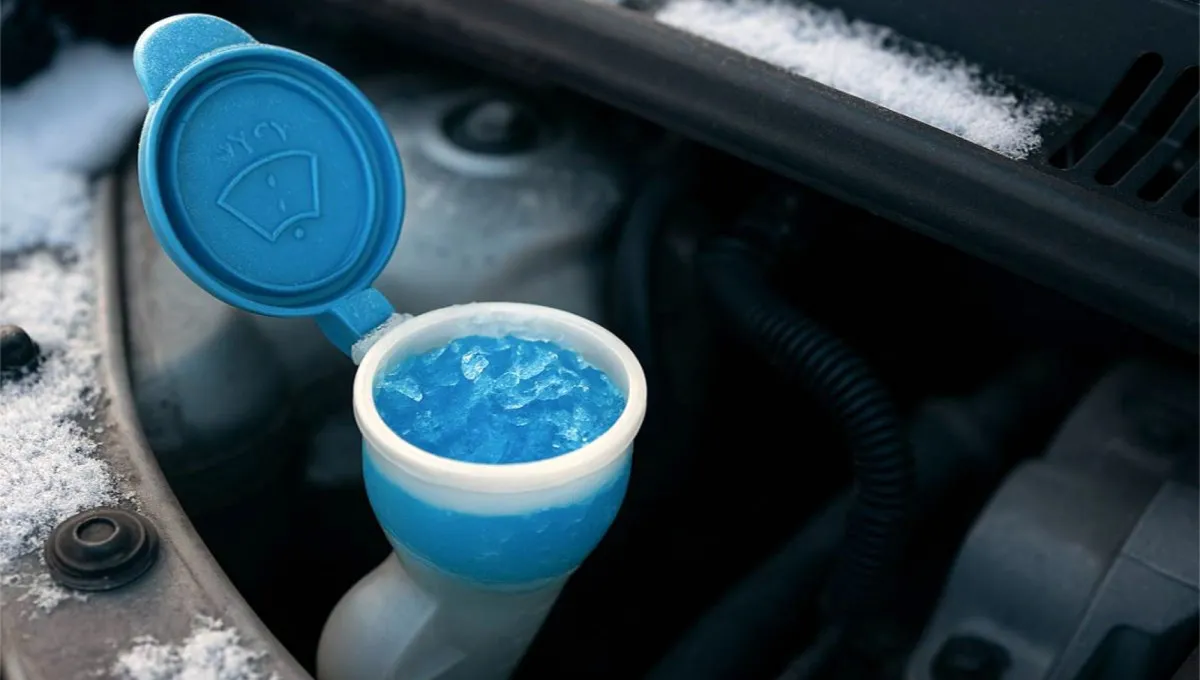
Windshield Washer Fluid Frozen in the Reservoir? Here’s How to Thaw It
A frozen washer system can catch drivers off guard, especially when a cold morning reveals that yesterday’s windshield washer suddenly stopped working.
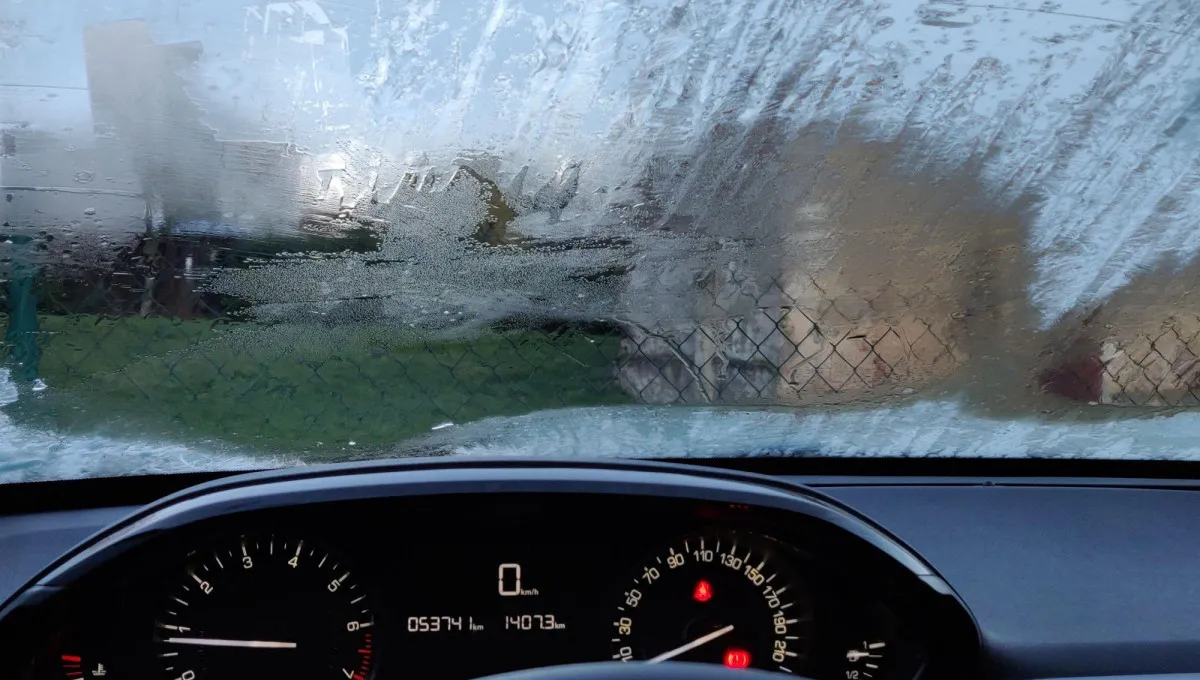
One Car Button Can Make Your Windows Fog Up Faster: What Not to Do in the Rain
Moisture brought into the cabin by drivers and passengers can linger in the air and settle on cold windows, reducing visibility.
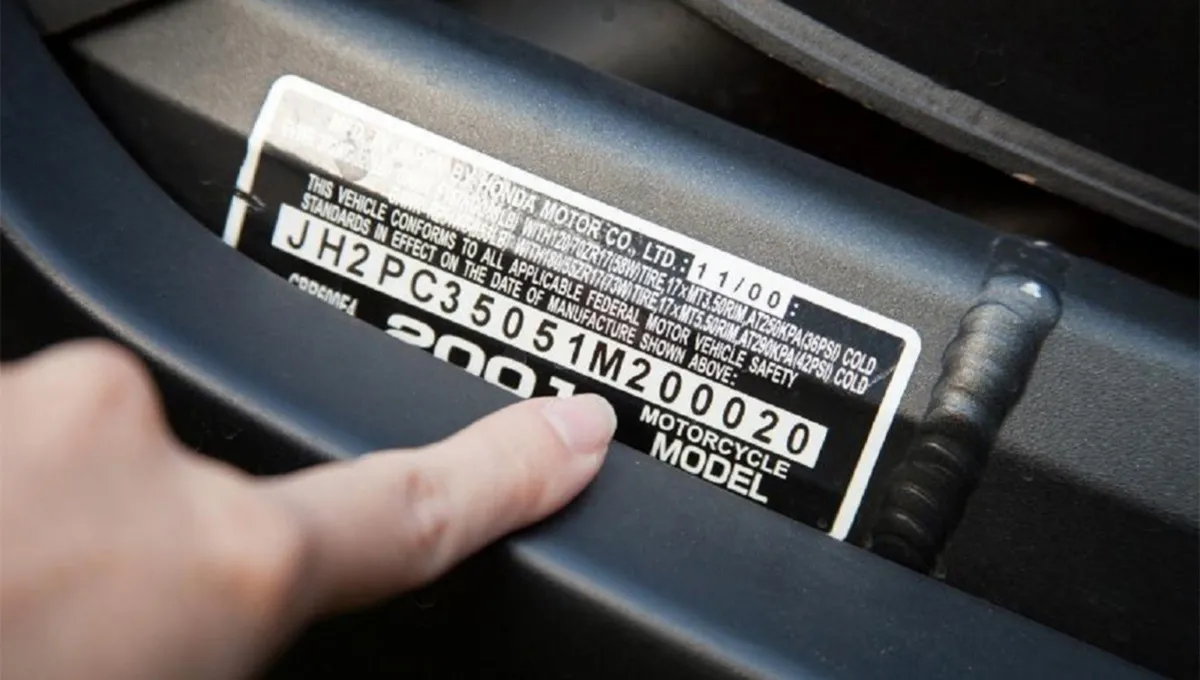
VIN-Based Auto Parts Lookup: Where Buyers Make the Most Mistakes
A VIN helps identify the right replacement part for your vehicle, but it cannot account for every change. Here’s what sellers need to know.
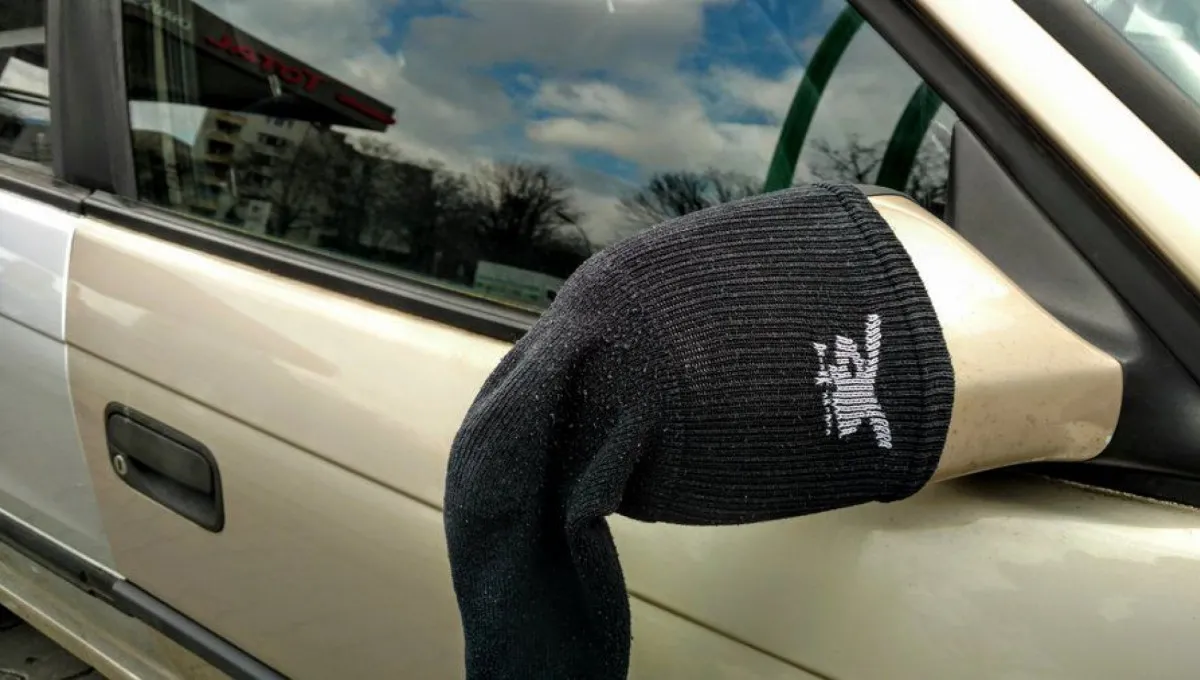
Why Experienced Drivers Put Socks on Their Car Mirrors in Fall: The Clever Trick Explained
An old pair of socks can help reduce frost buildup on your side mirrors overnight, saving time on cold mornings when every minute counts.
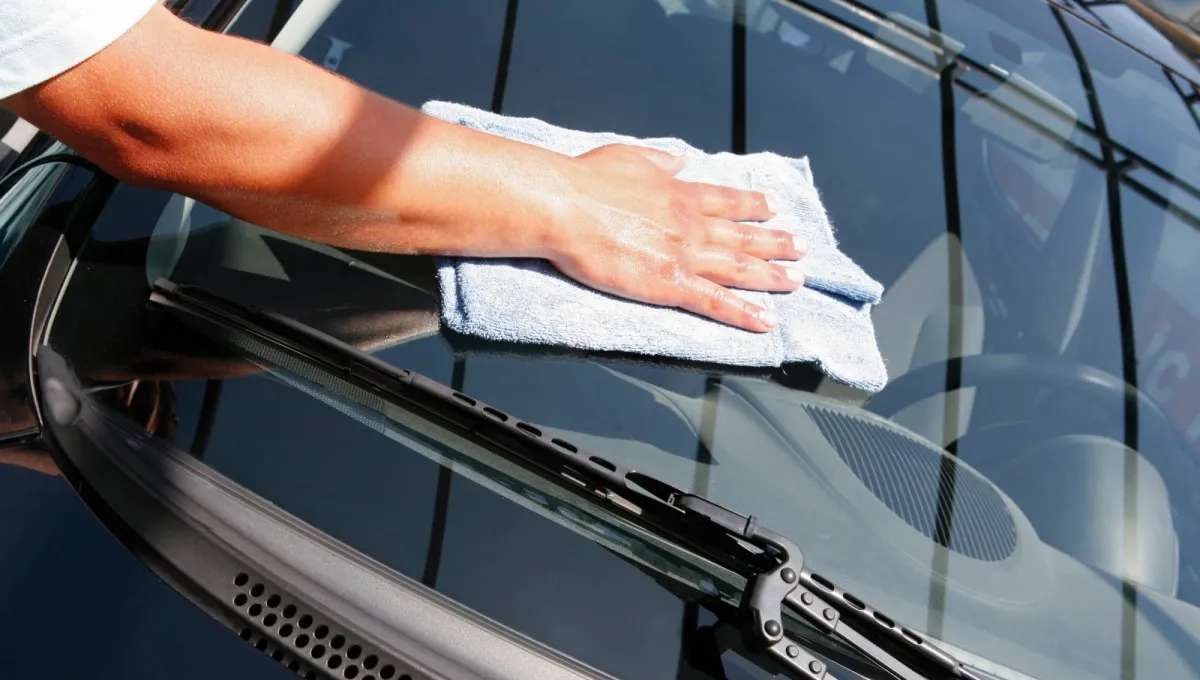
How to Clean Your Windshield Without Streaks: Experts Recommend This Simple DIY Mix
The secret to a streak-free windshield comes down to the right cleaning solution, two microfiber cloths, and the proper drying technique.