
Geely Cars May Move to Ford Plants in Exchange for Advanced Chinese Technologies
Auto giants Ford and Geely are in talks over a potential partnership.
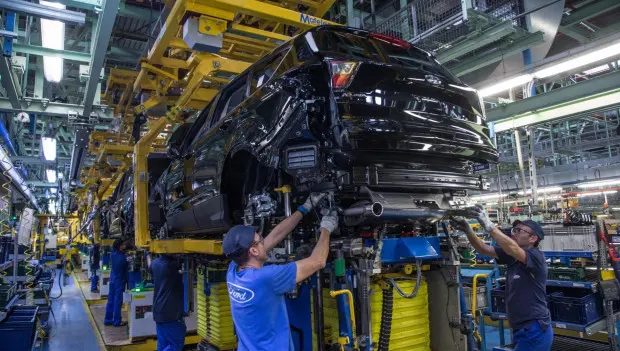
Ford and Geely are reportedly discussing a potential partnership, according to Reuters, citing eight sources familiar with the matter. The talks center on the possibility of localizing production of Geely vehicles at Ford’s underutilized European plants. In return, the American automaker is hoping to gain access to advanced Chinese technologies.
For Geely, such an alliance could help offset the impact of steep EU import tariffs on Chinese-made electric vehicles. Those duties currently reach as high as 37.6% of a vehicle’s value, severely hurting competitiveness. The European Union may soon extend similar restrictions to plug-in hybrids as well. Against this backdrop, several Chinese automakers—including Xpeng, GAC, and Leapmotor—have already begun localizing production of their battery-electric models at European facilities in Spain and Austria. Geely is looking to follow suit, with its vehicles potentially being assembled at Ford’s plant in Valencia, Spain. The factory has an annual capacity of 450,000 vehicles but currently produces only the Ford Kuga crossover.
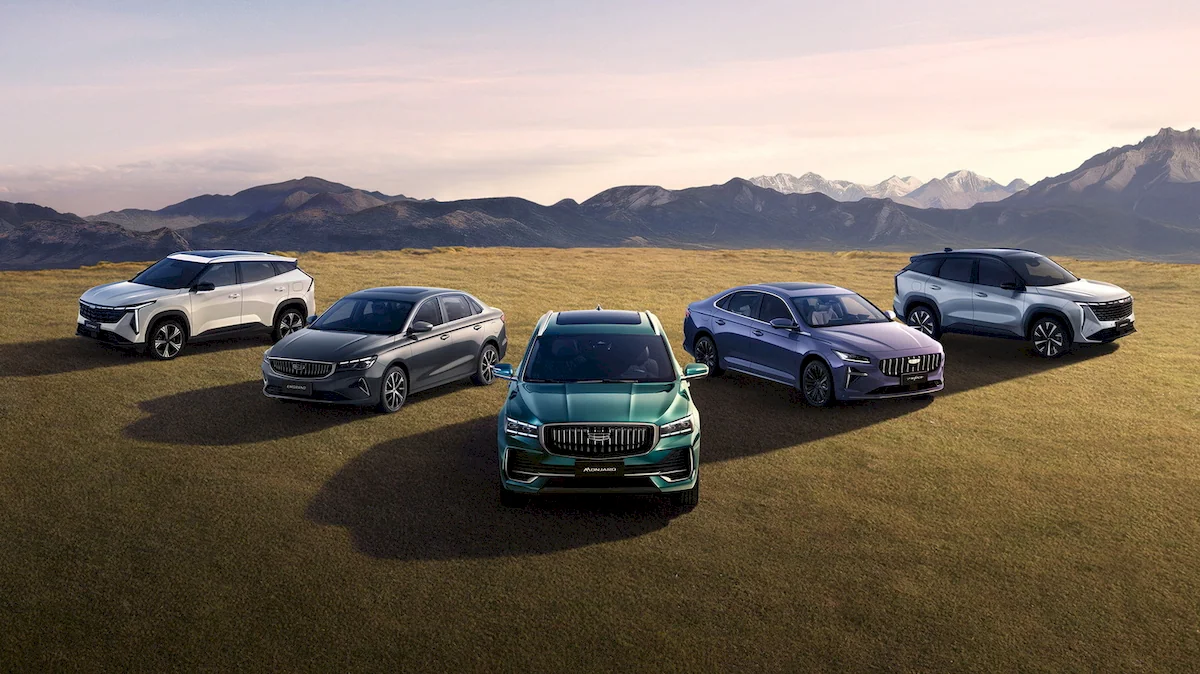
Notably, Geely already has several European partners, including Renault Group and Daimler AG. However, those alliances are so far limited to shared use of Renault production sites in South Korea and Brazil, joint ownership of Horse Powertrain (a company focused on advanced internal combustion engines), and the co-development of electrified models for the Smart brand. In addition, Geely owns Europe-based brands Lotus and Volvo Cars. Even so, the production capacity of those facilities is clearly insufficient for a large-scale expansion of Geely-branded EVs across Europe.
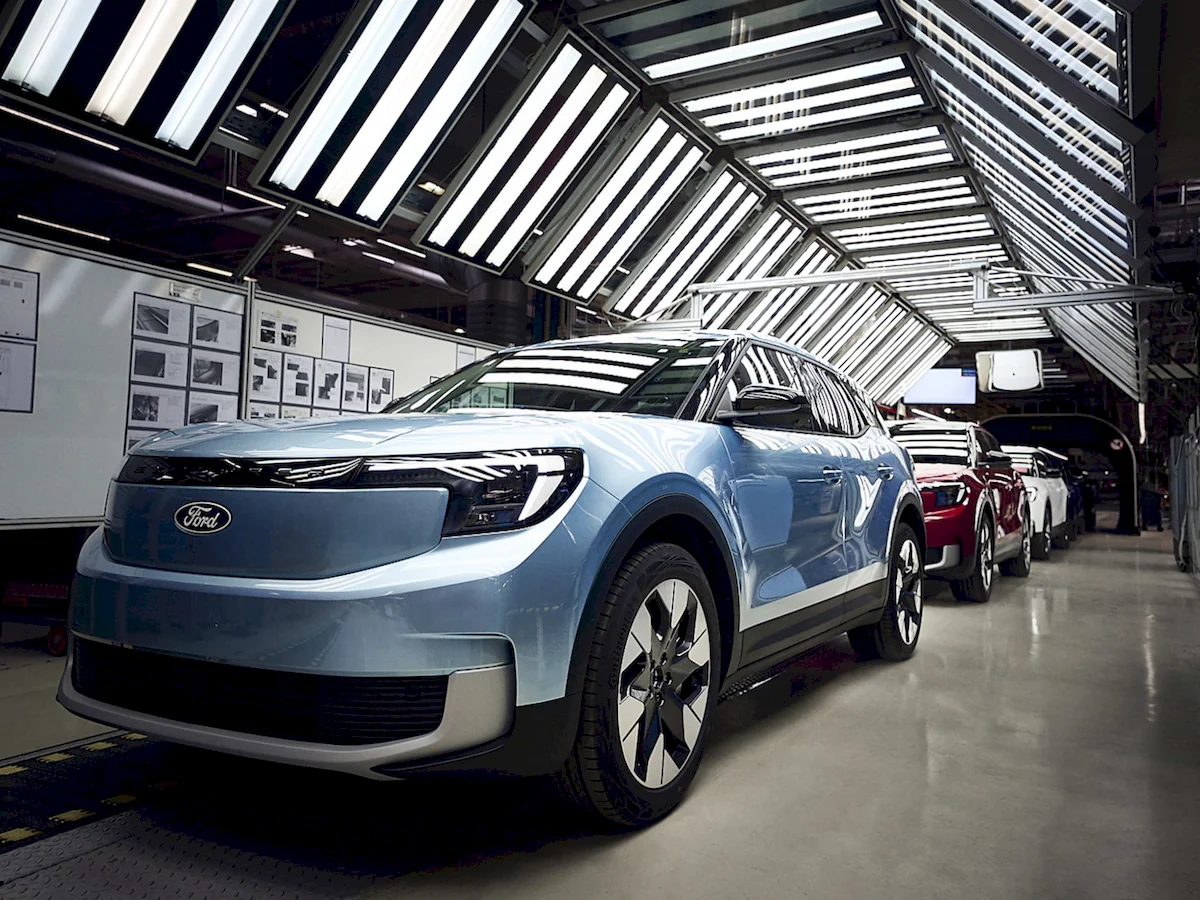
For Ford, a partnership with Geely could deliver multiple benefits. First, it would help utilize at least part of Ford’s excess European manufacturing capacity. In recent years, Ford’s European division has been forced to idle its Saarlouis plant in Germany (previously home to the Focus), significantly scale back output in Valencia, and accept modest production volumes at its Cologne factory. That plant is designed to build up to 250,000 vehicles annually but is currently assembling the slow-selling electric Ford Explorer and Capri crossovers.
Second, the Blue Oval is eager to gain access to cutting-edge Chinese technology. Ford CEO Jim Farley has repeatedly spoken publicly about how far Chinese automakers have advanced in EV and plug-in hybrid development. The expectation is that Ford could use Geely’s know-how to improve its own electrified models. Reuters sources also suggest Ford may gain access to Chinese advances in sophisticated autonomous driving systems.
It’s worth noting that Ford recently entered into another strategic partnership—this time with Renault Group—aimed at reducing development and production costs for affordable electric vehicles for the European market. Those models are expected to use a French EV platform and be built at one of Renault’s factories in France.
According to Reuters, the biggest obstacle to closer Ford–Geely ties could come from the U.S. government. Under the Biden administration, the Department of Commerce banned the use of Chinese communication technologies and services in vehicles sold in the U.S., citing national security concerns. Authorities also opposed Ford’s plan to localize production of licensed batteries from Chinese battery giant CATL.
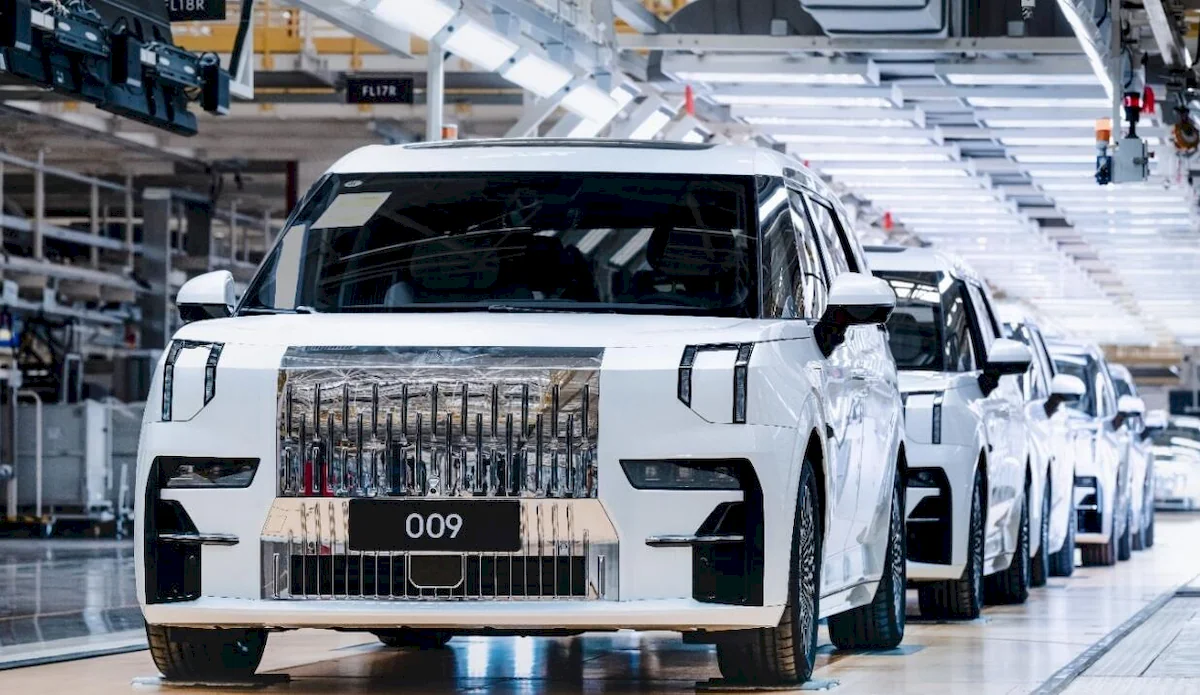
For now, neither automaker is confirming the partnership outright. Geely declined to comment, while Ford said it is in constant talks with many companies on a wide range of topics—some of which lead to concrete outcomes, and some of which do not.
You may also be interested in the news:
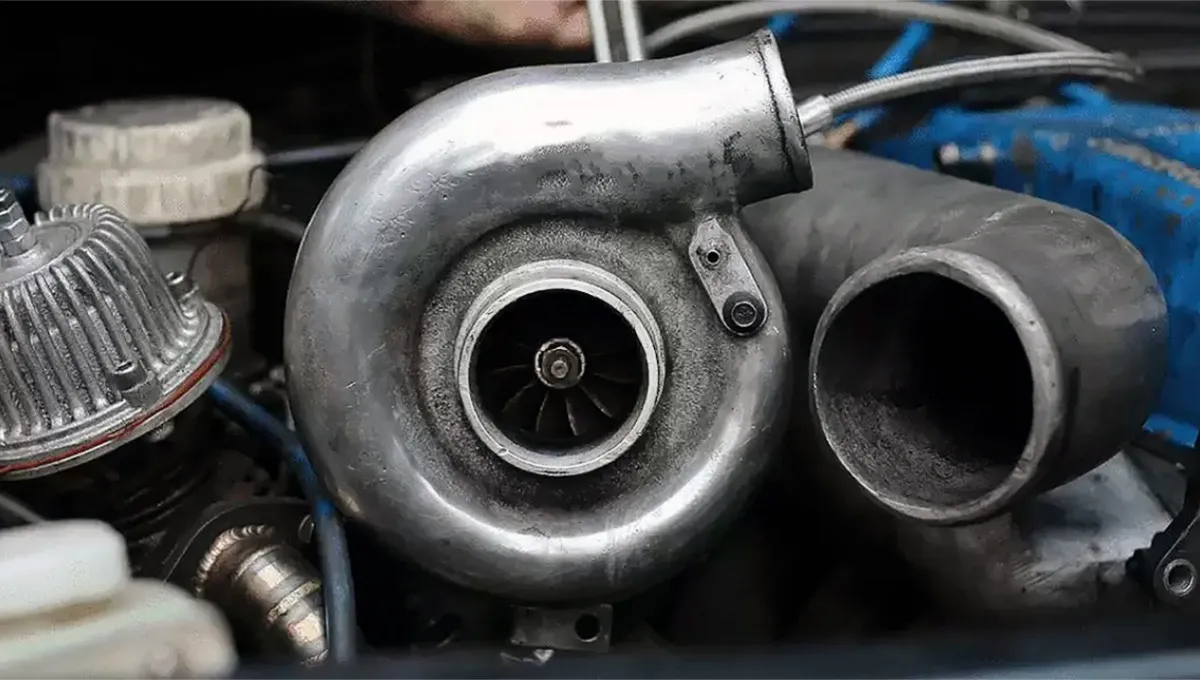
Why Small Turbo Engines Are Replacing Big V8s—and What It Means for Your Next Car
Turbochargers let automakers squeeze big-engine performance from smaller engines—but the technology comes with trade-offs.
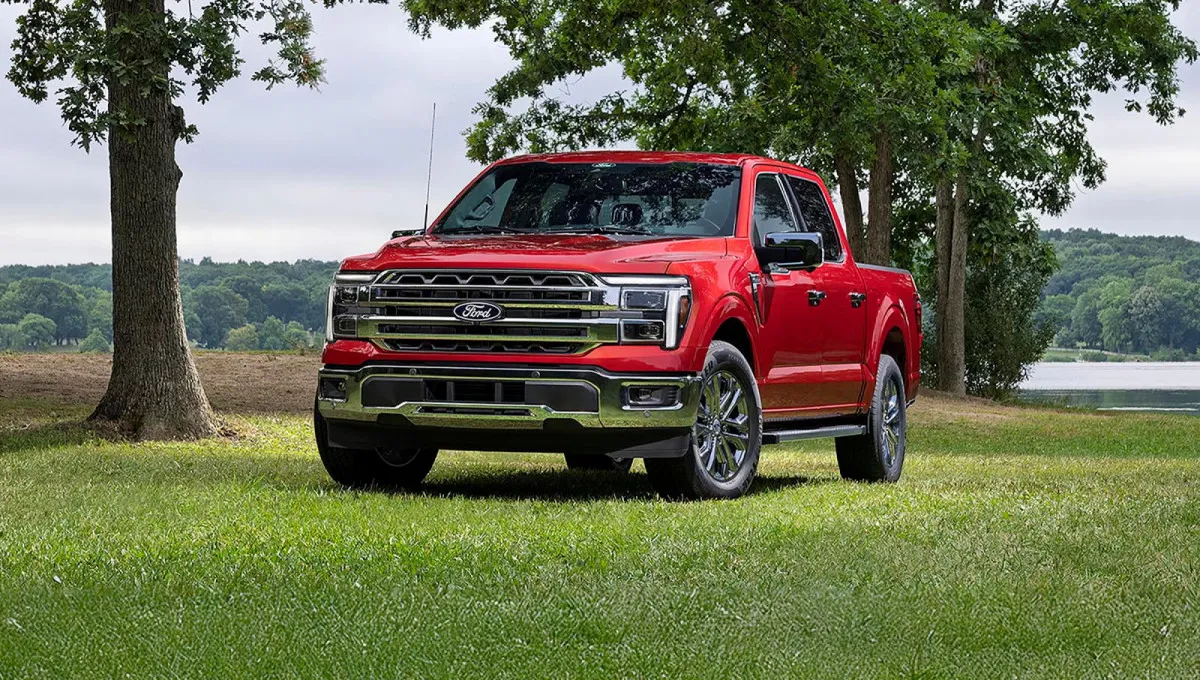
Ford Just Gave the 2027 F-150 a New Engine, Hands-Free Trailer Towing and a Carhartt Edition
Ford has updated the 2027 F-150 with a new V6, trailer-capable BlueCruise and a rugged Carhartt special edition.
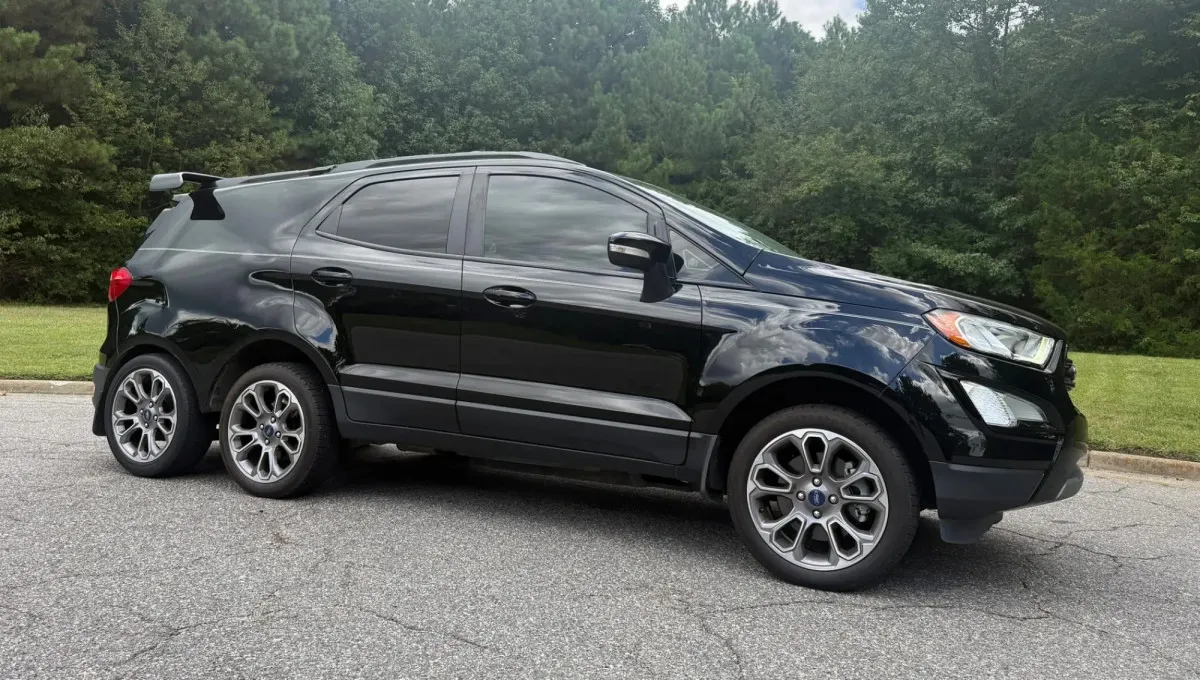
Someone Turned a Ford EcoSport Into a Six-Wheeled SUV — And It's Selling for Just $7,000
An extremely unusual six-wheeled conversion of Ford’s compact crossover has landed on the Bring a Trailer auction block.
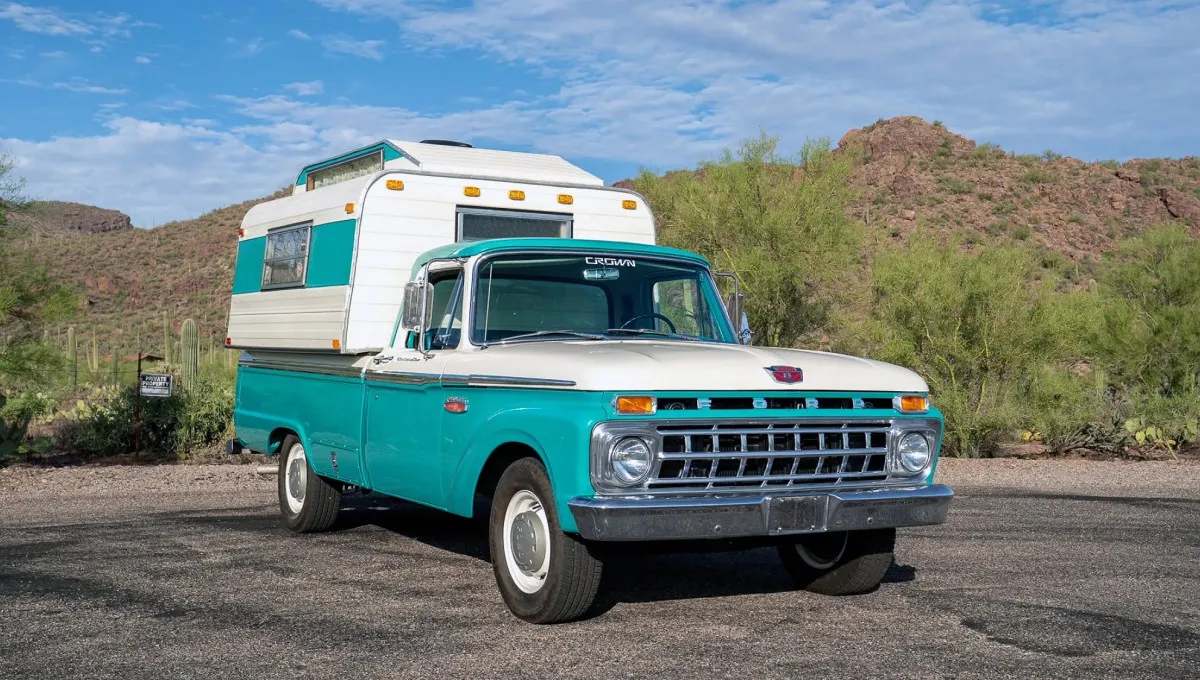
This 1965 Ford F-250 With a Mitchell & Sons Camper Is a Charming Retro Travel Companion
The 1965 Ford F-250 and Mitchell & Sons camper share colors, period styling, and compatibility.
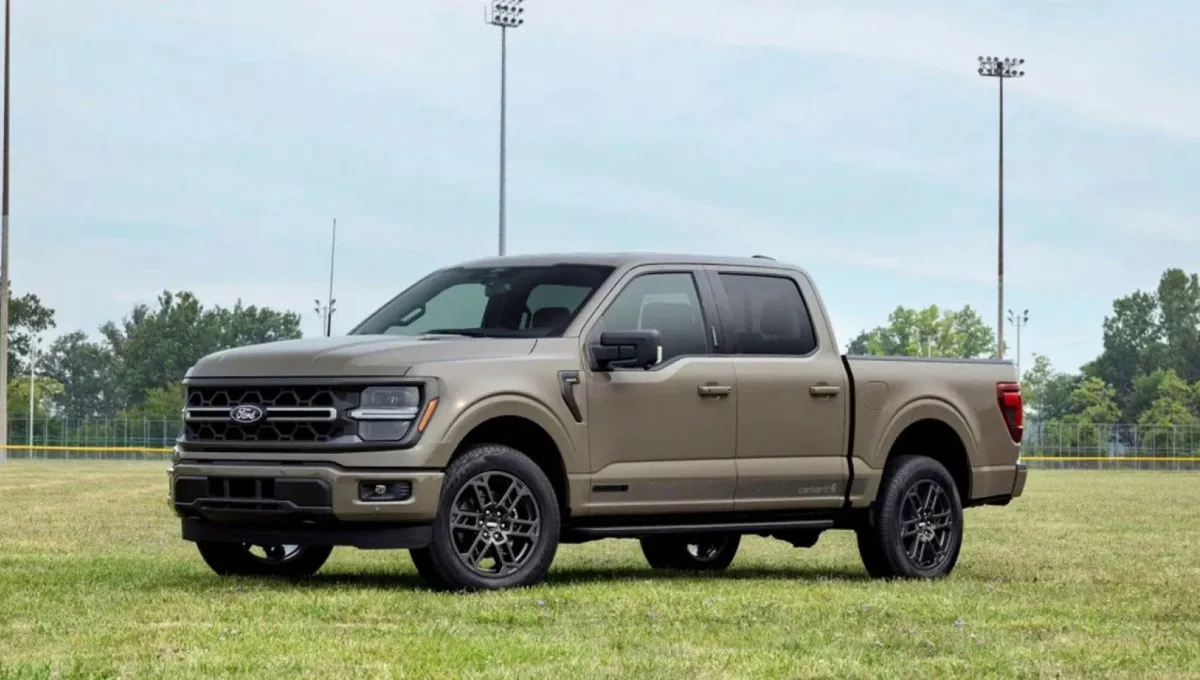
Ford Updates the F-150 With More Power and Hands-Free Towing
The updated 2027 Ford F-150 has debuted in the U.S., with more power across the lineup and an upgraded hands-free driving system that supports automatic trailer towing