
Digital Chevrolet Corvette Concepts Imagine an SUV and a Sedan — Renderings Stir Debate
Unofficial Corvette SUV and sedan renderings have sparked debate about what the future might hold for America’s iconic sports car.
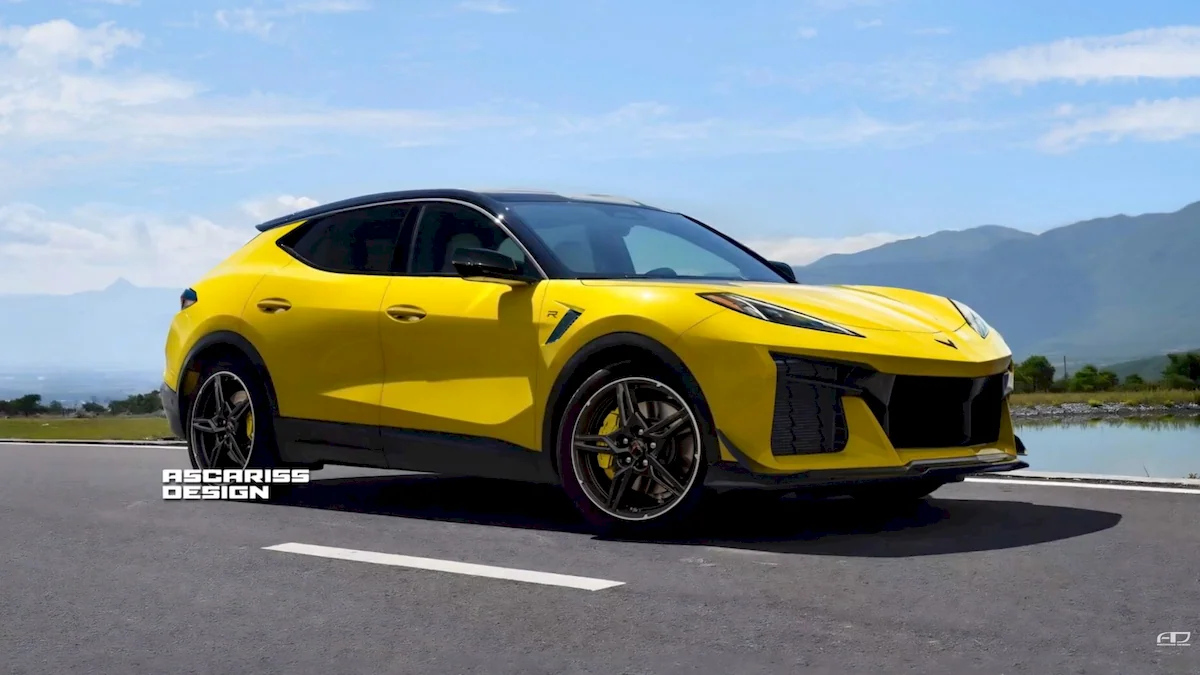
An independent designer has released digital images imagining the Chevrolet Corvette as both an SUV and a sedan, triggering a wave of discussion among enthusiasts and industry watchers. The concept artwork raises questions about whether the Corvette lineup could one day expand beyond traditional sports cars—and how such a move might reshape the identity of one of America’s most legendary nameplates.
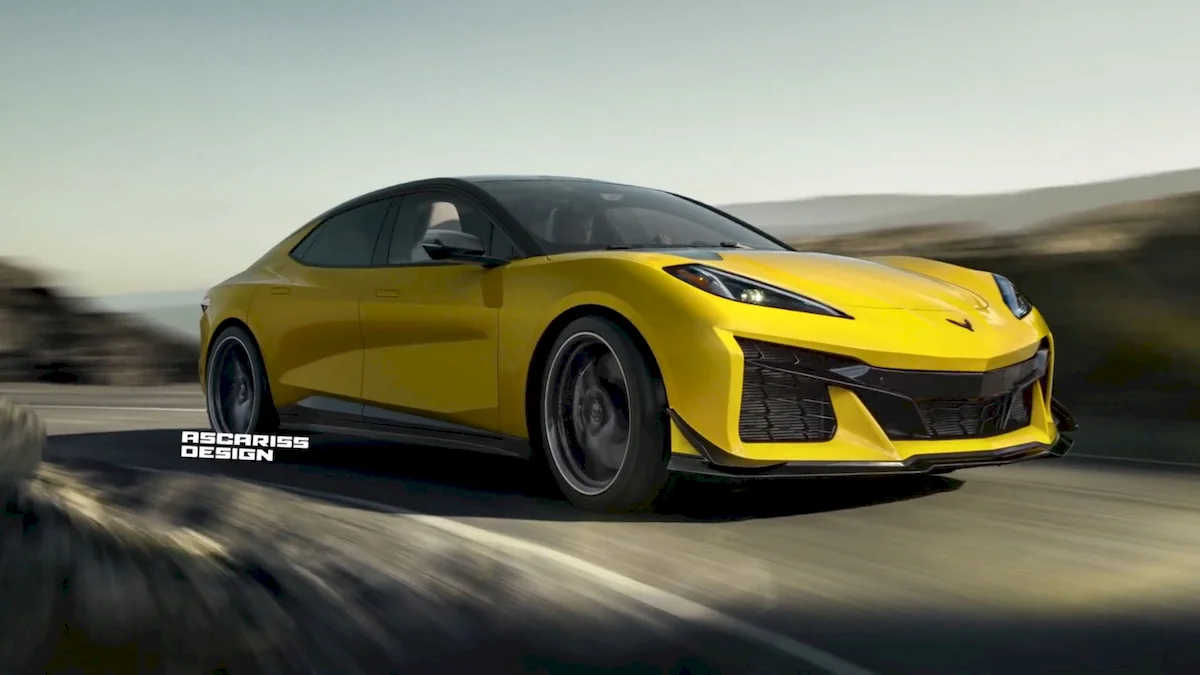
Debate about the future of the Corvette has been ongoing for years, and the conversation reignited after a designer known online as AscarissDesign shared a series of renderings that place the iconic model into two unfamiliar body styles: a performance SUV and a four-door sedan. The images quickly circulated across automotive forums and social media, drawing strong reactions from fans and analysts alike. After all, the Corvette badge remains one of the most recognizable symbols in the American car industry.
Today’s Corvette C8 lineup already represents more than a single sports car. Instead, it has evolved into a full performance range with five distinct variants spanning a massive performance spectrum. The entry-level model produces 495 horsepower and accelerates from 0 to 60 mph in about 2.9 seconds, with a starting price around $70,000.
The all-wheel-drive hybrid E-Ray pushes output to 655 horsepower and reaches 60 mph in roughly 2.5 seconds. The track-focused Z06 delivers 670 horsepower and offers nearly the same level of straight-line performance.
At the top end sits the ZR1, packing a staggering 1,064 horsepower and capable of reaching roughly 233 mph while sprinting to 60 mph in about 2.3 seconds. The ultimate version in the lineup, the ZR1X, raises the bar even further with around 1,250 horsepower and an astonishing 0–60 mph time of just 1.9 seconds. Pricing for that flagship model starts at $209,700.
With such a broad spread of power levels and price points, the Corvette has already moved well beyond its long-standing image as a relatively attainable American sports car.
Rumors that Corvette could eventually become a standalone sub-brand have circulated for several years. Some reports suggest the possibility of additional models—including a four-door sedan and a high-performance SUV—designed to compete with luxury crossovers like the Aston Martin DBX, Lamborghini Urus, and Ferrari Purosangue. Those speculative ideas appear to have inspired the new digital concepts.
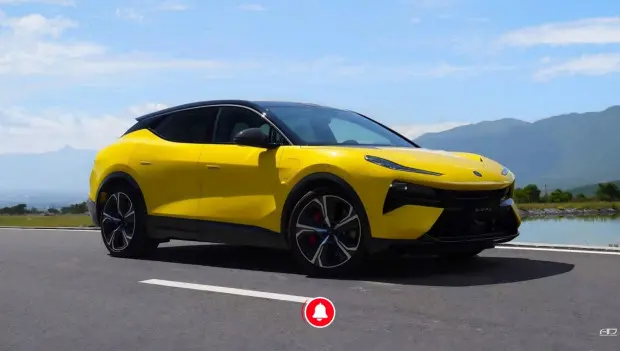
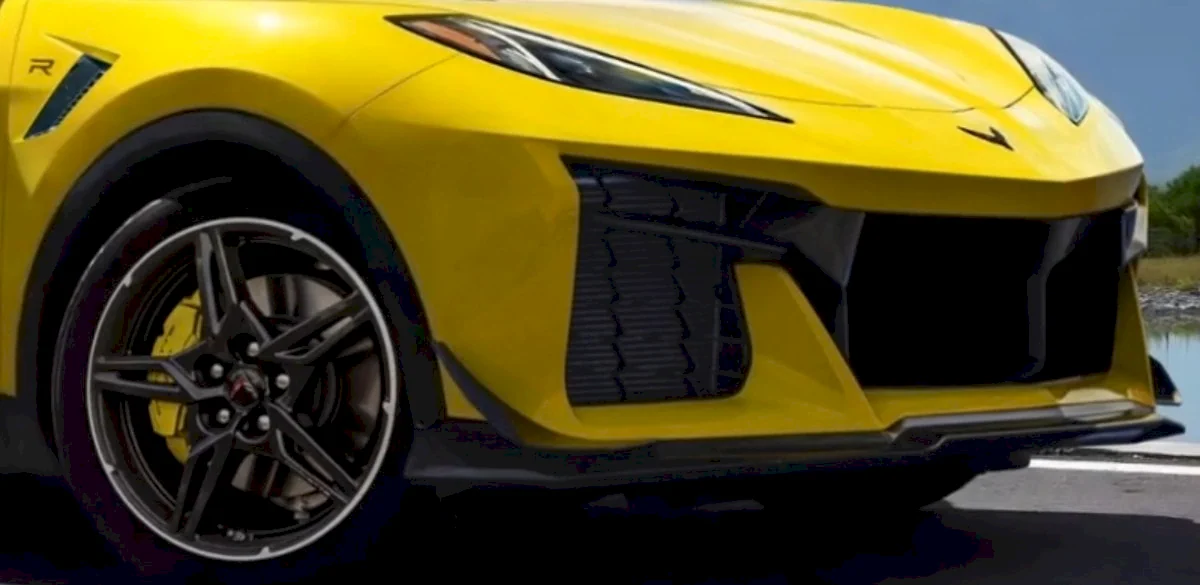
For the SUV interpretation, the designer used the electric Lotus Eletre as the starting point. The vehicle was given a Corvette-inspired front fascia with the model’s signature lighting design, along with revised fender elements, new door handles, and large performance wheels. Despite the effort to echo Corvette styling cues, the overall silhouette still resembles a modern electric crossover—something that left many brand loyalists unconvinced.
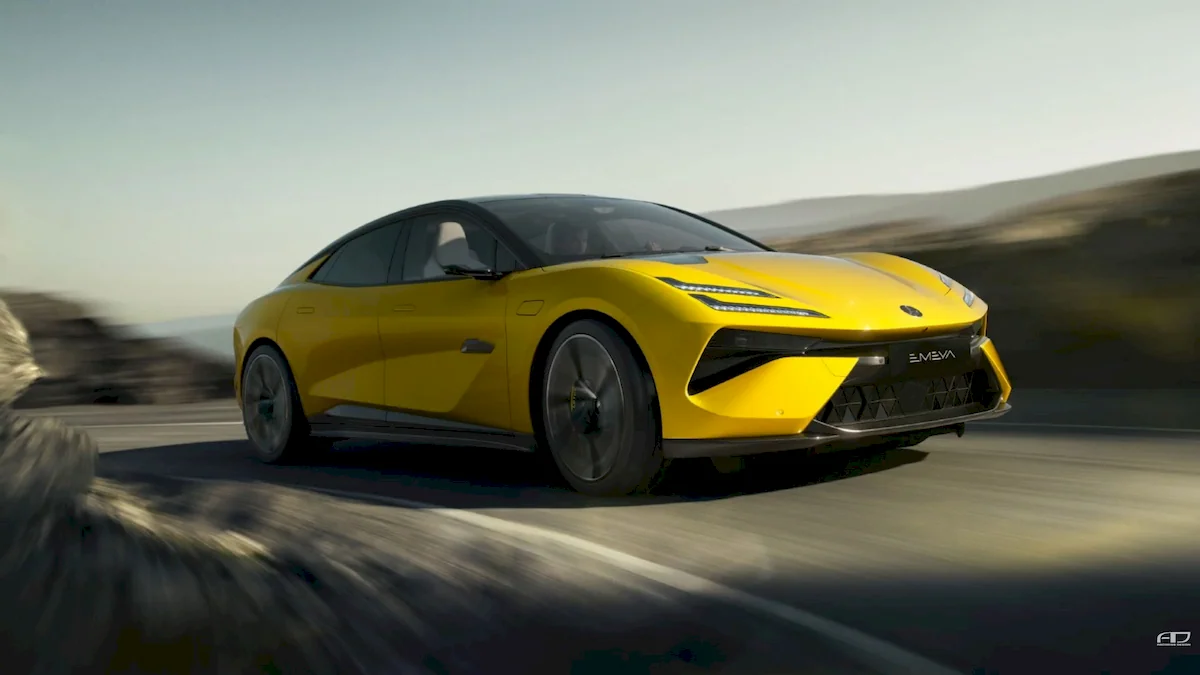
The sedan concept, based on the Lotus Emeya, has received a warmer response. Its proportions appear more balanced, and the familiar Corvette-style front end, reshaped side panels, and unique wheel design blend more naturally with the four-door layout. According to the artist, both renderings aim to translate Corvette’s performance DNA into new body styles while preserving the brand’s distinctive character.
Design experiments like these are common in the automotive world and often reignite interest in legendary models, prompting fresh discussion about their past, present, and possible future.
For now, there’s no official confirmation that General Motors plans to push Corvette into entirely new segments. Still, the idea continues to spark debate within the industry. Supporters argue that expanding the lineup could attract new buyers and strengthen the brand’s market position. Critics worry it might dilute the classic identity that has defined Corvette for decades.
Either way, these digital concepts have already succeeded in one respect—they’ve reignited the conversation about where the Corvette story could go next.
You may also be interested in the news:
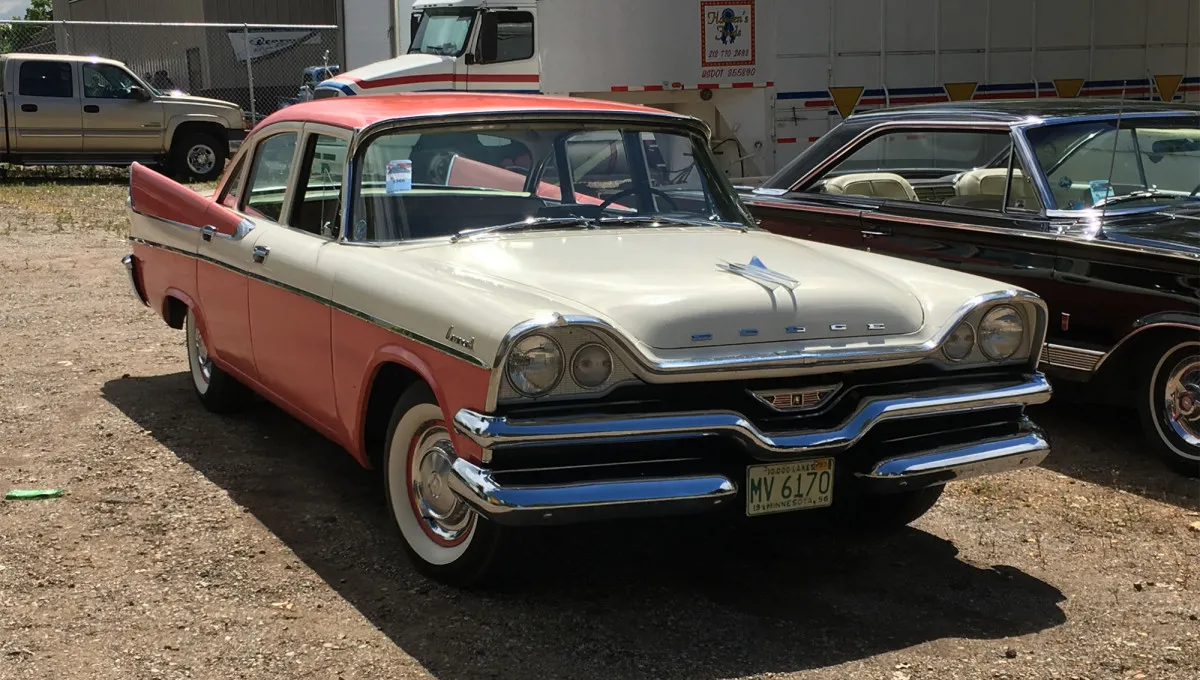
The 1957 Dodge: How “Autodynamics” Shaped One of Detroit’s Boldest Designs
The 1957 Dodge Looked Like a Dream Car, but Its Biggest Flaw Was Hiding Beneath the Surface.
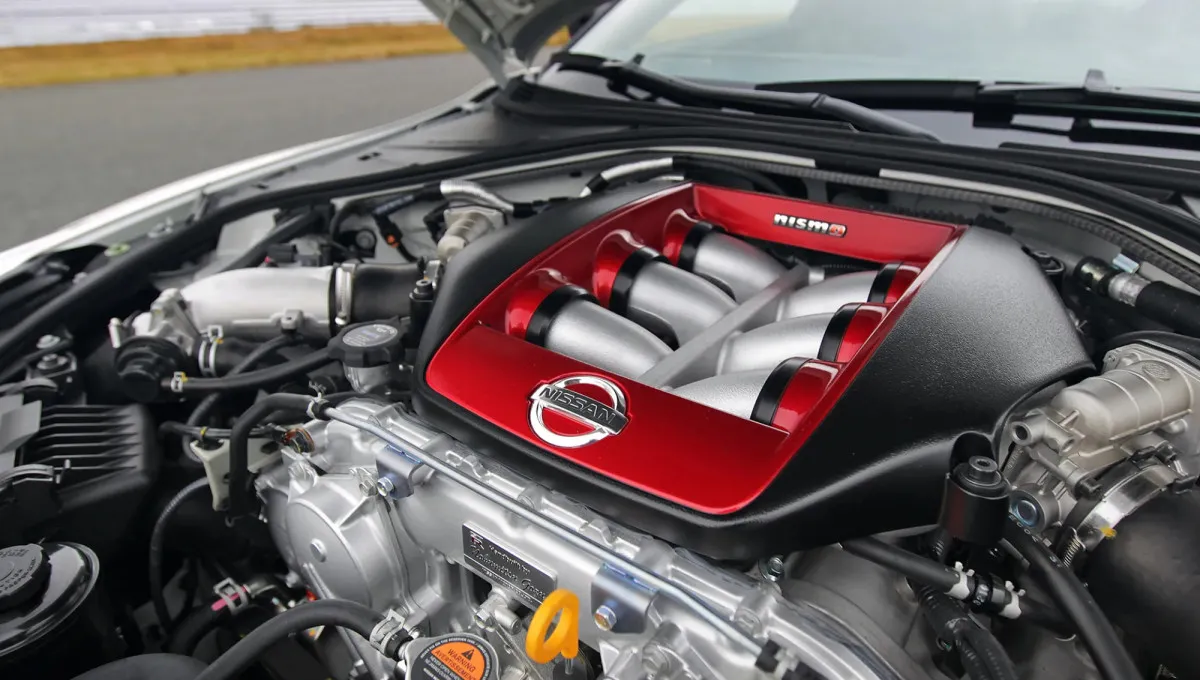
Nissan Could Build a Hybrid Super SUV Using the GT-R R35 Engine
High-performance SUVs are attracting attention beyond luxury automakers, and Nissan could be preparing an unexpected new contender.
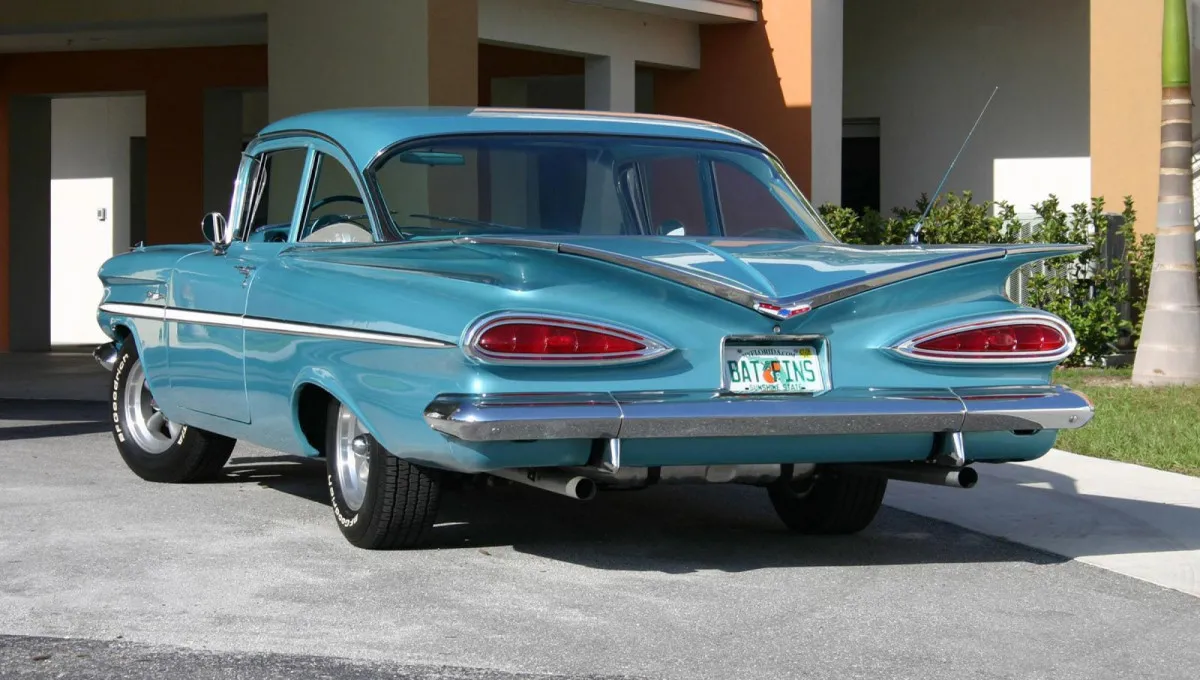
Elegance for Everyone: How Chevrolet Made Its 1960 Cars Stand Out
Chevrolet toned down its extravagant 1959 styling for 1960, bringing a more refined look to its affordable full-size cars.

Stolen Corvette C7 Found at the Bottom of a Georgia River Nearly Six Years Later
A social media post helped identify a submerged Corvette Grand Sport and connect it to a theft reported in 2020.
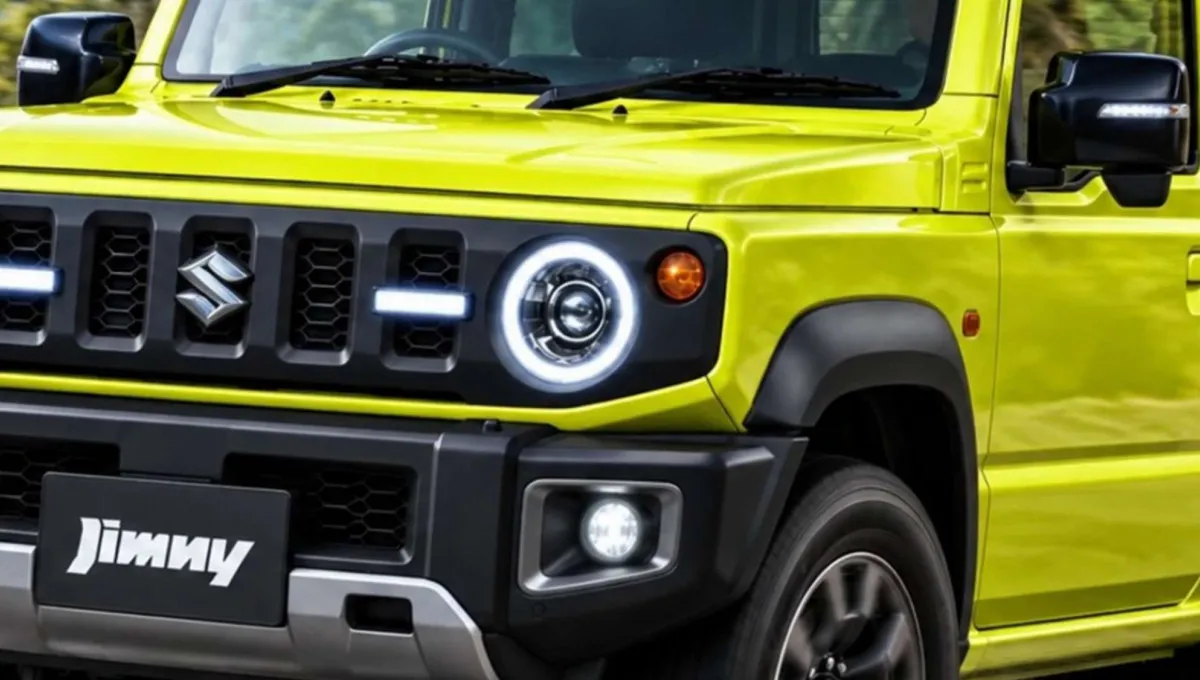
Suzuki Jimny Facelift: New Renderings Preview Potential Design Changes
Unofficial renderings offer an early look at how Suzuki’s compact off-road SUV could evolve in a future facelift.