
Next-Generation BMW X5 Set for Summer Debut With Five Powertrain Options
The upcoming SUV will mark the fifth generation of the BMW X5.
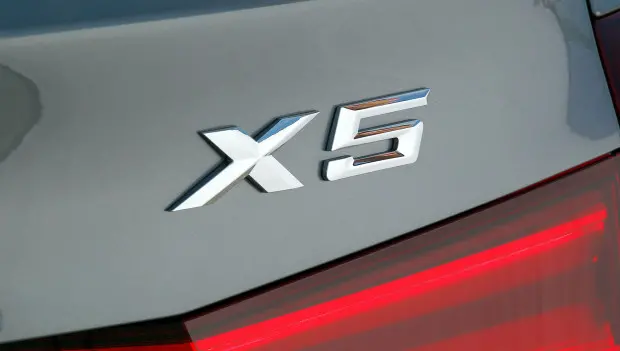
BMW is preparing to unveil the next generation of its popular X5 crossover later this summer. The announcement was made by CEO Oliver Zipse during the company’s annual conference.
According to BMWBlog, the upcoming model carries the internal designation G65 and will represent the fifth generation of the X5. Notably, it is expected to become the first production BMW to offer five different powertrain types: gasoline, diesel, plug-in hybrid, fully electric, and hydrogen.
Alongside traditional gasoline and diesel engines, BMW is developing a new plug-in hybrid version and the first fully electric variant, expected to be called the iX5. A hydrogen-powered version is also in the pipeline. Early reports suggest it could be named the iX5 60H xDrive, although that version is not expected to reach the market until around 2028.
The hydrogen model will likely be limited to select markets, since refueling infrastructure for hydrogen vehicles remains uneven worldwide. BMW is developing this technology in partnership with Toyota, with the two companies working together on a third-generation fuel-cell system.
BMW has not confirmed speculation about another possible powertrain option—an electric vehicle with a so-called range extender. In such systems, a small gasoline engine acts as a generator to recharge the battery rather than directly driving the wheels. BMW previously used a similar setup more than a decade ago in the i3 hatchback. For now, the company has not made a final decision on whether the technology will return.
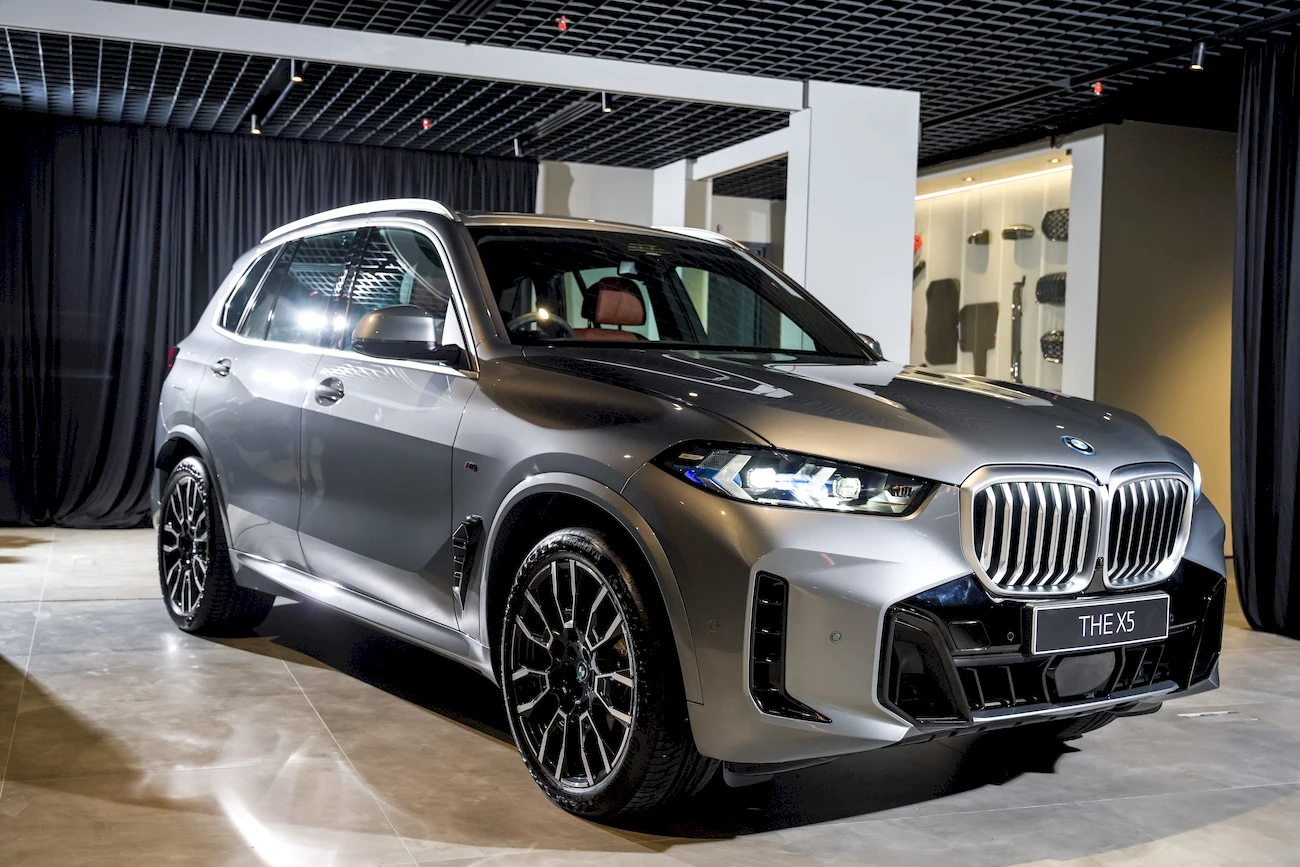
The new X5 lineup is also expected to include six-cylinder gasoline and diesel engines, while M Performance and full M variants will likely feature V8 power. Some of the higher-performance versions could also be offered as fully electric models.
If the plug-in hybrid receives BMW’s new sixth-generation battery technology with cylindrical cells, its electric-only driving range could increase significantly. For comparison, the current X5 xDrive50e can travel up to about 68 miles on electricity alone under the WLTP test cycle.
Following the summer debut, production of the first versions of the new X5 is expected to begin in August. The initial lineup will likely include the 40 xDrive and 40d xDrive models, followed shortly by a rear-wheel-drive 40 variant. By the end of the year, BMW’s Spartanburg, South Carolina plant is expected to start building additional versions, including the 50e xDrive, M60e xDrive, and the electric iX5 60 xDrive.
In 2027, the range could expand with several more variants, including the M60 xDrive, iX5 50 xDrive, and iX5 M70 xDrive. A high-performance X5 M combining a V8 engine with an electrified powertrain is reportedly planned for 2028.
Meanwhile, the Z4 hasn’t been as fortunate. BMW has officially confirmed that production of the model—the brand’s last traditional two-seat roadster—will come to an end. That decision could potentially turn the final example of BMW’s classic roadster into a future collector’s item. But that’s a different story, which you can read about in the original article.You may also be interested in the news:
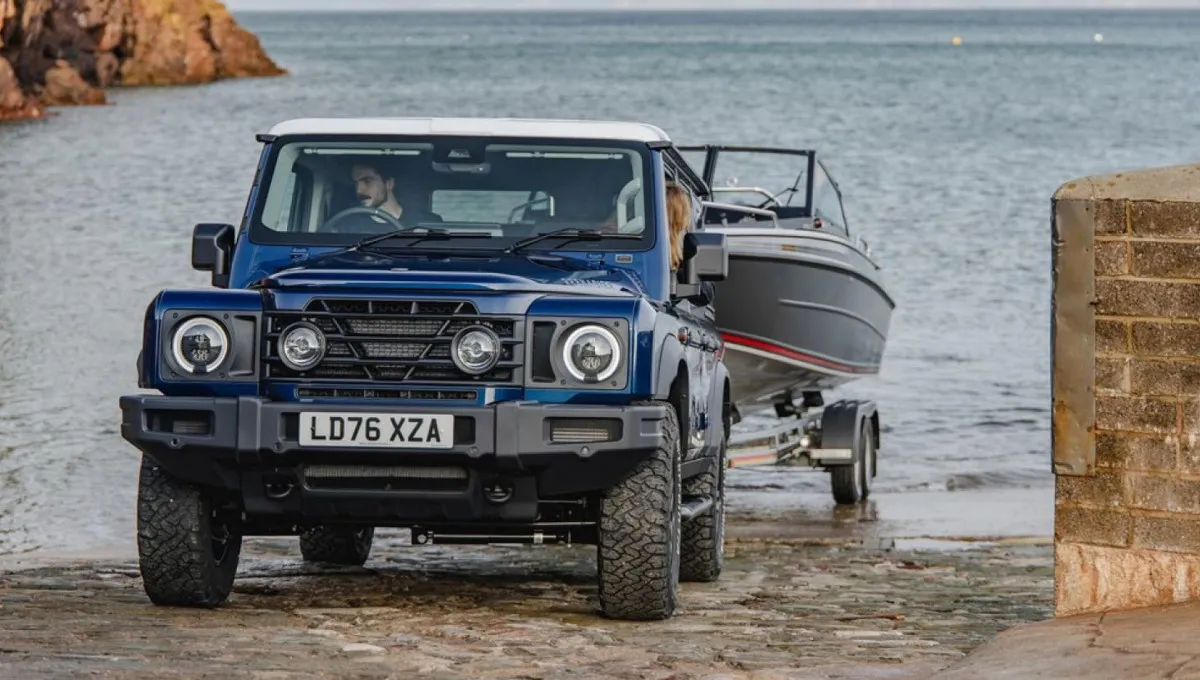
Ineos Has a New Grenadier for Boaters, and It Looks Nothing Like a Typical SUV Special Edition
Ineos is expanding its Grenadier lineup with a limited-run special edition inspired by boating, coastal adventures, and life on the water.
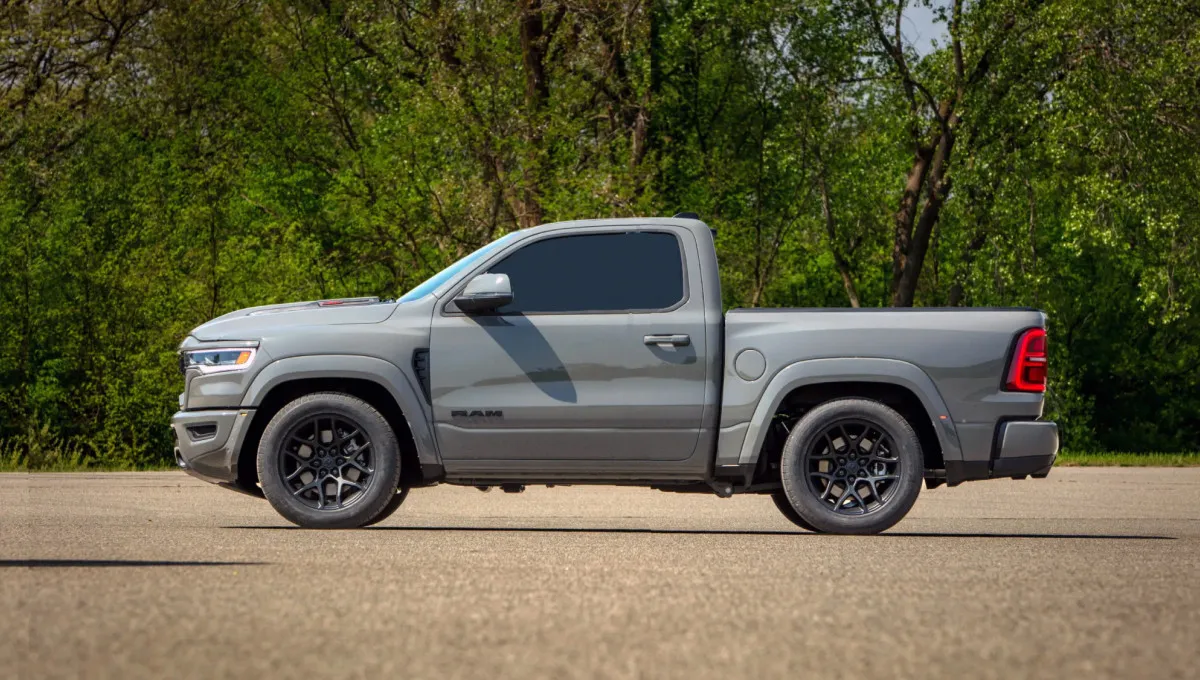
2027 Ram 1500 Rumble Bee: Pricing, Options and How to Build Yours
The 777-HP Ram Rumble Bee Is Coming — But You Can Buy the New Hemi Truck Now
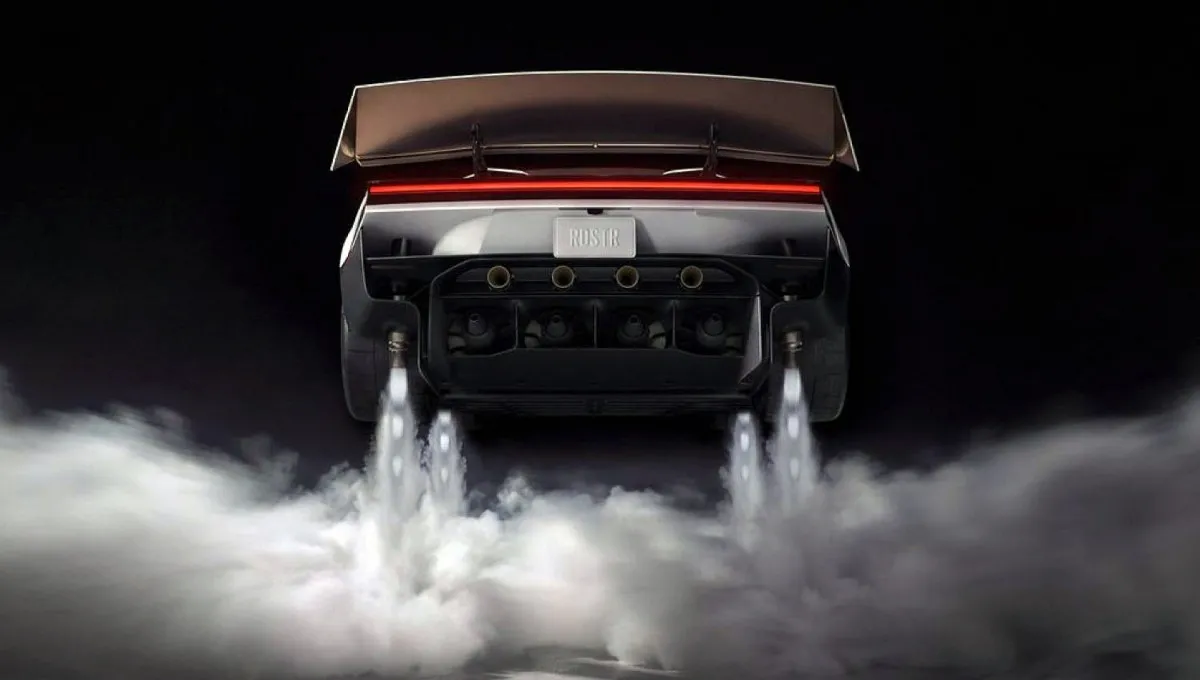
Tesla’s New Roadster Can Fly, but That May Be the Least Impressive Thing About It
Nearly a decade after Elon Musk unveiled the next-generation Roadster, Tesla has finally revealed its most outrageous capabilities.
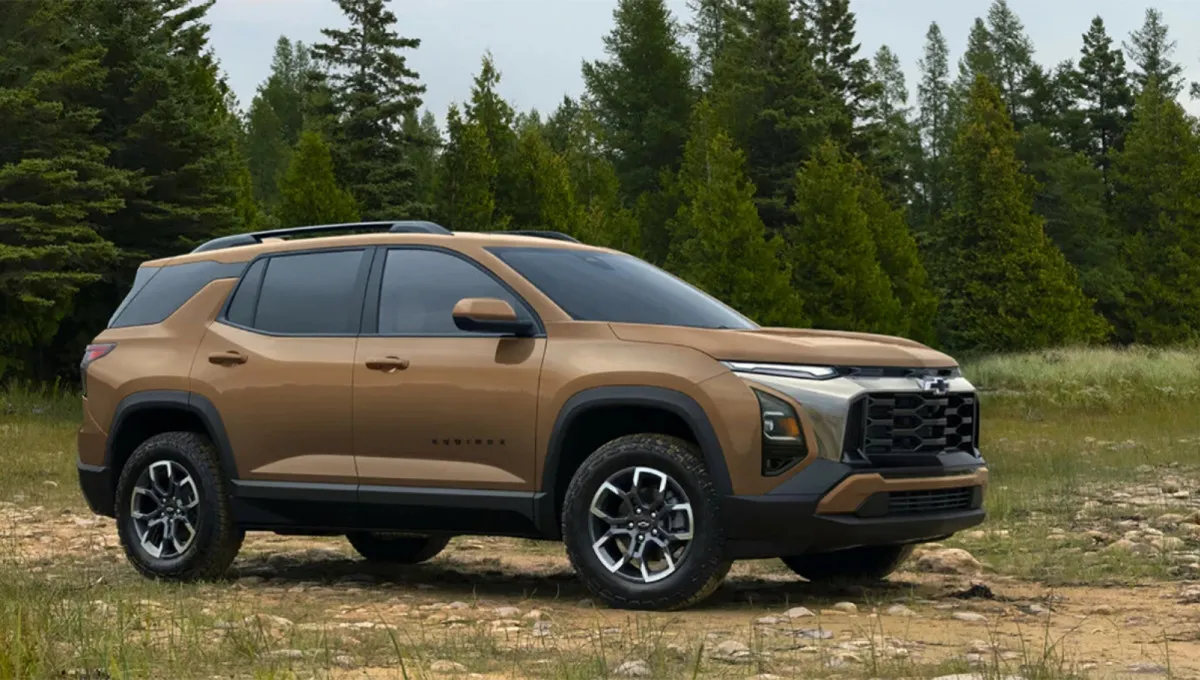
2027 Chevrolet Equinox Drops Its CVT, but Prices Go Up Across the Lineup
Chevrolet has unveiled the updated 2027 Equinox in the U.S., replacing its CVT and raising prices across the lineup.
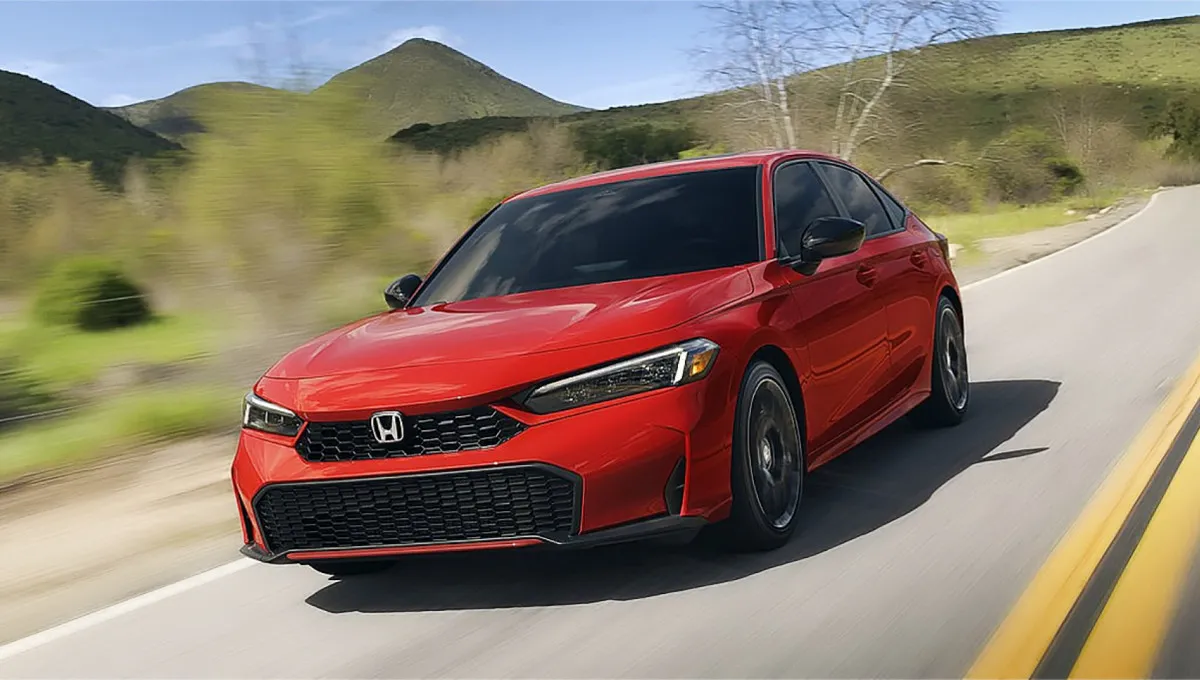
The 2027 Honda Civic Just Got More Premium — And It Still Starts Under $27,000
Honda has updated the Civic for the U.S. market, adding premium features and new driving technology without significantly raising prices.