
Why Black and White Cars Are Not the Best Choice
The greatest losses in price when reselling are noted for black and white cars.
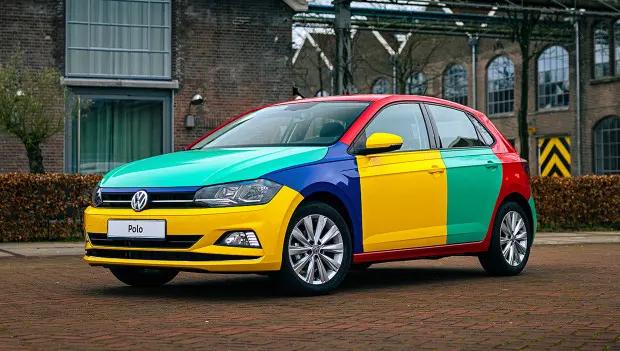
An interesting study on the car market has caught the attention of the Auto30 editorial team. Analysis data show that gray, black, and white cars remain the most popular among buyers. However, their prevalence plays against them: due to a large supply, they lose value more quickly. If you plan to sell a car in a few years, you should consider more vibrant shades — they retain their value better.
Why do neutral colors lose? Black, white, and silver look universal and never go out of style, which is why they are chosen more often. But precisely because of this, there are too many of them on the second-hand market, which lowers the price.
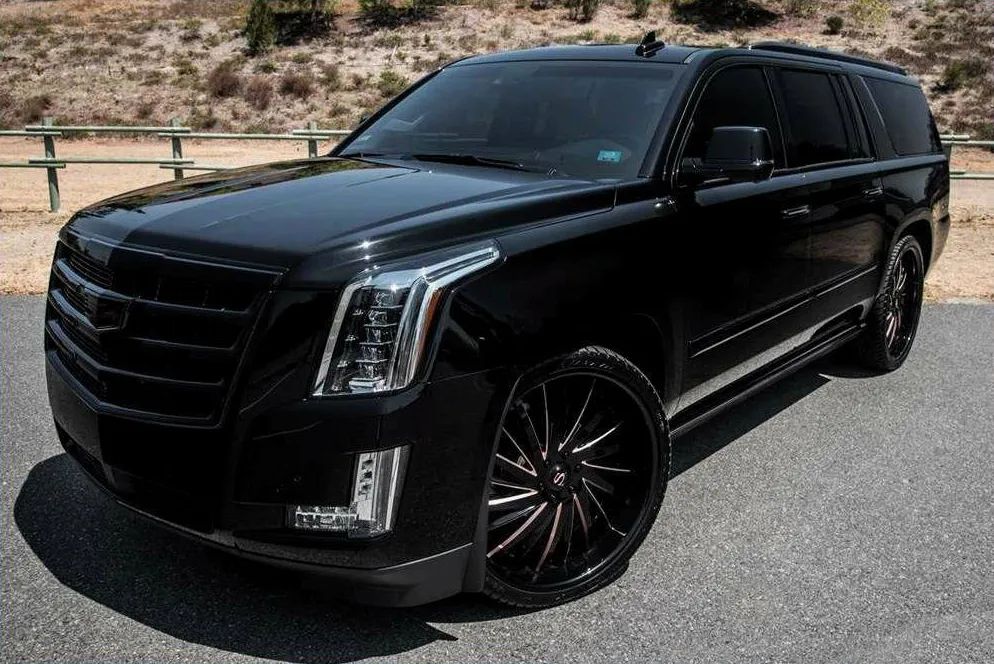
For example, in three years, a black car loses an average of 31.9% in value, while a white one loses 32.1%. Monetarily, this can mean a loss of more than $10,000 for premium models.
Brighter colors are more advantageous! Yes, but with caveats.
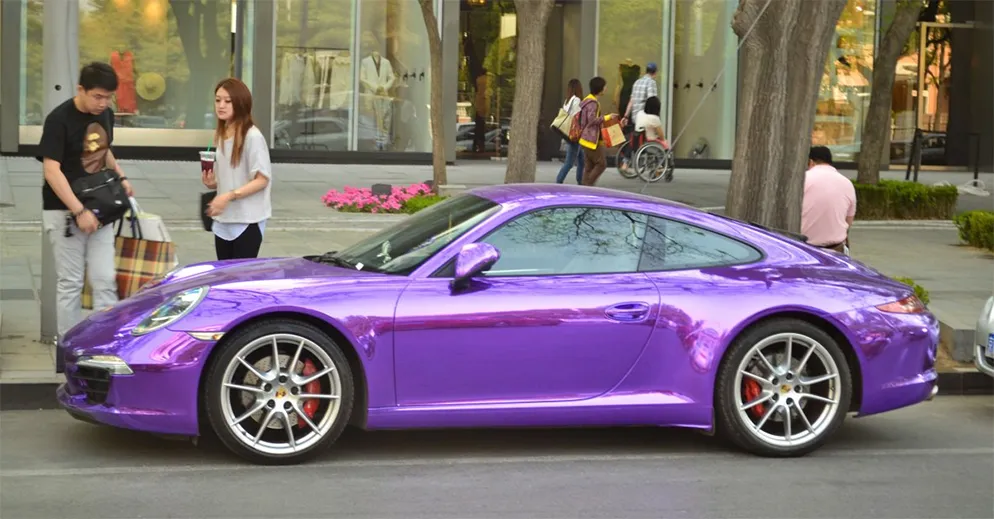
Yellow and orange cars depreciate more slowly — about 24% over the same period. Green and red also hold up well (26.3% and 29.8%, respectively). However, they are harder to sell: the demand for non-standard shades is lower, and the choice on the market is limited.
If you want to save money when reselling, you should consider unusual colors. But if a quick sale is more important — classic shades are still more reliable.
You may also be interested in the news:
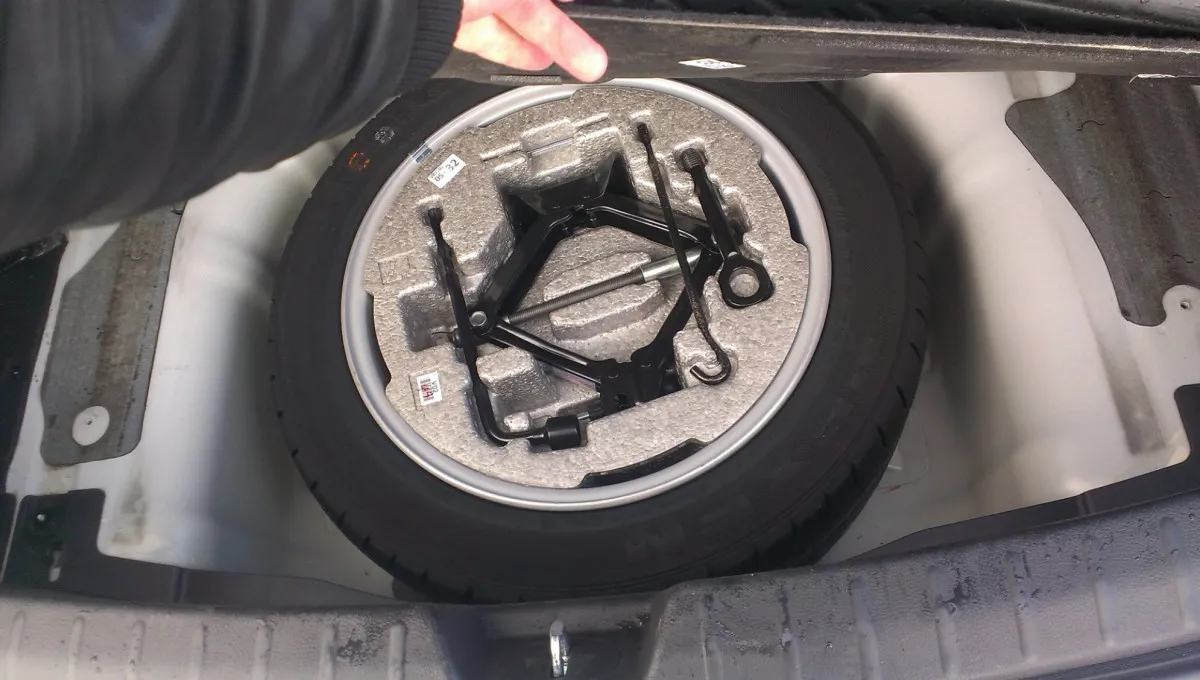
Why New Cars Are Ditching the Spare Tire — And What Drivers Get Instead
More new vehicles are replacing the spare tire with a compressor and sealant kit, and there are two practical reasons why.
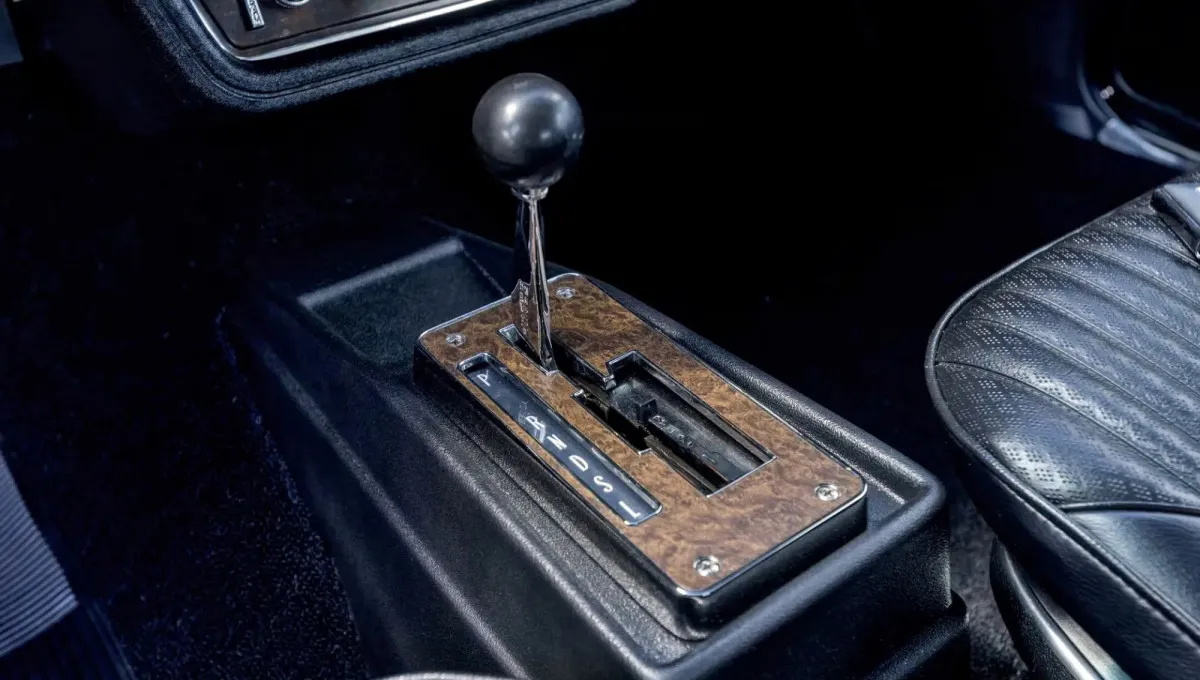
How Oldsmobile Invented a Manual Gearbox for an Automatic
Long before paddle shifters and electronic driving modes, Oldsmobile found a clever mechanical way to let drivers shift an automatic transmission themselves.

You’ve Seen This Chain Behind Fuel Tankers — But Do You Know What It’s Really For?
The metal chain dragging behind a fuel tanker isn't a forgotten part or a coincidence—it has long been associated with fire safety.
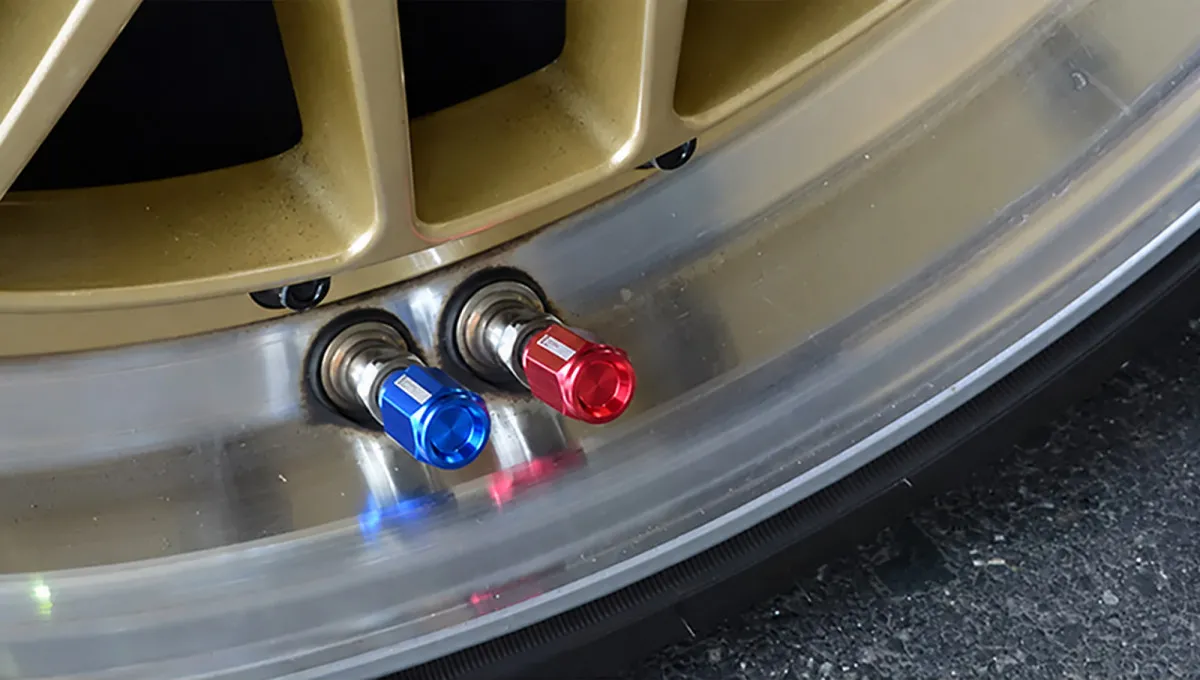
Not a Manufacturing Error: Why Some Wheels Have Two Valve Stems
Two valve stems on one wheel may look unusual, but the setup serves a practical purpose in racing and specialized tire service.
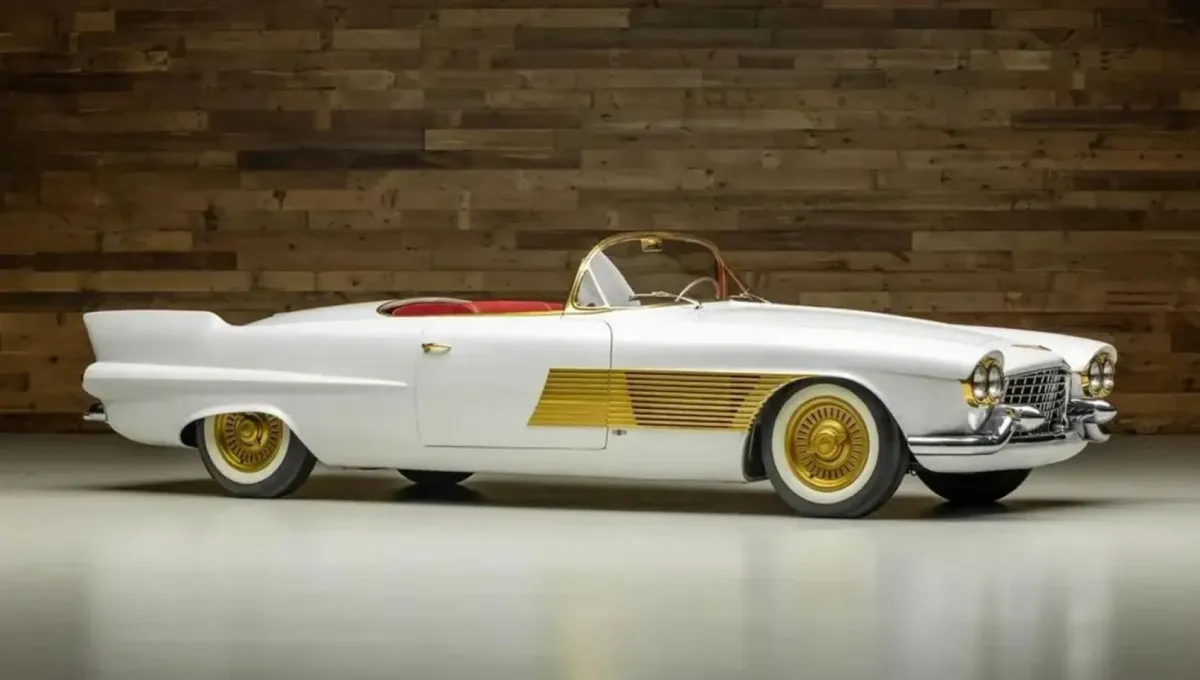
Gilded 1953 Cadillac Sells for a Record $1.275 Million
The unique Cadillac Elegante, featuring an Italian aluminum body and 24-karat gold trim, went to auction for the first time more than 70 years after it was built. It became the most expensive Cadillac ever sold at public auction.