Sir Vival: The idea behind creating the world’s safest—yet ugliest—car
American engineer Walter Jerome came up with the radical idea of separating the engine and the passenger cabin so they barely touched at all.
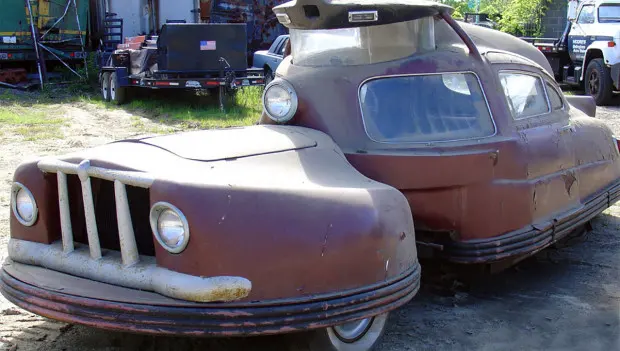
There may never have been a stranger attempt to build a safe car. American engineer Walter Jerome decided to separate the engine from the passenger compartment so that the two were almost completely disconnected. The result was the Sir Vival.
The car turned out unbelievably ugly—something that stood out even more in 1958, an era of stunningly beautiful automobiles and the golden age of American design. Its name was a play on the word Survival, while the chassis was based on a 1948 Nash (its outlines are still somewhat recognizable if you squint).
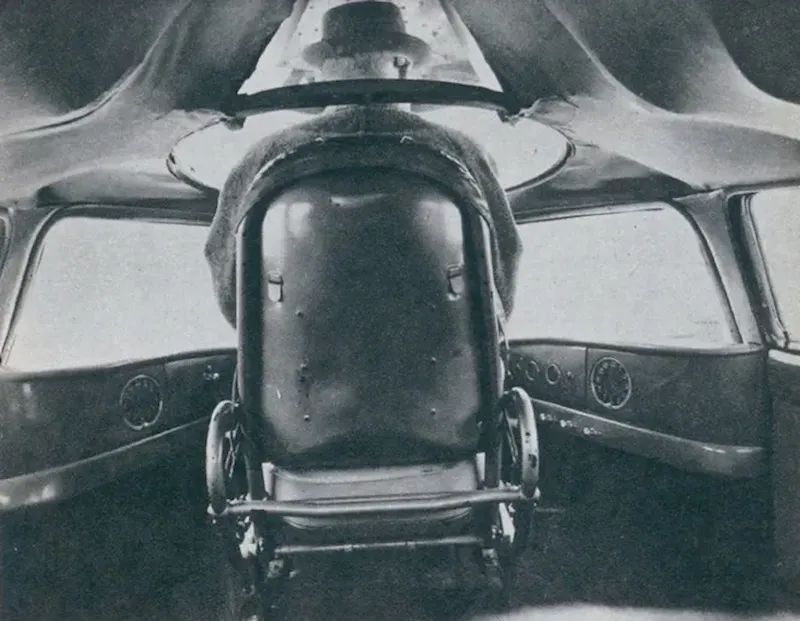
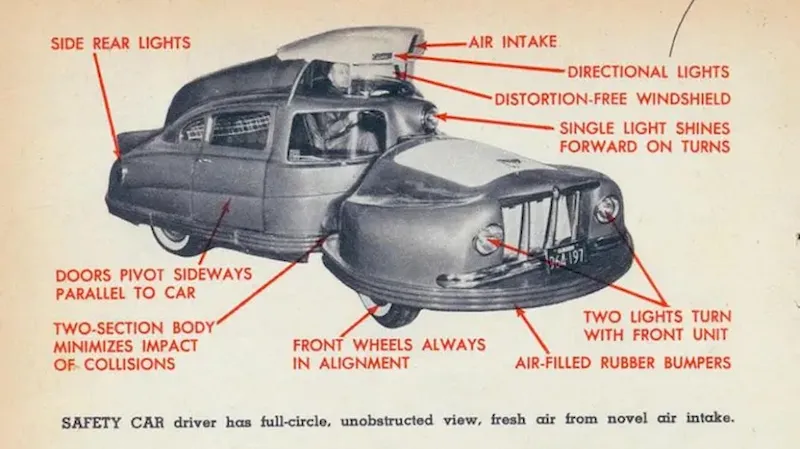
The frame “split” was engineered in an unusual way. Steering was handled by a massive gear mechanism connected to the wheel. It worked well enough at speed, but turning the front end while stationary was nearly impossible. The three-seat passenger cabin was completely isolated from the engine. Power still went to the rear wheels, which made handling tricky—especially with the body twisted in a turn.
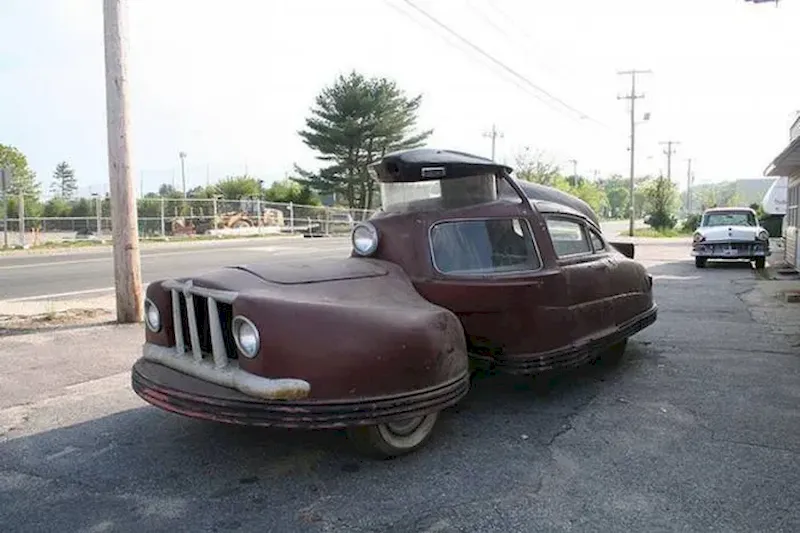
Passengers sat in the rear cabin, while the driver was perched higher up in a “watchtower.” The car was surrounded on all sides by rubber bumpers. The doors didn’t swing open—they slid backward. In short, Jerome tried to anticipate every possible safety measure he could imagine. Along with Alfred Juliano’s Aurora, the Sir Vival was one of the world’s first true “safety cars.” In that sense, Jerome’s logic was sound.
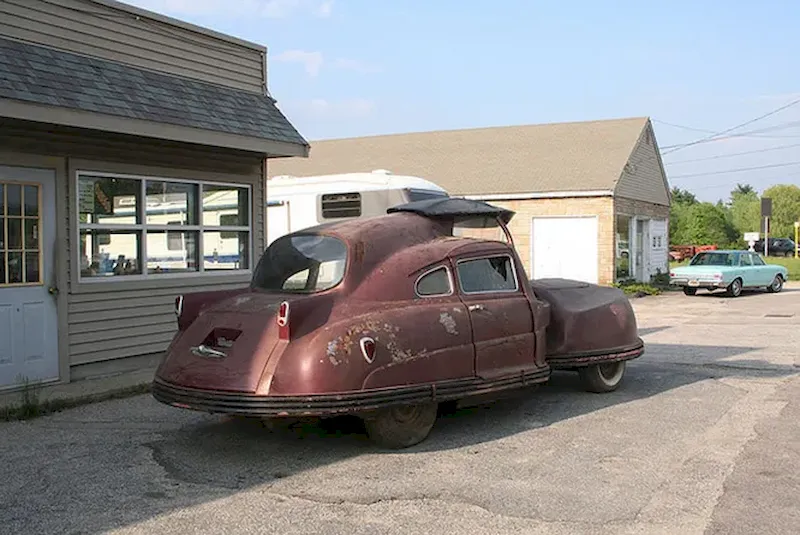
But he overlooked one thing: the car was simply hideous. Not a single automaker showed interest in the Sir Vival, despite extensive press coverage and Jerome’s tireless self-promotion. He searched for funding until 1964, then gave up and sold the car. Today, the Sir Vival still exists. It’s privately owned in Bellingham, Massachusetts, and is in need of some restoration.
You may also be interested in the news:

What Does a Flashing Red Traffic Light Mean? Can You Keep Driving?
Drivers must come to a complete stop at the stop line before deciding whether it is safe to proceed.
Why You Should Check a Tire’s Manufacturing Date Before Buying
Tire buyers should check more than size, tread, and brand because rubber changes with age, even without visible wear.
Four Car Features Modern Drivers Are Starting to Miss
New cars keep adding technology, but some simple features that drivers once relied on are disappearing.
The Sheriff Knew She Was Speeding—Then This Blonde Driver Turned the Ticket Against Him
A sheriff pulls over a Ferrari for speeding, but the driver's bizarre logic quickly turns the traffic stop against him.