
Ford Once Designed a Uranium-Powered Car With a Nuclear Reactor and a 5,000-Mile Range
More than half a century ago, Ford captured the world’s imagination with a futuristic concept powered by a nuclear reactor.
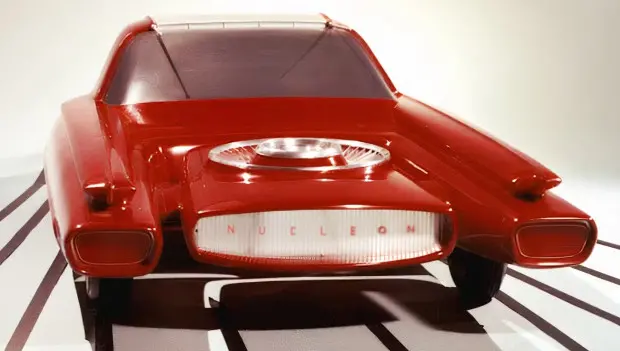
Over fifty years ago, Ford inspired car enthusiasts around the globe with a bold and futuristic idea — a vehicle powered not by gasoline or electricity, but by nuclear energy.
By the late 1950s, the American automaker was envisioning a future where cars would no longer rely on conventional fuels. That vision took shape in 1958 with the Ford Nucleon concept — a car designed to run on uranium.
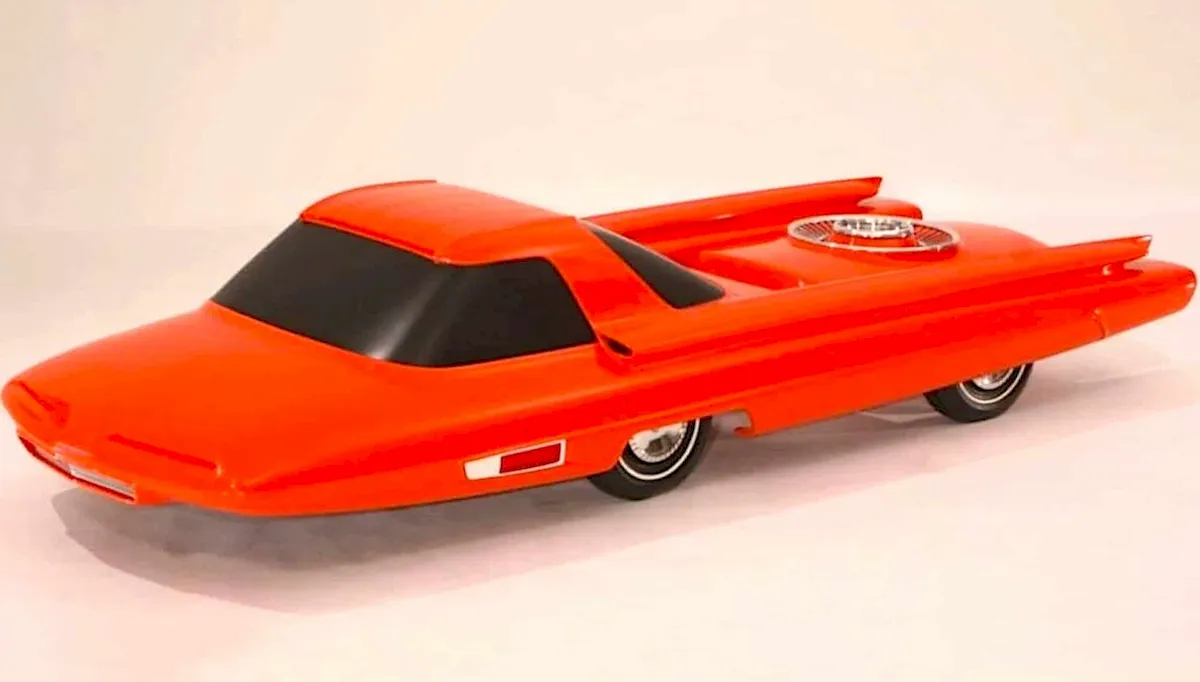
Developed by Ford engineers, the Nucleon featured a miniature nuclear reactor mounted at the rear. It was powered by a replaceable uranium cartridge and, in theory, could travel up to 5,000 miles without refueling.
Aesthetically, the Ford Nucleon looked straight out of science fiction — with a long sloping hood, panoramic windshield, smooth flowing lines, and a detachable reactor capsule that resembled a spacecraft.
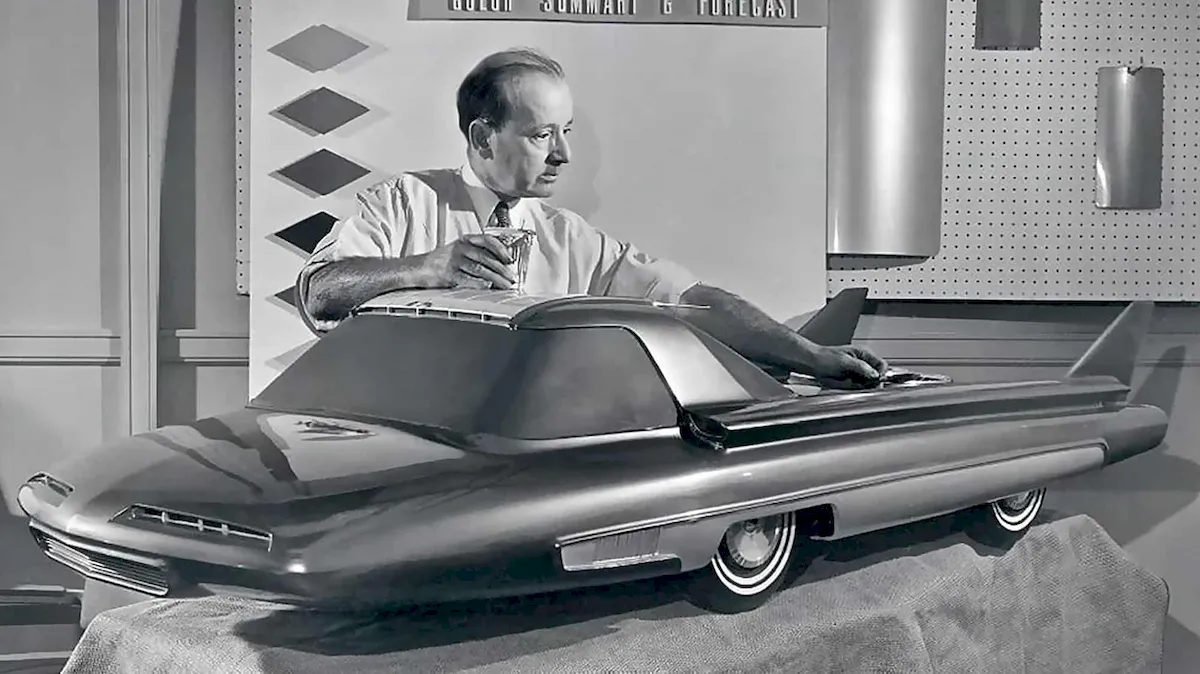
At the time, Ford wasn’t the only automaker dreaming of atomic propulsion. Some engineers believed nuclear power could one day drive trains, airplanes, and ships. But physics had other plans.
The main problem was feasibility — the science simply wasn’t there yet. Creating a compact, safe, and efficient nuclear reactor small enough for a personal car was pure fantasy. Protecting passengers from radiation would have required several tons of lead and steel shielding, rendering the car far too heavy to be practical. And that’s not to mention the obvious safety concerns in the event of an accident.
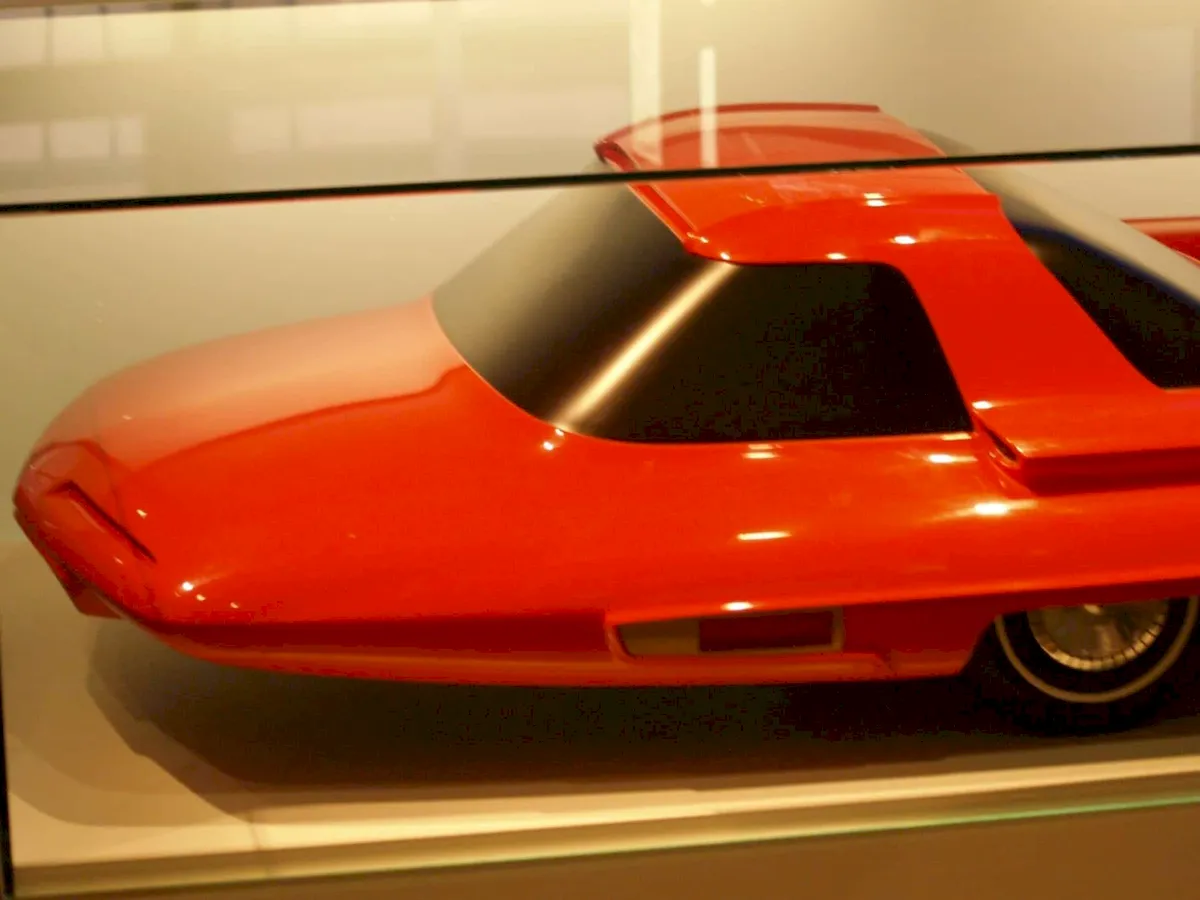
Ultimately, the project never reached the functional prototype stage. Ford only built a 3/8-scale model, which is now displayed at the Henry Ford Museum in Dearborn, Michigan.
You may also be interested in the news:
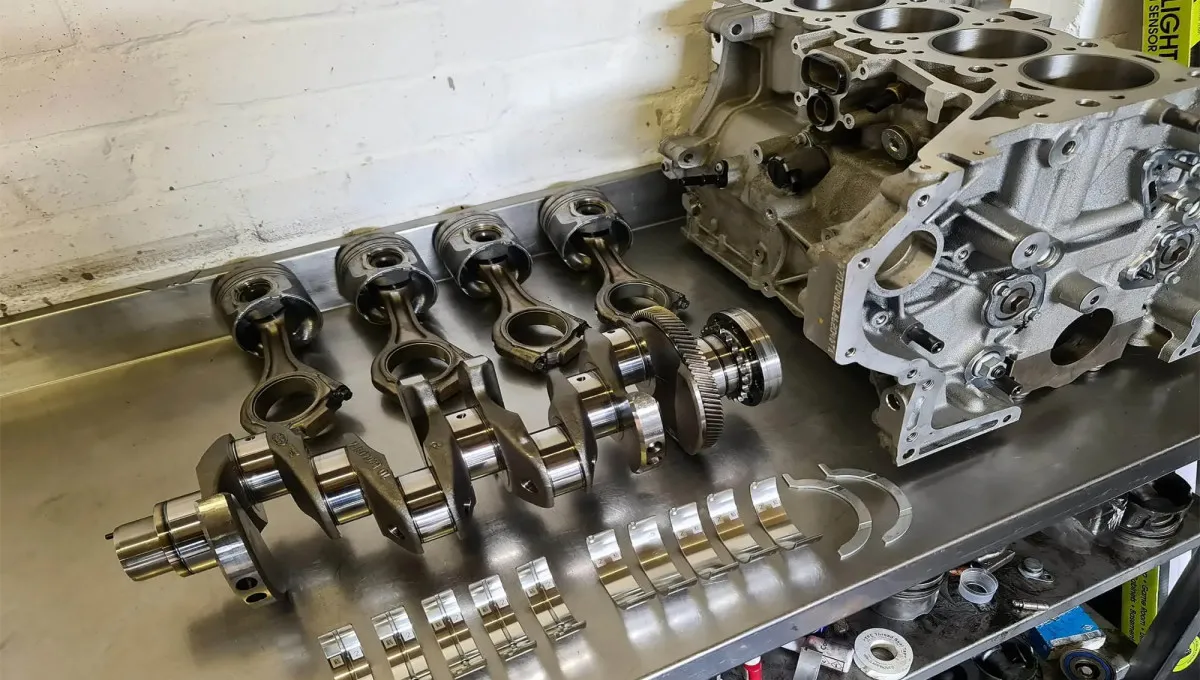
Not Ford, BMW or Audi: Mechanic Names the Car Brand That Almost Never Breaks Down
Auto repair professionals reveal which models rarely suffer major failures and which ones repeatedly end up on the lift.

What Does a Flashing Red Traffic Light Mean? Can You Keep Driving?
Drivers must come to a complete stop at the stop line before deciding whether it is safe to proceed.
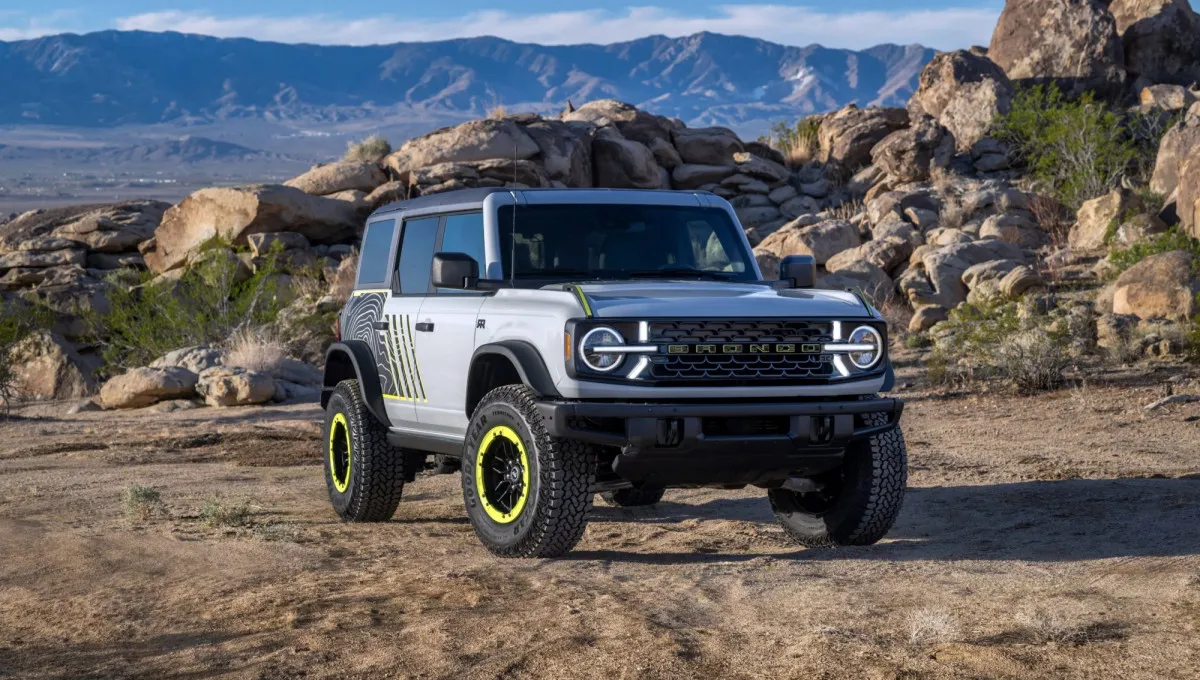
2027 Ford Bronco RTR Priced From $50,495—Undercuts Bronco Raptor by $31,500
Ford has set the starting price for the 2027 Bronco RTR, with orders expected to open later this year.
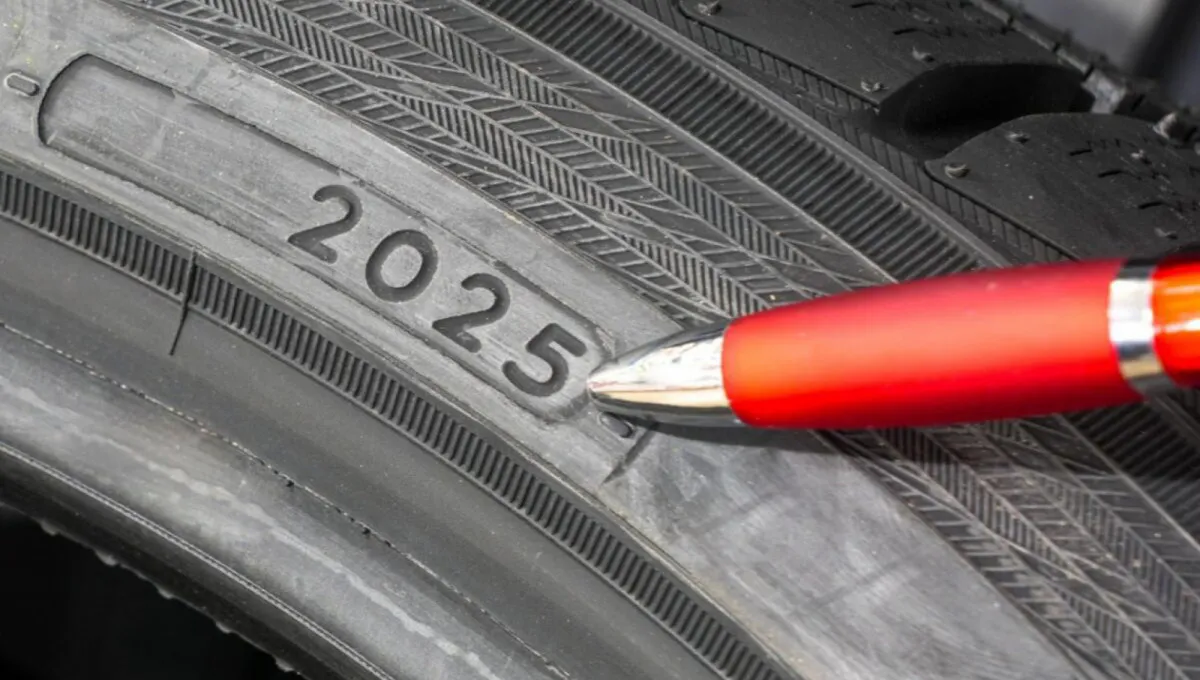
Why You Should Check a Tire’s Manufacturing Date Before Buying
Tire buyers should check more than size, tread, and brand because rubber changes with age, even without visible wear.
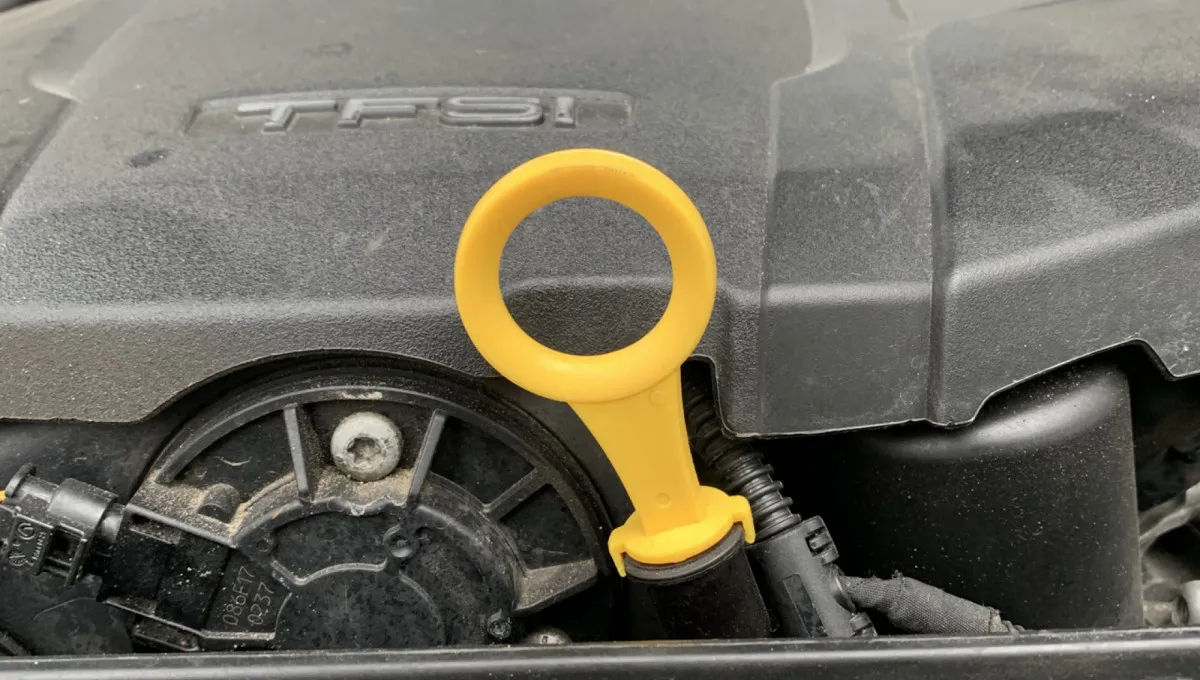
Four Car Features Modern Drivers Are Starting to Miss
New cars keep adding technology, but some simple features that drivers once relied on are disappearing.