
Why Diesel Cars Outperform Gasoline Ones, According to an Expert
The biggest advantage of diesel engines is their strong torque even at low RPMs.
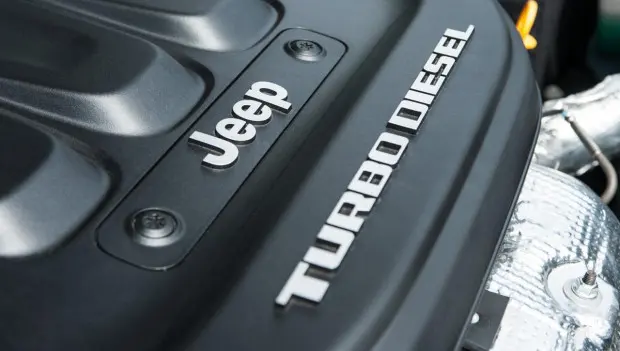
The key strength of diesel vehicles lies in their impressive pulling power right from the start. Where a gasoline engine needs to rev up, a diesel delivers steady force from the first second. That makes a huge difference off-road, when towing, or hauling heavy loads. The car moves smoothly, without jerks, and doesn’t lose power even under strain.
Diesel engines in passenger cars are also known for their fuel efficiency. On average, they consume just 7–9 liters per 100 kilometers (roughly 26–33 miles per gallon), all while maintaining solid power and acceleration.
Turbocharged gas engines can achieve similar numbers, but they usually wear out faster and cost more to maintain. Diesel motors tend to run more steadily and hold their performance longer, making them a smart choice for drivers who spend a lot of time on the road or cover long distances regularly.
Just two decades ago, diesel engines had a rough reputation—they were noisy, clunky, and mostly found in trucks or off-road vehicles. Most car owners preferred gasoline. But that perception has changed dramatically. Modern diesels run smoothly and quietly, with engine sounds that are barely distinguishable from those of gasoline cars.
Today’s Common Rail diesel systems represent a completely different generation. They’re quieter, more fuel-efficient, and longer-lasting. The engineering has been simplified, maintenance has become more affordable, and engine lifespan has increased significantly. With regular oil and filter changes, a diesel can easily run hundreds of thousands of miles without major repairs.
You may also be interested in the news:
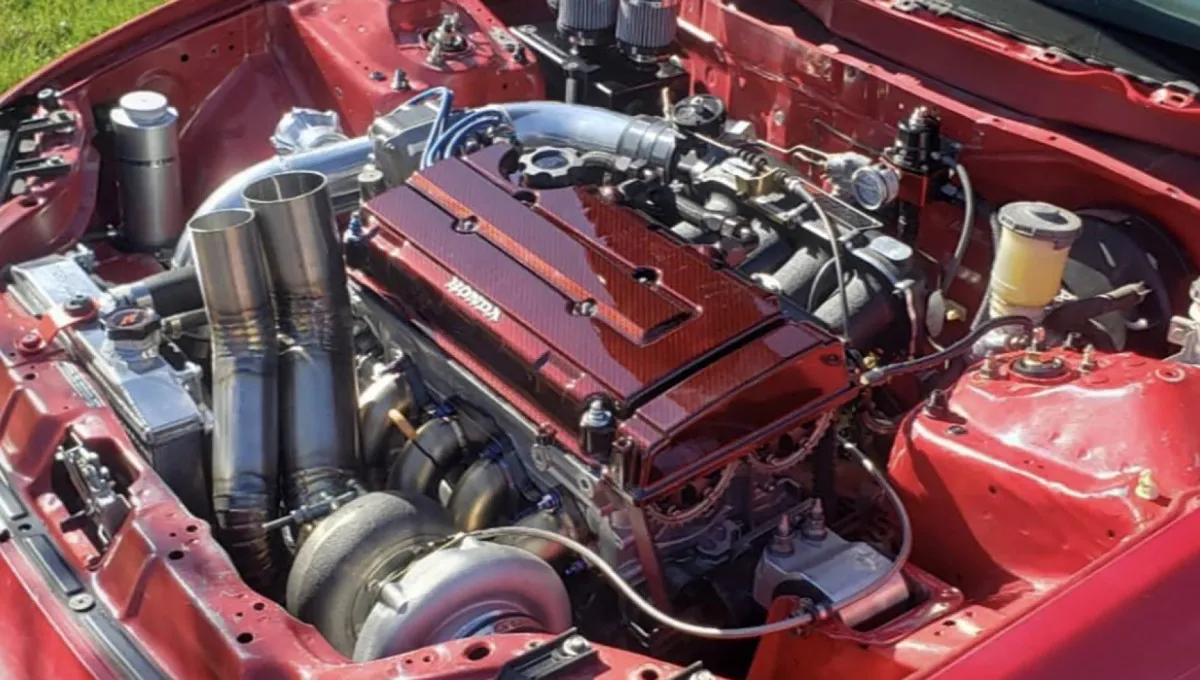
Honda K-Series Engines Can Go Past 300,000 Miles — Here's Why They're So Reliable
How long can a Honda K-series engine last, and what makes this family of Japanese engines so durable?
Your Engine Could Be Warning You: 6 Problems That Can Make a Car Run Rough
Engine problems rarely happen without a reason, and six common issues can cause a car to run poorly.
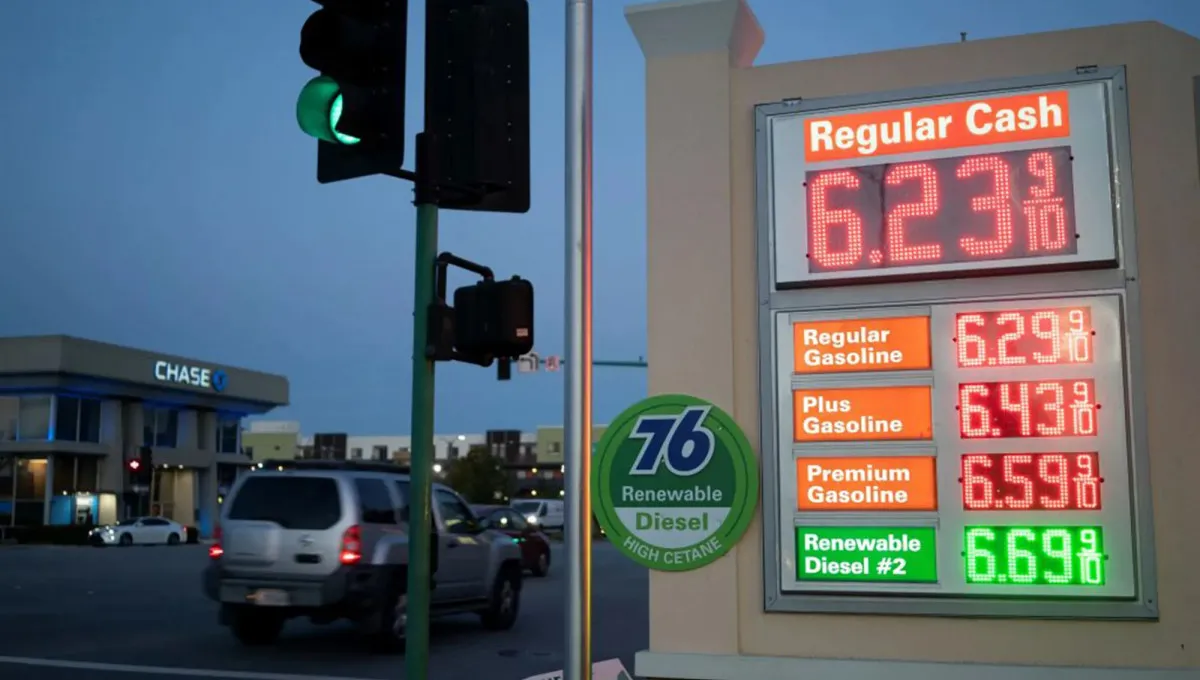
Diesel Prices Just Hit a Record in the U.S.—And the Supply Crunch Could Get Worse
U.S. diesel prices have hit record highs as tightening global supplies raise concerns about further increases.
GM Just Unleashed an 8.3-Liter Diesel V8 to Take on Ford’s 1,200-Lb-Ft Power Stroke
General Motors has confirmed an all-new 8.3-liter Duramax V8 diesel called Mongoose for the 2027 Silverado HD and Sierra HD.
Why Small Turbo Engines Are Replacing Big V8s—and What It Means for Your Next Car
Turbochargers let automakers squeeze big-engine performance from smaller engines—but the technology comes with trade-offs.