
Why Your Brakes Squeak — What It Means and How to Fix It
That high-pitched squeal or grinding sound when you hit the brakes can make any driver nervous.
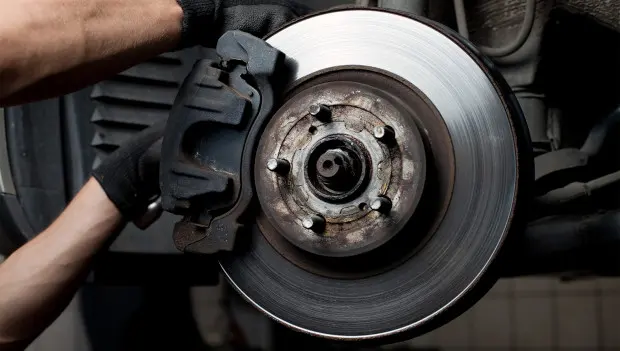
That high-pitched squeal or grinding sound when you hit the brakes can make any driver nervous — and for good reason. Noises from your brake system often signal that something’s wrong. But it’s not only older, high-mileage cars that have this issue. Even brand-new vehicles can make these unpleasant sounds. Here’s why brakes squeak, what it means, and how to deal with it.
Why brakes make noise
When you press the brake pedal, the pads clamp down on the rotors to slow the car. This friction creates tiny vibrations, and under normal conditions, everything works quietly. But if the contact isn’t even — due to wear, dirt, or mismatched parts — those micro-vibrations turn into squeaks or grinding noises.
Let’s go over the most common causes.
1. Worn brake pads
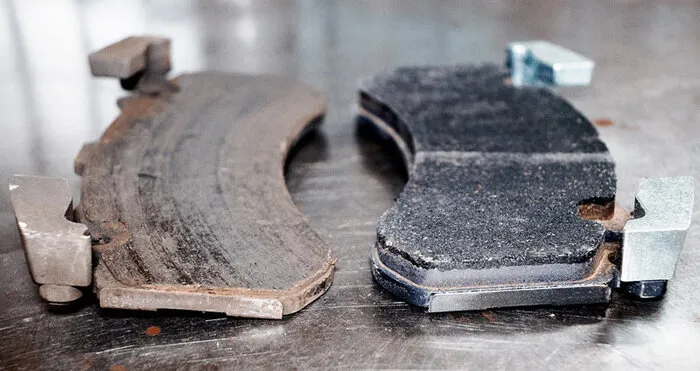
This is the most common reason. Most modern pads have a built-in wear indicator — a small metal tab that starts touching the rotor once the friction material wears down to about 2 millimeters. When that happens, you’ll hear a sharp squeal every time you brake.
The thinner the pad gets, the louder it squeaks. That’s your car’s way of saying it’s time for new pads. Ignore it too long, and the brakes may stop working properly altogether.
2. The friction layer is gone
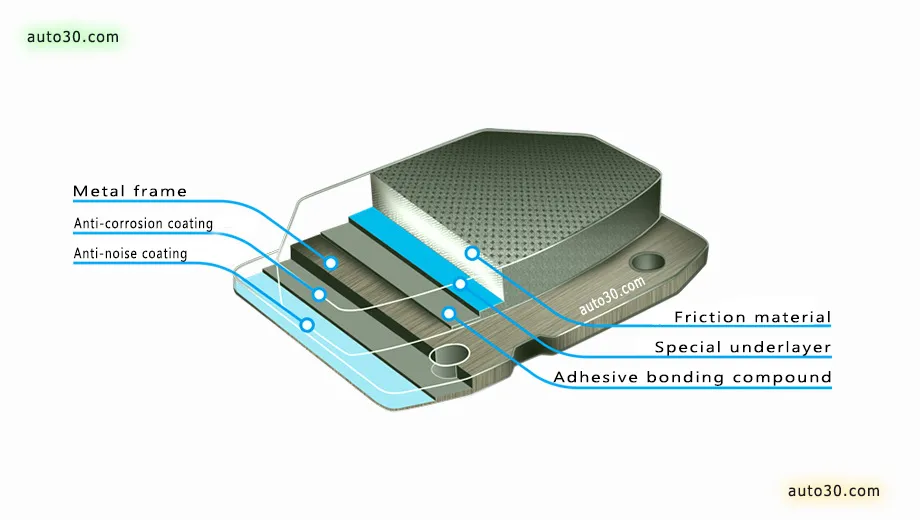
Not every car has wear sensors. If you start hearing grinding or scraping, chances are the friction material has completely worn away, exposing bare metal. Metal-on-metal contact damages the rotors and makes an awful sound — a clear sign you need service immediately.
3. Dirt and debris in the brake system
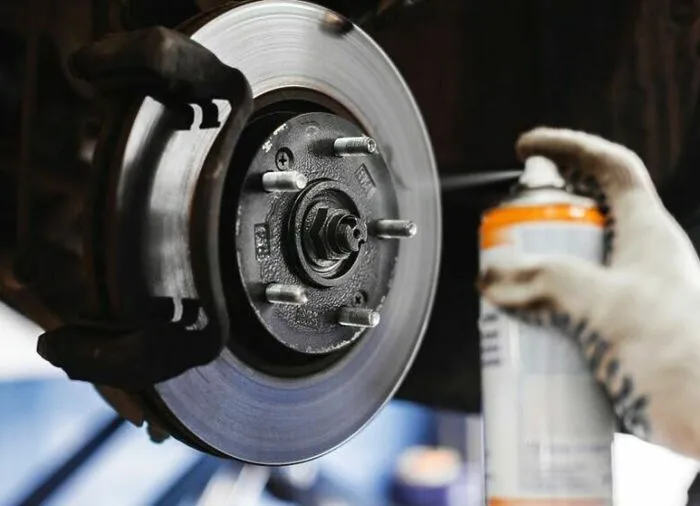
If you’ve recently driven on dirt roads or through mud, sand and grit can get stuck between the pads and rotors. This uneven contact creates vibration, wear, and noise.
Improper installation of brake parts can also leave gaps that collect debris. Cleaning the brakes is best left to a professional — doing it wrong can cause more harm than good.
4. Parts that don’t match
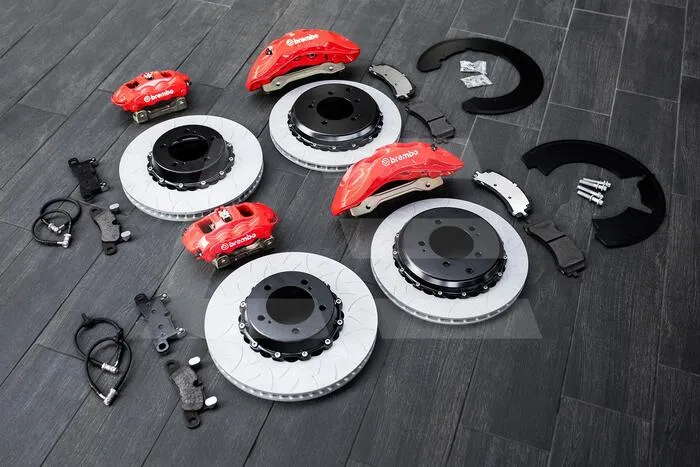
Ideally, the pads, rotors, and other components should all come from the same manufacturer and product line. These parts are designed to fit and work together. Mixing brands or using “almost compatible” parts — even premium ones — can lead to poor fit, uneven wear, and constant squealing.
The problem often comes down to differences in metal composition, geometry, or surface design.
5. Worn or deformed moving parts
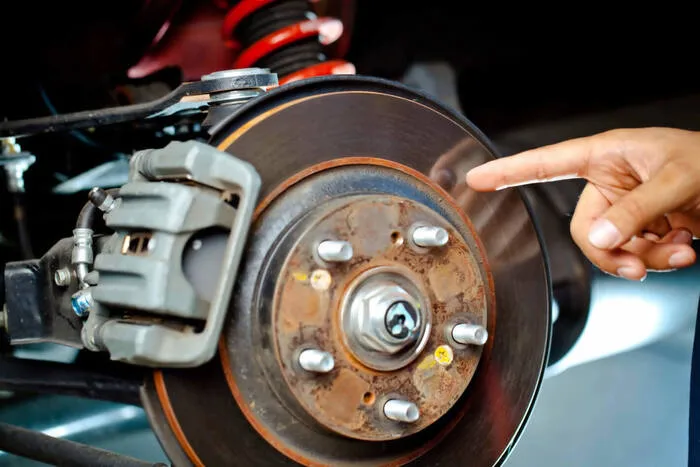
Brake components wear at different rates. Pads wear out fastest; rotors and drums usually last around 60,000 miles. It’s best to replace pads and rotors as a set — that way, the contact surfaces match and the system runs quietly.
If you hear squeaks, it could mean the parts are wearing unevenly or something inside the system isn’t working right. Replacing pads alone won’t help if the underlying issue isn’t fixed.
6. Corrosion
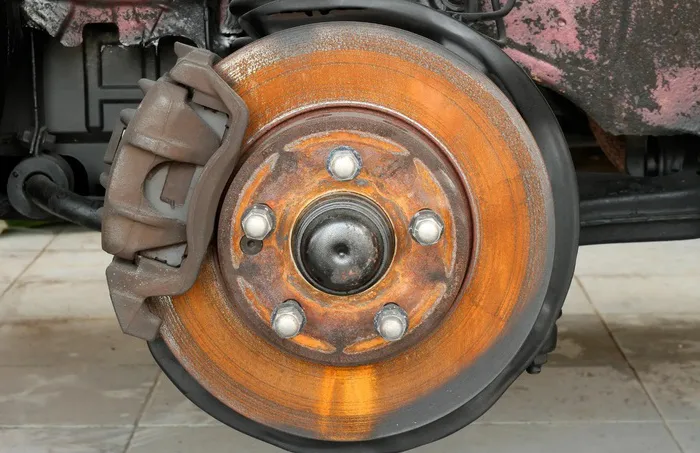
Over time, moisture causes metal parts to rust. Rusty rotors prevent the pads from making even contact, which results in squeaking or grinding.
7. Heat and temperature changes
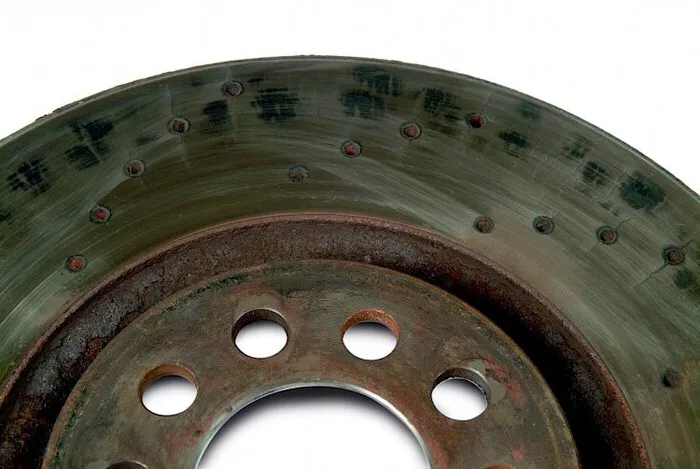
Rotors can warp if they’re suddenly cooled after getting very hot — for example, when you drive through water right after heavy braking. This deformation changes the surface shape and creates vibration, lengthens stopping distance, and makes the brakes squeak constantly.
8. Overheating
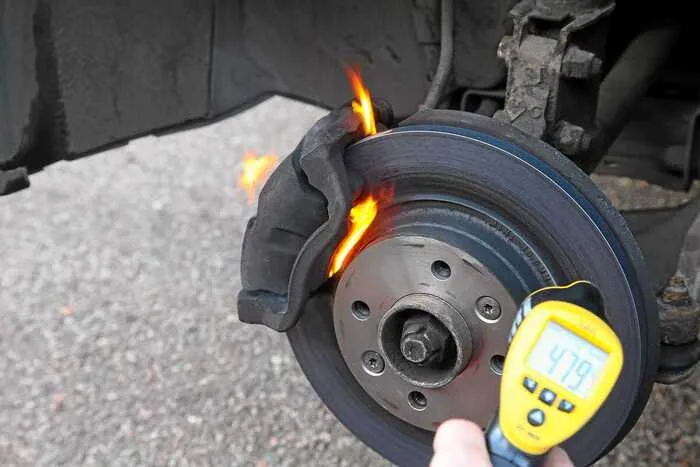
In hot weather or under heavy braking, rotors can overheat and lose their original shape. Once that happens, they won’t make proper contact with the pads. The only fix is replacing the affected rotor, and it’s best done at a certified repair shop.
9. Poor assembly
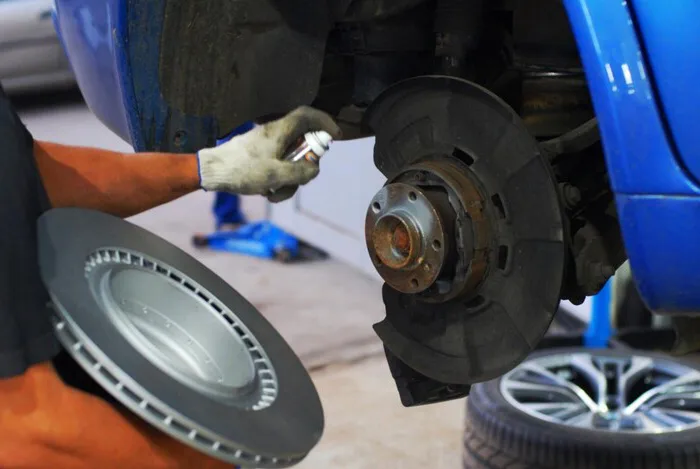
DIY brake jobs or cheap mechanic work can cause serious problems. Incorrect installation, missing lubrication, or bolts that aren’t tightened properly can all result in noise — or worse, brake failure. A post-repair squeak might seem minor, but it’s often a warning sign that something was done wrong.
Why new brakes can squeak
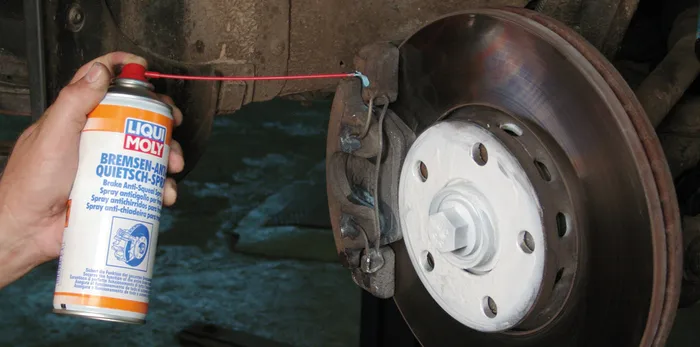
Even brand-new pads can make noise right after installation. That’s usually because of a protective coating applied at the factory — it prevents corrosion but doesn’t provide good friction. The squeaking disappears as the coating wears off.
Another reason is that new pads haven’t yet conformed to the surface of the rotors. Every rotor develops a unique texture over time, and the pads need a few hundred miles to “bed in.” After about 200–300 miles of normal driving, the noise typically goes away on its own. No need for harsh “brake-in” maneuvers — just drive normally and give it a couple of days.
Thanks for reading to the end — and if you found this guide helpful, follow our updates for more practical car advice.
— The Auto30.com Editorial Team
You may also be interested in the news:
When the First Freeze Hits, Put Newspaper Under Your Floor Mat: An Old Winter Driving Trick
Newspaper under a floor mat can help protect a car's floor from winter moisture, but it requires regular attention.
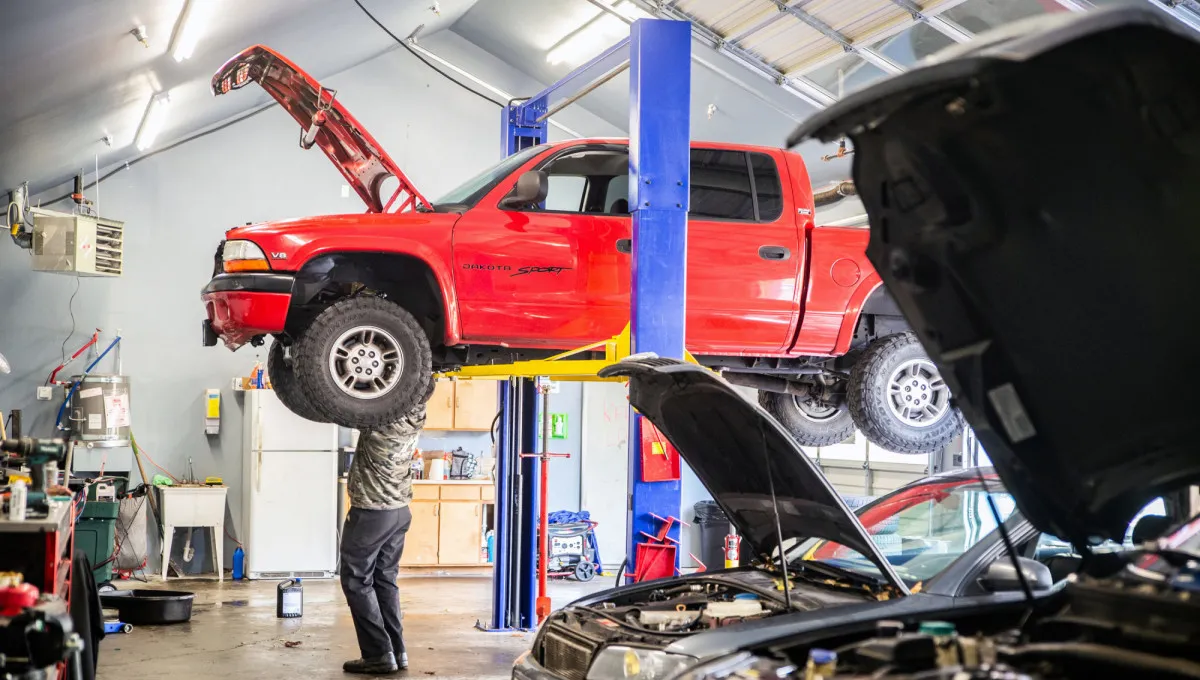
How a Repair Shop Can Overcharge You: What Every Driver Should Know
An experienced mechanic knows how to increase a repair bill, and drivers should know what to watch for before approving work.
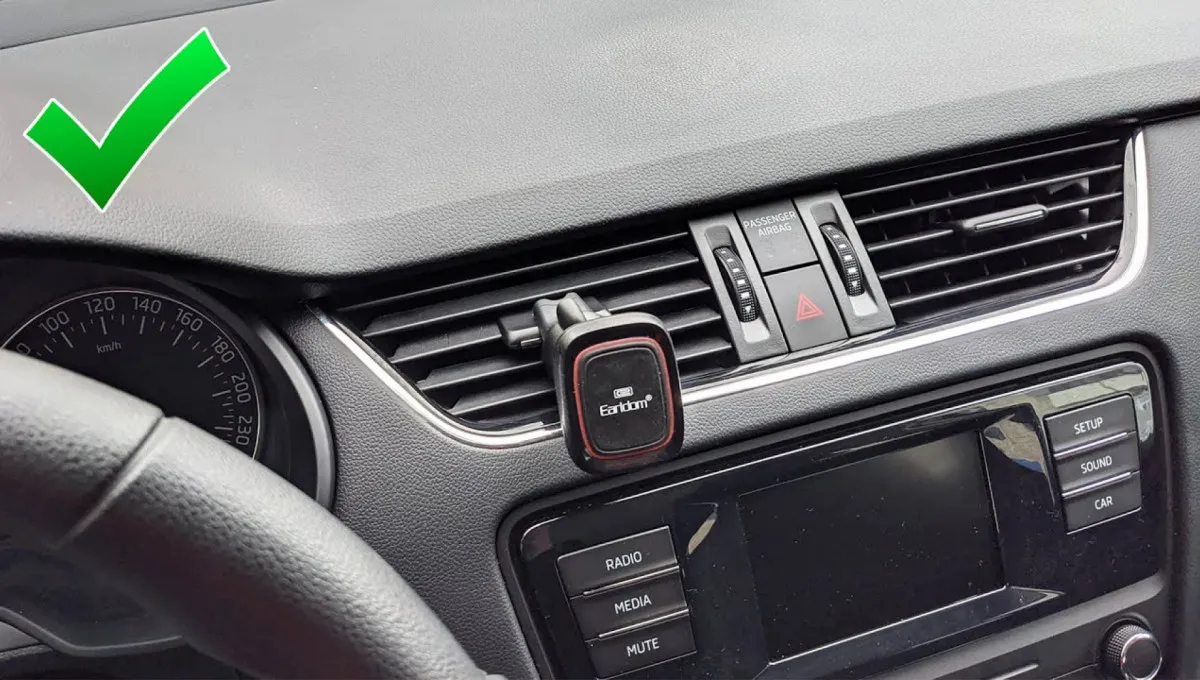
How to Find the Source of a Car Interior Rattle in 15 Minutes
A simple trick can help drivers pinpoint an annoying interior rattle without taking apart half the cabin or visiting a repair shop.
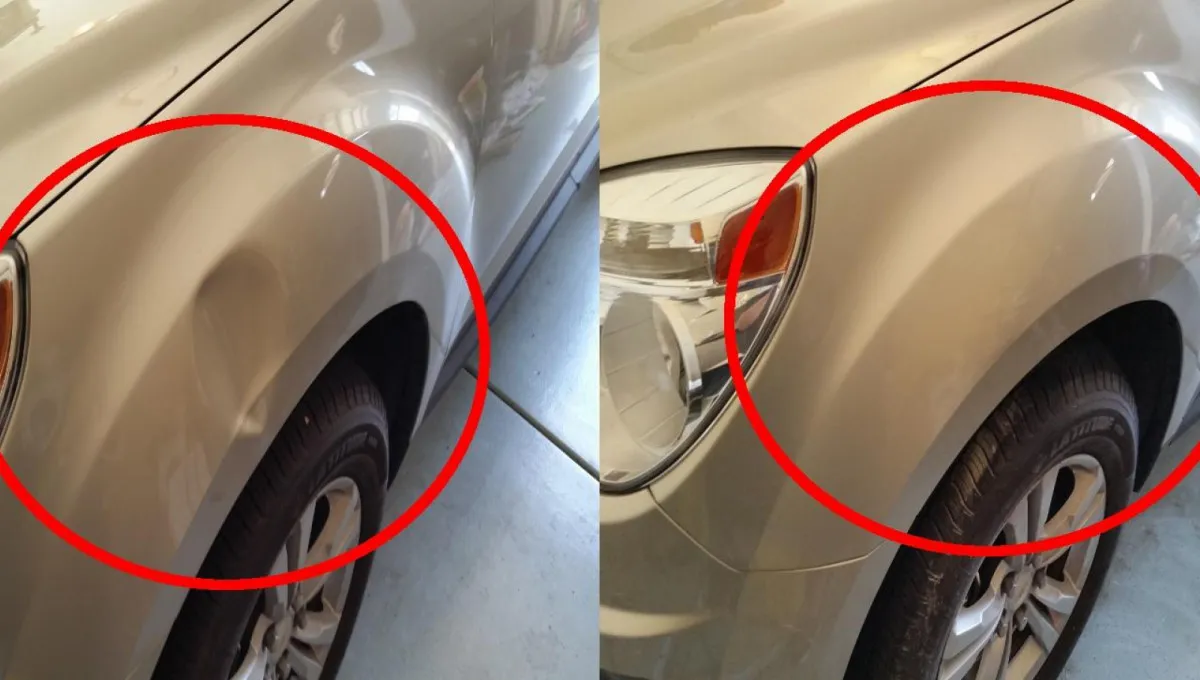
The Dent Can Disappear Without a Trace: How to Repair Car Body Damage Without Paint
Paintless dent repair can restore a damaged panel to its original shape, but only when certain conditions are met.
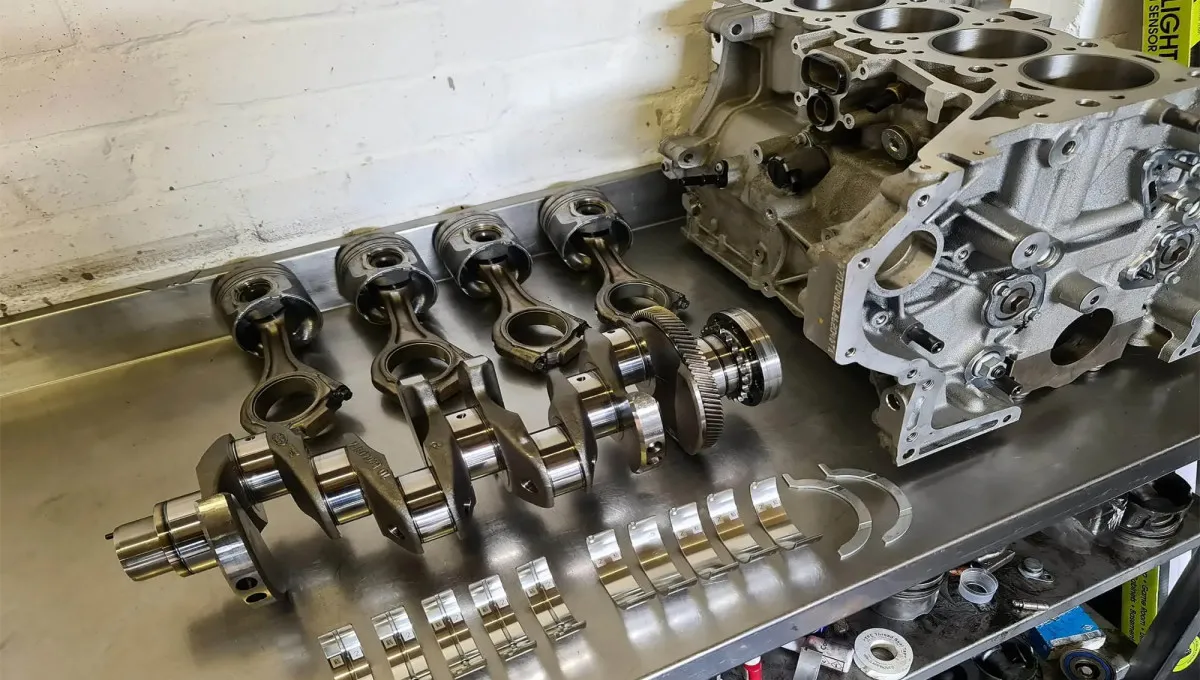
Not Ford, BMW or Audi: Mechanic Names the Car Brand That Almost Never Breaks Down
Auto repair professionals reveal which models rarely suffer major failures and which ones repeatedly end up on the lift.