
Simple DIY Ways to Keep Your Backup Camera Clean
How to maintain a clear view on your screen—even when the weather works against you.
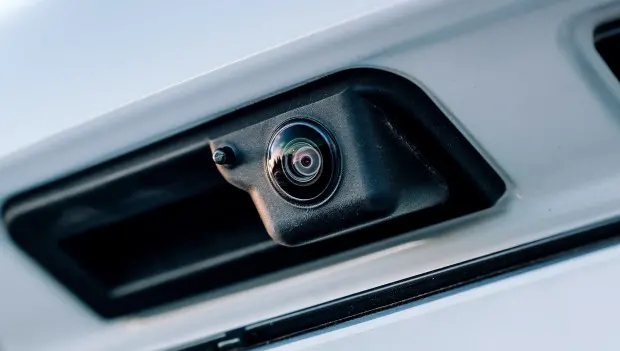
Rearview cameras get grimy fast. A few practical solutions can help—and they work on many different types of vehicles.
The camera mounted at the back of a car is supposed to make parking easier, yet in real life it often turns into a tiny lens coated in mud. A short drive on a wet road is enough for the image to vanish under a thick layer of dirt. It’s an old problem, but one automakers rarely address: the lens sits fully exposed and loses clarity almost instantly.
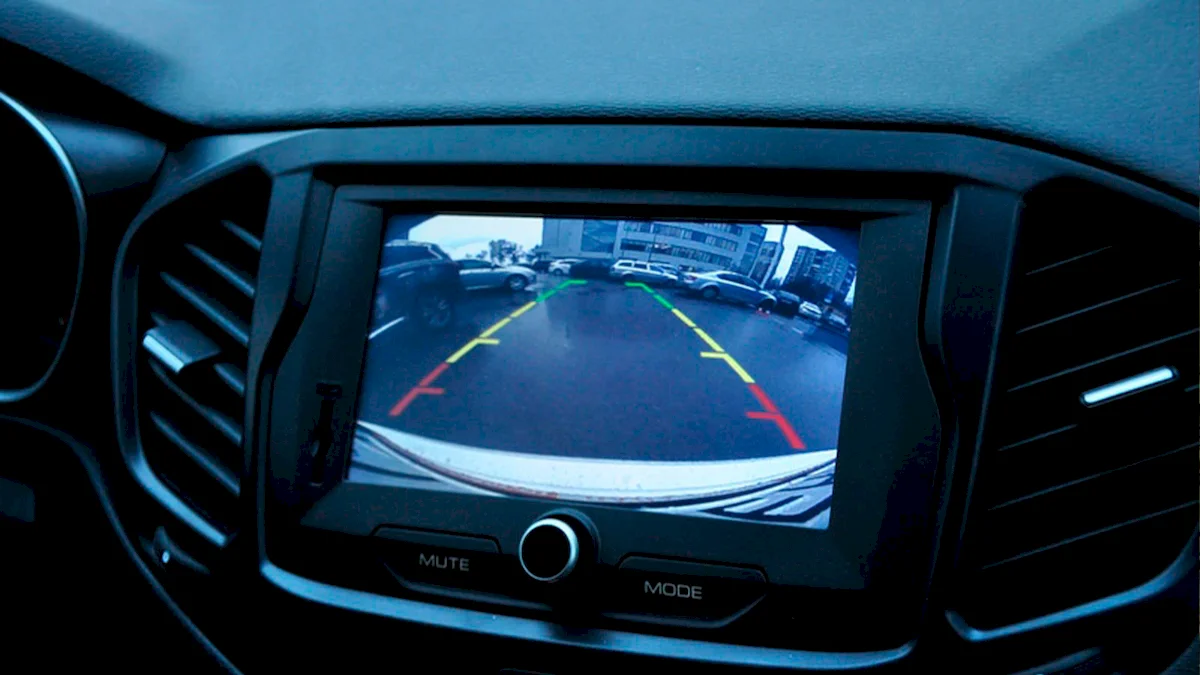
The core issue is placement. Most cameras sit exactly where road spray hits the hardest—snow, salt, dust, and grime kicked up by the wheels all funnel directly toward the lens. You shift into reverse expecting a clear view, and your display offers nothing but a blurry gray smudge. Technically the camera is working, but the picture is useless.
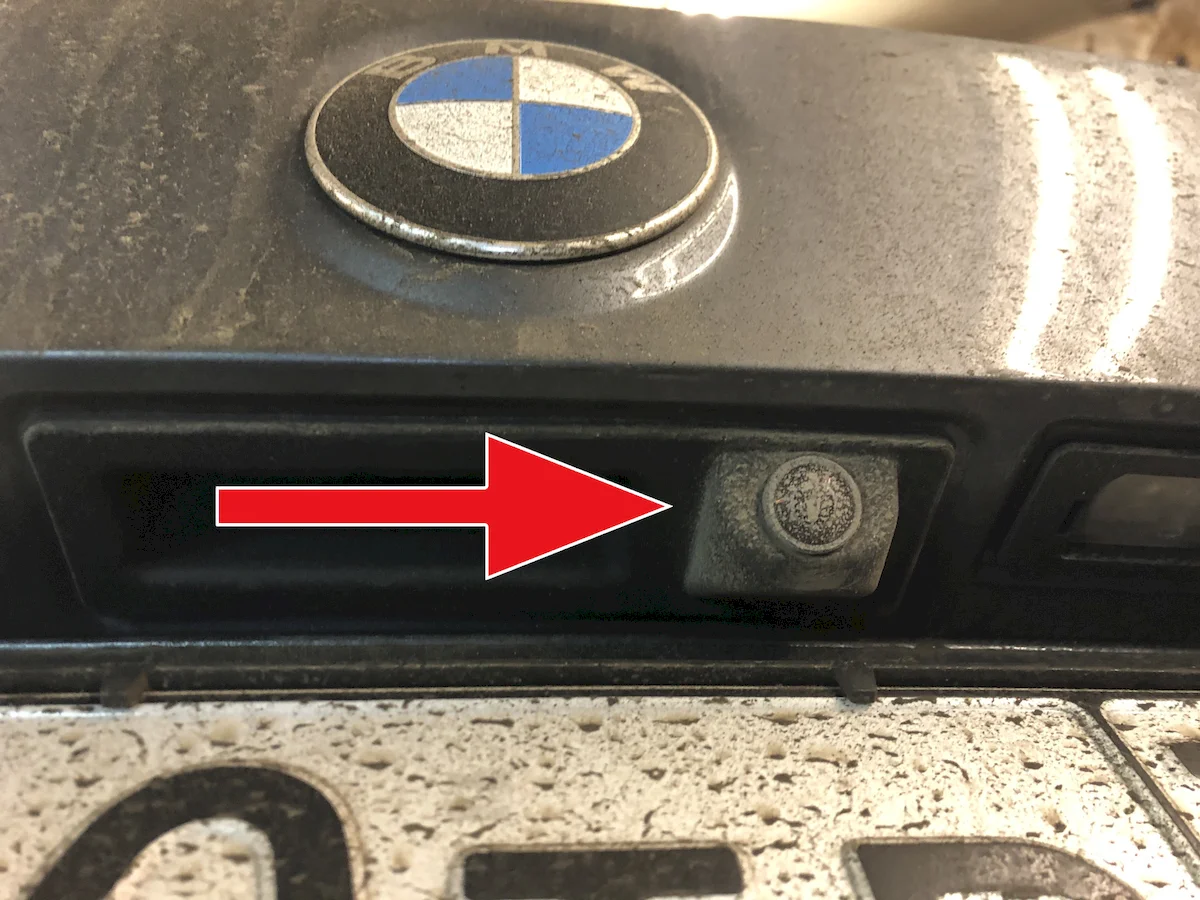
In warm, dry weather the problem fades, but those conditions don’t last long. So the only real fix is to take matters into your own hands.
One clever option works on many vehicles—though not all. If your rear window has a factory washer system, you can repurpose it to clean the camera. This setup is common on hatchbacks, wagons, crossovers, and minivans. With a simple mod, you can add a tiny nozzle near the camera that sprays a thin jet of fluid across the lens. Even an inexpensive washer jet will do. The idea is to position it so the spray glides across the surface rather than shooting straight into the lens.
Run a small hose from the rear washer line to the added nozzle, and the system works automatically: press the rear-wash button, the window clears, and the camera gets rinsed at the same time. For hatchbacks and crossovers especially, it’s an easy, low-cost solution that delivers consistently clean visibility.
Sedans, unfortunately, don’t have it so easy. With no rear washer from the factory, there’s no quick way to add one. In theory, you could run a hose from the front washer system, but the job is tedious—long plumbing, removing interior trim, and a lot of effort for a single camera. Most owners won’t bother.
For those cars, a simpler approach works surprisingly well: treat the lens with a hydrophobic coating. Any auto parts store sells “rain repellent” products that create a thin layer on the surface, causing water droplets to bead up and roll off instead of sticking. Dirt doesn’t cling as easily, either.
The effect doesn’t last forever, but it cuts down the need for constant wiping. When the coating wears off and the image starts getting cloudy again, you just reapply it—and the view clears right back up.
You may also be interested in the news:
Tow Truck Driver Reveals a Hidden Car Feature That Could Save Your Life in an Emergency
A professional tow truck driver revealed a little-known feature that can help drivers move a disabled vehicle to safety.
The Household Staple That Helps Remove Bumper Stickers Without Damaging Your Car
Removing an old bumper sticker is easier with rubbing alcohol, which helps dissolve stubborn adhesive residue from your car.
Useful for Many Drivers and Mechanics: This DIY Tool Makes Adding Engine Oil Much Easier
A simple homemade funnel helps drivers add engine oil cleanly, avoid spills, and reach hard-to-access filler openings.
Foggy Windows in Dry Weather: What Problem Could This Indicate?
Foggy car windows can signal anything from excess cabin moisture to a clogged air filter or a hidden coolant leak.
Why Experienced Drivers Keep a Simple Wooden Clothespin in Their Cars
A wooden clothespin clipped inside a car might look out of place, but some drivers use it for several surprisingly practical purposes.