
Utes — the Car-Based Pickups: How They Emerged and the Surprising History Behind Them
Many drivers have no idea that a pickup style called the “coupé utility,” or simply the ute, even exists.
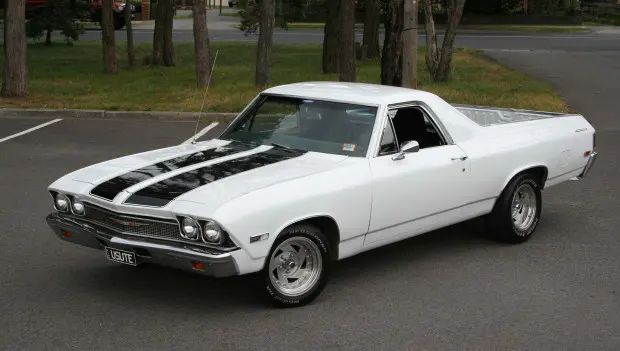
Everyone knows the classic pickup truck — a body-on-frame workhorse with an open bed and usually enough off-road capability to handle a rough trail. But there’s another breed of pickup that often slips from memory: the coupé utility, or “ute,” a light-duty commercial vehicle built on a car platform with an open cargo area.
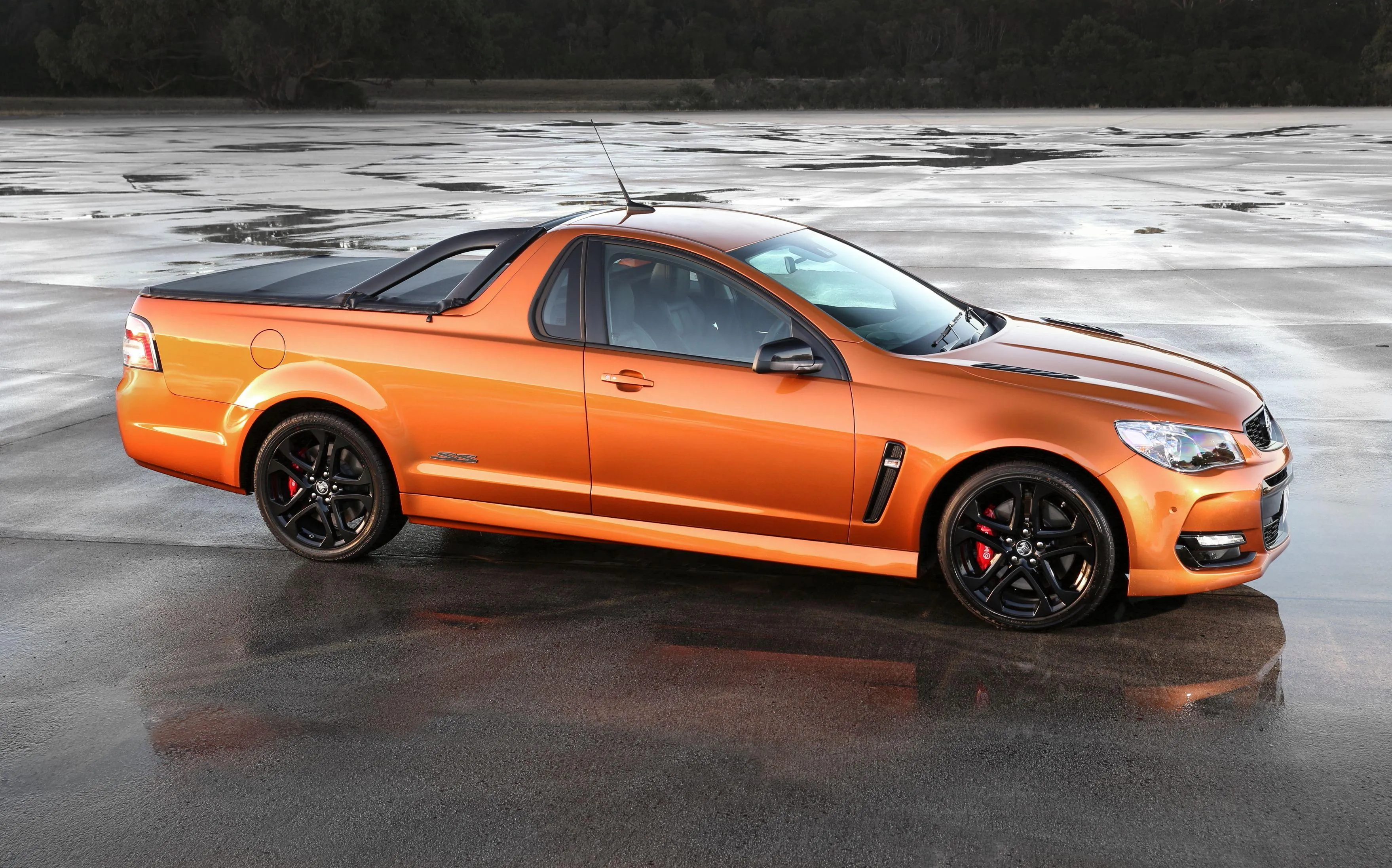
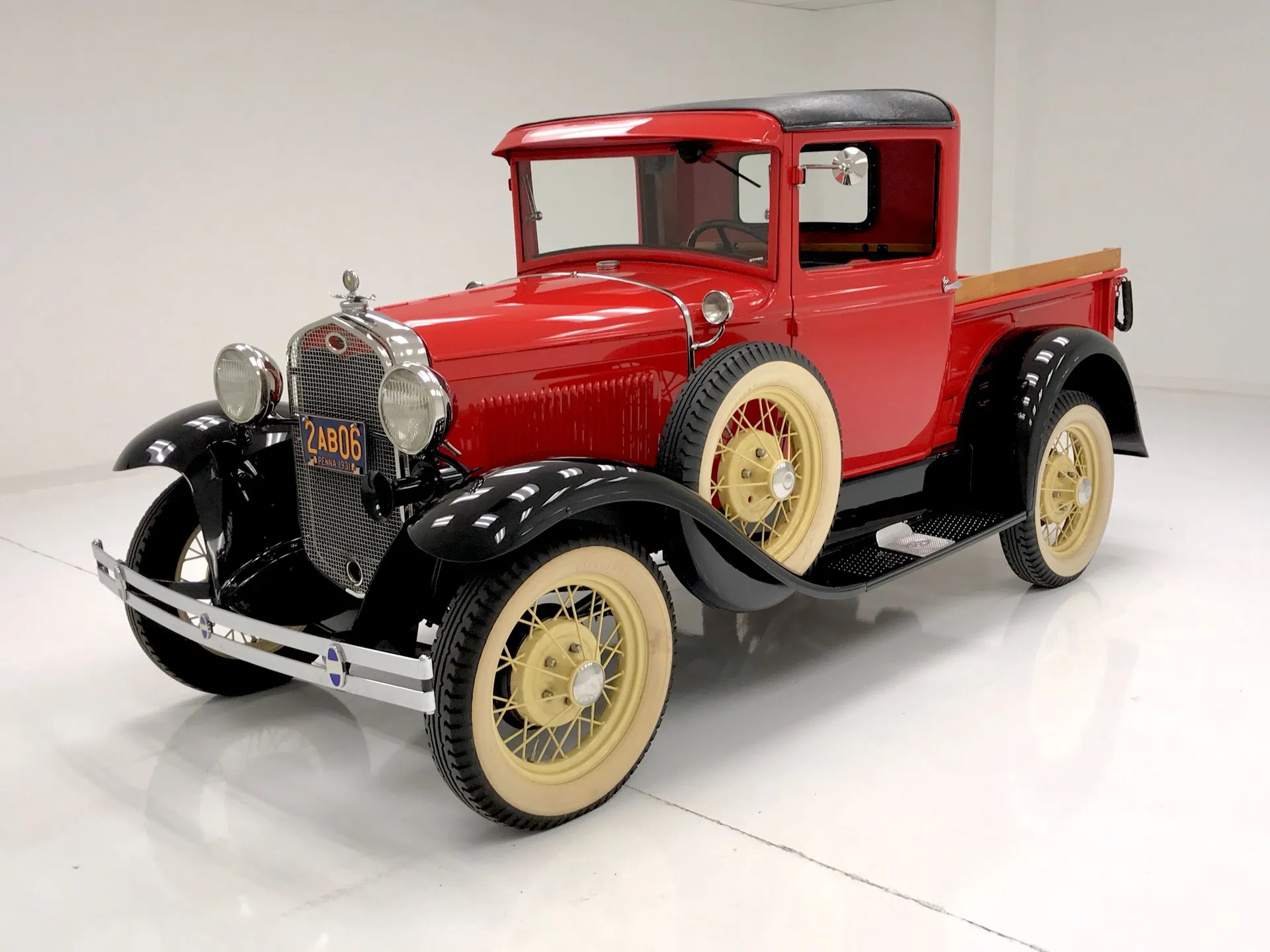
Car-based pickups actually date back to the earliest days of mass-produced automobiles. Some of the first examples were the Model T and later the 1927 Ford Model A–based pickups.
But the first true production ute is widely considered to be the 1934 Ford Coupe Utility.
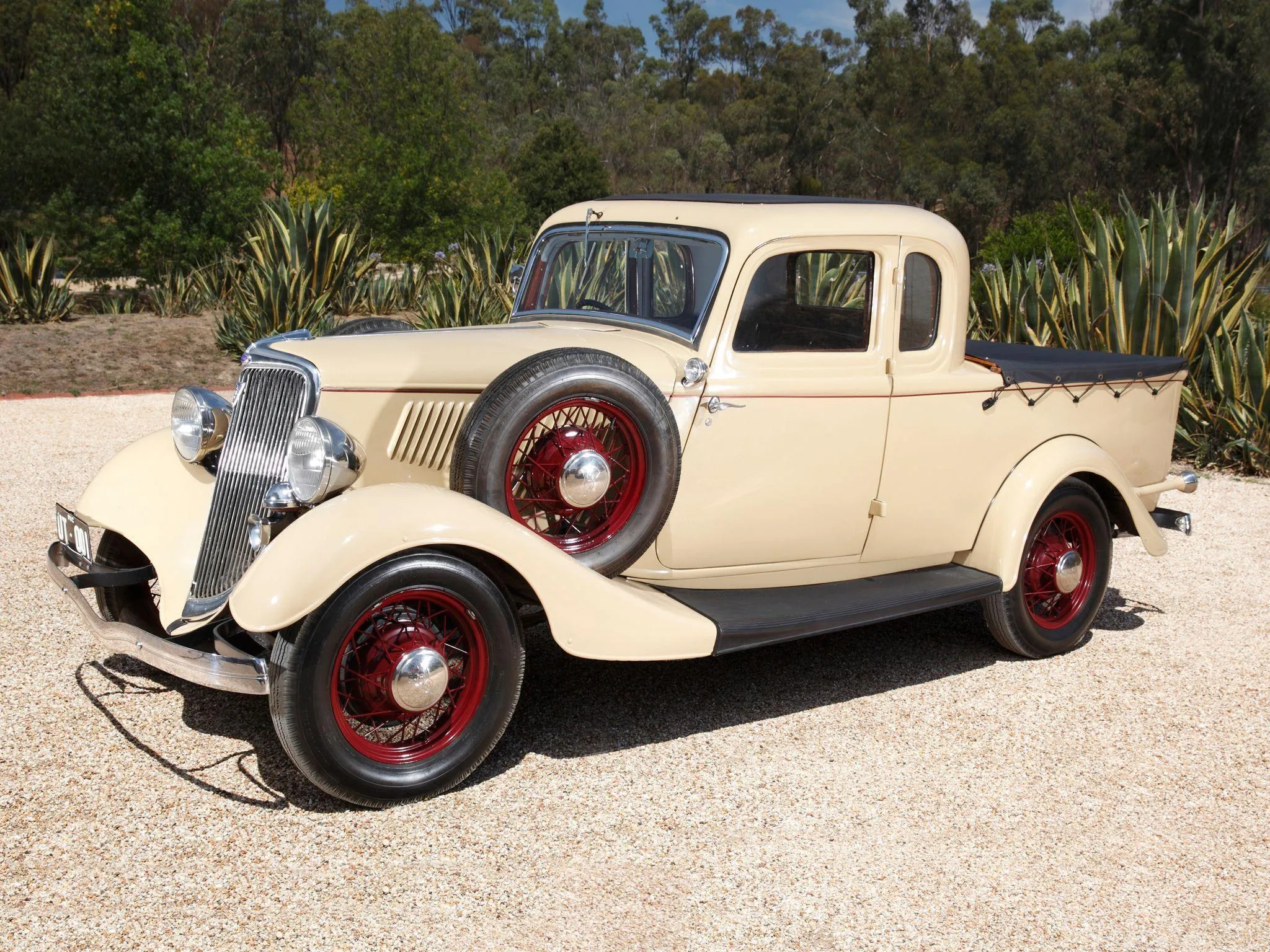
According to a popular legend, the idea was sparked by a letter sent to Ford Australia in 1932 from a farmer’s wife in Gippsland, Victoria. She supposedly asked, “Can you build us a car that we can drive to church on Sunday without getting wet, but one my husband can use to haul pigs to market on Monday?”
As these vehicles caught on, competitors jumped in — including Holden (GM’s Australian arm) and Studebaker.
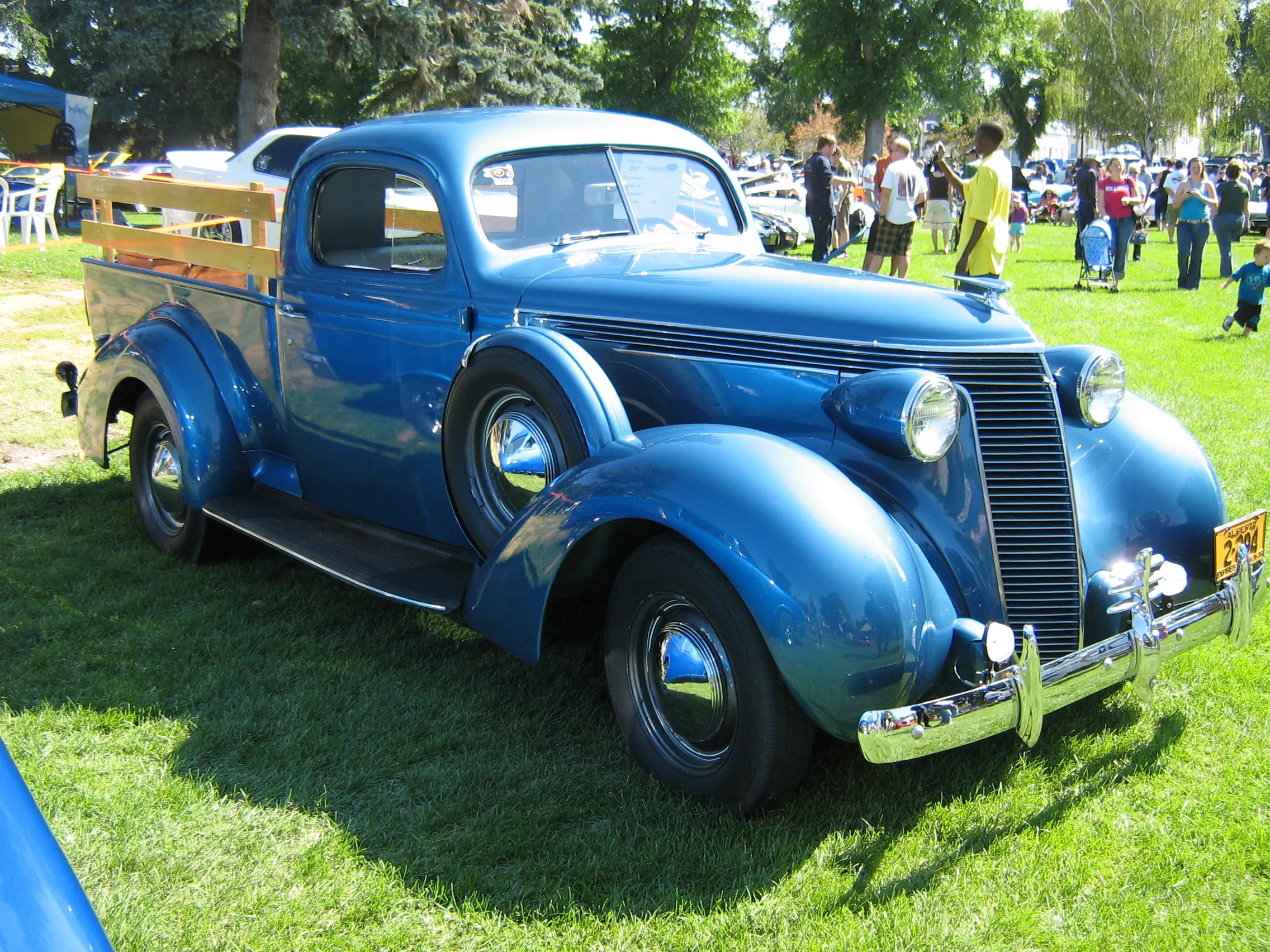
Studebaker Coupe Express
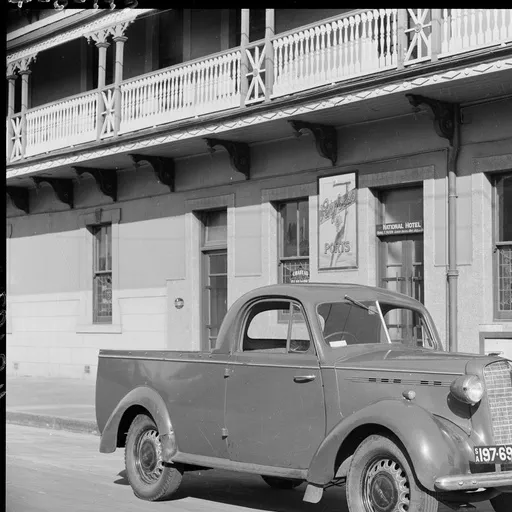
GM-Holden Bedford
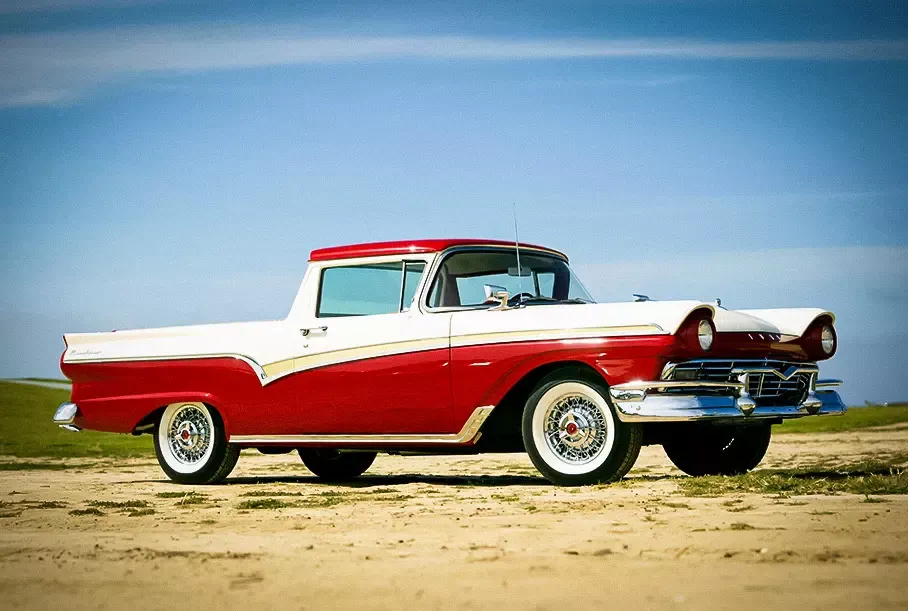
The pioneer of the class in North America is considered to be the Ford Ranchero, introduced in 1957.
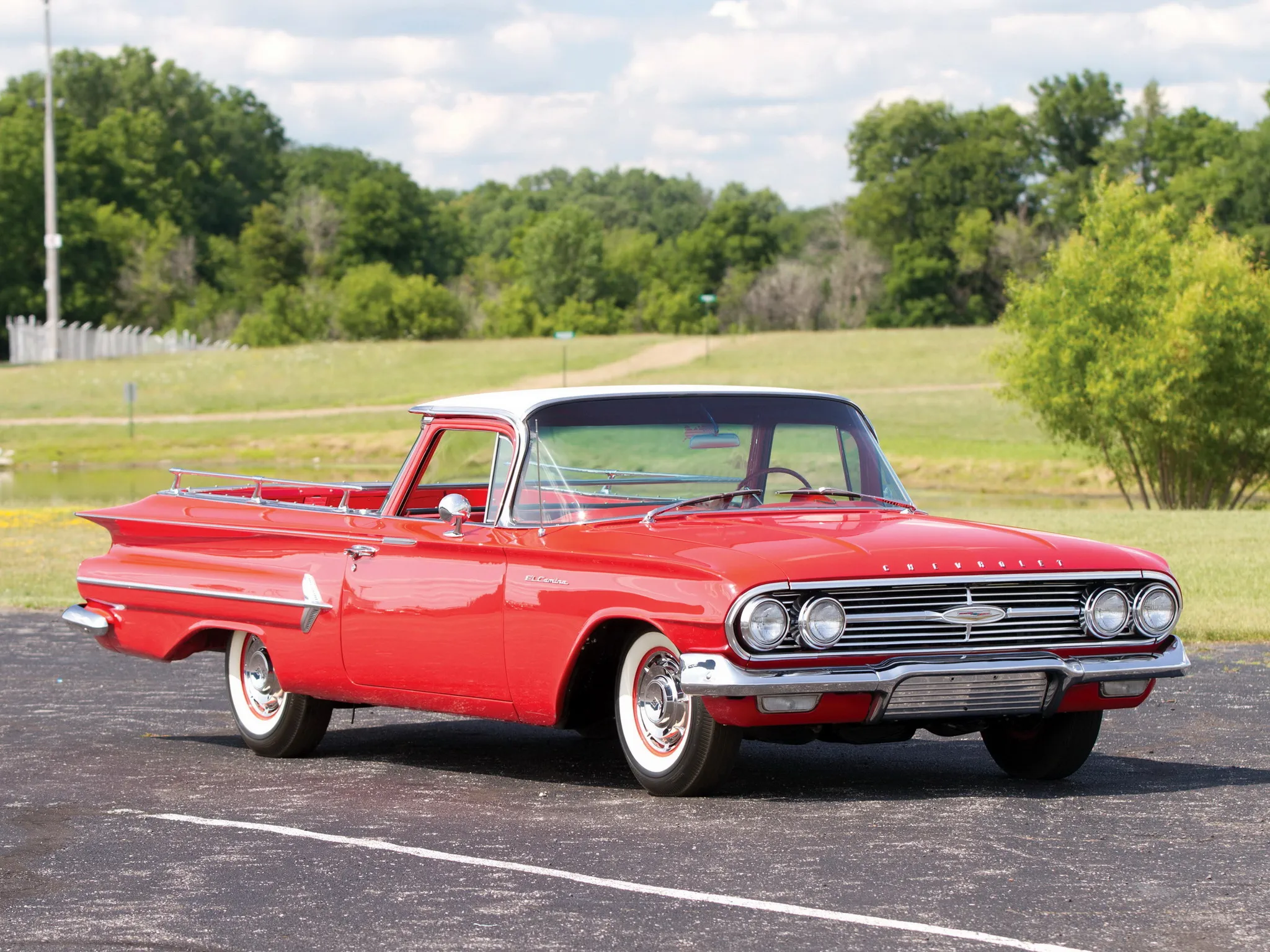
Not to be outdone, GM soon rolled out its own version: the Chevrolet El Camino.
By the mid-1960s, utes had become wildly popular in the U.S., and many even spawned performance variants. Ford’s Ranchero Cobra Jet, for example, packed more than 400 horsepower and could hit 60 mph in around six seconds.
But their American story was short-lived. The fuel crisis and the arrival of efficient Japanese cars weakened demand by the 1980s.
In Australia, however — the true home of the ute — interest never faded. Over time, they became a cultural hallmark. The biggest players for decades were the Holden Ute and the Ford Falcon Ute.
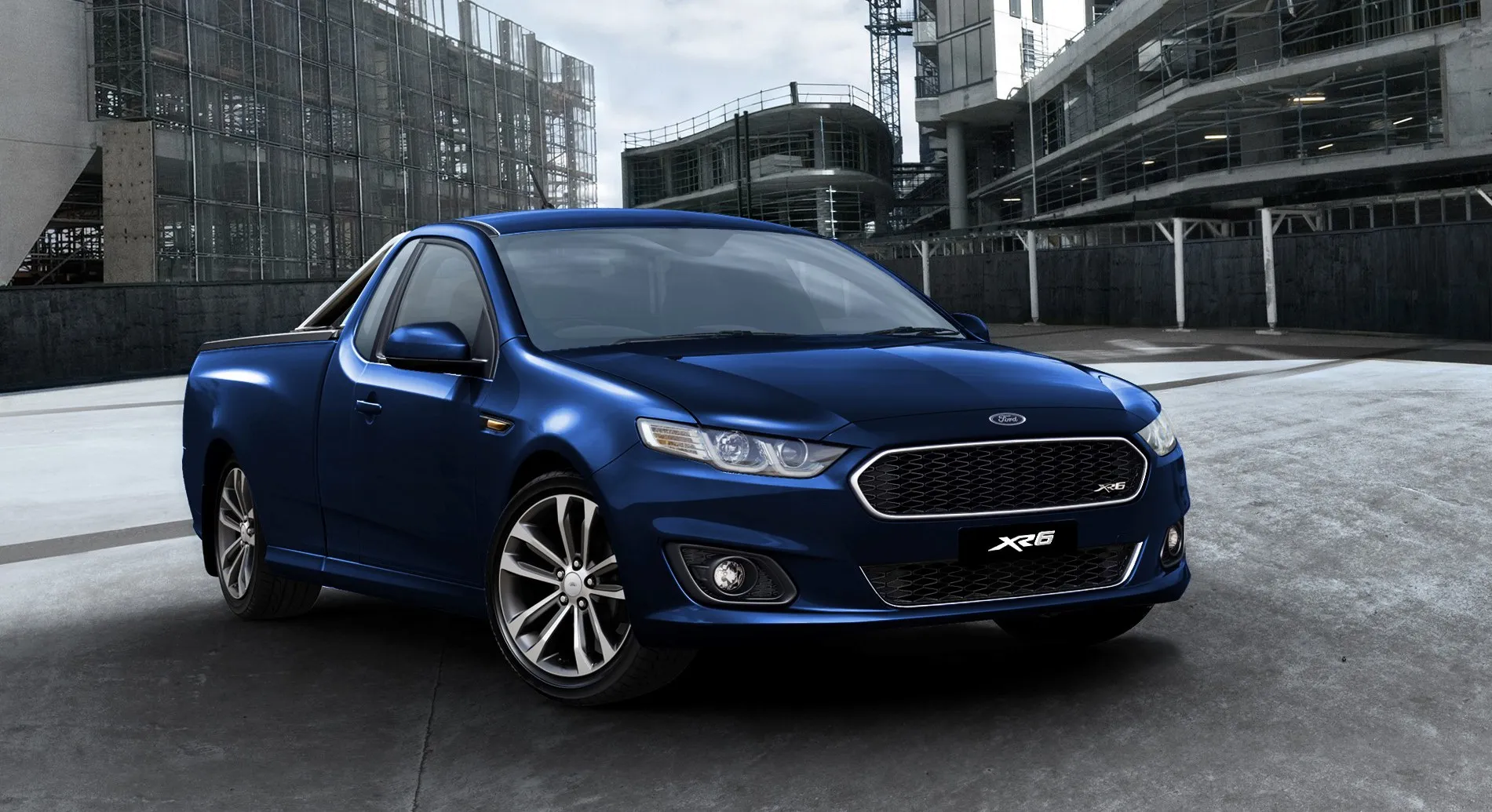
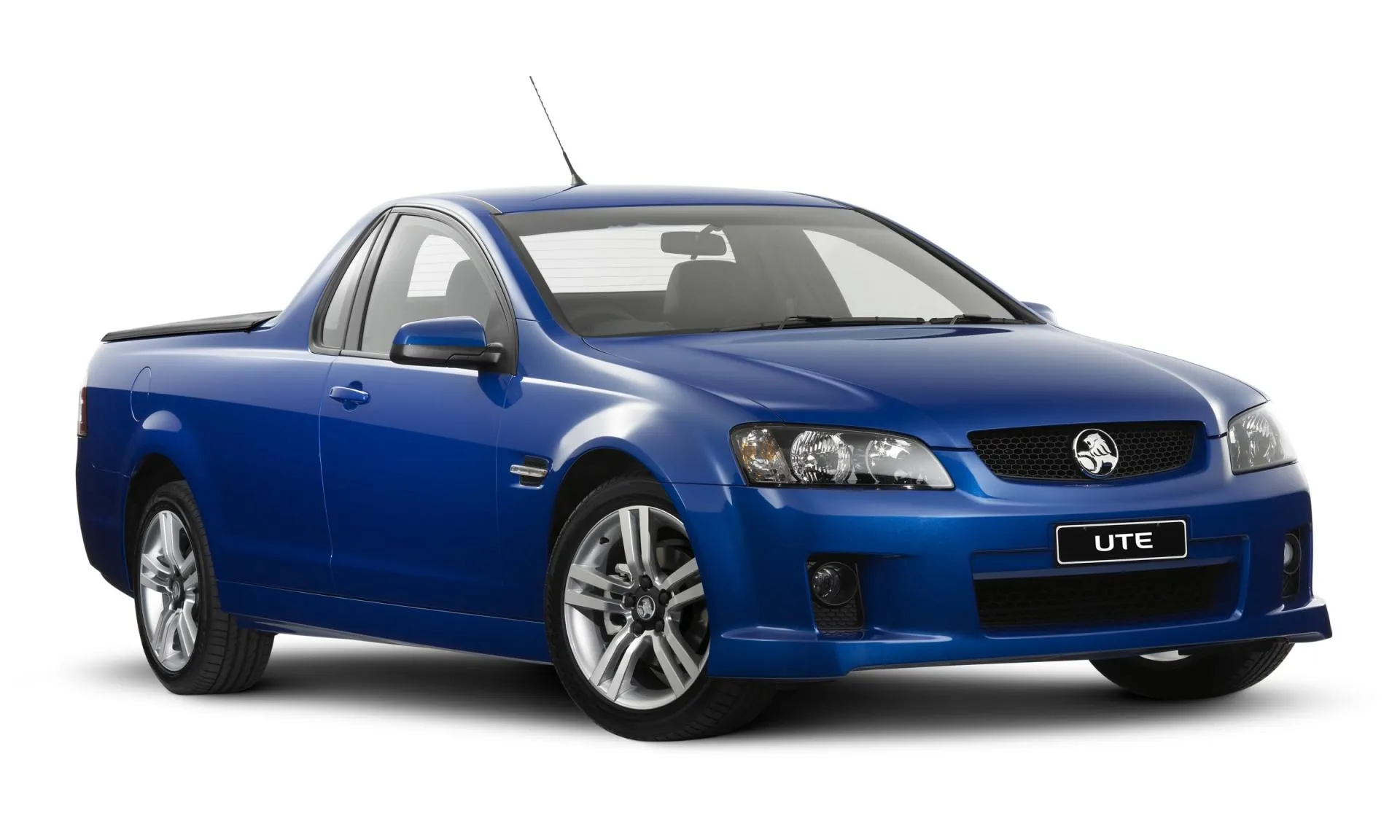
But history spares no one: Ford ended production of its model in 2016, and Holden followed a year later. Developing and maintaining a rear-wheel-drive car platform had simply become too expensive.
Another chapter in automotive history came to a close.
You may also be interested in the news:
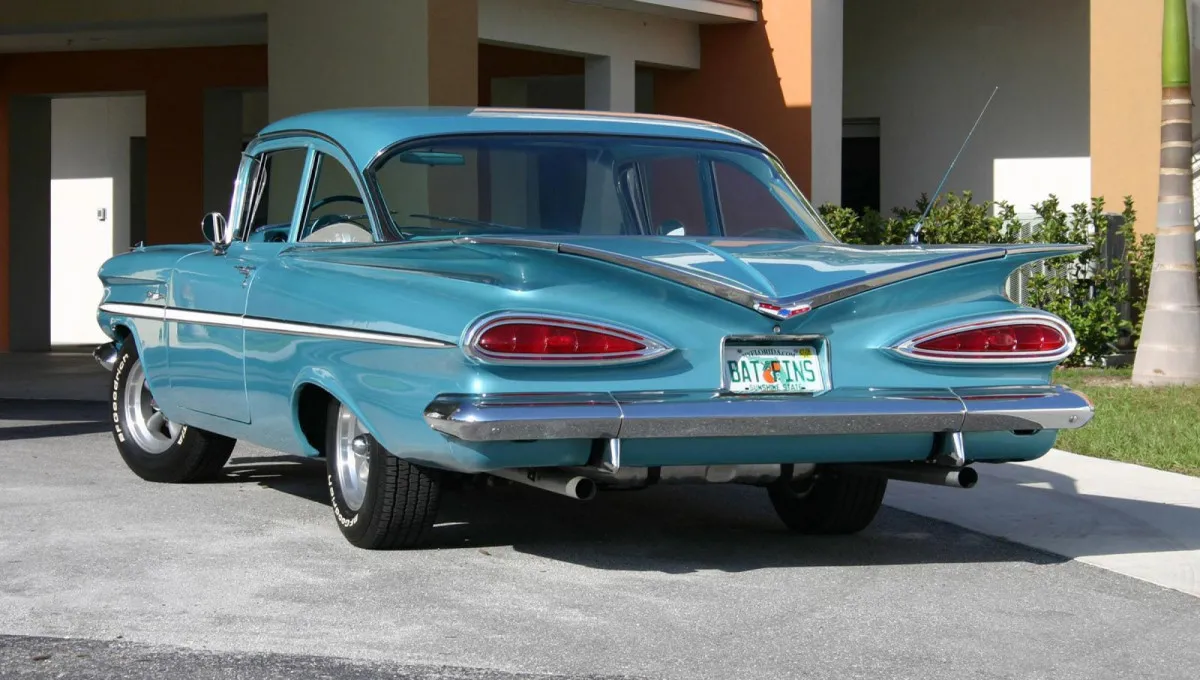
Elegance for Everyone: How Chevrolet Made Its 1960 Cars Stand Out
Chevrolet toned down its extravagant 1959 styling for 1960, bringing a more refined look to its affordable full-size cars.

Invisible Cows and a 17.3 MPH Speed Limit? 4 of America's Strangest Road Signs
From invisible cows to alien highways, these unusual American road signs turn ordinary drives into unforgettable roadside surprises.
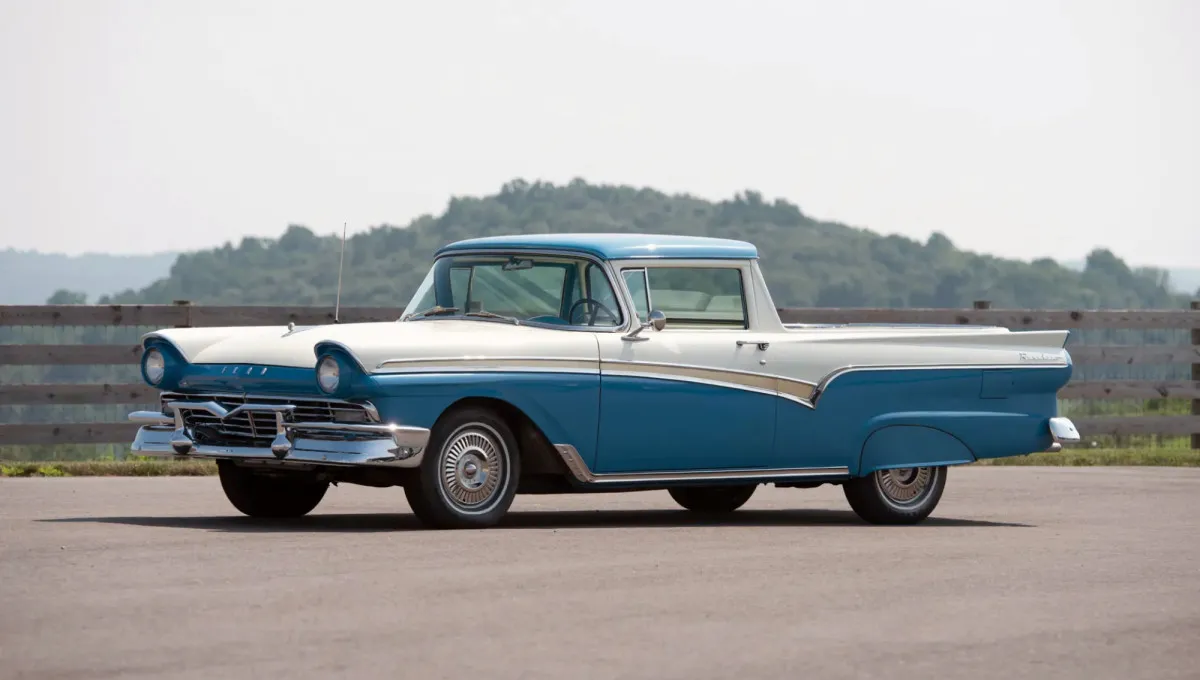
More Than a Car! More Than a Truck! The 1957 Ford Ranchero
The 1957 Ford Ranchero launched a new kind of American vehicle, blending passenger-car styling with pickup-truck utility years before the segment took off.

Solving the Mystery of the Audi Nuvolari’s Massive Fuel Door Button
Audi’s striking Nuvolari supercar has an unusually large fuel door button, and its placement may reveal an unexpected connection.

Tow Truck Driver Reveals a Hidden Car Feature That Could Save Your Life in an Emergency
A professional tow truck driver revealed a little-known feature that can help drivers move a disabled vehicle to safety.