What the Colored Dots and Stripes on New Tires Actually Mean
All those numbers, letters, and markings—they all have a purpose.

Picking out new tires for your car can feel almost like learning a new science. There are numbers, letters, and symbols on every tire, each with its own meaning. But the little details don’t stop there. New tires often come with colored dots and stripes, and they’re not just decorative. So, what do they actually mean? Let’s break it down.
What the stripes are for
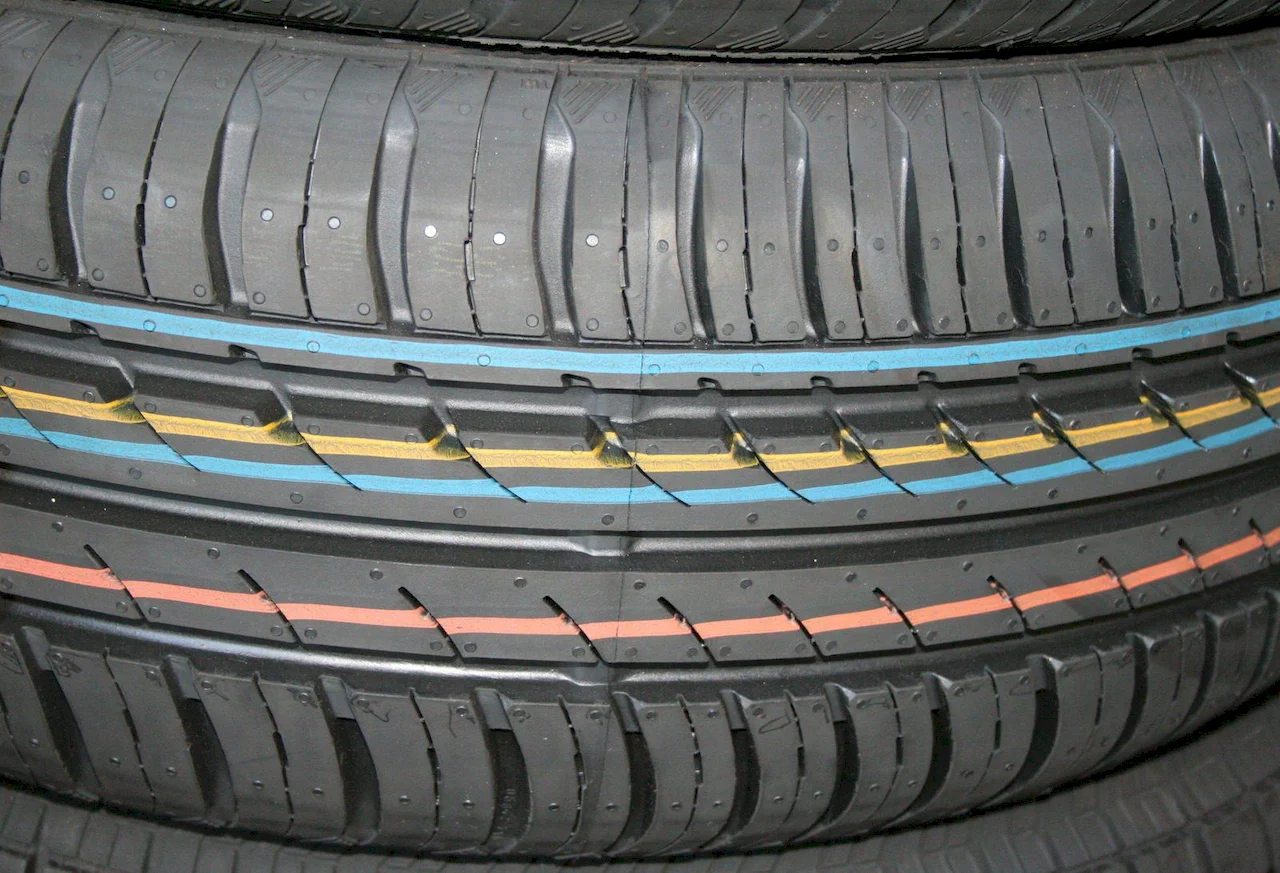
The stripes on tires are actually pretty simple—and honestly, a bit boring. They don’t carry any useful information for everyday drivers (except maybe signaling that the tire is brand new). They’re basically useless for people working on cars.
Most of the time, these stripes are red or white. They exist mainly for warehouse and distribution staff. Stripes make it easy to identify tire sizes at a glance. Tires are typically stored standing up and pressed together, so the sidewalls aren’t visible. A stripe across the tread helps workers quickly see what size the tire is without having to move it around.
What the dots are for
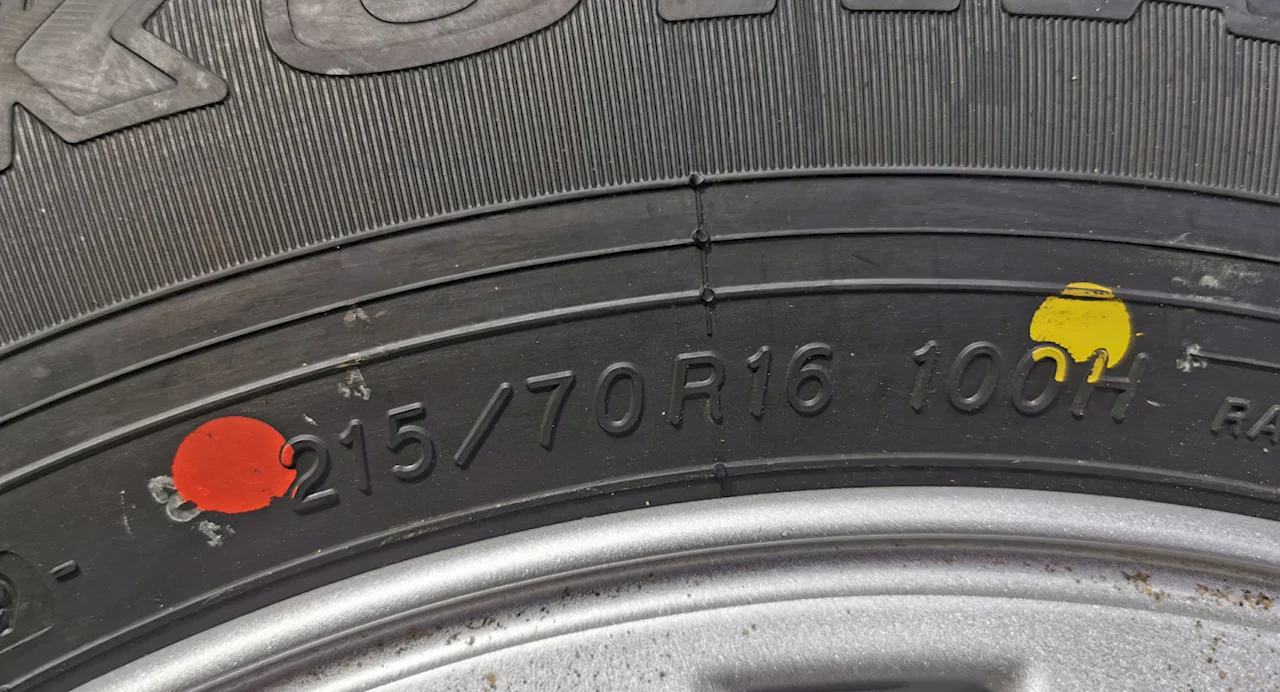
Dots on tires serve a completely different purpose. They can actually be quite useful for drivers. These dots—usually yellow or white—mark the tire’s lightest spot. This is important when mounting and balancing the tire. The goal is to line up the dot with the valve stem, which can make balancing much faster and easier.
Tire technicians will tell you it’s not a perfect system—real-world balancing often requires some adjustment—but in general, it does help.
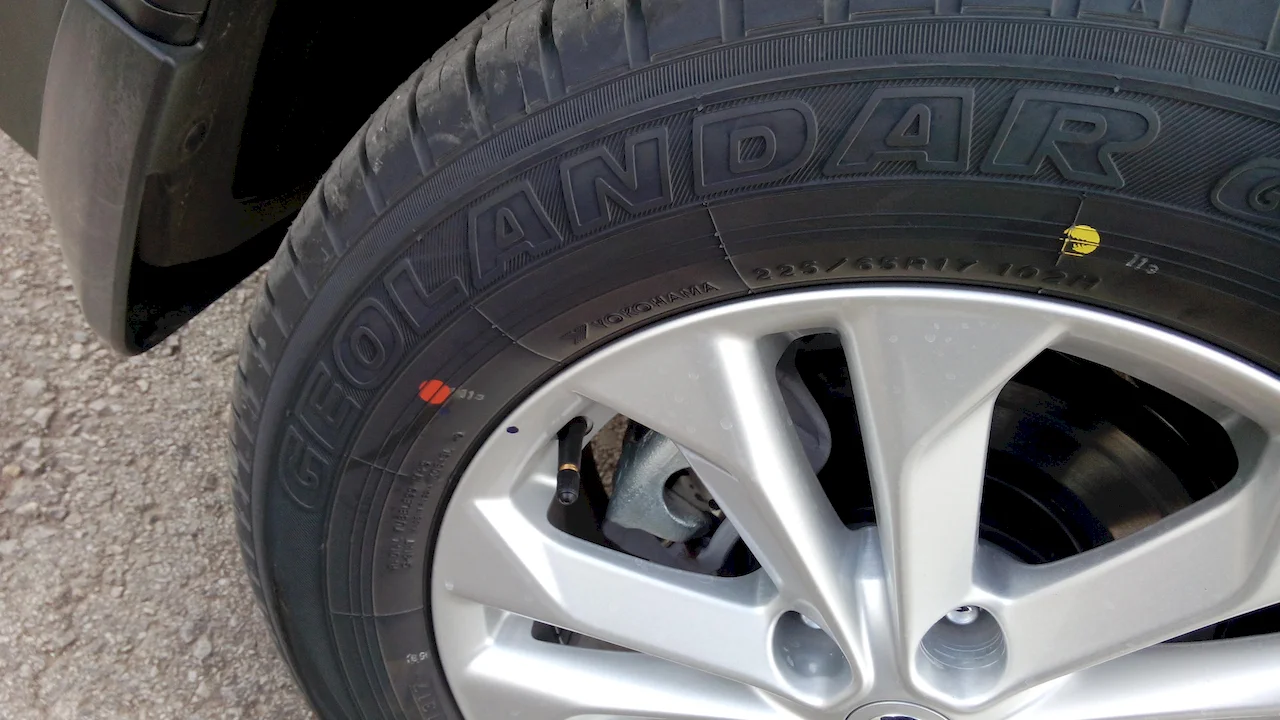
In addition to yellow and white dots, you may also see red marks on a tire. These indicate the heaviest spot on the tire and are also used to help with proper mounting and balancing of the wheel.
You may also be interested in the news:
Not Ford, BMW or Audi: Mechanic Names the Car Brand That Almost Never Breaks Down
Auto repair professionals reveal which models rarely suffer major failures and which ones repeatedly end up on the lift.
What Does a Flashing Red Traffic Light Mean? Can You Keep Driving?
Drivers must come to a complete stop at the stop line before deciding whether it is safe to proceed.
Why You Should Check a Tire’s Manufacturing Date Before Buying
Tire buyers should check more than size, tread, and brand because rubber changes with age, even without visible wear.
Four Car Features Modern Drivers Are Starting to Miss
New cars keep adding technology, but some simple features that drivers once relied on are disappearing.