The Language of the Road: Why Lane Markings Come in Different Colors Around the World
Let’s break down why different colors are used on road markings—and how their meanings vary from country to country—without diving into the fine print of traffic laws.
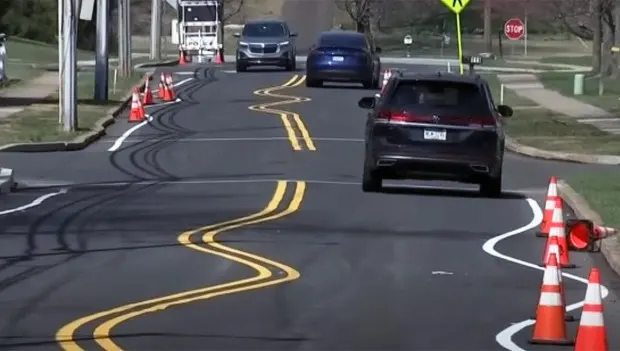
Road markings are one of those details drivers tend to notice only when they look different from the familiar white lines. Across much of the world, especially in Europe, the most common colors are white, yellow, blue, and orange.
Each of them serves a specific purpose. Here’s a simple look at why those colors are used and how their meanings change depending on where you’re driving.
Europe
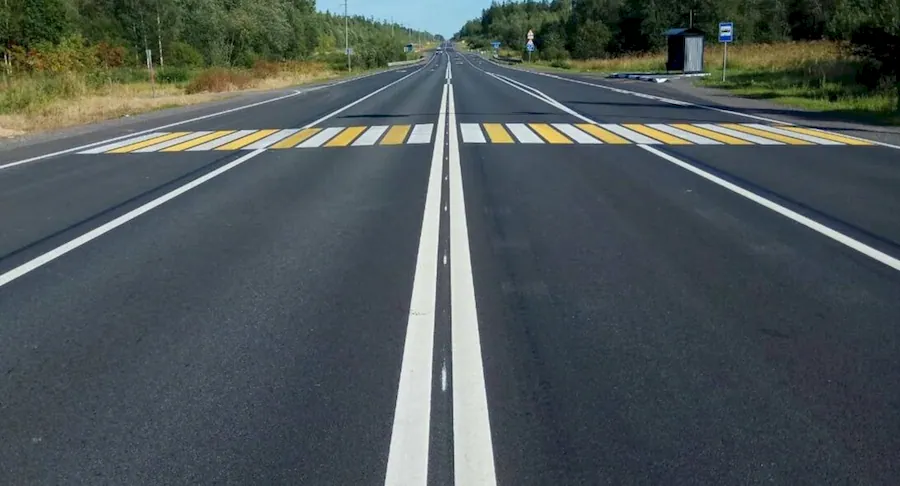
While every country has its own standards, most European nations follow a broadly similar approach. White is the primary color for permanent road markings. It’s used to separate lanes, mark solid and dashed lines, and highlight crosswalks.
Yellow appears less frequently and is usually tied to restrictions, most often indicating no stopping or no parking zones. These markings are typically painted along curbs or on the edge of the roadway, though yellow can also be used for other special warnings.
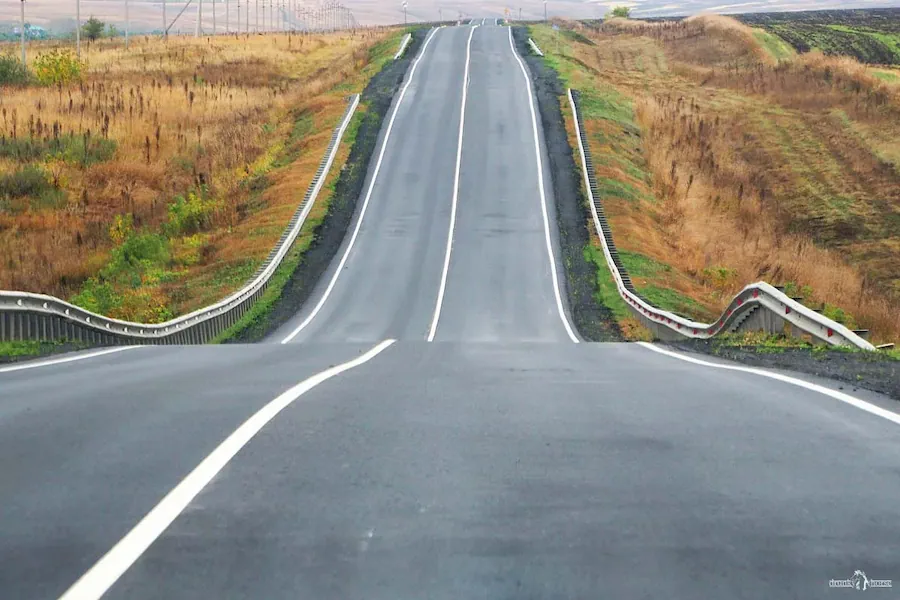
Blue is commonly associated with paid parking areas, signaling that parking is allowed but only under certain conditions.
Orange or red markings are reserved for temporary situations, such as construction zones or roadwork. These temporary lines take priority over the standard white markings and are meant to guide drivers safely through changing conditions.
The United States and Canada
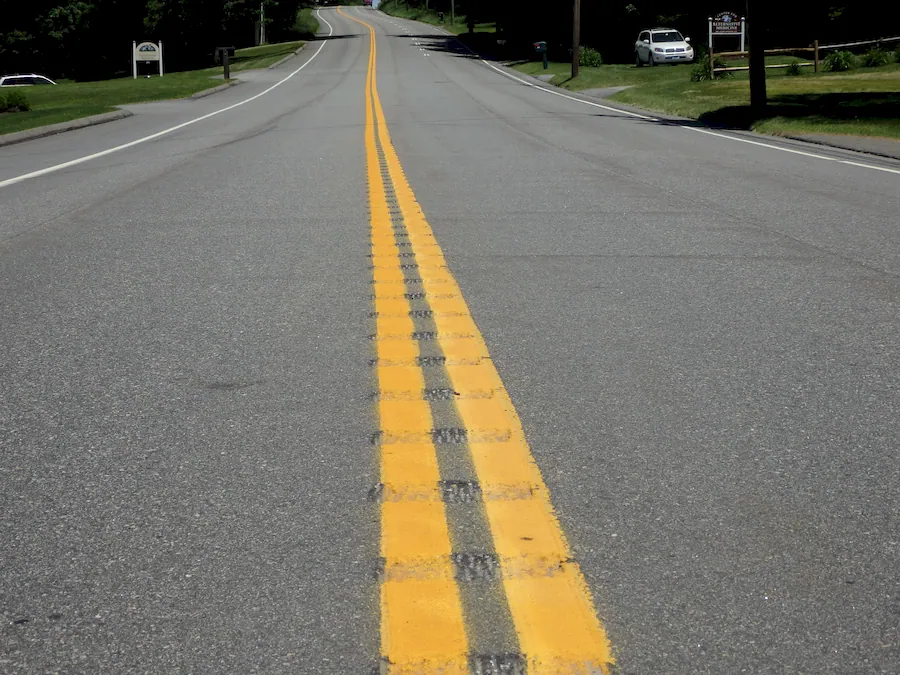
In the U.S. and Canada, the system looks similar at first glance but works very differently in practice.
White lines are used to separate lanes moving in the same direction, mark the edge of the roadway, and outline pedestrian crossings.
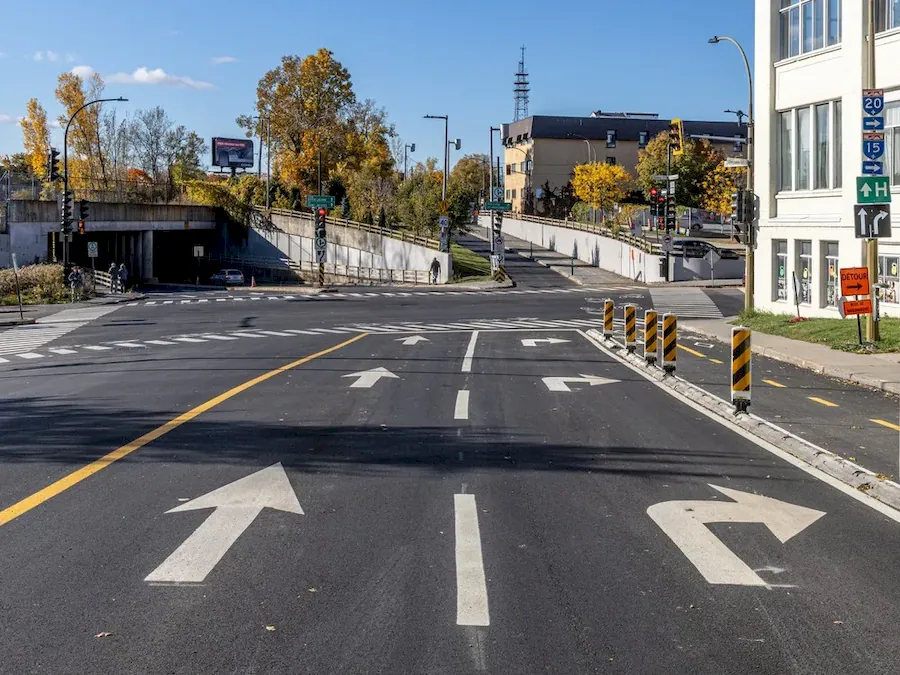
Yellow, on the other hand, divides traffic moving in opposite directions and typically marks the left edge of the road. Yellow is also used to indicate certain restrictions, including no-parking zones.
Red markings are less common but usually signal areas where stopping or parking is strictly prohibited. Drivers often see red curbs near fire hydrants or emergency access points.
Blue is reserved for parking spaces designated for drivers with disabilities.
Asia and Australia
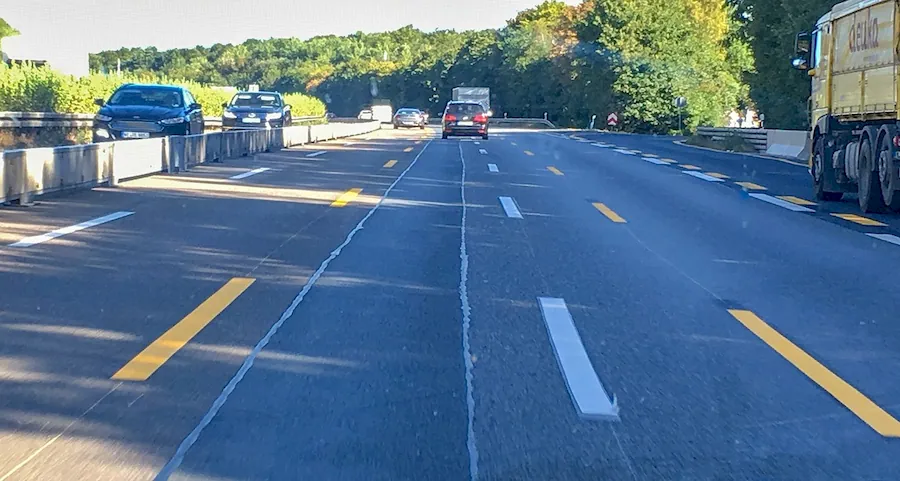
Many countries in Asia and Australia largely follow European-style conventions, with white serving as the main color for permanent markings. That said, some countries add their own twists.
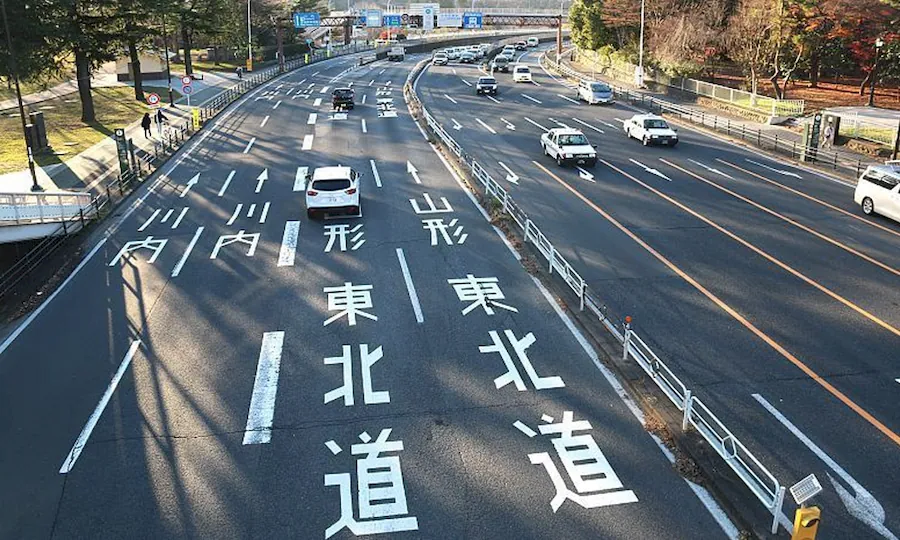
In Israel, South Korea, and Japan, for example, unique color combinations are used. In Israel, certain restrictions may be marked with white lines or red-and-white patterns, depending on the situation.
Why It Matters
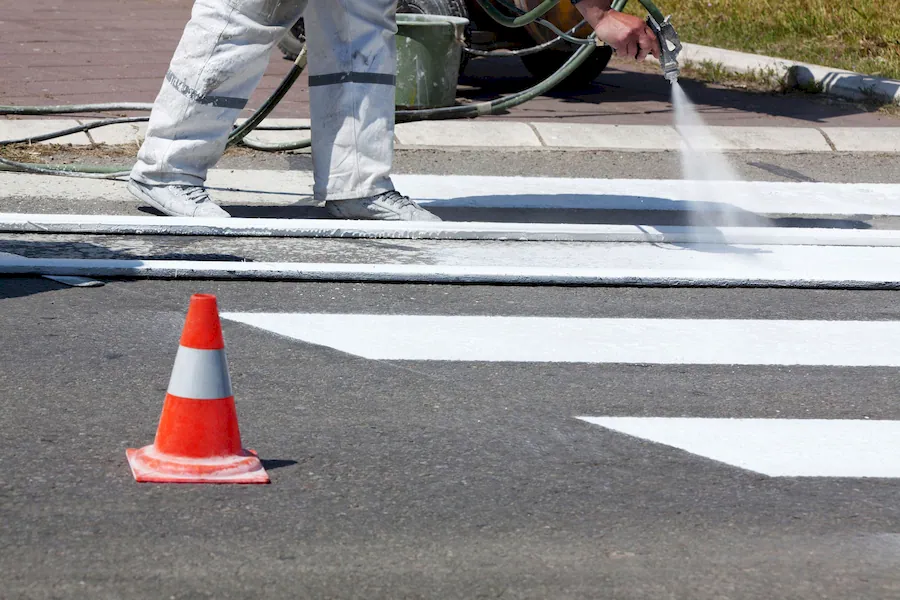
If you’re planning to drive abroad, it’s important to look beyond basic traffic rules and understand what road colors mean in your destination country. A marking that signals roadwork in one place might warn of oncoming traffic in another.
Knowing how to “read” the road doesn’t just help you avoid tickets—it can make driving in unfamiliar territory safer, calmer, and far more predictable for everyone involved.
You may also be interested in the news:

Not Ford, BMW or Audi: Mechanic Names the Car Brand That Almost Never Breaks Down
Auto repair professionals reveal which models rarely suffer major failures and which ones repeatedly end up on the lift.
What Does a Flashing Red Traffic Light Mean? Can You Keep Driving?
Drivers must come to a complete stop at the stop line before deciding whether it is safe to proceed.
Why You Should Check a Tire’s Manufacturing Date Before Buying
Tire buyers should check more than size, tread, and brand because rubber changes with age, even without visible wear.

Four Car Features Modern Drivers Are Starting to Miss
New cars keep adding technology, but some simple features that drivers once relied on are disappearing.