
Why Windshield Wipers Fail — and What You Can Fix Yourself
Windshield wipers may seem like a minor component, but they play a major role in road safety by keeping the driver’s view clear in rain, snow, and slush.
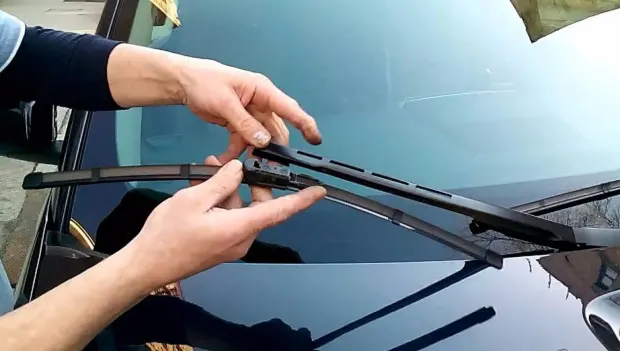
Windshield wipers are one of those small parts that make a big difference. By keeping the glass clean, they directly affect visibility and, ultimately, driving safety. Most repair shops treat wiper blades as consumables, with an average lifespan of four to six months. Still, understanding why wipers fail can help you extend their life and avoid unnecessary replacements.
When drivers talk about “wipers,” they usually mean the narrow rubber blades mounted on the front — and sometimes rear — windows of a vehicle. Their job is simple: clear away rain, snow, dirt, and road grime so the driver can see the road in poor weather.
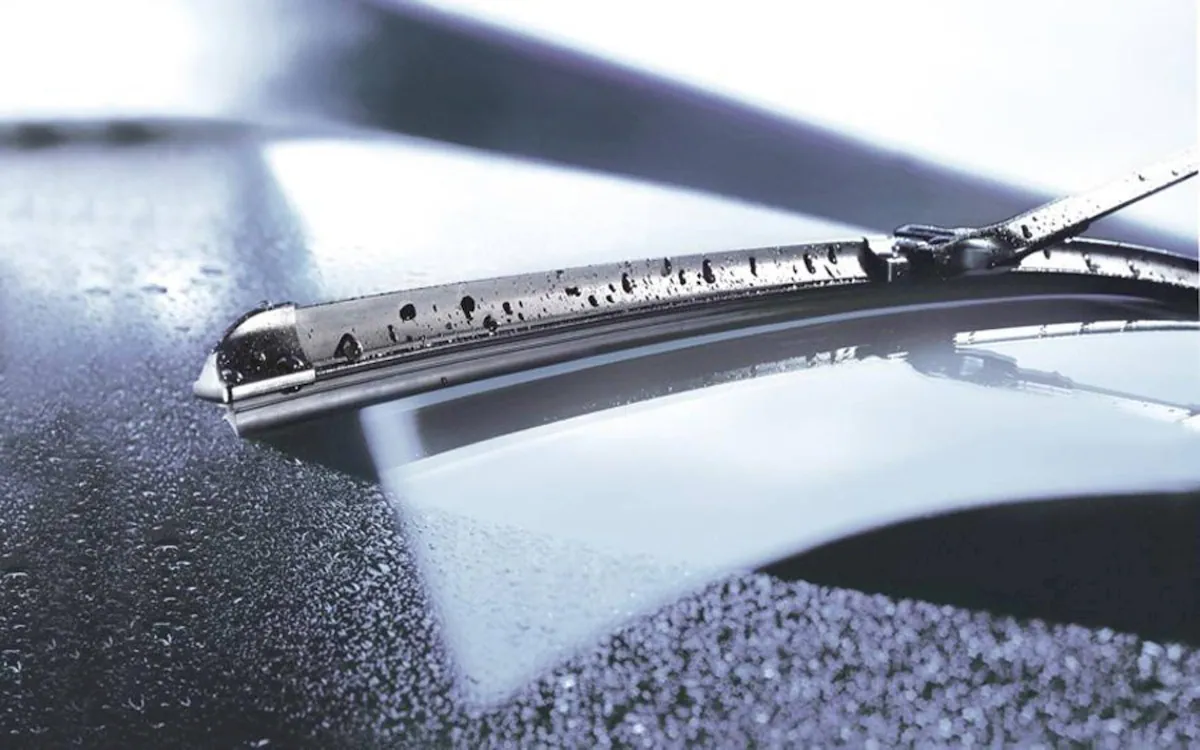
Modern wiper systems can operate in several modes, switched via a linkage mechanism and an electric drive. Many newer cars are also equipped with rain sensors that automatically activate the wipers based on weather conditions.
Like all electrical systems in a car, the wipers are protected by a fuse. That fuse is designed to burn out if the system is overloaded. Most of the time, this happens because of improper use rather than a defect.
A common example is turning on the wipers in freezing weather before the car has warmed up. If the blades are frozen to the windshield, the motor is forced to work under excessive load, and the fuse can fail almost instantly.
The fix here is straightforward: replace the blown fuse and be more careful going forward. Before turning the wipers on in winter, it’s a good idea to lift the blades by hand to make sure they aren’t stuck to the glass. Letting the windshield warm up first can also prevent problems.
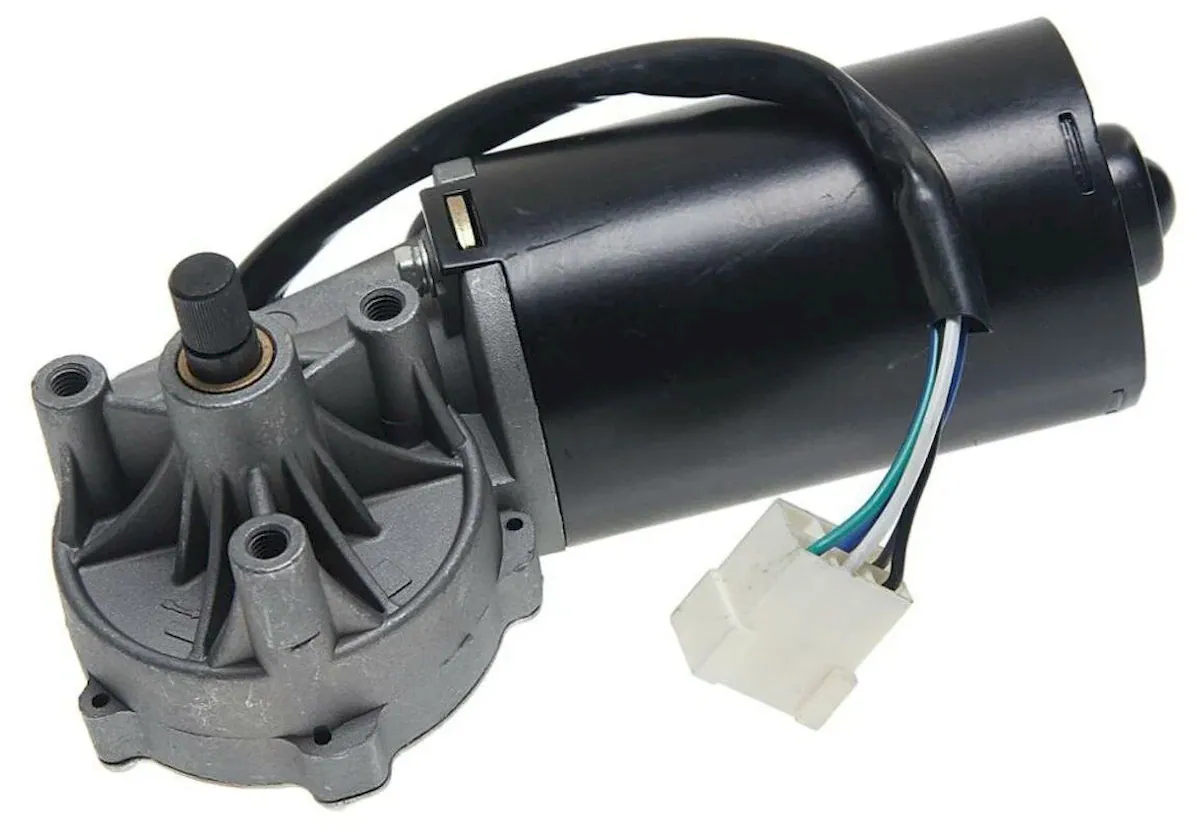
The wiper motor itself is another potential trouble spot. Over time, wear, overheating, or long-term use without maintenance can cause it to fail. A clear sign of a dead motor is a complete lack of response when power is applied — no movement and no sound. In this case, the only real solution is replacing the motor.
Structurally, the wiper mechanism resembles a trapezoid made up of arms and joints that transfer motion from the motor to the blades. If one of these joints fails, the system becomes unstable or stops working altogether.
This usually happens due to natural wear of bushings and joints, which eventually loosen or break. In some cases, a driver can fix the issue by tightening nuts or replacing small fasteners. That said, technicians often recommend replacing the entire linkage assembly to ensure reliable operation.
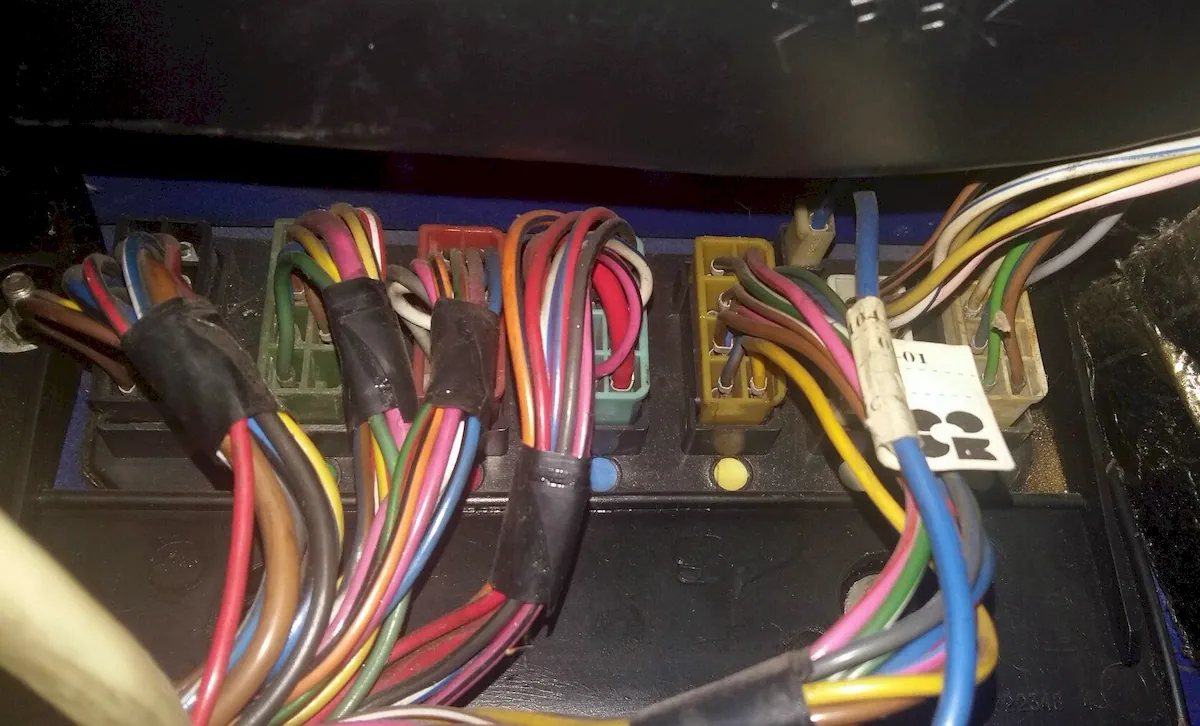
Electrical issues can also prevent the wipers from working properly. Oxidized wires, loose connections, or breaks in the circuit are common causes, especially where wiring passes through seals or grommets.
A multimeter can help track down wiring problems by checking continuity section by section. Once the faulty spot is found, that section can be repaired or replaced. However, specialists generally advise leaving electrical repairs to professionals unless you’re confident in your skills.
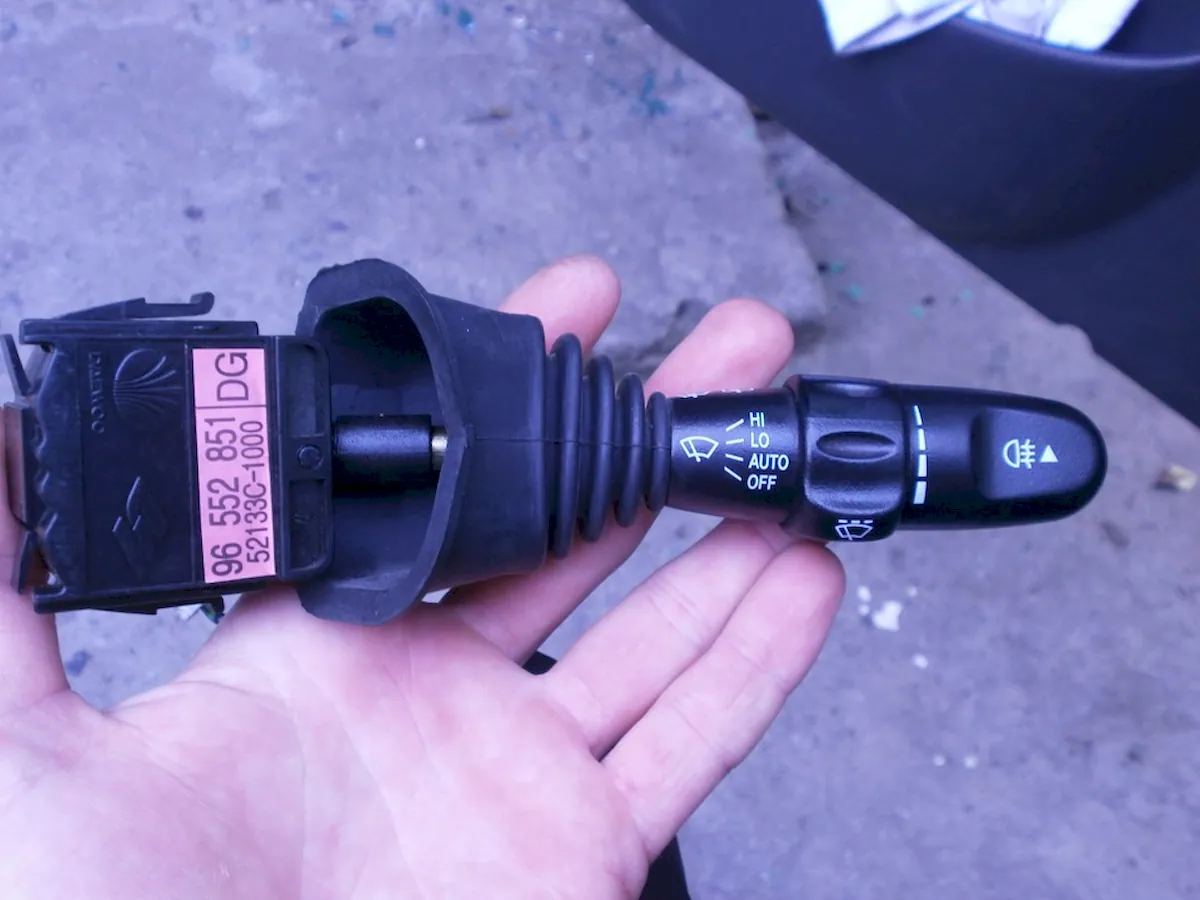
Another possible culprit is the wiper control switch. It can fail due to mechanical damage or poor electrical contact. Replacing the switch usually solves the problem, and in many cars this is a task even a beginner can handle with basic tools.
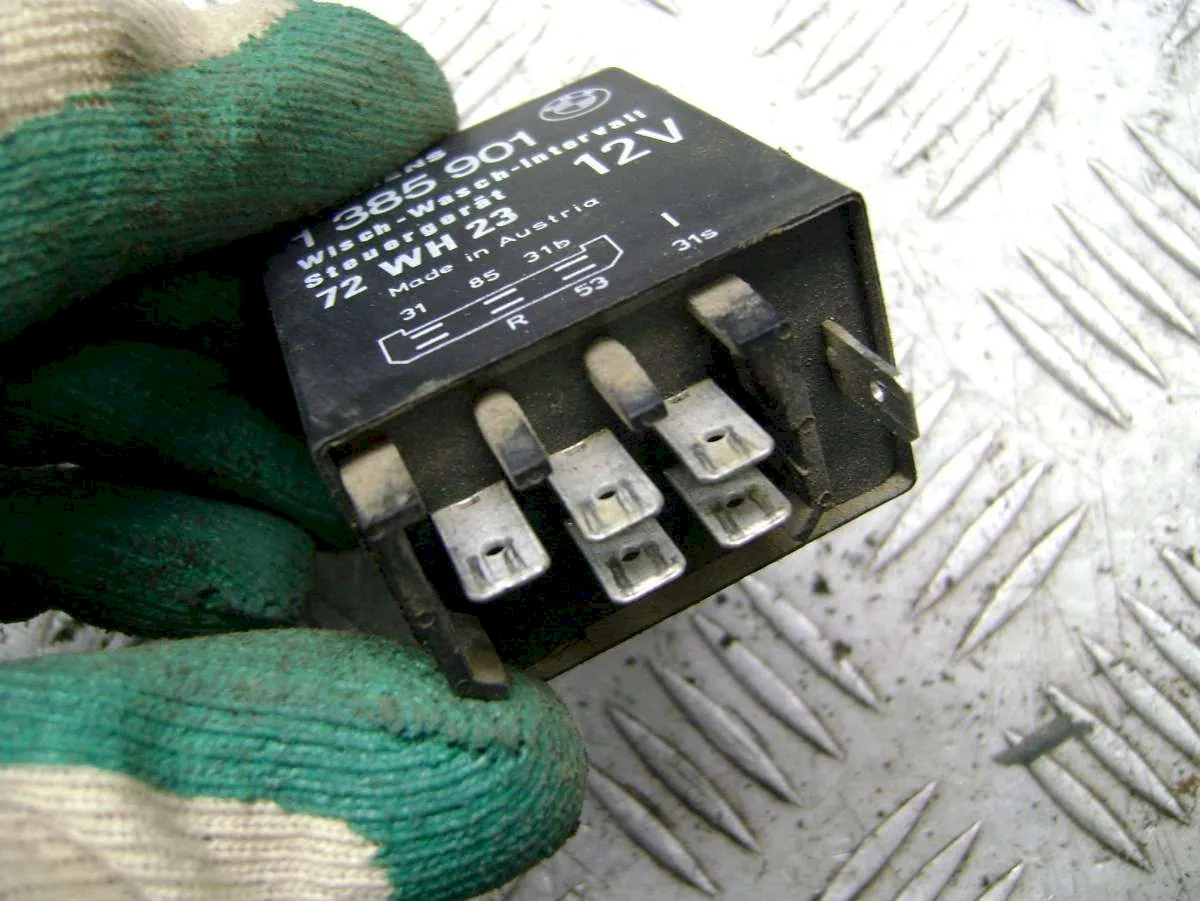
The wiper system also relies on a relay to start the blades and control their operating modes. If the relay fails, the wipers may not turn on at all, work intermittently, or get stuck mid-sweep. Swapping in a new relay is typically quick and doesn’t require a trip to the repair shop.
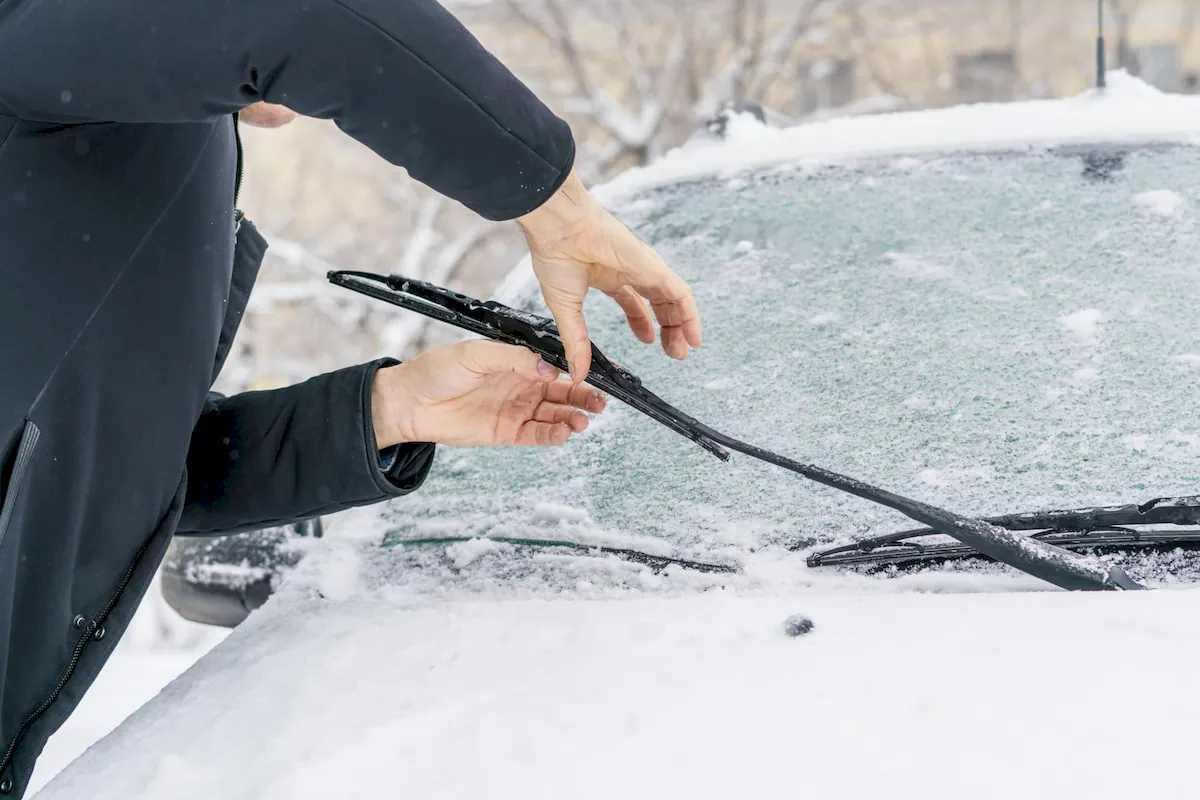
Finally, the blades themselves are often the root of the issue — especially in winter. Cold temperatures cause rubber to stiffen and crack, while dirt buildup leads to uneven movement and streaks on the glass. When that happens, replacement is the only real fix.
Experts recommend switching to winter-specific wiper blades made from frost-resistant rubber during cold months. They last longer and perform better in harsh conditions, helping keep your windshield clear when it matters most.
You may also be interested in the news:
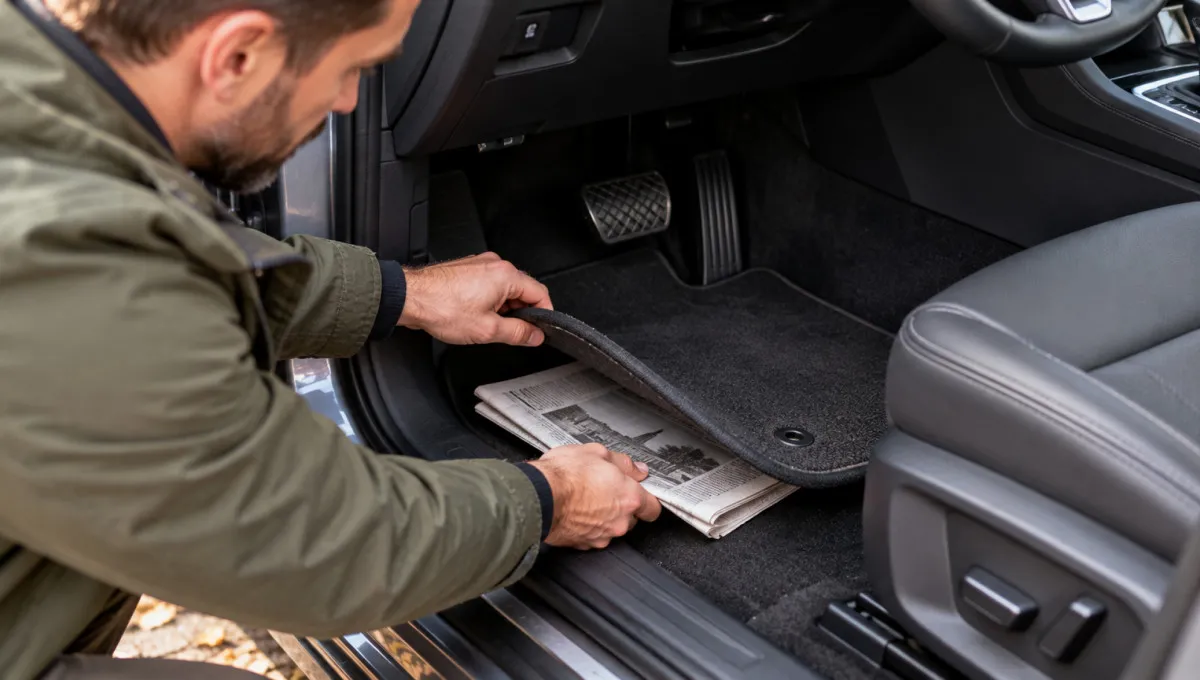
When the First Freeze Hits, Put Newspaper Under Your Floor Mat: An Old Winter Driving Trick
Newspaper under a floor mat can help protect a car's floor from winter moisture, but it requires regular attention.
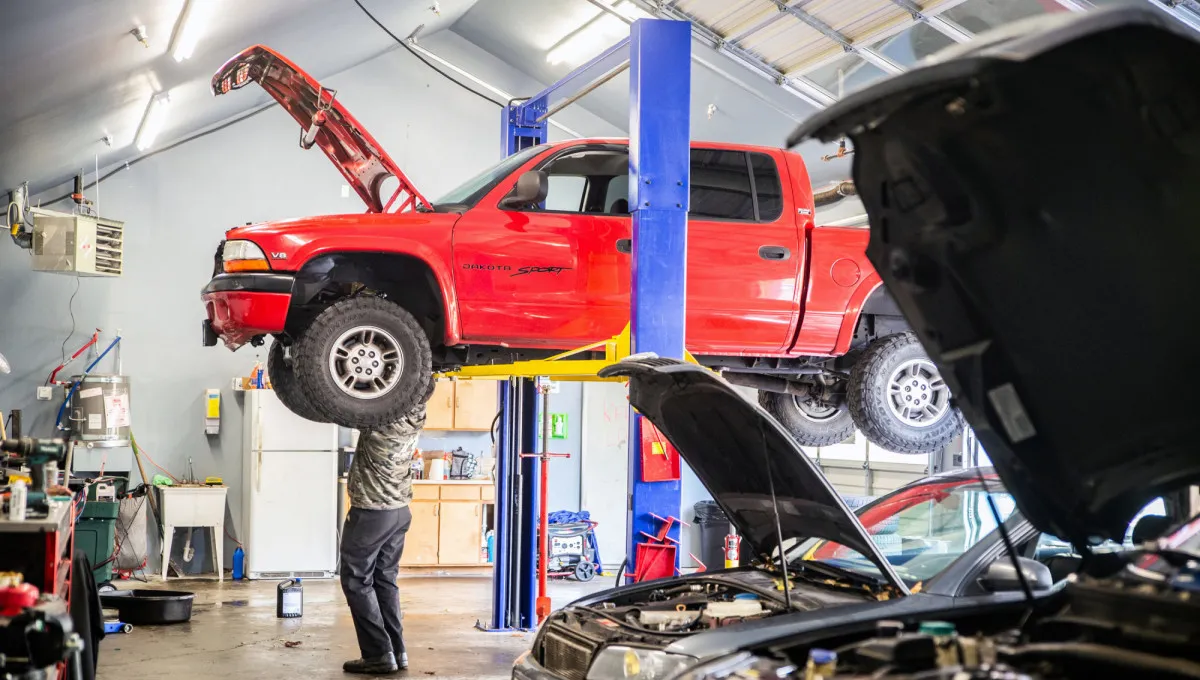
How a Repair Shop Can Overcharge You: What Every Driver Should Know
An experienced mechanic knows how to increase a repair bill, and drivers should know what to watch for before approving work.
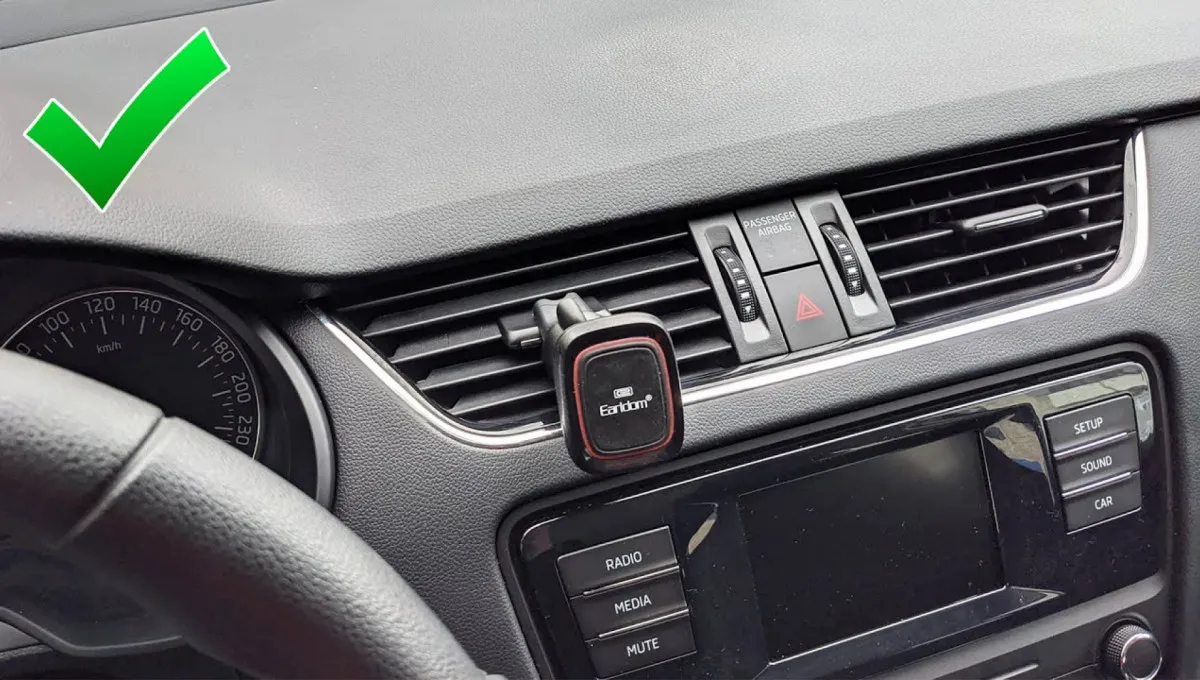
How to Find the Source of a Car Interior Rattle in 15 Minutes
A simple trick can help drivers pinpoint an annoying interior rattle without taking apart half the cabin or visiting a repair shop.
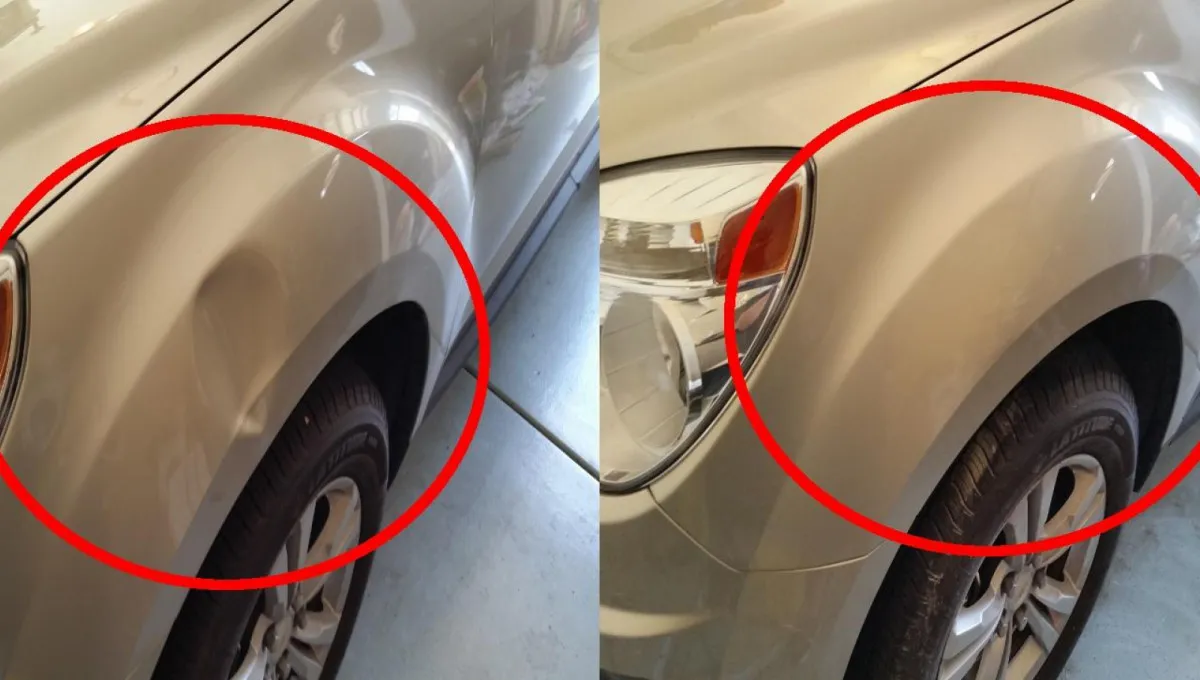
The Dent Can Disappear Without a Trace: How to Repair Car Body Damage Without Paint
Paintless dent repair can restore a damaged panel to its original shape, but only when certain conditions are met.
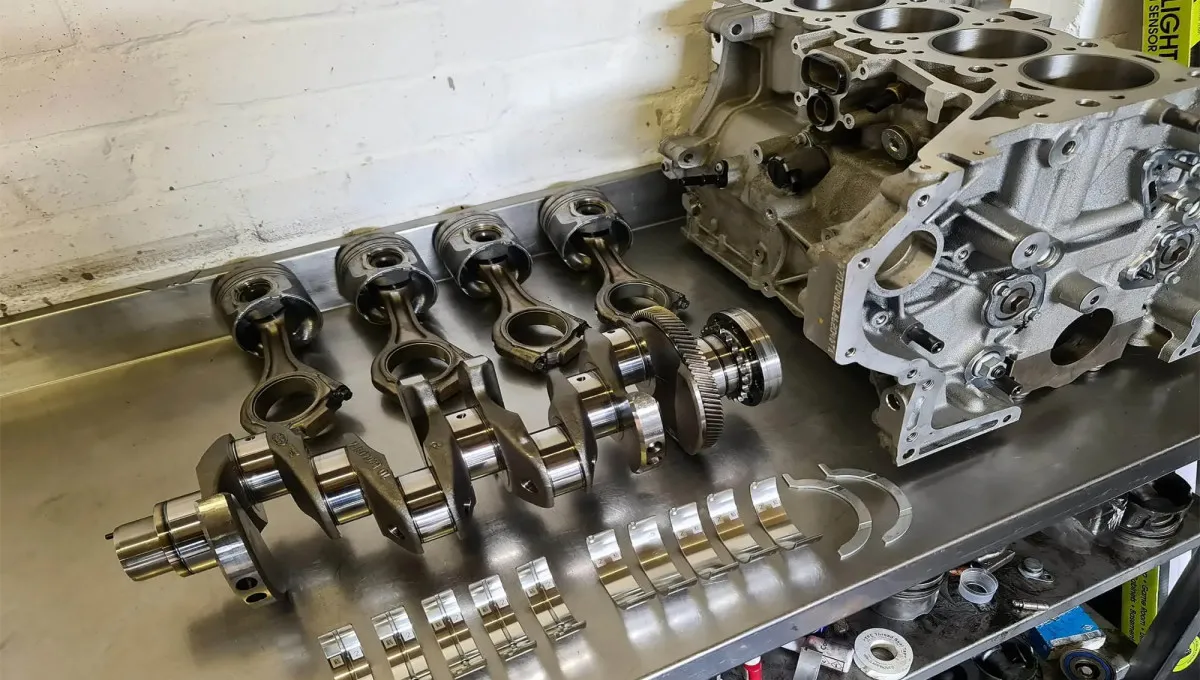
Not Ford, BMW or Audi: Mechanic Names the Car Brand That Almost Never Breaks Down
Auto repair professionals reveal which models rarely suffer major failures and which ones repeatedly end up on the lift.