How a Gas Pump Nozzle Knows When Your Tank Is Full — and Why It Sometimes Clicks Off Too Soon
The mechanism inside is far simpler than most drivers realize.
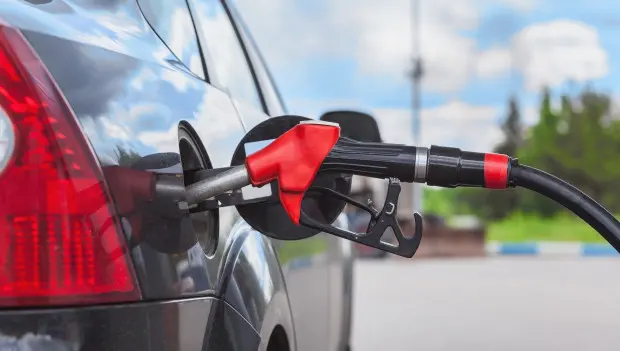
When a driver inserts the gas pump nozzle into the filler neck and squeezes the handle, it can feel like the device somehow “knows” exactly when to stop. In reality, the mechanism inside is much simpler than it seems—and there’s no electronics involved at all.
As explained by Auto30.com, the key role is played by air, not by the fuel level itself. Inside the nozzle body at a gas station, there’s a thin sensing tube. As long as gasoline flows freely into the tank, air moves through this tube without obstruction, maintaining low pressure inside the system. That low pressure keeps the handle engaged. Once the fuel level rises high enough to block the airflow, pressure in the tube equalizes. This triggers a latch, releases the handle, and fuel flow stops. The process is based on the Venturi effect, where a fast-moving fluid creates a pressure drop.
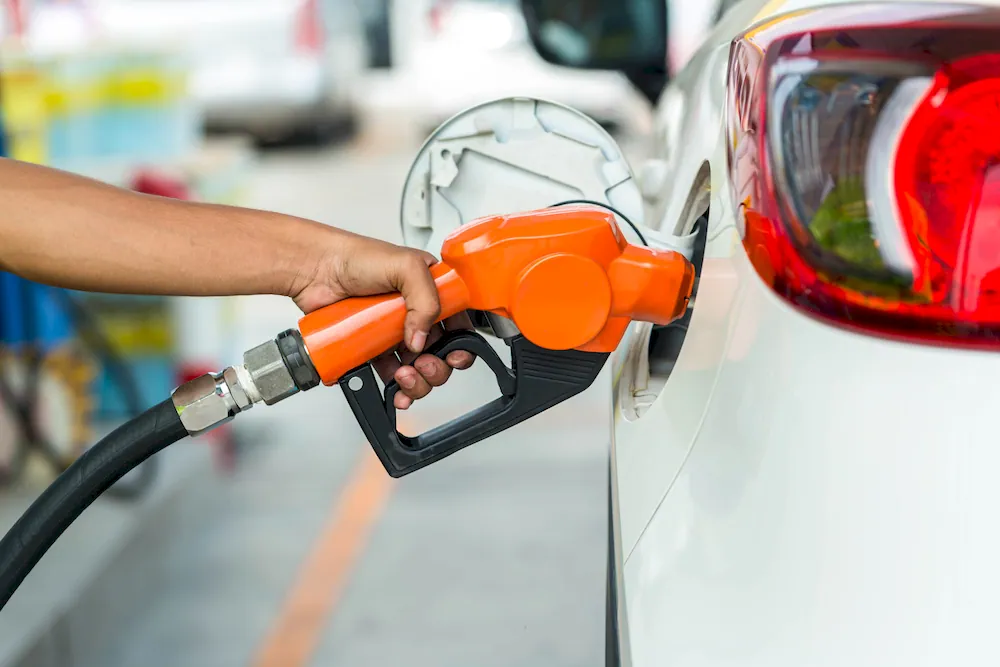
So why doesn’t a gas pump nozzle use electrical components? The refueling area is always filled with fuel vapors, and even a small electrical contact could create a dangerous spark. For that reason, the nozzle is designed to be fully mechanical, with no wires or sensors. This makes the system both safer and more reliable.
Because the mechanism doesn’t depend on temperature and doesn’t require electronic controls, it reacts instantly. As soon as pressure in the chamber changes, the latch disengages. This happens faster than the driver can realize the fuel level is already near the top of the filler neck. When functioning properly, the nozzle shuts off precisely when gasoline reaches the correct point. The entire system is calibrated for this exact scenario.
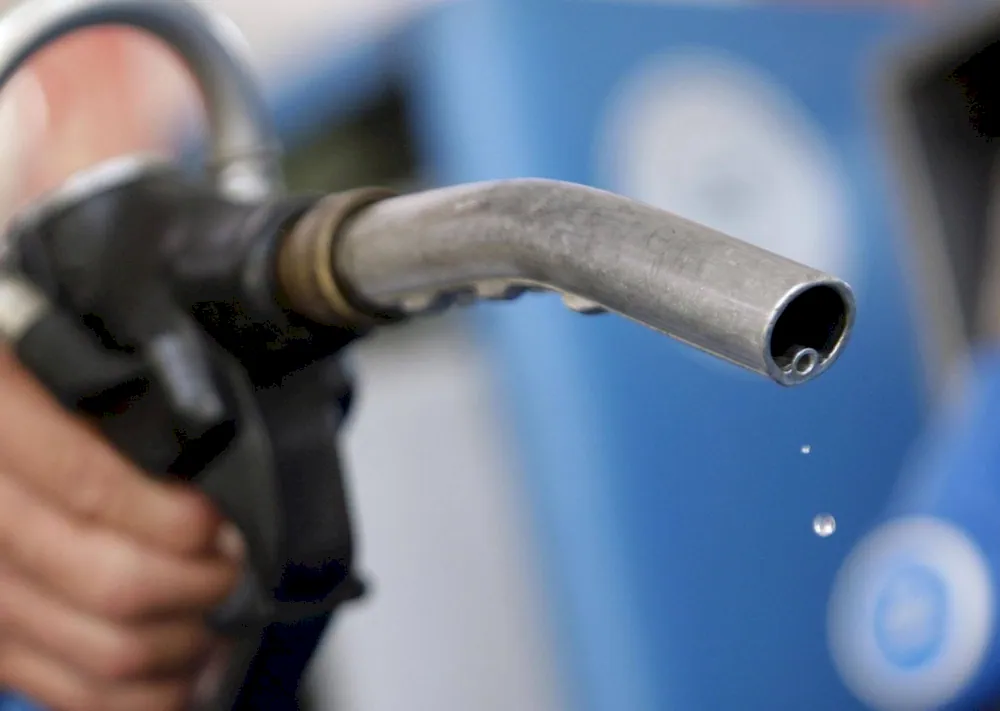
If fuel starts spilling out or the nozzle clicks off too early, it usually indicates a problem with the nozzle itself: a damaged valve, a malfunctioning shutoff mechanism, or internal contamination. Under normal conditions, the nozzle stops the flow accurately and on time, preventing gasoline from rising above a safe level.
You may also be interested in the news:
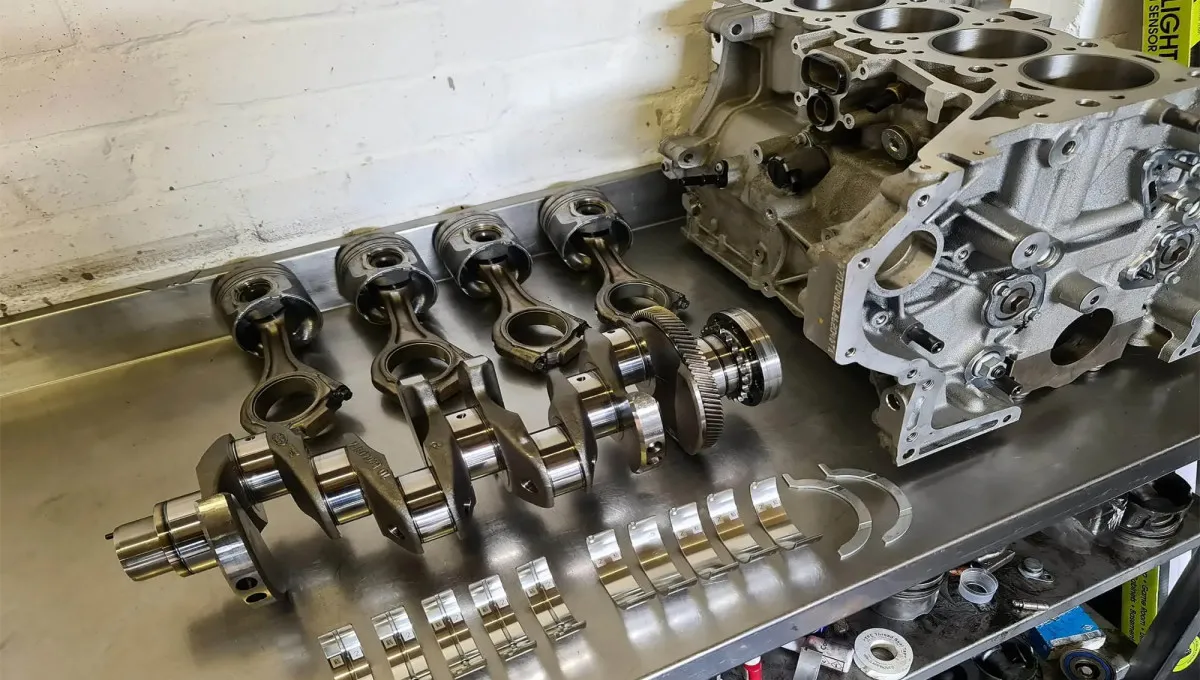
Not Ford, BMW or Audi: Mechanic Names the Car Brand That Almost Never Breaks Down
Auto repair professionals reveal which models rarely suffer major failures and which ones repeatedly end up on the lift.

What Does a Flashing Red Traffic Light Mean? Can You Keep Driving?
Drivers must come to a complete stop at the stop line before deciding whether it is safe to proceed.
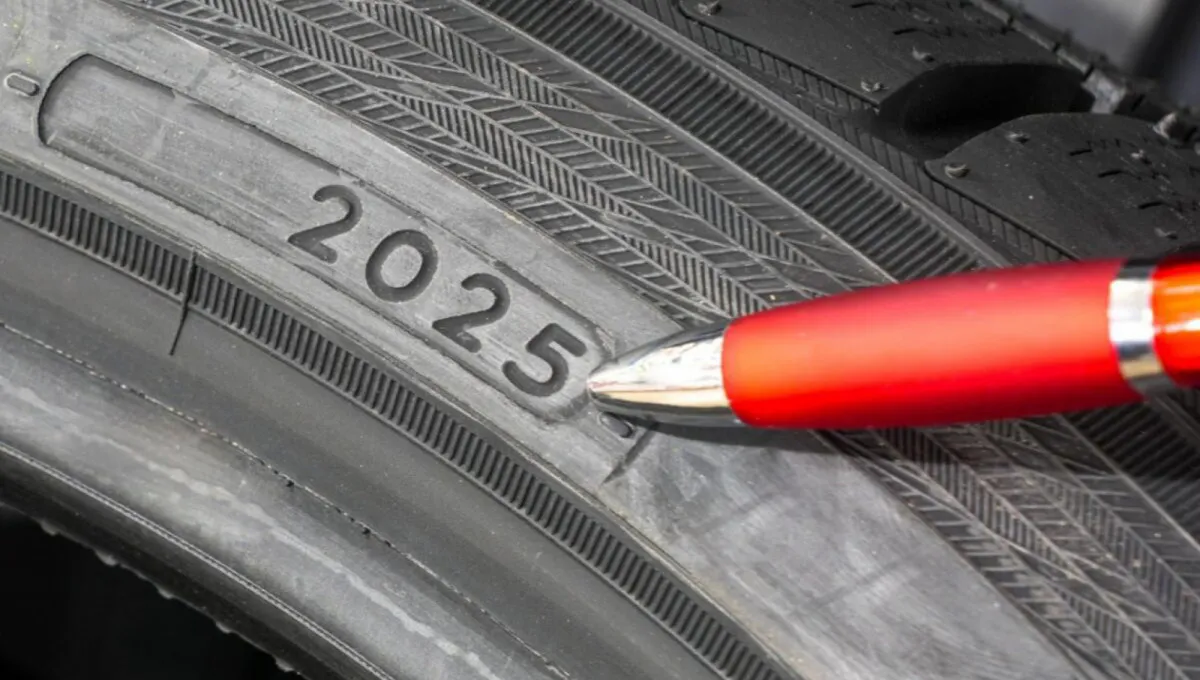
Why You Should Check a Tire’s Manufacturing Date Before Buying
Tire buyers should check more than size, tread, and brand because rubber changes with age, even without visible wear.
Four Car Features Modern Drivers Are Starting to Miss
New cars keep adding technology, but some simple features that drivers once relied on are disappearing.