
Can Synthetic Fuel Save the Internal Combustion Engine in 2026?
This technology promises a second life for combustion engines—potentially preserving today’s ICE vehicles rather than replacing them.
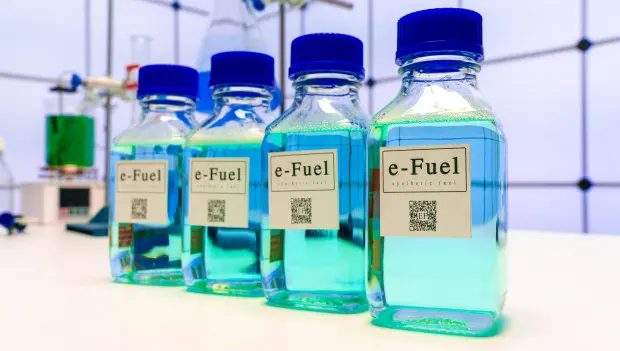
Electric vehicles and hydrogen are often described as the only future of transportation, while internal combustion engines are written off as outdated technology.
But there’s a catch.
There is a type of fuel that allows conventional cars to operate with an almost neutral carbon footprint—without engine modifications and without building new infrastructure.
That fuel is synthetic fuel, also known as e-fuel.
Can it truly give combustion engines a second life, or is it just a temporary illusion?
What Is Synthetic Fuel?
Synthetic fuel is a liquid fuel that behaves almost exactly like gasoline or diesel.
The key difference is how it’s made. Instead of being refined from crude oil, it’s produced artificially and can be carbon-neutral.
For drivers, the most important point is this: e-fuel can be used in existing engines with no modifications. You fill up the tank and drive as usual.
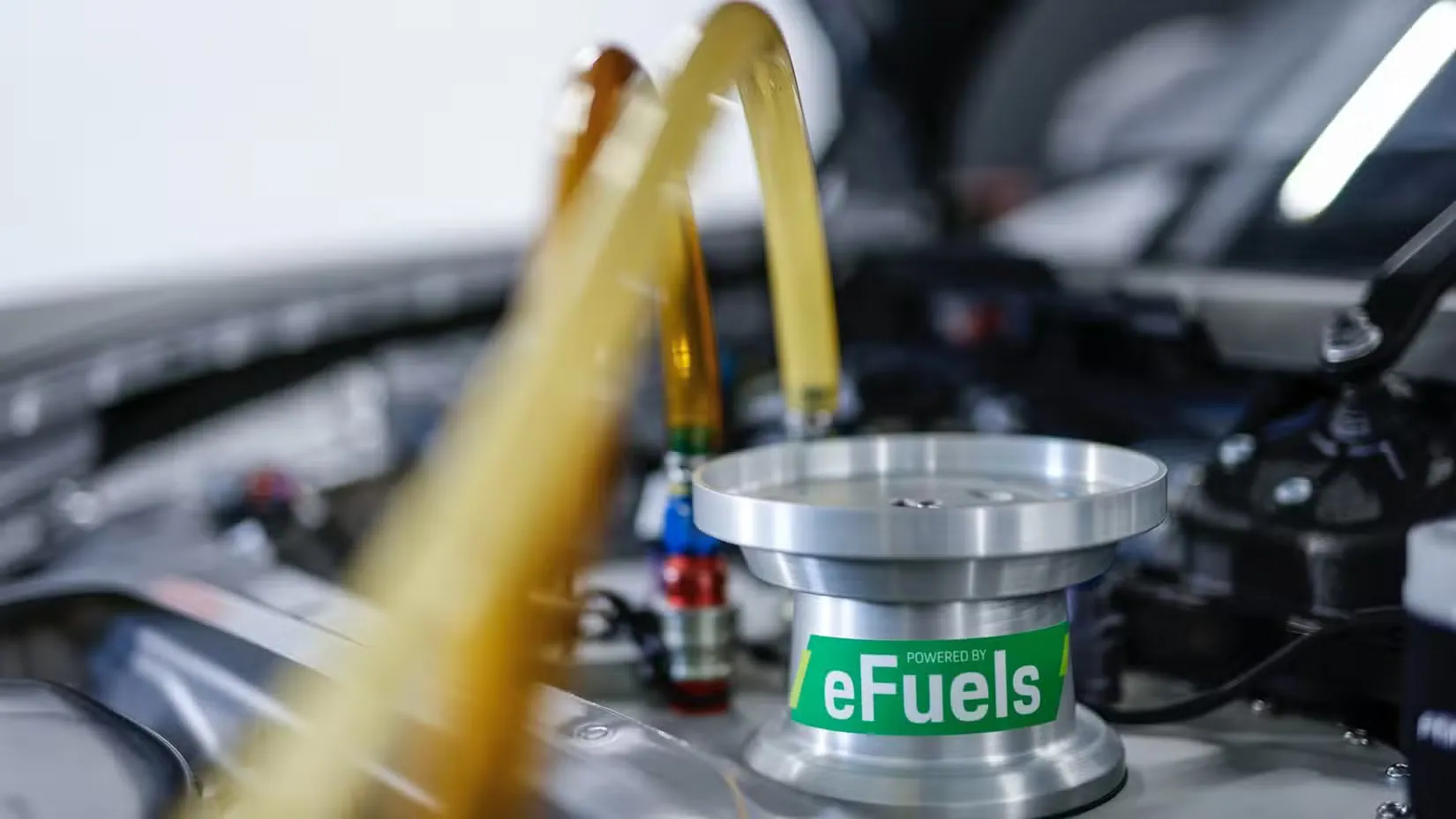
How It’s Made
The production of synthetic fuel starts with water and electricity.
Using renewable energy, water is split into hydrogen and oxygen. Carbon dioxide is then captured either directly from the air or from industrial emissions.
In the final stage, hydrogen and CO₂ are combined through a chemical synthesis process to create liquid fuel.
If the entire process runs on renewable energy, the CO₂ released during combustion is offset by the carbon that was previously removed from the atmosphere.
Why It’s Seen as a Lifeline for ICE Vehicles
The biggest advantage of synthetic fuel is that it doesn’t require replacing the existing vehicle fleet.
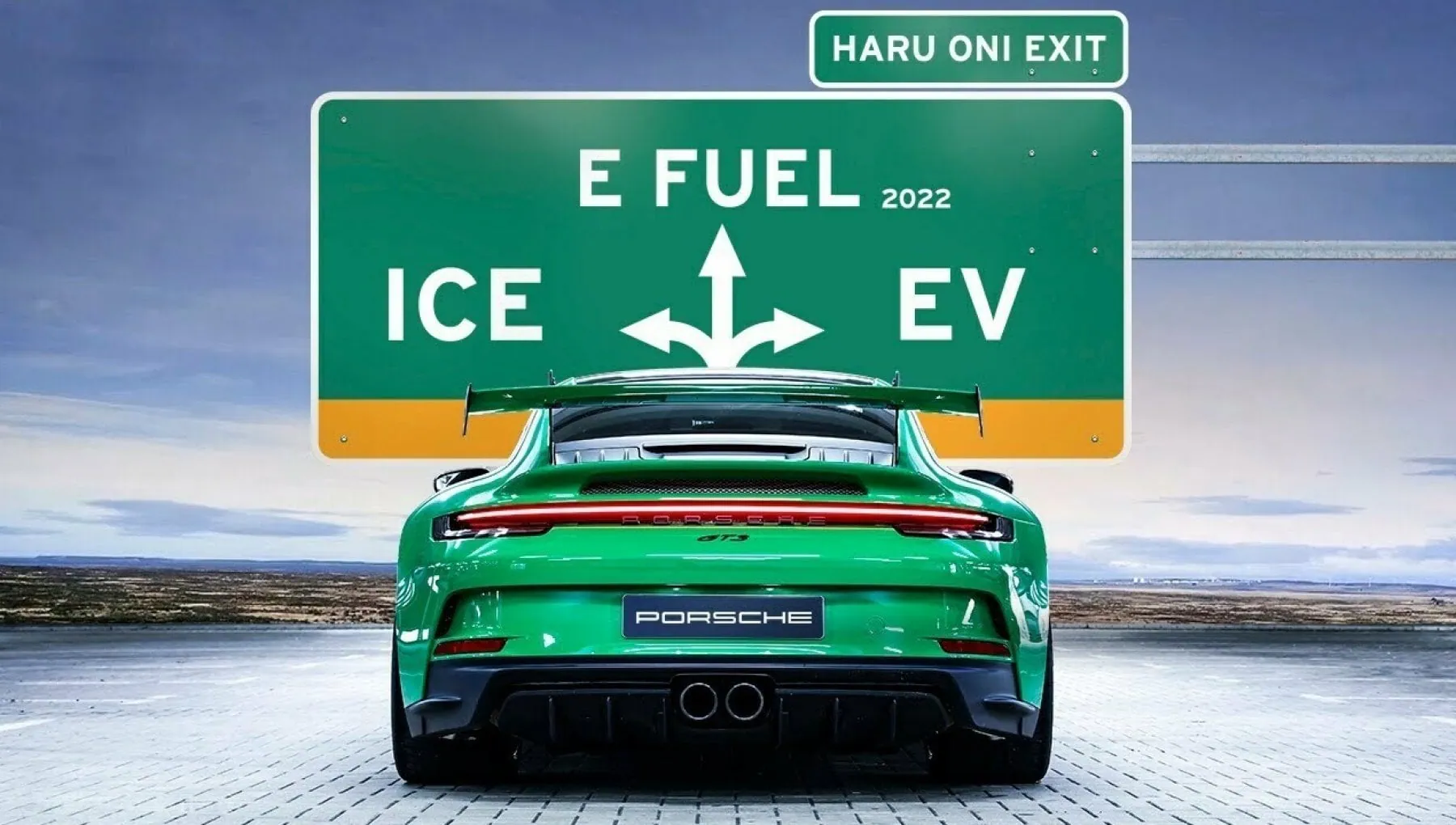
By 2026, Porsche is already testing e-fuel in its performance models, including the 911 GT3. Engines run reliably, with no loss of power or durability.
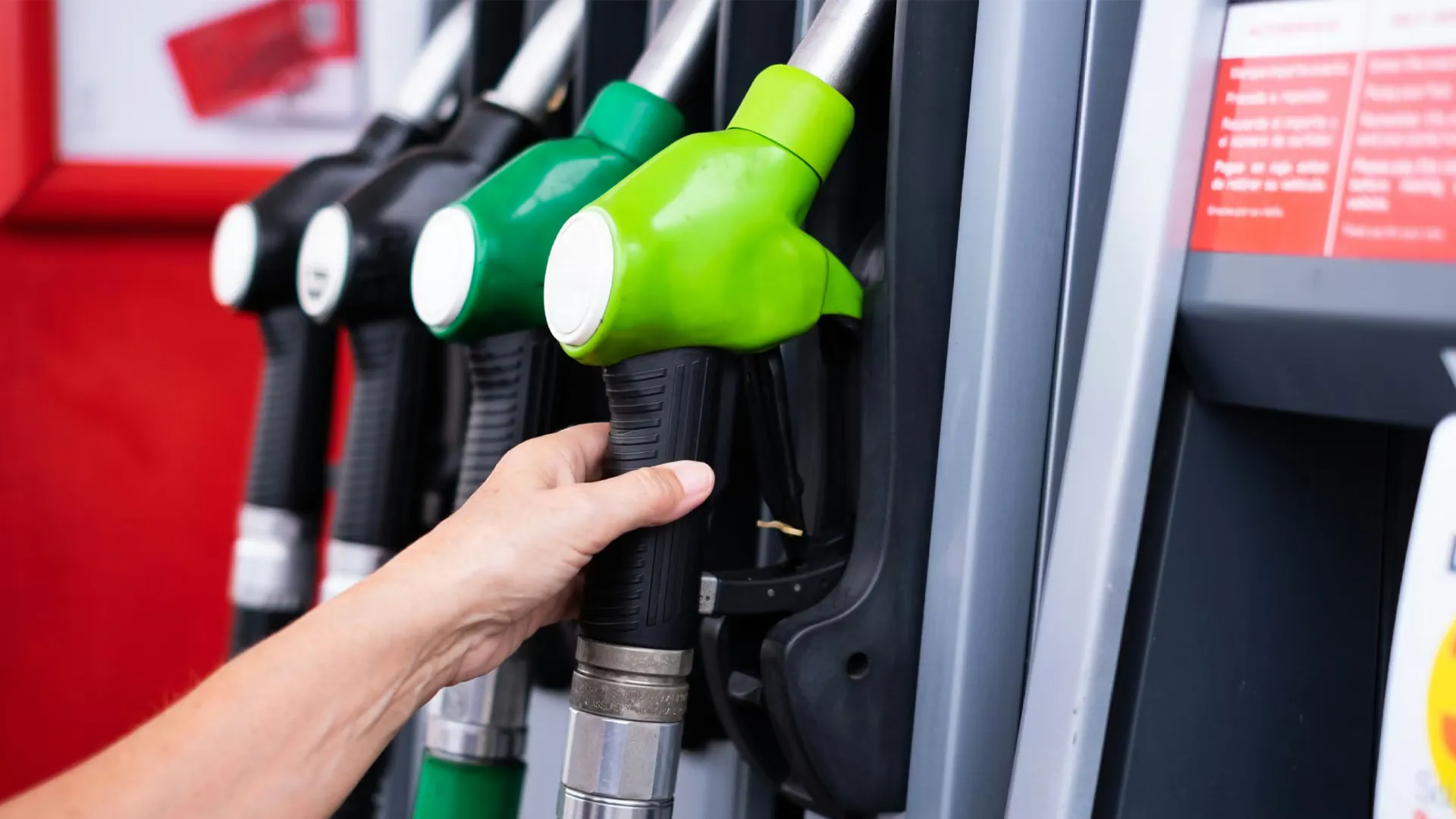
Infrastructure is another major benefit. Synthetic fuel can be sold through regular gas stations, without the need for massive investments in charging networks.
Energy density also remains comparable to gasoline, which means familiar driving range—typically 300 to 430 miles on a single tank.
Where E-Fuel Makes the Most Sense
There are sectors where electrification remains difficult.
Aviation and long-haul transportation require fuels with extremely high energy density, making heavy batteries impractical. That’s why Airbus and other aerospace companies are betting on synthetic aviation fuel.
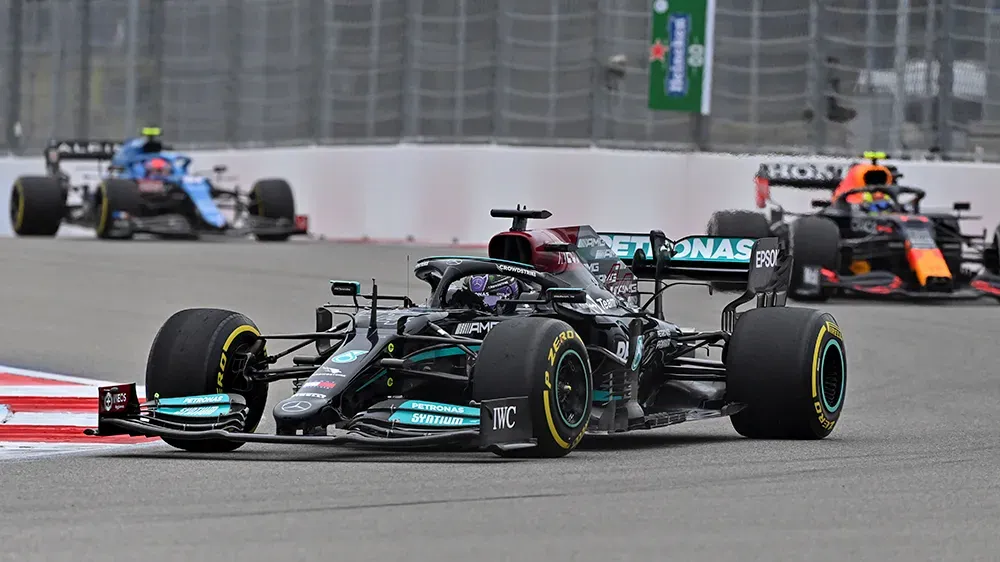
Motorsports has already embraced the technology. Starting in 2026, Formula 1 will run entirely on carbon-neutral fuel.
The Biggest Challenges
Despite its promise, synthetic fuel faces serious obstacles.
In 2026, e-fuel is still expensive—several times the cost of conventional gasoline. Even automakers admit that without large-scale production, mass adoption won’t happen.
Another issue is energy demand. Producing a single liter of synthetic fuel requires a significant amount of electricity. If that power isn’t renewable, the environmental benefits largely disappear.
Competition From Electric Vehicles
Most governments are prioritizing electrification.
Plans to ban new ICE vehicle sales after 2035 mean synthetic fuel could remain a niche solution.
That said, for the millions of cars already on the road, e-fuel may be one of the few realistic ways to cut emissions without radical changes.
What Comes Next
The future of e-fuel depends on cost and scale.
Countries with abundant solar and wind resources are already being considered as hubs for large-scale synthetic fuel production. If forecasts hold, prices could drop significantly by 2030.
This won’t replace electric vehicles, but it could buy time—and offer an alternative—for industries where rapid electrification isn’t practical.
Will Synthetic Fuel Save the ICE?
Synthetic fuel is unlikely to bring internal combustion engines back to the mainstream new-car market.
But it can help preserve the existing vehicle fleet, reduce emissions in aviation and freight transport, and serve as a sensible transitional solution.
In that sense, e-fuel isn’t about clinging to the past—it’s a pragmatic bridge between combustion engines and a fully electric future.
You may also be interested in the news:
“Are You Sure It’s Chinese?” Who Really Builds China’s Car Engines
Who Really Develops China’s Car Engines?
Why Experienced Drivers Still Warn Against Buying a Used Car With a CVT
CVTs offer smooth acceleration and good fuel economy, but expensive repairs and durability concerns make used models risky.

What Does the 99% Patch Mean to Bikers? The History Behind the Motorcycle Symbol
The 99% biker label separates everyday motorcycle enthusiasts from outlaw culture, carrying a message rooted in American motorcycle history.
Tesla’s New Roadster Can Fly, but That May Be the Least Impressive Thing About It
Nearly a decade after Elon Musk unveiled the next-generation Roadster, Tesla has finally revealed its most outrageous capabilities.
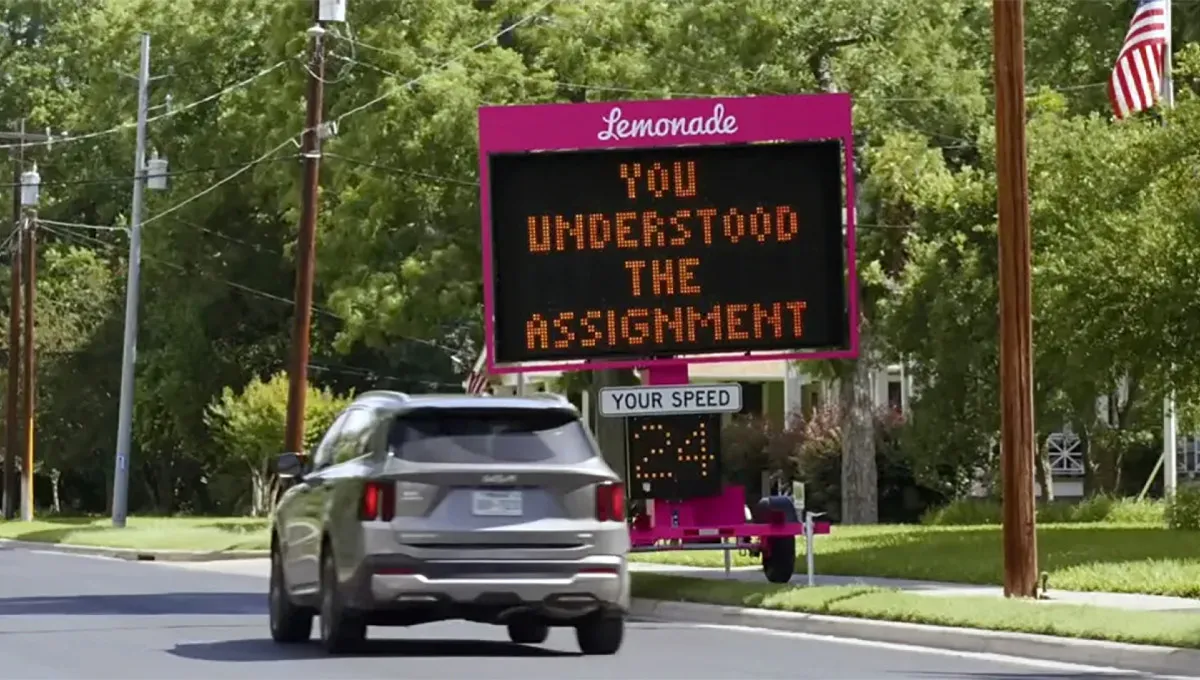
Drivers Are Seeing Strange Pink Signs on the Road—What They Say Is Surprising Everyone
A new roadside campaign uses personalized messages to praise safe drivers, offering a different approach to speeding warnings.