
California Scientists Link Growth in Electric Vehicles to Lower NO₂ Levels: Every 200 ZEVs Cut Pollution by 1.1%
This isn’t a theory or a lab simulation — the findings are based on real-world observations.
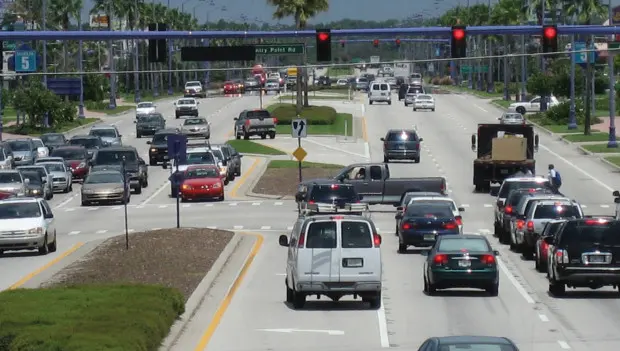
Between 2019 and 2023, California communities saw a steady rise in the number of zero-emission vehicles (ZEVs), alongside a measurable decline in air pollution. Importantly, these conclusions are not based on models or laboratory estimates, but on real-world data.
The researchers identified a clear relationship: the more zero-emission vehicles a community has, the more noticeably nitrogen dioxide (NO₂) levels decline — one of the key indicators of pollution from burning fossil fuels.
-
For every 200 newly registered ZEVs, average NO₂ concentrations fall by 1.1%.
-
The conclusion is based on an analysis of statewide satellite data across California.
Nitrogen dioxide is produced by the combustion of fossil fuels and is closely tied to road traffic. This is not “abstract chemistry” — NO₂ has direct and well-documented health impacts. Exposure to elevated levels:
-
can trigger asthma attacks;
-
is linked to the development of bronchitis;
-
increases the risk of heart disease and stroke.
The study was conducted by a research team from the Keck School of Medicine at the University of Southern California. The senior author was Associate Professor Erika Garcia, with Associate Professor Sandra Eckel as first author. The research was partially funded by the National Institutes of Health, and related papers were published in a peer-reviewed scientific journal.
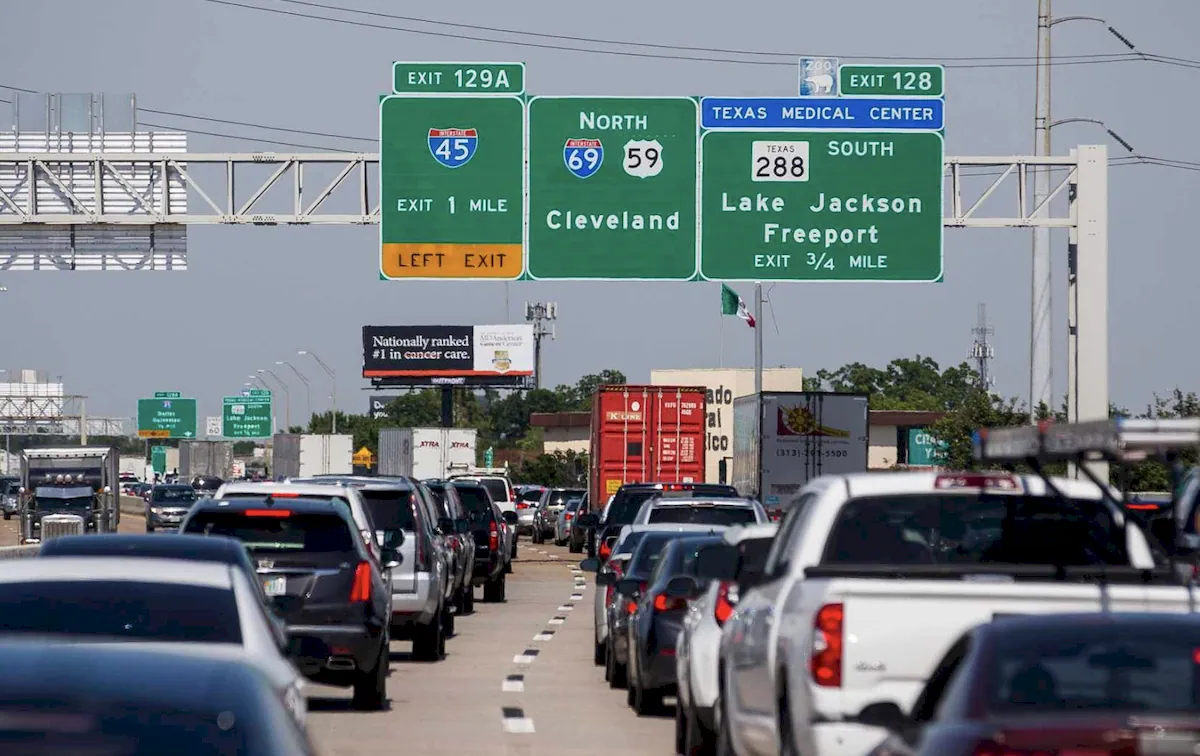
Previously, the hypothesis that transportation electrification improves local air quality “here and now” had rarely been confirmed with strong empirical evidence. One major reason was the limited coverage of ground-based air monitoring stations. In 2023, the same team published a study using ground measurements and found a link between rising ZEV adoption and lower pollution, though the results were not yet conclusive.
This time, the researchers relied on high-resolution satellite data. The technology estimates atmospheric NO₂ levels based on how gases absorb and reflect sunlight.
How the Analysis Worked: Areas, Vehicles, and Sensors
To avoid relying on broad statewide averages, California was divided into 1,692 zones, roughly aligned with ZIP-code–level geography. Researchers then combined two large datasets:
-
ZEV registration data by community from the California Department of Motor Vehicles;
-
Air pollution measurements from the TROPOMI satellite sensor (Tropospheric Monitoring Instrument), which tracks NO₂ and other pollutants worldwide on a daily basis.
Which Vehicles Counted as ZEVs
The study included:
-
battery-electric vehicles;
-
plug-in hybrid vehicles;
-
hydrogen fuel-cell vehicles.
Heavy-duty vehicles — such as delivery trucks and semi-trailers — were excluded from the analysis.
Over the study period, ZEVs’ share of all registered light-duty vehicles in California (passenger cars, SUVs, pickups, and vans) increased from 2% to 5%. The progress is notable, but the authors stress that the state’s electrification potential is far from fully realized.
Researchers also calculated the typical growth in ZEV registrations at the community level:
-
an average of 272 new ZEVs per community over the period;
-
in most areas, the increase ranged from 18 to 839 vehicles.
Stress-Testing the Results
To rule out the influence of external or coincidental factors, the team ran additional robustness checks:
-
accounted for the pandemic-related drop in NO₂ levels, including rerunning analyses without 2020 data;
-
added variables such as gasoline price fluctuations and changes in federal land and environmental management;
-
confirmed the expected pattern that areas with growing numbers of gasoline-powered vehicles showed rising pollution trends;
-
repeated the analysis using updated ground-based monitoring data from 2012–2023, with consistent results.
What This Means in Practice
As Garcia emphasized, ZEVs are not only about a “future climate payoff,” but about delivering immediate health benefits today. Eckel added that while electrification targets have not yet been fully met, the transition to electric vehicles is already improving the air Californians breathe.
What Comes Next
The team’s next step is to link ZEV adoption with health outcomes, such as emergency room visits and hospitalizations related to asthma. As electric vehicles continue to spread across California, this could become one of the first studies to document improvements in public health based on real-world conditions — not projections or theoretical models.
You may also be interested in the news:
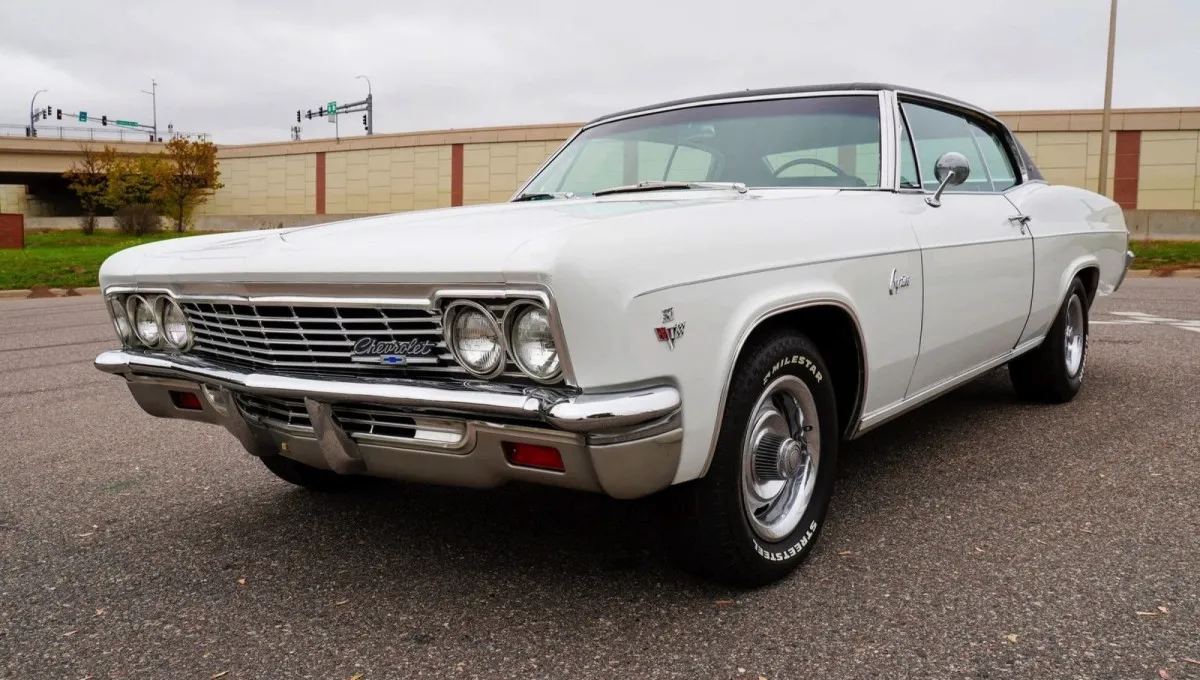
Restored 1966 Chevy Caprice Looks Showroom-Fresh, but Those 13K Miles Don't Tell the Whole Story
This restored 1966 Chevrolet Caprice looks road-ready, but its 13,000-mile odometer reading comes with an important catch.
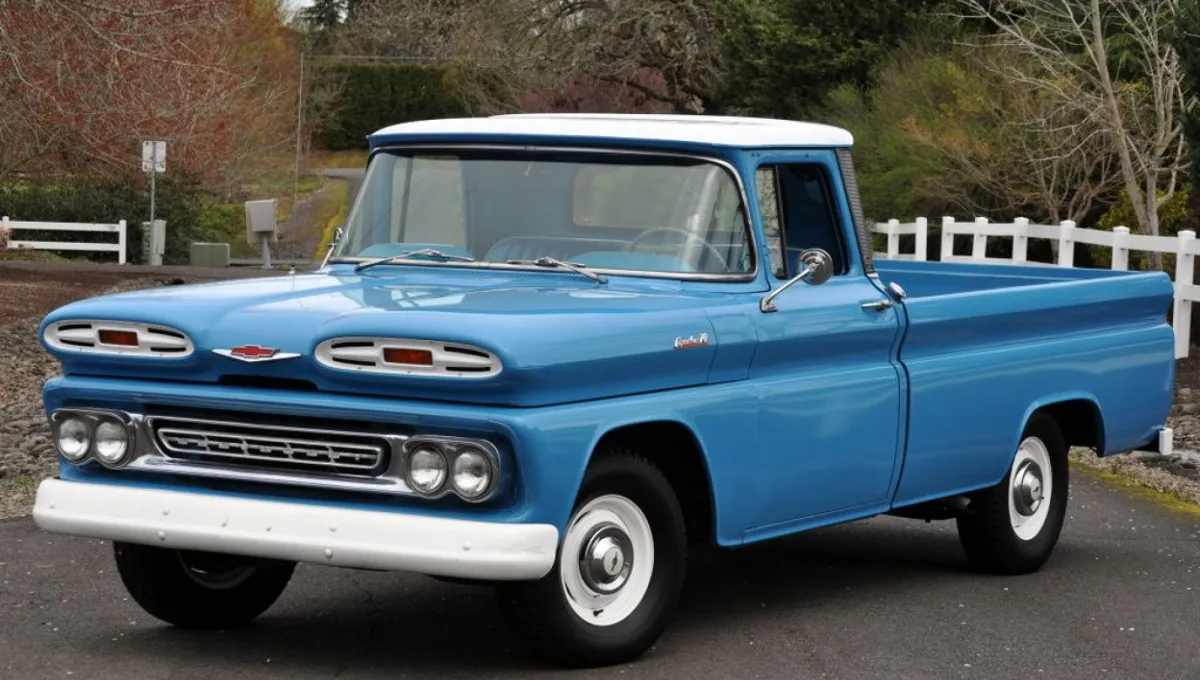
The 1960 Chevrolet Pickup: The Biggest Thing to Happen to Trucks Since Trucks Were Invented
Chevrolet unveiled an all-new pickup for 1960, calling it “the most important news since trucks came into being!”
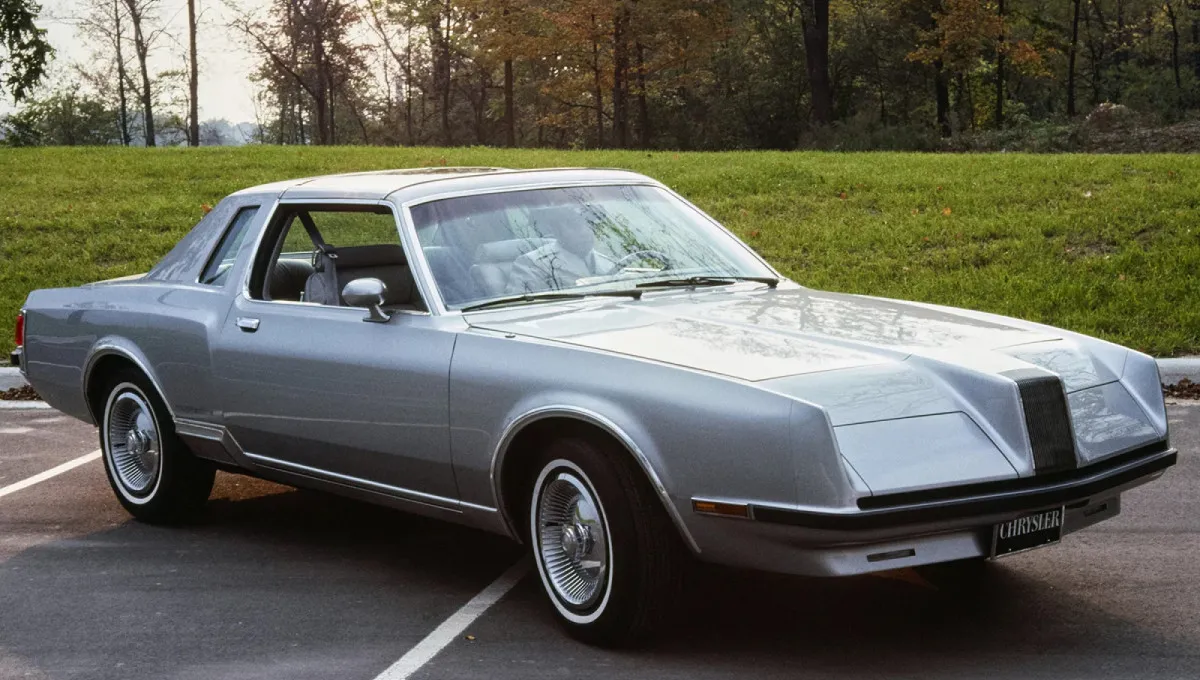
The 1977 Chrysler LeBaron Turbine: The Final Chapter of a 25-Year Experiment
Chrysler's 1977 LeBaron Turbine concept showcased decades of gas turbine research, but financial troubles ultimately brought the ambitious program to an end.
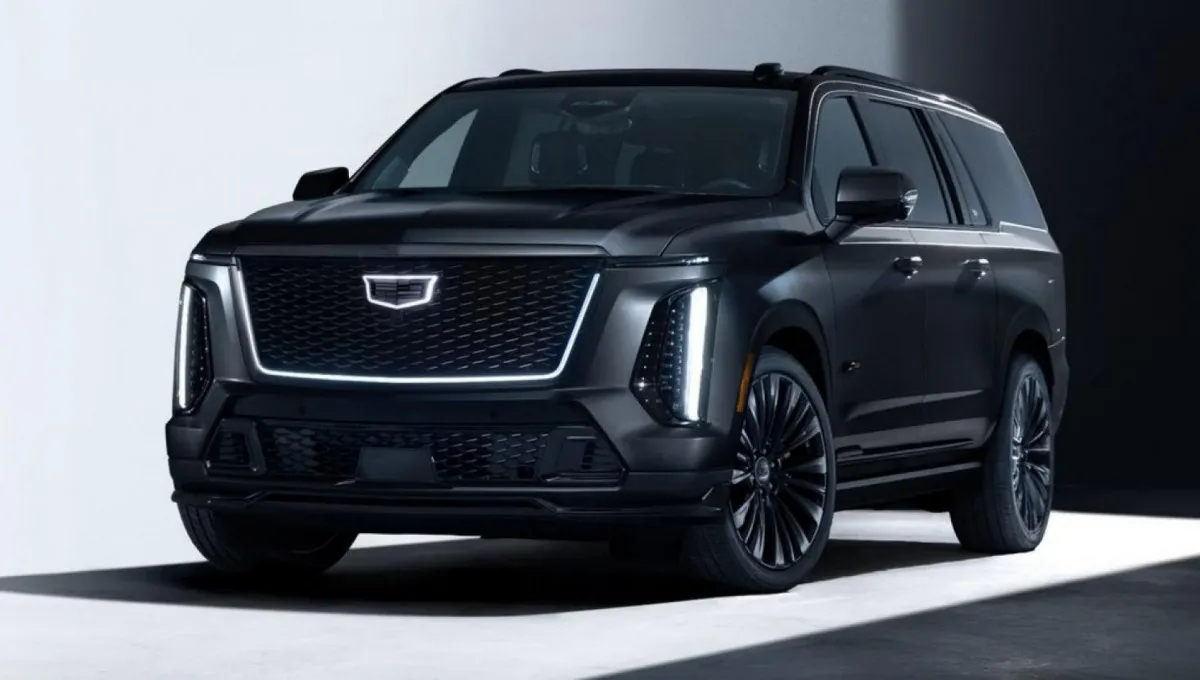
Cadillac Celebrates Its 125th Anniversary With the Most Expensive Escalade-V Ever
One of America’s oldest automotive brands has unveiled a limited-edition version of its flagship SUV to mark a major milestone.
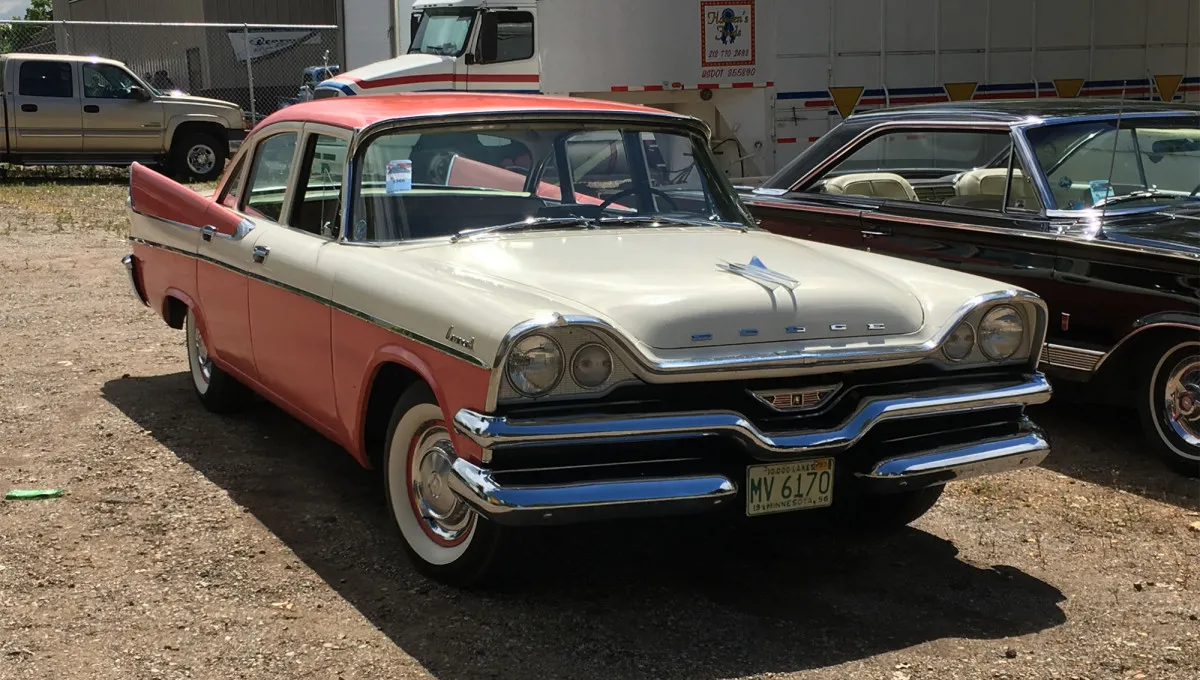
The 1957 Dodge: How “Autodynamics” Shaped One of Detroit’s Boldest Designs
The 1957 Dodge Looked Like a Dream Car, but Its Biggest Flaw Was Hiding Beneath the Surface.