
Why Toyota Is Betting on Gas Engines in the U.S. and EVs in China
Toyota has split its electrification strategy between the U.S. and China.
Toyota continues to go against the current, officially cementing a split-market strategy. While most automakers have pushed for a single global electrification path, the Japanese company is pursuing different technologies for different regions — and in this setup, the U.S. won’t get the “best” fully electric offerings.
For Toyota, China is the key EV market. The brand is developing fully electric vehicles specifically for local consumers. Already, the affordable bZ3X crossover with LFP batteries is on sale, and the bZ7 sedan will follow. These models are co-developed with Chinese partners and focus on price, digital features, and fast software updates — the elements that currently drive success in China.
Toyota’s approach to the U.S. market is completely different. Here, the company is doubling down on hybrids and internal combustion engines (ICE). In 2025, hybrids accounted for about 13% of the U.S. market, and Toyota aims to strengthen its position in this segment. The opening of a battery plant in North Carolina and up to $10 billion in local hybrid production investments signal long-term commitment.
The brand’s philosophy is embodied in the GR GT project — a production supercar with a 4.0-liter twin-turbo V8 in a hybrid setup. For Toyota, this isn’t just a showcase of power; it’s about identity. Akio Toyoda has openly stated that the engine remains a core part of the car and shouldn’t be sacrificed for global trends.
This strategy comes at a cost. In 2025, Toyota spent ¥1.3 trillion (~$9.5 billion) on R&D, while also investing in AI, autonomous driving, and partnerships with tech companies. Yet the bet is clear: the world will not follow a single path, and Toyota wants to be prepared for every scenario.
Toyota is taking a risk by avoiding a “full EV” strategy, but this pragmatism may pay off if the market never chooses one uniform direction for the future of mobility.
You may also be interested in the news:
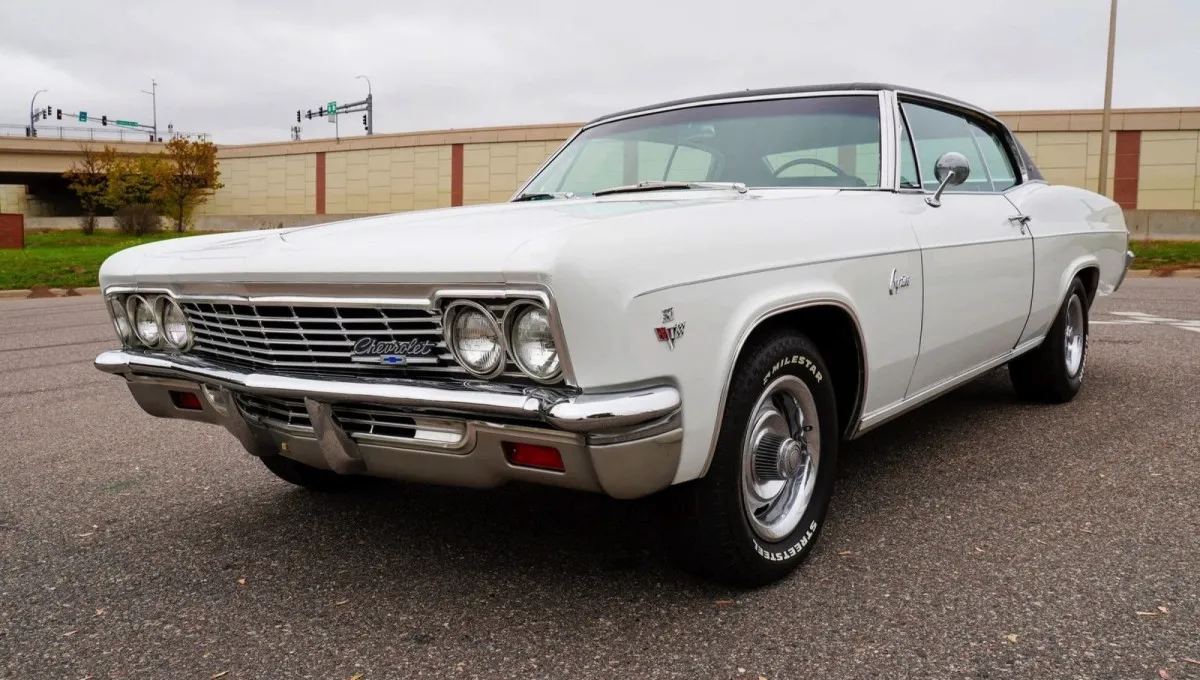
Restored 1966 Chevy Caprice Looks Showroom-Fresh, but Those 13K Miles Don't Tell the Whole Story
This restored 1966 Chevrolet Caprice looks road-ready, but its 13,000-mile odometer reading comes with an important catch.
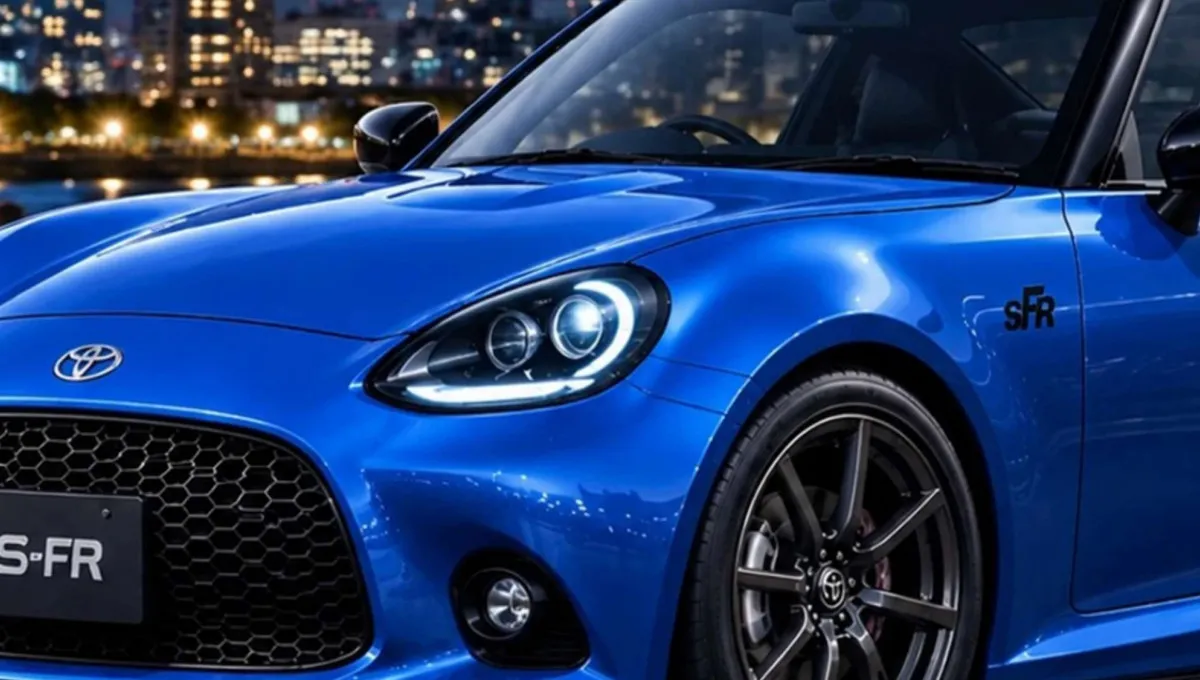
Toyota Could Build a Tiny, Affordable Sports Car With Just 64 Horsepower
Toyota’s long-rumored S-FR sports coupe could return in 2027 as a tiny, rear-wheel-drive kei car with a turbocharged engine.
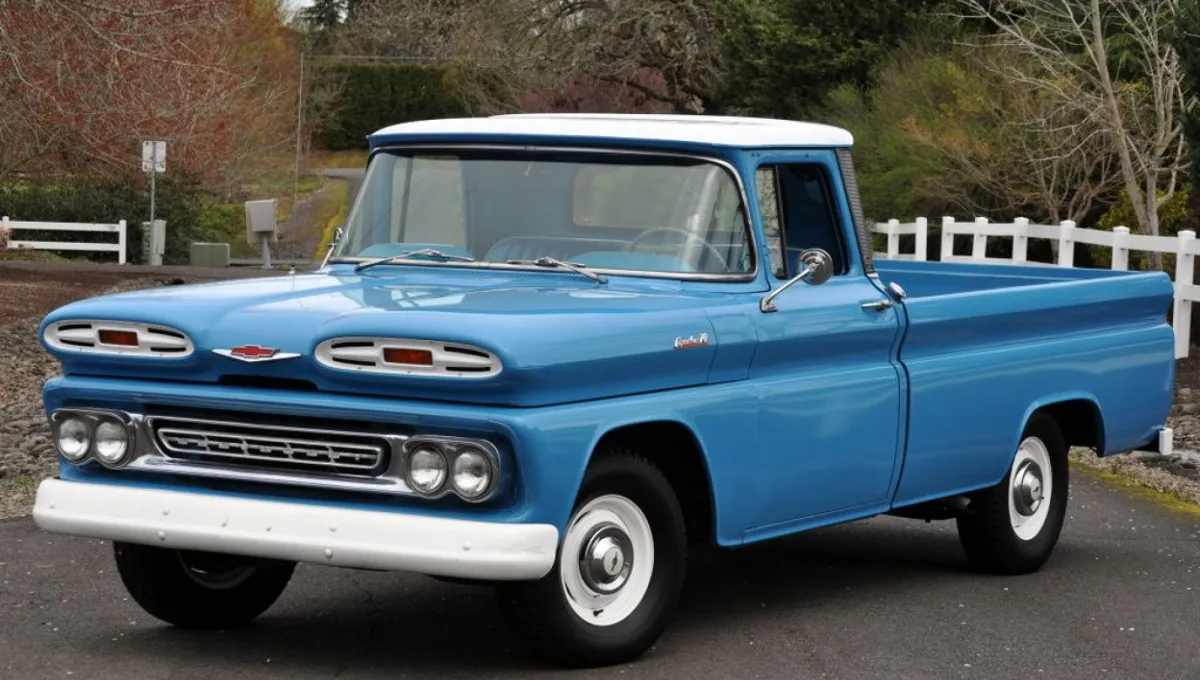
The 1960 Chevrolet Pickup: The Biggest Thing to Happen to Trucks Since Trucks Were Invented
Chevrolet unveiled an all-new pickup for 1960, calling it “the most important news since trucks came into being!”
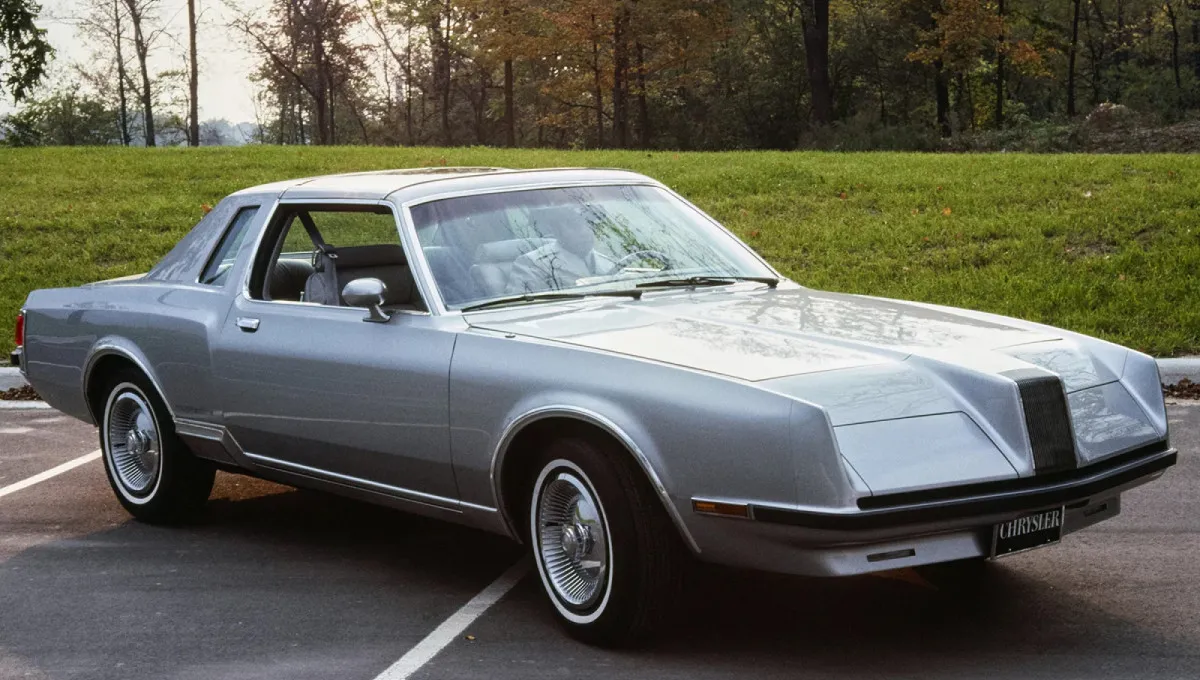
The 1977 Chrysler LeBaron Turbine: The Final Chapter of a 25-Year Experiment
Chrysler's 1977 LeBaron Turbine concept showcased decades of gas turbine research, but financial troubles ultimately brought the ambitious program to an end.
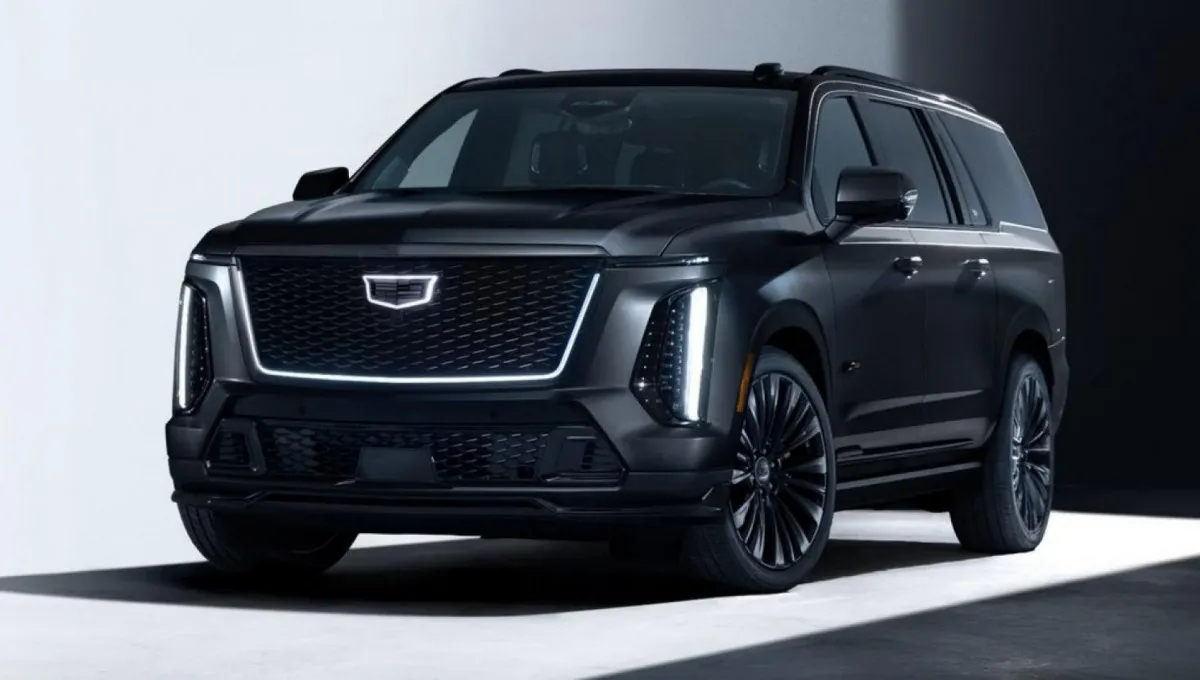
Cadillac Celebrates Its 125th Anniversary With the Most Expensive Escalade-V Ever
One of America’s oldest automotive brands has unveiled a limited-edition version of its flagship SUV to mark a major milestone.