
Aston Martin Bulldog: The British “Wedge” — What Does It Remind You Of?
This concept car was created to prove Aston Martin could build a true supercar.
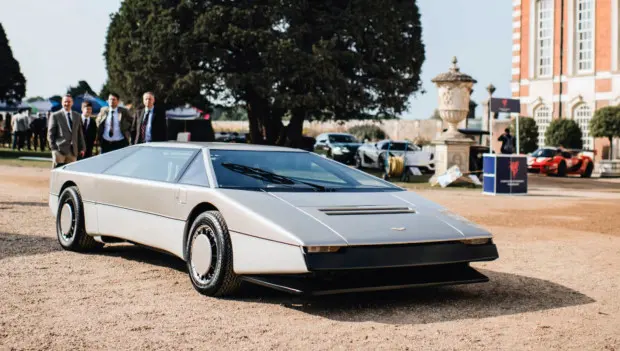
The Aston Martin Bulldog was conceived as a bold statement — a proof of concept meant to showcase the brand’s ability to compete in the supercar arena. Its striking design was penned by William Towns shortly after he completed work on the Aston Martin Lagonda. Engineering development was initially led by Aston Martin’s chief engineer Mike Loasby, with the project later handed over to Keith Martin, who spent the next three years bringing the car closer to completion.
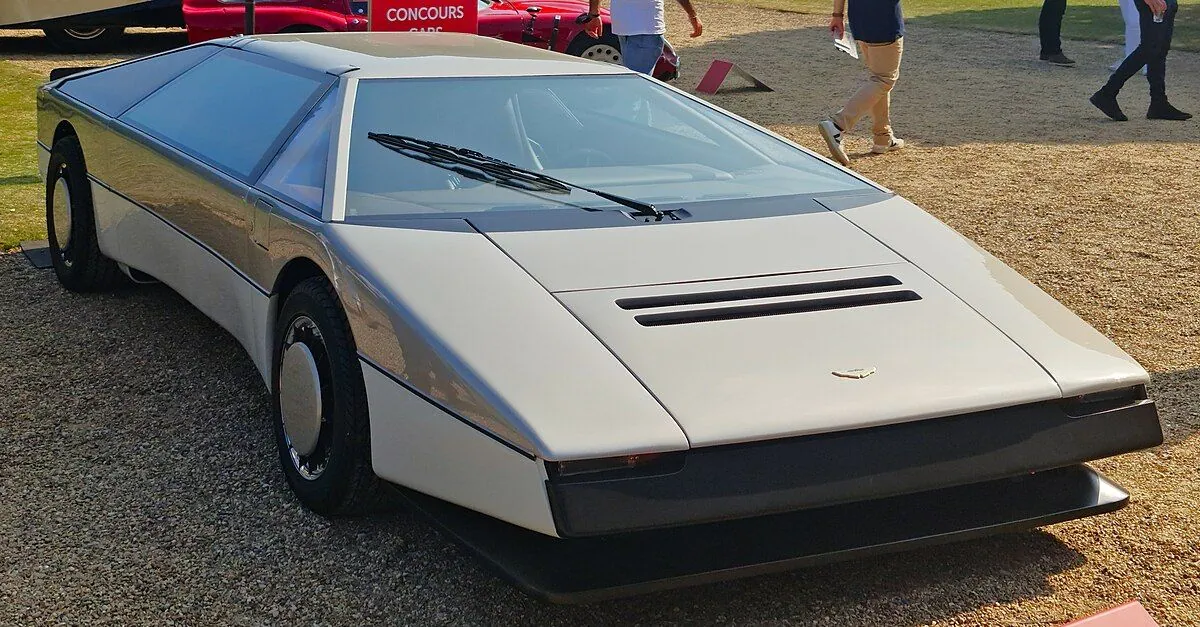
If the silhouette of this concept looks more like a chisel or wedge than anything else, that’s no coincidence. Despite the name, it has little in common with an actual bulldog. The name came from the Scottish Aviation Bulldog aircraft flown by Aston Martin’s then–managing director Alan Curtis, nicknamed “K9” after the robotic dog from Doctor Who. Fittingly, the part of the factory where the car was built was known internally as “the kennel.”
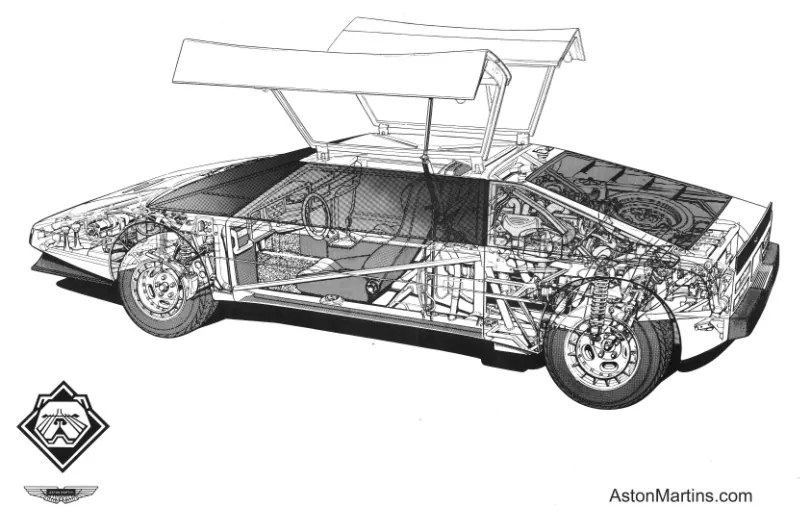
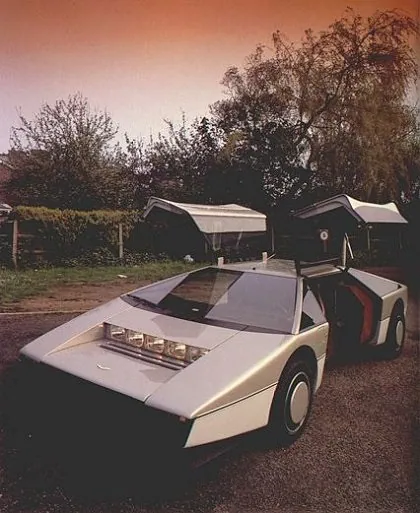
Why call it a supercar? Consider the gullwing doors, the ultra-low roofline — just 43 inches (1,092 mm) tall — and futuristic-for-1980 features like a rear-view camera system. Aston Martin even claimed a top speed of 237 mph (381 km/h), an outrageous figure for its time.
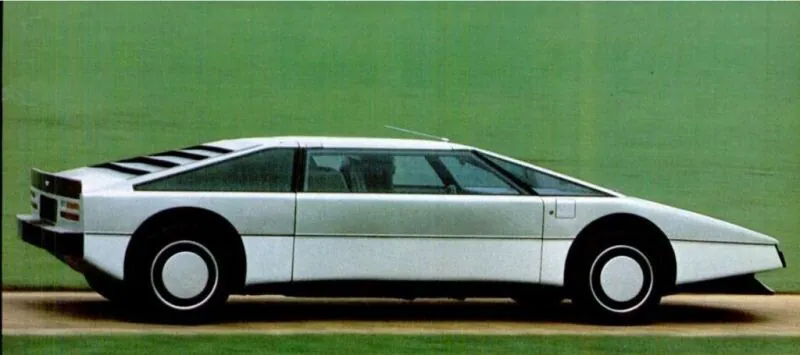
To chase that number, the Bulldog was powered by a twin-turbocharged 5.3-liter V8 producing around 650 horsepower in road trim, with over 700 hp recorded on the test bench. The car rode on specially developed Pirelli P7 tires and featured elaborate brake cooling integrated into the wheels.
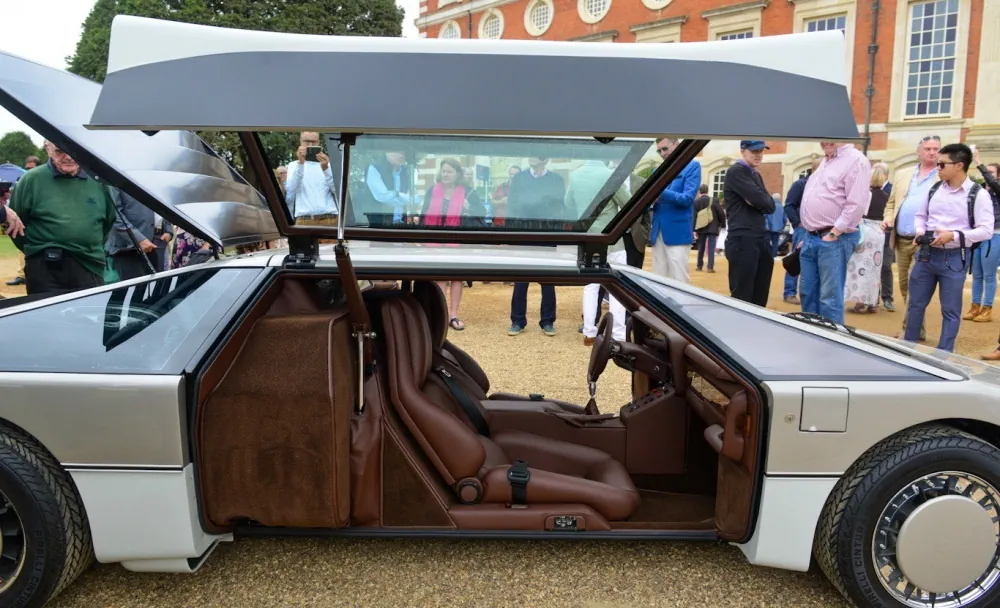
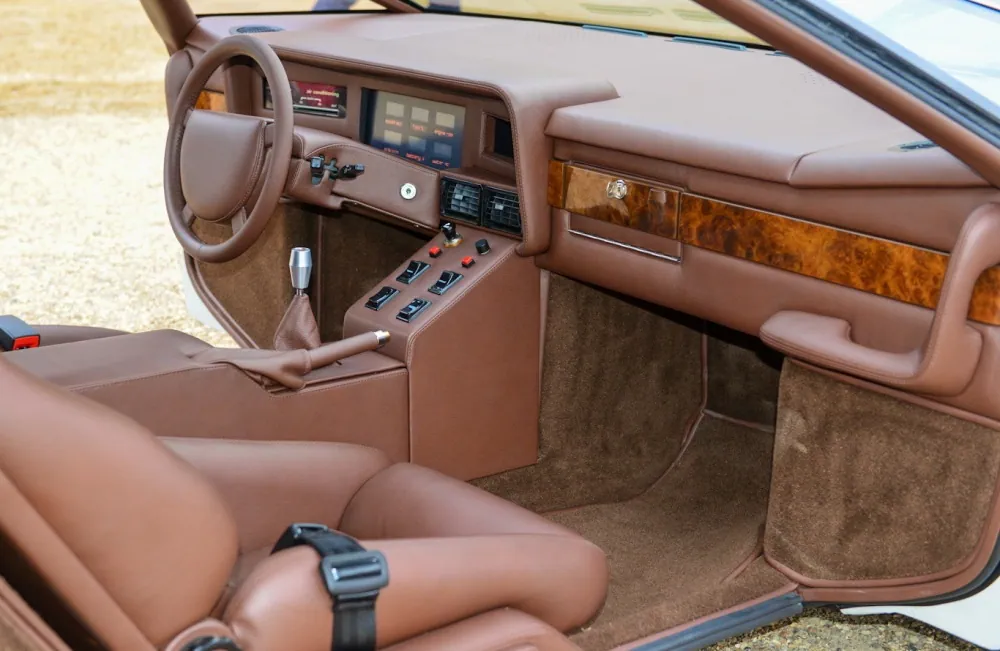
Despite its large footprint, the Bulldog was strictly a two-seater. Inside, it featured a digital dashboard with LED displays and touch-sensitive controls borrowed from the Lagonda — radical technology for the era. There was even a rear-view TV monitor and a built-in loudspeaker for the Panasonic stereo system.
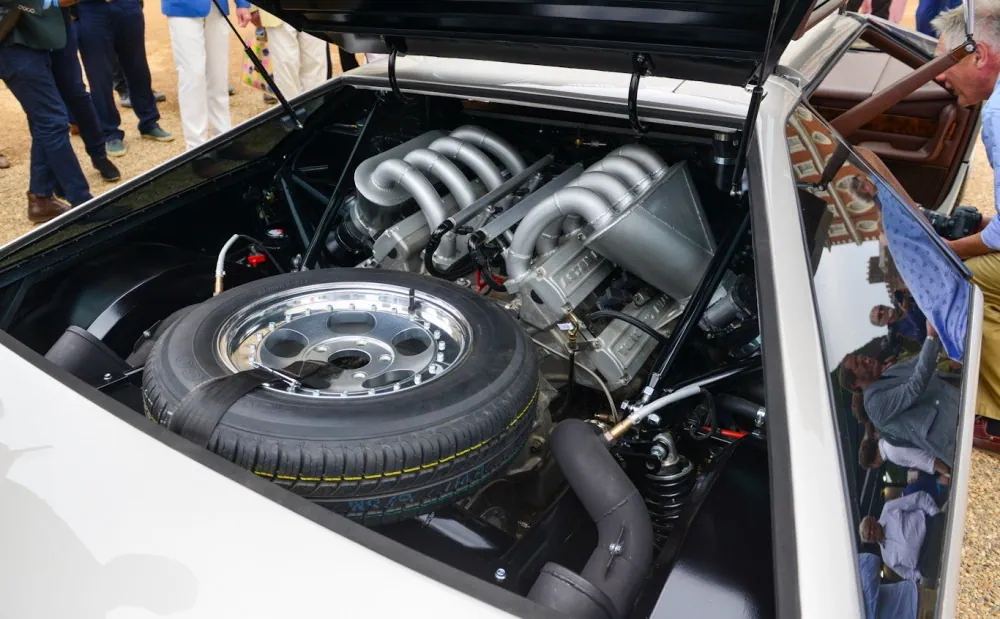
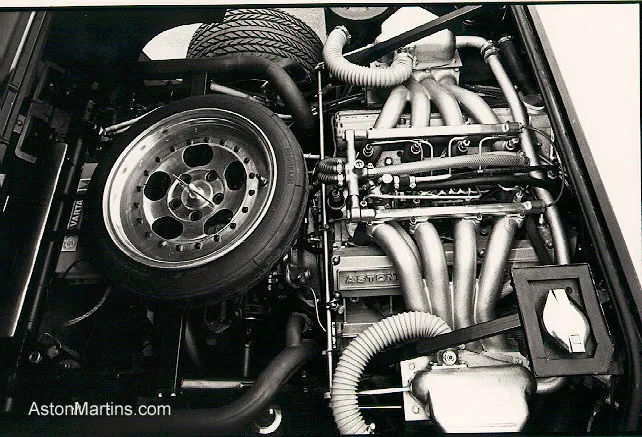
When it debuted in 1980, the Bulldog looked nothing like the elegant Ferraris of the day. It was meant to be Britain’s sharp-edged answer to Italian exotics, but buyers found the design simply too extreme. As a result, the planned production run of 25 cars was canceled, and only a single Bulldog was ever built.
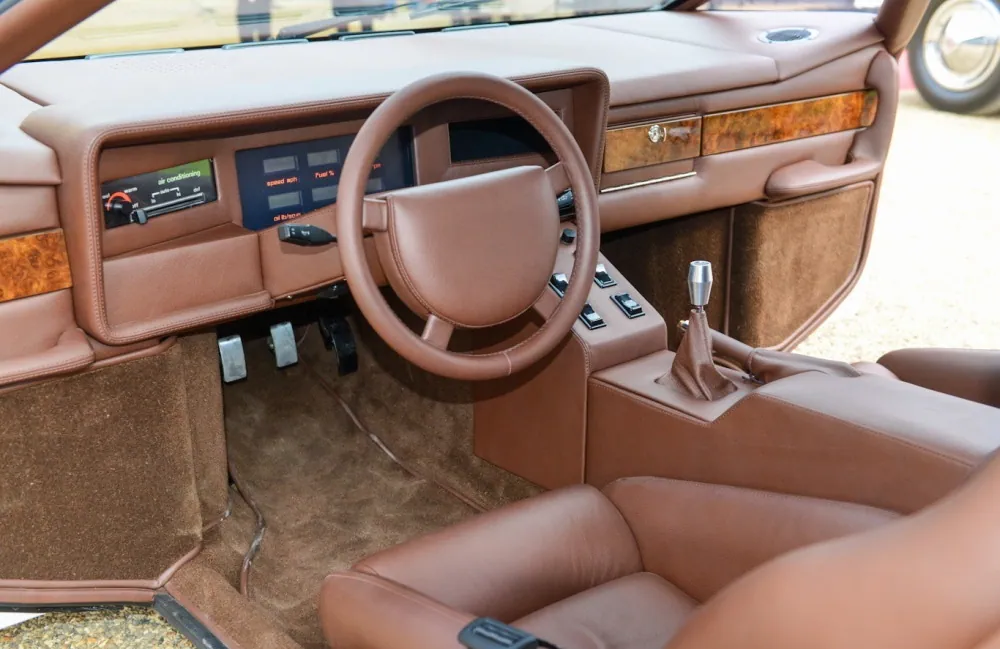
Ironically, the dramatic wedge shape wasn’t especially aerodynamic either, with a drag coefficient of 0.34 — respectable, but far from record-breaking.
One particularly unique feature was the hidden headlights. To use them, a section of the hood would tilt downward, revealing the lamps concealed beneath it.
The Aston Martin Bulldog was officially unveiled on March 27, 1980, at the Bell Hotel in Aston Clinton. Four years later, it was sold to a Middle Eastern collector for £130,000, later passing through the hands of an American collector and spending time in the United States before moving between private storage locations.
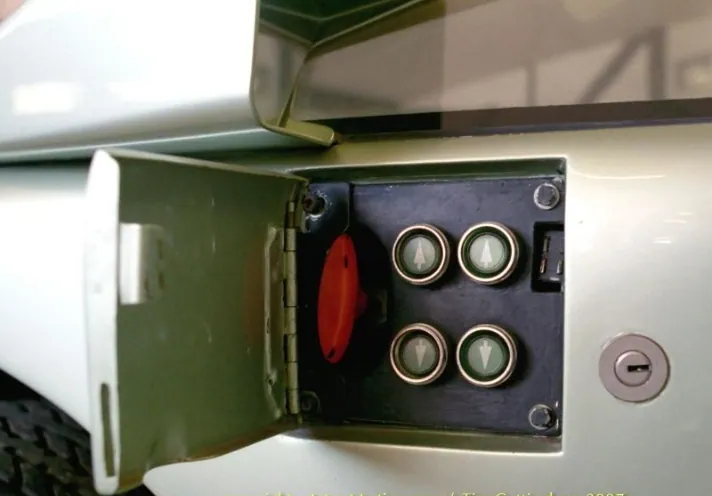
The story didn’t end there. In 2020, the car was acquired by American collector Phillip Sarofim, who commissioned a full restoration overseen by Richard Gauntlett, son of former Aston Martin chairman Victor Gauntlett. The goal was ambitious: finally push the Bulldog past the symbolic 200-mph mark.
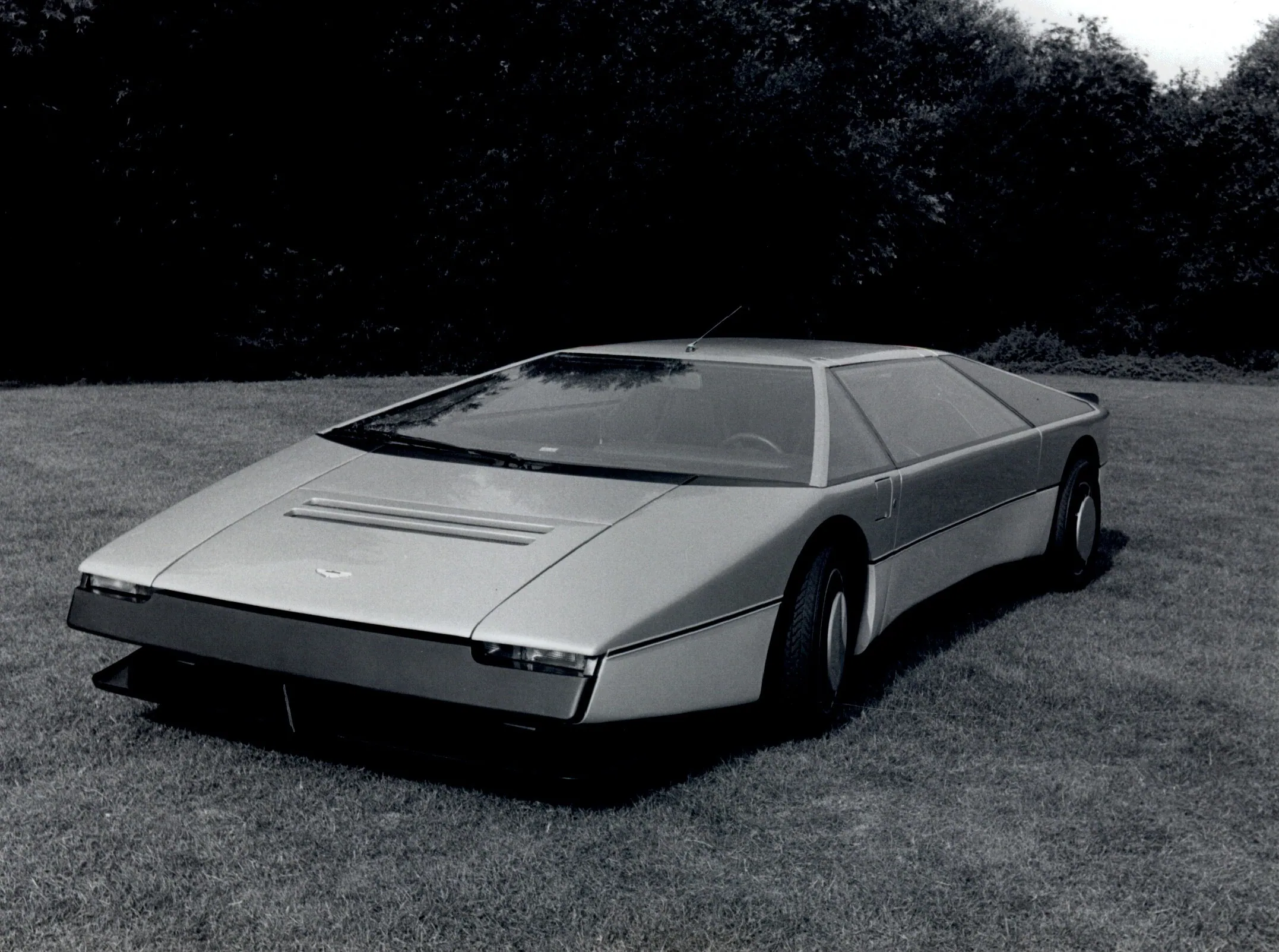
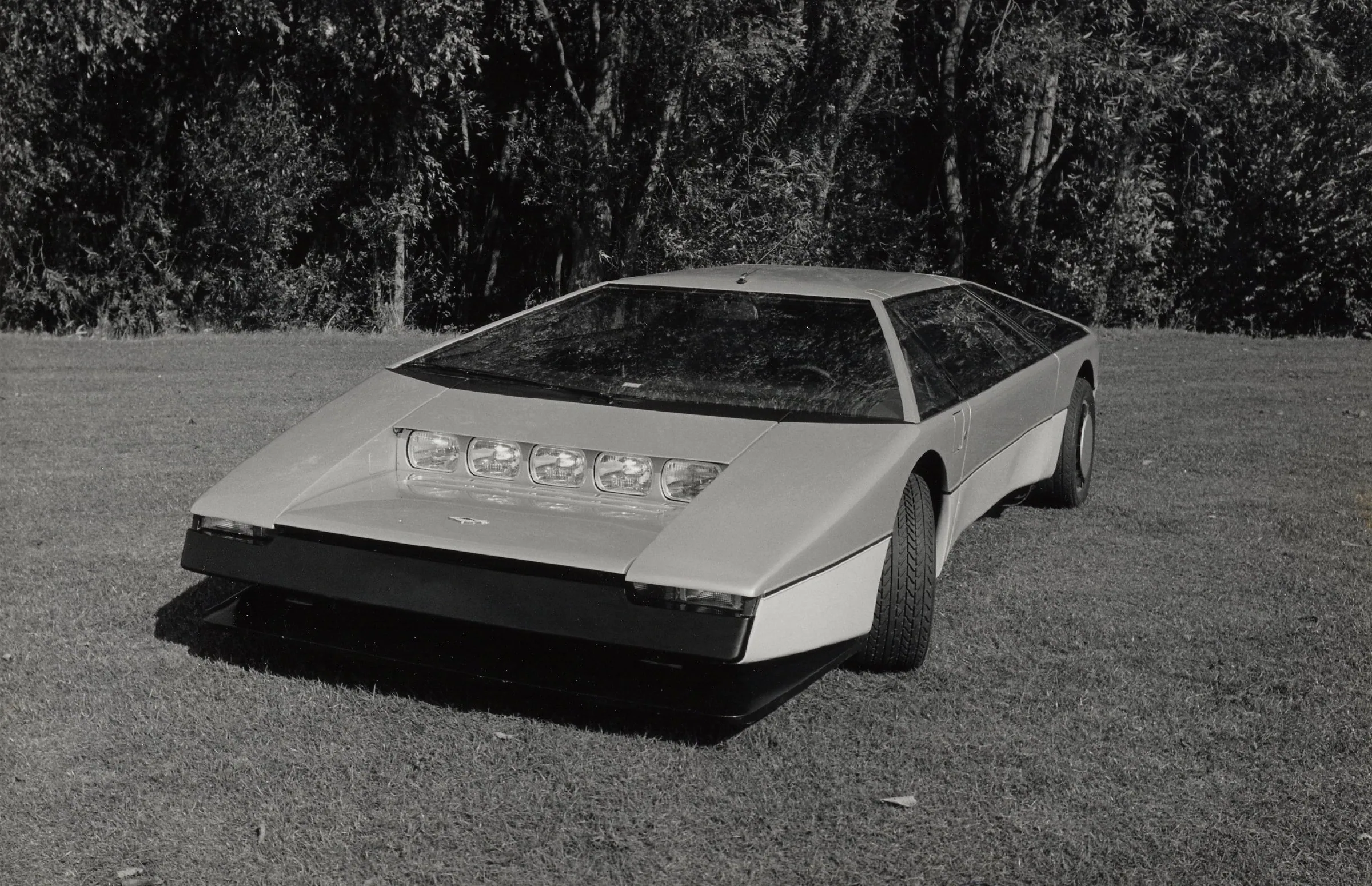
Back in 1980, the car had topped out at “only” 192 mph (309 km/h). After restoration, early tests in 2021 reached 162 mph (261 km/h). But on June 6, 2023, BBC Radio 4 confirmed that the Bulldog finally exceeded 200 mph, hitting 205 mph (330.55 km/h) at Campbeltown Airport in Scotland.
More than four decades later, Aston Martin’s wildest concept car ultimately fulfilled the promise it made in 1980 — proving that sometimes legends just need time to catch up with themselves.
Key Specifications (Short Version)
- Engine: Twin-turbocharged 5.3-liter V8
- Output: ~650 hp (over 700 hp on test bench)
- Layout: Mid-engine, rear-wheel drive
- Transmission: 5-speed manual (ZF)
- 0–60 mph: ~5.1 seconds
- Top Speed: Claimed 237 mph; verified 205 mph (2023)
- Body Style: Two-door, two-seat concept coupe
- Doors: Gullwing
- Height: 43 inches (1,092 mm)
- Curb Weight: ~3,200 lbs (1,454 kg)
- Production: One-off concept (1 unit built)
You may also be interested in the news:
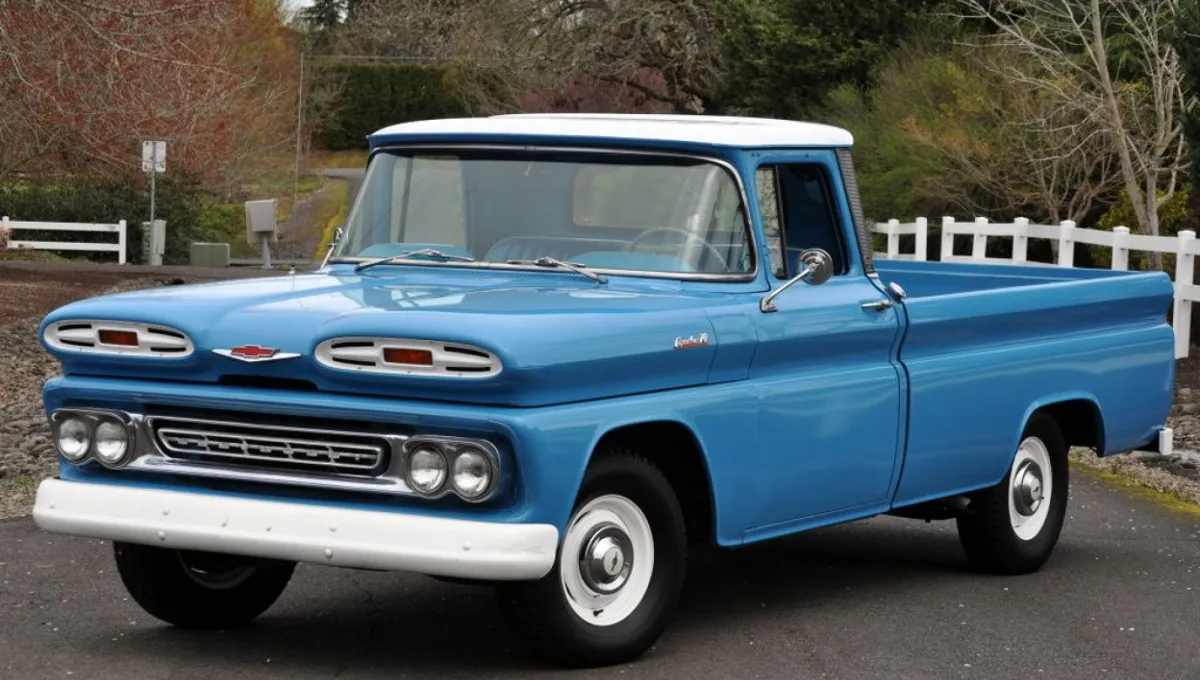
The 1960 Chevrolet Pickup: The Biggest Thing to Happen to Trucks Since Trucks Were Invented
Chevrolet unveiled an all-new pickup for 1960, calling it “the most important news since trucks came into being!”
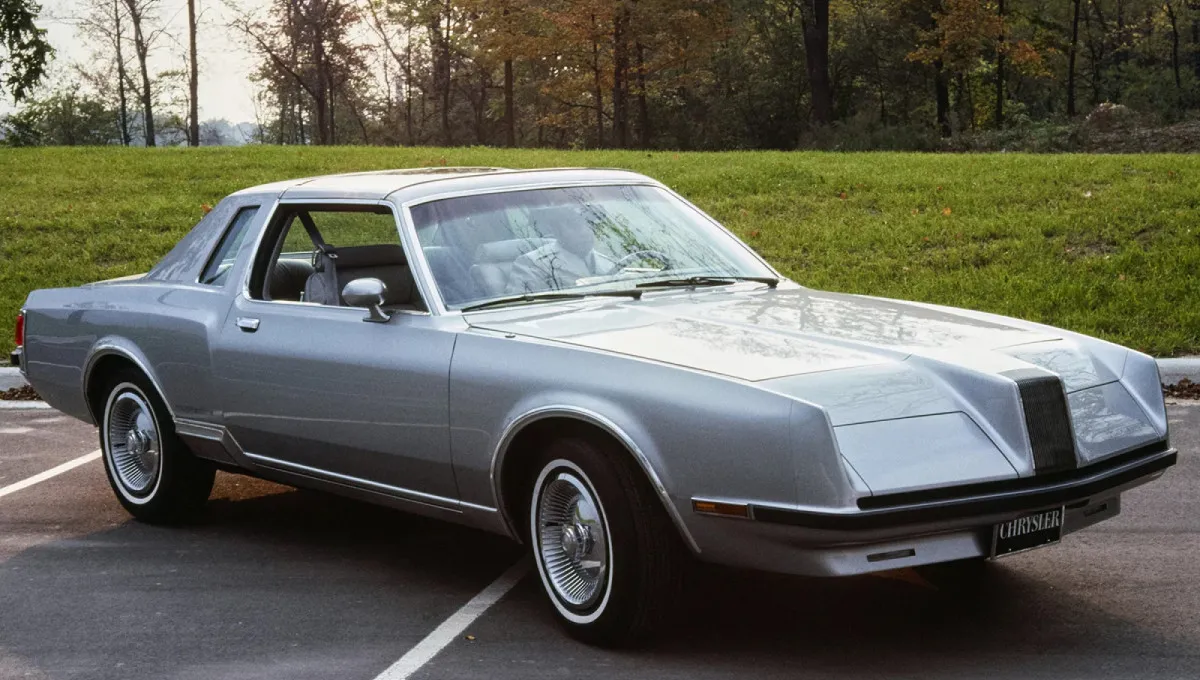
The 1977 Chrysler LeBaron Turbine: The Final Chapter of a 25-Year Experiment
Chrysler's 1977 LeBaron Turbine concept showcased decades of gas turbine research, but financial troubles ultimately brought the ambitious program to an end.
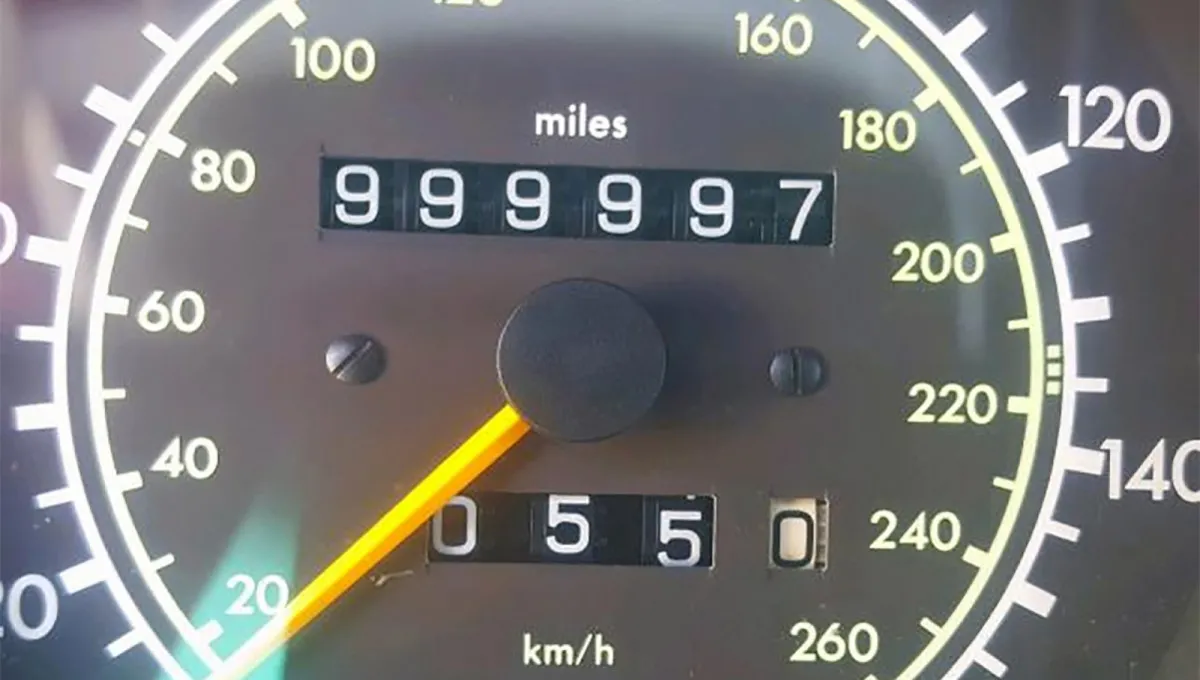
These 8 Cars Went Over 1 Million Miles — They Just Don’t Build Them Like They Used To
Some cars outlast generations of owners, proving that careful maintenance and durable engineering can deliver extraordinary mileage.
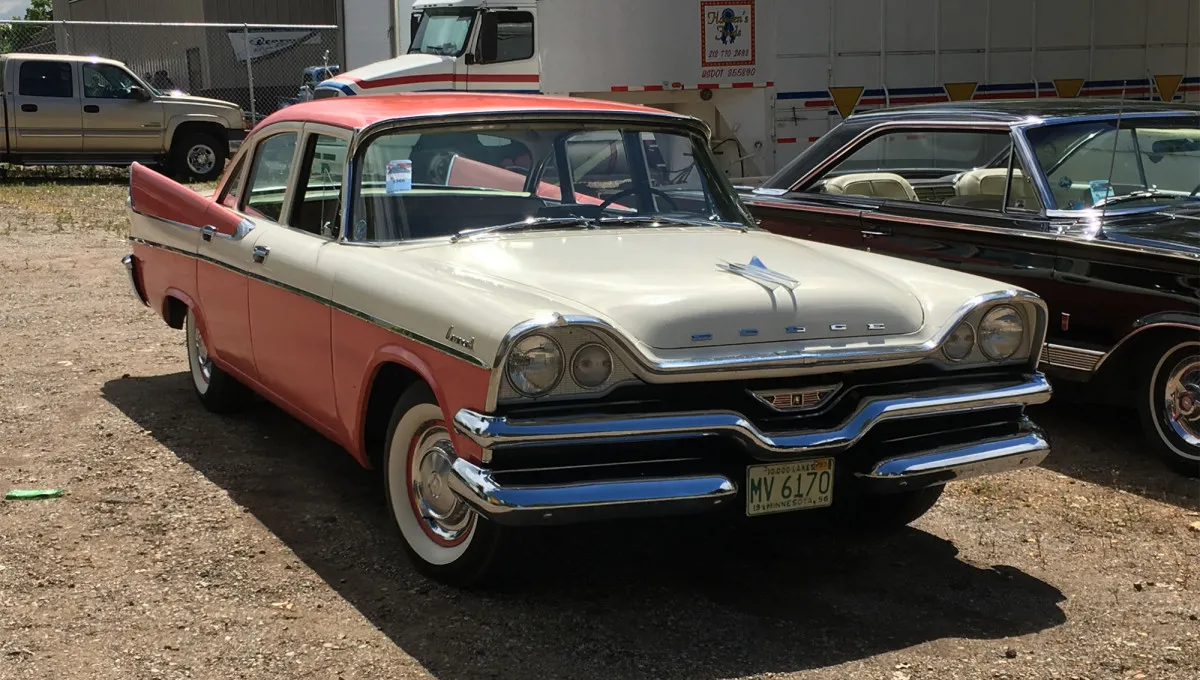
The 1957 Dodge: How “Autodynamics” Shaped One of Detroit’s Boldest Designs
The 1957 Dodge Looked Like a Dream Car, but Its Biggest Flaw Was Hiding Beneath the Surface.
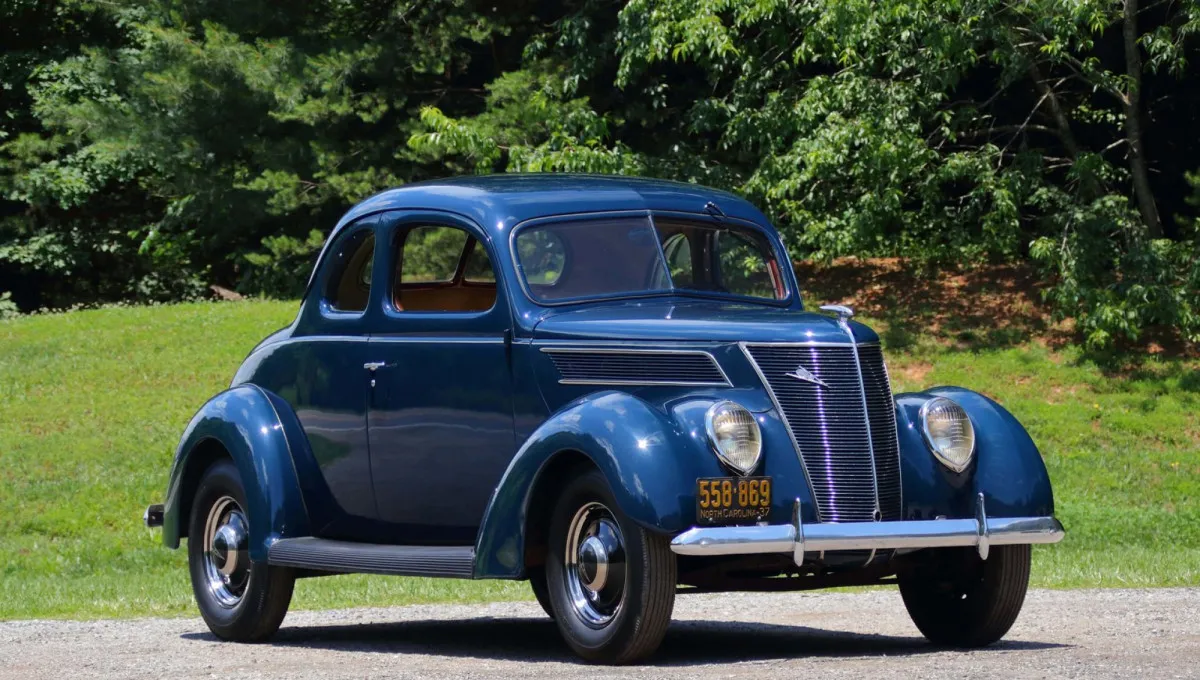
The 1937 Ford Was a Quality Car at an Affordable Price — Here’s What Made It Stand Out
The 1937 Ford featured several major changes and improvements. Let’s take a closer look.